
In a busy world of constant notifications and stress and work, it is difficult to find time to relax. Restorative yoga is a soothing way to slow down, release tension and give the body time to rest.
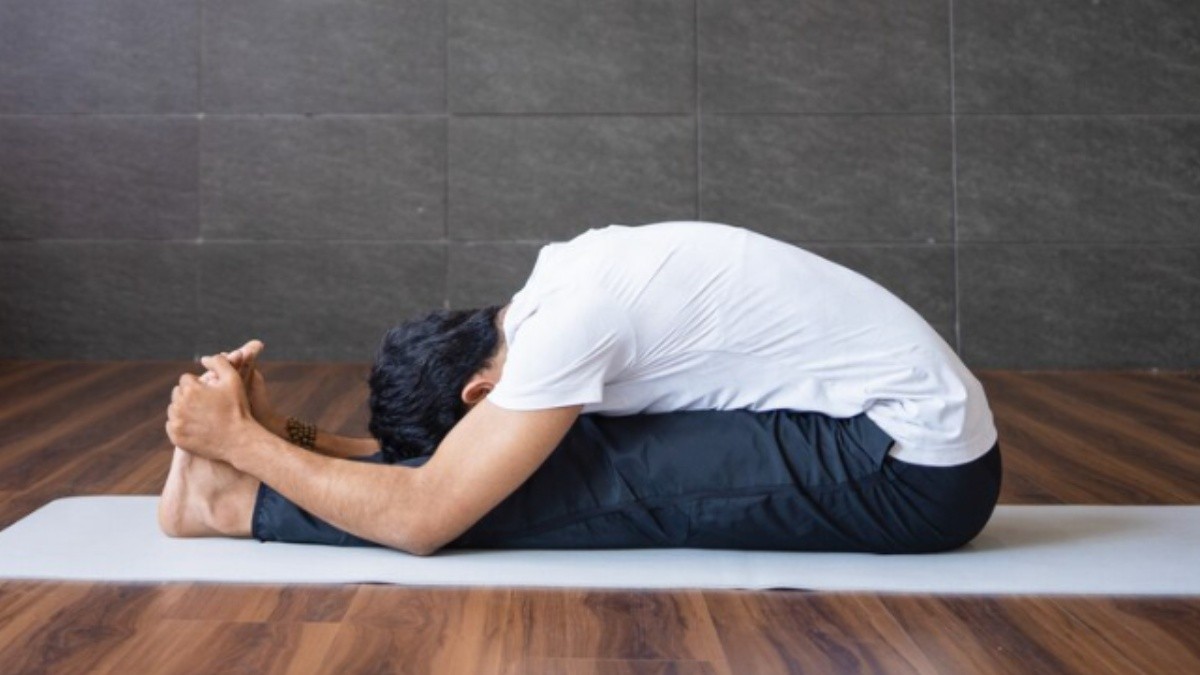
Unlike more physically demanding yoga, restorative yoga is based on comfort and support rather than strength, flexibility or endurance. Practitioners take a few gentle poses for around five to ten minutes each and props such as blankets, cushions and bolsters to support the body.
The point is not to stretch as far as possible or perfect posture. But you learn to be still so the practice inspires stillness, mindful breathing and a feeling of ease.
Related Articles
How does Restorative Yoga relieve stress?
When you feel stress people are mentally and physically tired. Restorative yoga allows for a moment to reset and turn our attention away from the day-to-day stuff.
When the body is comfortably supported, practitioners can focus on slow, natural breathing and release unnecessary muscular tension. The quiet environment and unhurried movements may help promote relaxation and emotional calm.
Regular practice may also help people come to understand how stress affects their bodies. But restorative yoga is not a guaranteed remedy to anxiety or other medical conditions. The benefits can vary from person to person.
Related Articles
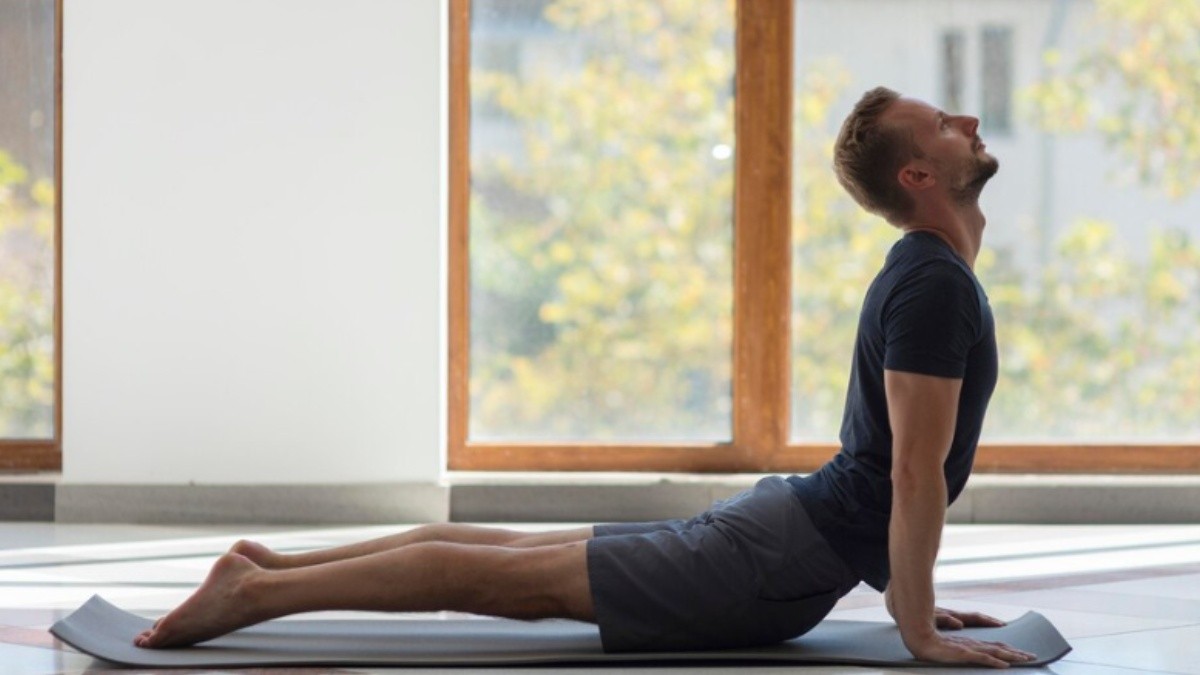
Gentle Restorative Yoga Poses to Try
1. Supported Child's Pose
In front of you, put a bolster or several pillows in front of you, as far as possible, place a bolster or a few pillows in front of you and gently rest your torso on them. Keep your knees comfortably placed and rotate your head to one side, changing sides if needed.
This supported posture encourages rest and can feel soothing after a hard day. If it is comfortable to stay for three to five minutes, stay with it.
2. Legs Up the Wall
Lie down on your back and rest your legs against the wall, adjusting your distance so the position feels easy. Place a folded blanket beneath your head if you may need it.
Remain in the position for 5 to 10 minutes, breathe naturally. If you feel uncomfortable, tingling or dizziness, come out of the pose.
3. Supported Reclining Pose
You are lying on your back with pillows or a bolster supporting your knees. Fold a blanket beneath your head to keep your neck comfortable.
Allow your arms to rest beside your body and notice your breathing. This simple position can provide a peaceful opportunity to relax without actively stretching.
Why Blankets and Bolsters Matter
Props are central to restorative yoga because they reduce the effort needed to maintain a pose. Blankets can support the head and joints, while bolsters and cushions help distribute body weight comfortably.
The right support allows practitioners to avoid forcing their bodies into uncomfortable positions. You don’t need expensive equipment; folded towels and ordinary pillows can often provide suitable support.
How can I start a restorative yoga routine?
Start with 10-15 minutes in a quiet, comfortable place. Choose one or two supported poses, dim the lights if you need to and silence unnecessary notifications.
Breathe naturally instead of forcing deep breaths. If a position causes pain, numbness or difficulty breathing, adjust or stop. People with medical conditions, recent injuries or pregnancy-related concerns should seek professional advice on the appropriate positions.
Consistency matters more than duration. A short, comfortable session may be easier to maintain than an ambitious routine.
Conclusion: Give Yourself Permission to Rest
Restorative yoga teaches us that we don’t always have to move, work or do anything. Often the best thing we can do is to slow down and rest.
With gentle poses, supportive props and mindful breathing, this practice can be a calming part of everyday life. Restorative yoga is an easy way to make room for relaxation, whether you have a grueling workday or need a quiet moment.
The aim is simple: feel supported, breathe comfortably and give yourself permission to pause.




Comments 0