
Yoga is well known for its physical fitness benefits, stress reduction and overall well-being. One of the most well-known benefits of yoga is improved body flexibility. Beginners as well as advanced practitioners turn to yoga to reduce stiffness in their bodies, improve movement and make everyday activities easier.
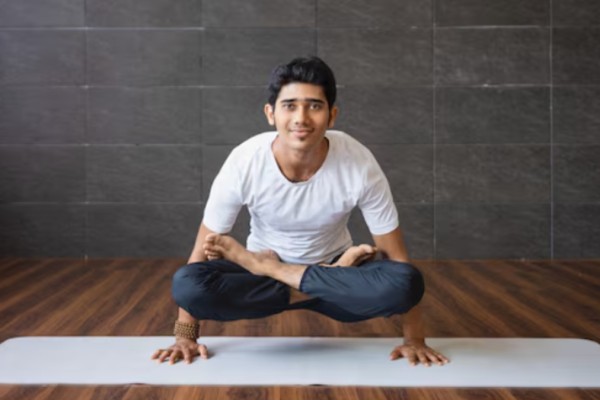
But can yoga really make your body flexible? Yes it can. Regular practice will gradually increase flexibility by stretching muscles, increasing joint mobility and making the body move more easily; but results vary depending on consistency of practise, type of yoga practised and individual abilities of the body.
1. How Does Yoga Improve Flexibility?
Flexibility is the ability of muscles and joints to move through a comfortable range of motion. Sitting for long periods (at work or at home), working at a desk or maintaining the same posture all day can cause muscle stiffness.
Related Articles
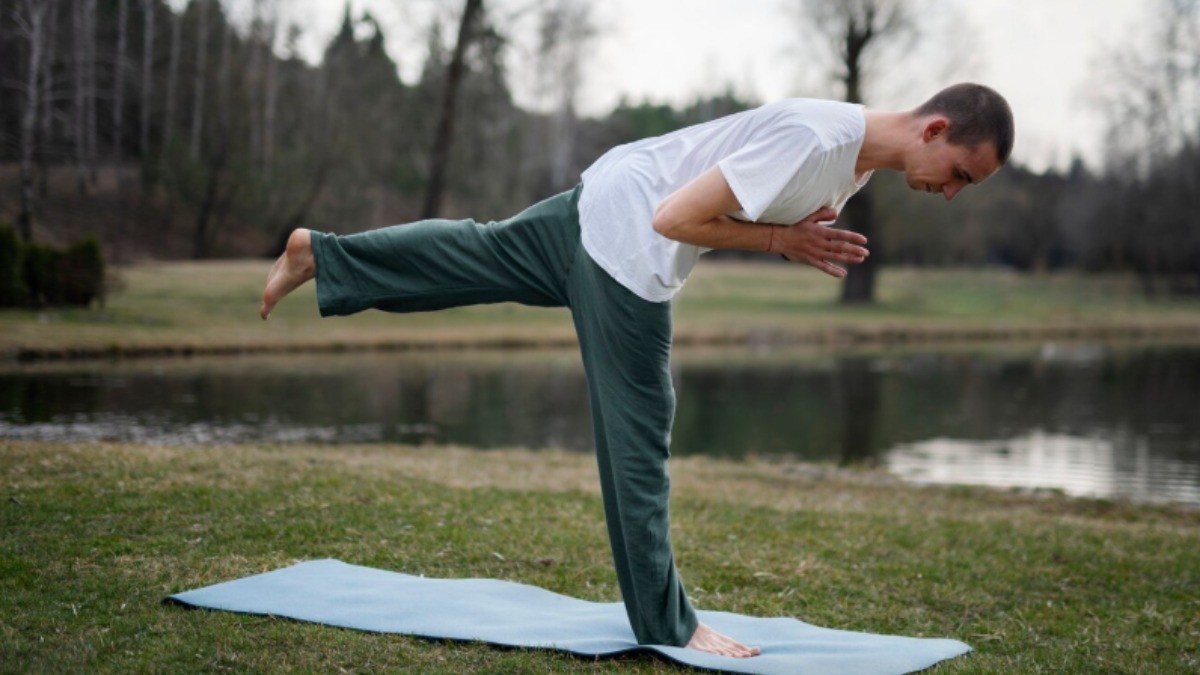

Yoga involves controlled movements and stretches that challenge different muscle groups. Holding certain poses lets muscles get used to stretching. Over time regular practice increases range of motion and makes everyday movement more comfortable.
You don’t have to be naturally flexible to start yoga. Flexibility develops with practice.
2. Yoga Helps Reduce Muscle Stiffness
Many people have stiffness in shoulders, back, hips and legs because of sedentary lifestyles or lack of physical activity.
Related Articles

Yoga involves gentle movement and stretching so stiffness is reduced. Poses that involve reaching, bending and twisting move different muscle groups through a wider range of motion.
Practising regularly may make things like walking, bending, climbing stairs and reaching overhead easier.
3. Five Yoga Poses That Can Improve Flexibility
Certain yoga poses are particularly useful for people who want to get more flexible.
- Downward-Facing Dog: This pose stretches the shoulders, hamstrings and calves while promoting full body movement.
- Cobra Pose: Cobra Pose stretches the front of the body gently and stimulates spinal extension.
- Child’s Pose: This relaxing position stretches the back, hips and thighs while letting the body rest.
- Butterfly Pose: Sitting with the soles of your feet together and gently allowing knees to move towards floor stretches inner thighs and hips.
- Cat-Cow Pose: Moving between these two positions allows for a gentle spinal mobility and loosens the back.
Beginners should do these poses slowly without forcing their bodies into uncomfortable positions.
4. How Long Does It Take to Become Flexible Through Yoga?
Yoga doesn’t make you flexible overnight. Some people see movement and stiffness improvements within a few weeks of regular practice; others may not see much change for several months.
Practicing for 15 to 30 minutes several times a week is one way to start. Consistency is more important than doing hard poses immediately (although that will help).
Your progress will be influenced by age, activity level, previous injuries and natural range of motion.
5. Yoga Also Improves Balance and Body Awareness
Flexibility is not the only benefit of yoga. Many poses require concentration, controlled breathing and coordination.
These movements can help with balance, posture and awareness of how your body moves. Better body awareness may also make you more aware when a stretch is getting too uncomfortable – less temptation to push it beyond that point!
6. Important Precautions Before Starting Yoga
Yoga is generally suitable for many fitness levels but if practised incorrectly it can cause discomfort or injury.
Start simple poses and warm up before going deeper into stretches. Don’t bounce or push your muscles beyond their range of comfort. People with injuries or medical conditions should consult a qualified healthcare professional before starting a new exercise routine.
Using yoga blocks, cushions or straps can also make certain poses more comfortable for beginners.
Final Thoughts
Yes yoga can make your body flexible when you practice it regularly and correctly. It stretches muscles, improves joint mobility and makes everyday movements easier. You don’t have to touch your toes or do advanced poses on the first day of class.
Start with simple movements, practise regularly and respect your body’s limits. With patience and time yoga can build a more flexible, mobile and balanced body.
Disclaimer: This article is for general health and fitness information only. Yoga should be practised according to individual physical abilities. If you have an injury or medical condition consult a qualified healthcare professional.




Comments 0