
Yoga has evolved from an ancient mind-body practice into a widely used approach to physical fitness, relaxation and overall wellness. It combines physical postures, breathing techniques and, in many traditions, meditation or mindfulness. Because yoga can be adapted to different ages and fitness levels, it has attracted interest from people seeking support for both physical and mental well-being.
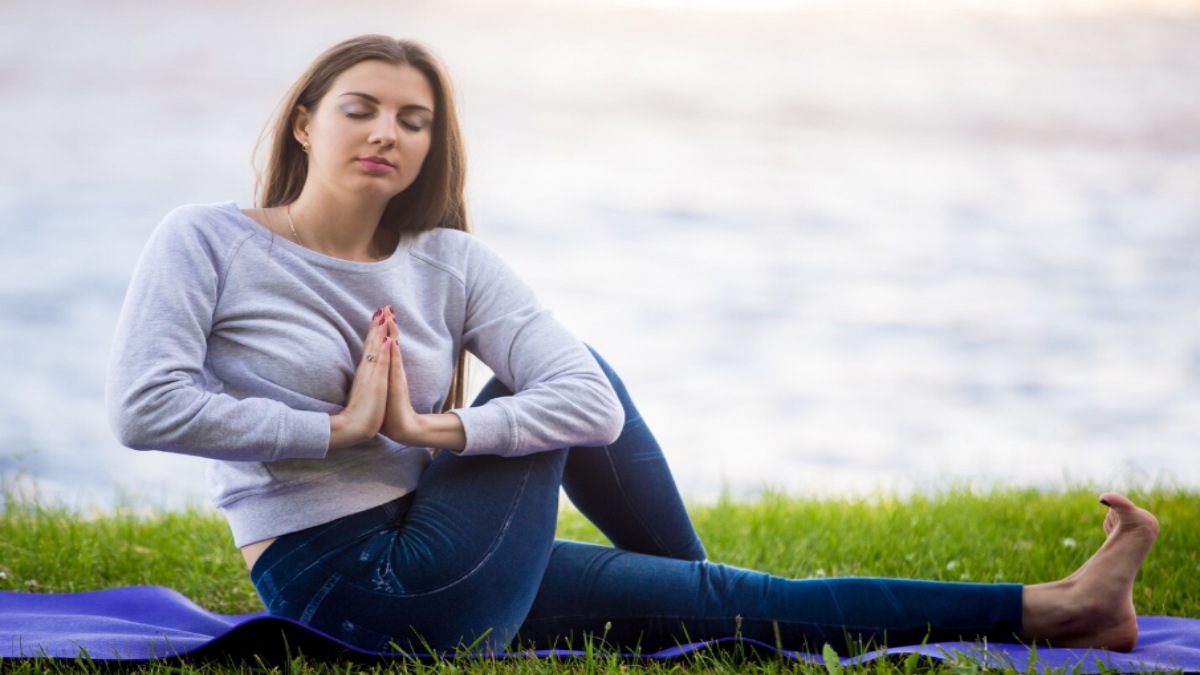
Scientific research into yoga has expanded considerably, although the quality and design of studies vary. Evidence suggests that regular yoga practice may provide several health benefits, particularly when it is performed consistently and appropriately for an individual's abilities.
Yoga and physical fitness
One of the most noticeable effects of yoga can be improved flexibility. Many yoga postures involve controlled stretching of muscles and joints. With regular practice, this may help improve range of motion and reduce feelings of stiffness.
Related Articles
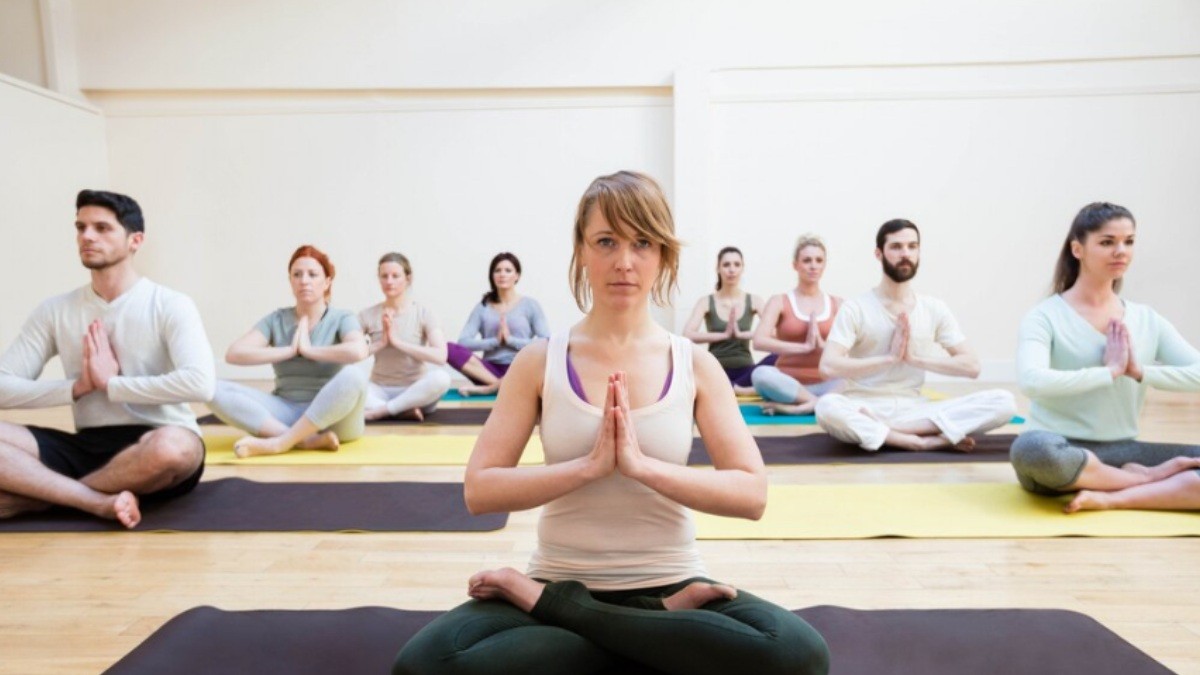
Yoga can also contribute to muscular strength. Holding postures requires muscles to stabilise the body, while movements between poses can challenge coordination and control. Depending on the style and intensity, yoga can therefore provide a useful component of a broader exercise programme.
However, yoga should not necessarily replace all forms of physical activity. Cardiovascular exercise and resistance training may provide benefits that some forms of yoga do not fully address. Combining different types of physical activity can provide a more comprehensive approach to fitness.
Balance and body awareness
Balance can become increasingly important as people age. Yoga includes numerous postures that challenge stability and coordination.
Related Articles
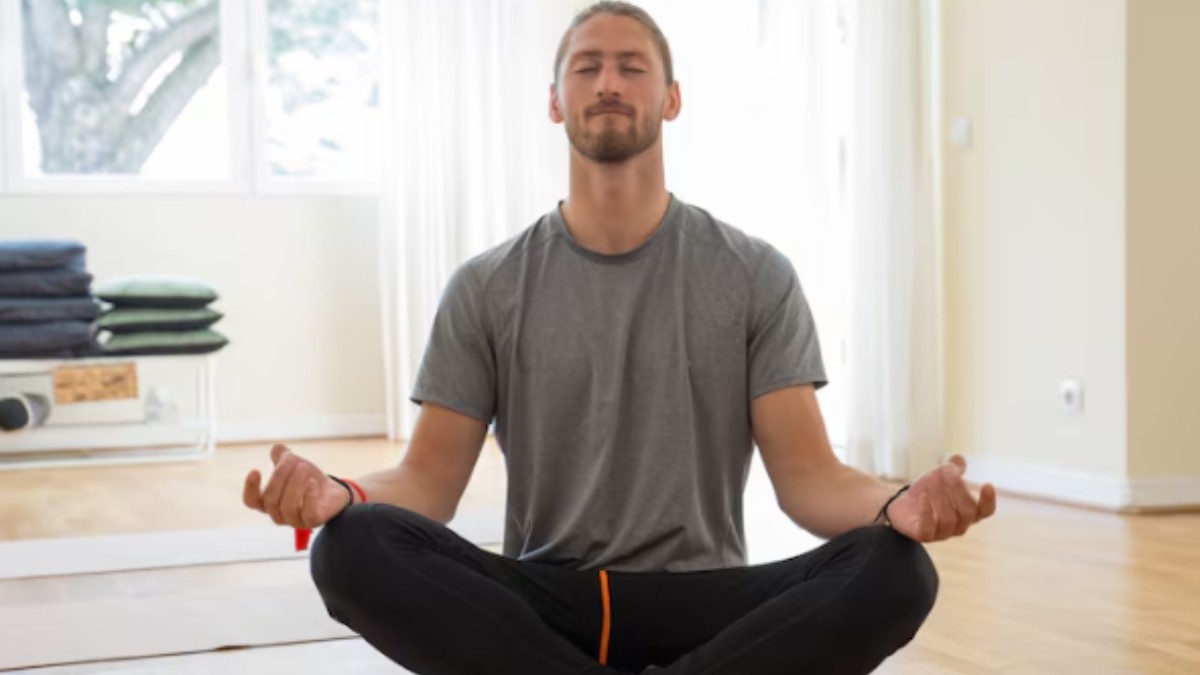
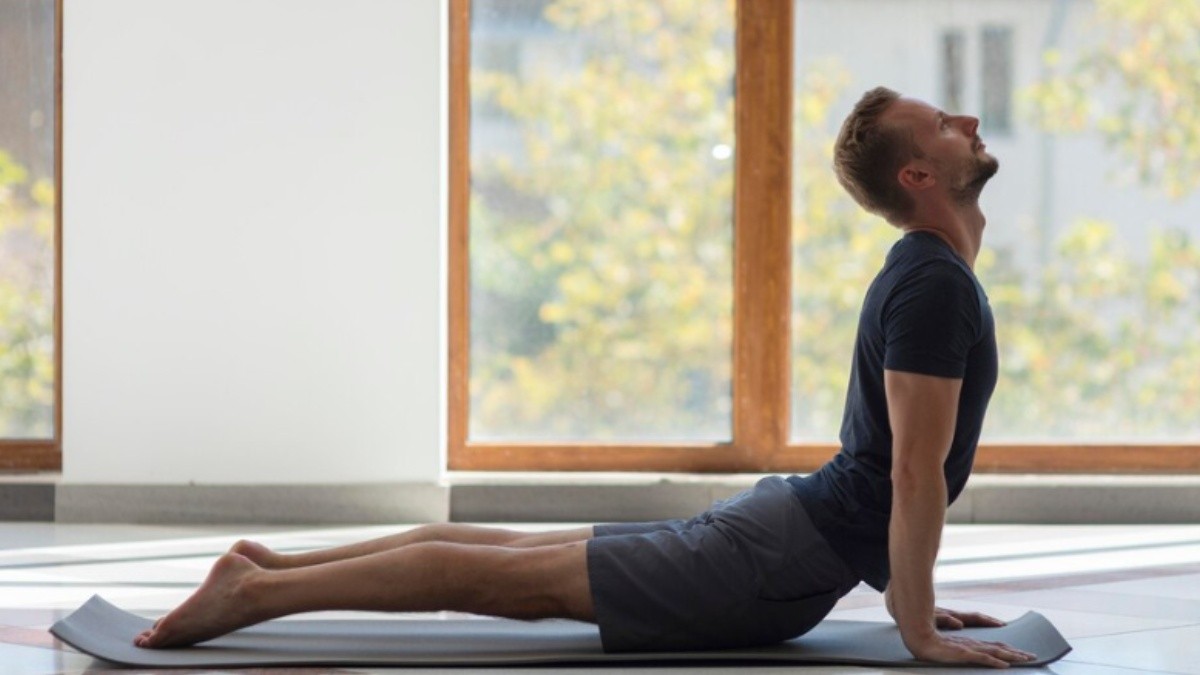
Regular practice may improve balance and proprioception, which refers to the body's awareness of its position and movement. Better balance can be particularly valuable for older adults, although exercises should be appropriately modified to reduce the risk of falls.
Yoga also encourages practitioners to pay attention to posture, breathing and physical sensations. This increased body awareness may help people recognise tension and adjust their movements more mindfully.
Yoga and stress management
One of yoga's most widely discussed benefits is its potential role in stress management. Slow movement, controlled breathing and relaxation can create a structured period away from daily demands.
Stress affects both mental and physical well-being, and chronic stress can contribute to sleep difficulties, muscle tension and other health concerns. Yoga may help some people develop relaxation skills and become more aware of stress-related physical responses.
Breathing practices can be particularly useful because they encourage deliberate, controlled breathing. However, yoga should be viewed as one tool for managing stress rather than a replacement for professional treatment when someone is experiencing significant psychological distress.
Effects on sleep
Poor sleep can affect mood, concentration and physical health. Some research suggests that yoga may help improve sleep quality in certain groups.
Relaxation and mindfulness practices may be particularly useful when incorporated into an evening routine. Gentle yoga before bedtime can help create a transition from a busy day to a more relaxed state.
Nevertheless, persistent insomnia or major sleep disturbances should be evaluated by a healthcare professional because they can have many underlying causes.
Potential cardiovascular benefits
Some research has explored the relationship between yoga and cardiovascular health. Regular physical activity in general can support cardiovascular fitness, while relaxation practices may help reduce stress.
Studies have reported possible improvements in measures such as blood pressure among some yoga practitioners, although outcomes vary depending on the type of yoga, duration of practice and characteristics of participants.
People with cardiovascular conditions should discuss exercise plans with their healthcare provider and choose an appropriate level of activity.
Yoga and chronic conditions
Yoga has also been studied as a complementary approach for people living with certain chronic health conditions, including persistent musculoskeletal discomfort and some metabolic or cardiovascular risk factors.
For some individuals, gentle movement and improved flexibility may make everyday activities more comfortable. However, evidence varies across conditions, and yoga should not be promoted as a cure.
People with chronic illness should seek professional guidance about which poses and levels of intensity are appropriate.
Mental well-being and mindfulness
Meditation and mindfulness components of yoga may encourage greater awareness of thoughts, emotions and physical sensations. For some people, this can support emotional regulation and a greater sense of calm.
Research has investigated yoga in relation to symptoms of anxiety and depression, with some studies suggesting potential benefits. However, yoga should complement rather than replace evidence-based mental healthcare when treatment is needed.
Safety matters
Yoga is generally considered safe when practised appropriately, but injuries can occur. Overstretching, attempting advanced poses without adequate preparation or ignoring pain can increase the risk of injury.
Beginners should start with accessible movements and learn proper technique. People who are pregnant, recovering from injury, managing chronic illness or living with conditions affecting balance should seek appropriate professional advice before starting a new programme.
The overall picture
The evidence surrounding yoga's effect on health is encouraging, particularly for flexibility, balance, physical function, stress management and general well-being. However, yoga is not a universal treatment, and research quality differs between studies.
Its greatest value may come from viewing it as part of a broader healthy lifestyle that includes regular physical activity, nutritious food, adequate sleep, preventive healthcare and meaningful social connections.
Ultimately, yoga offers a flexible way to combine movement and mindful awareness. Practised consistently and safely, it may support both physical fitness and mental well-being while helping people develop a more attentive relationship with their bodies.




Comments 0