
Yoga and meditation have evolved from traditional contemplative practices into widely used approaches to physical and mental wellbeing. Although they have distinct origins and techniques, both practices place importance on awareness, attention and the relationship between the mind and body. Modern research has increasingly examined whether these practices can contribute to stress management, physical functioning, emotional wellbeing and overall quality of life.
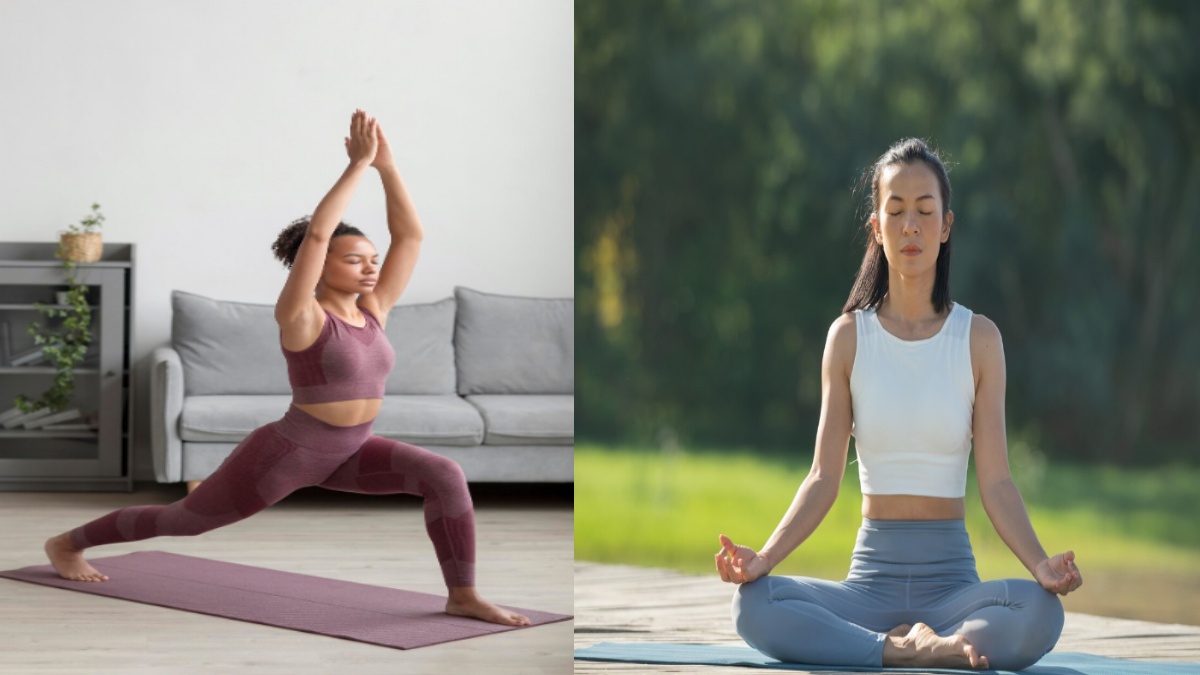
Yoga traditionally combines physical postures, controlled breathing and practices involving concentration or meditation. Meditation encompasses a broad range of techniques, including focused attention, mindfulness and practices designed to cultivate calmness or awareness. Because yoga and meditation are diverse rather than single standardised interventions, research findings can vary according to the type, duration and intensity of the practice.
Yoga as a mind-body practice
The physical component of yoga can involve stretching, balance, controlled movement and muscular engagement. Regular practice may help improve flexibility, balance and physical function. Some forms of yoga can also provide moderate physical activity, although the intensity varies considerably between styles.
Related Articles
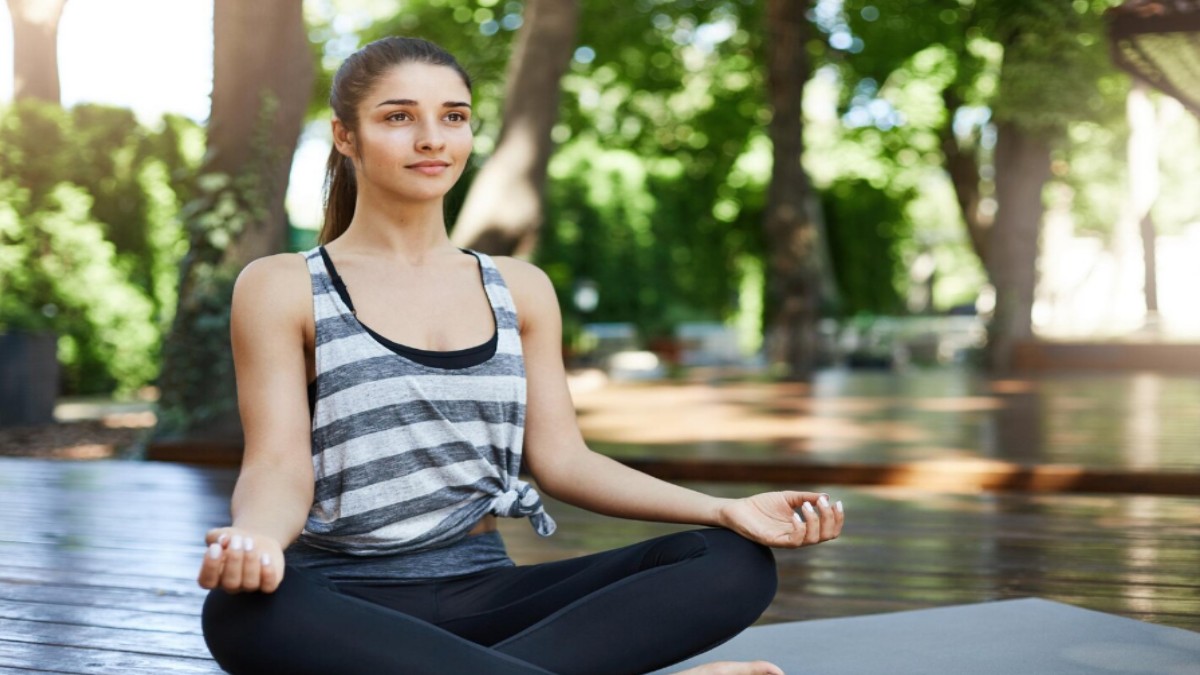
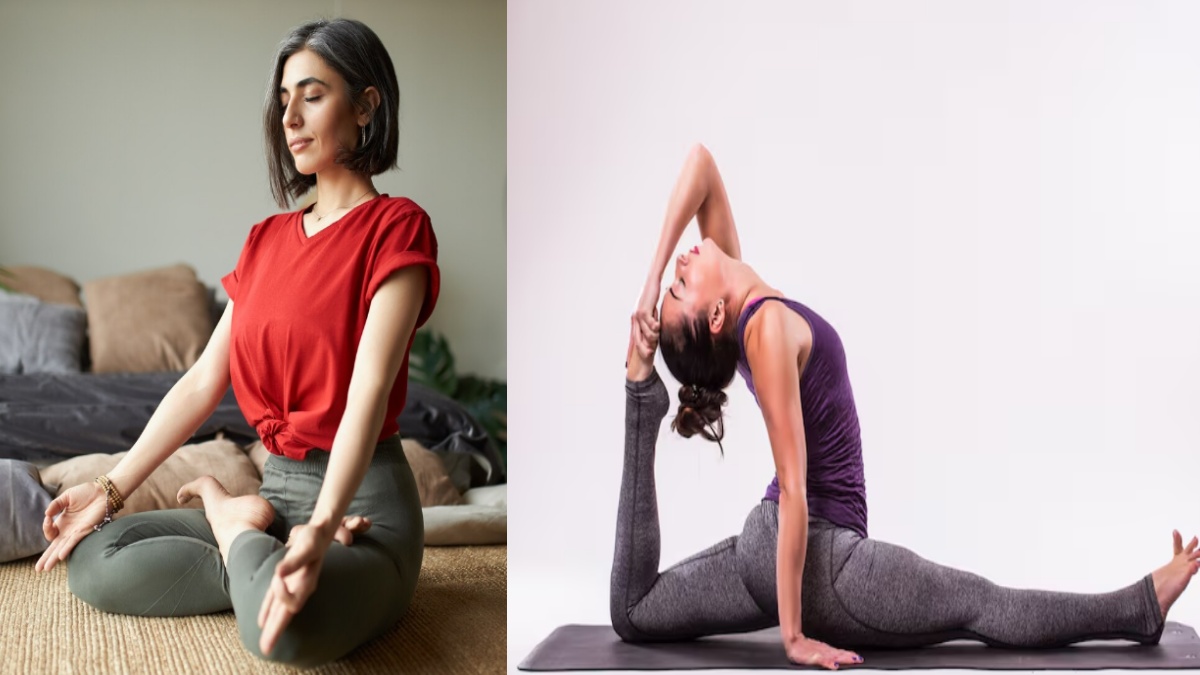
For people who spend long periods sitting, gentle yoga may offer an opportunity to incorporate movement into the day. Certain practices focus on mobility and posture, while more physically demanding forms can challenge strength and endurance.
Breathing is another important element. Yoga-based breathing exercises, often called pranayama, encourage deliberate control of the breath. Research has explored whether slow and controlled breathing may influence relaxation and autonomic nervous system activity. However, individual responses can differ.
Meditation and mental wellbeing
Meditation generally involves training attention and awareness. Mindfulness meditation, for example, encourages individuals to observe thoughts, sensations and emotions without automatically reacting to them.
Related Articles

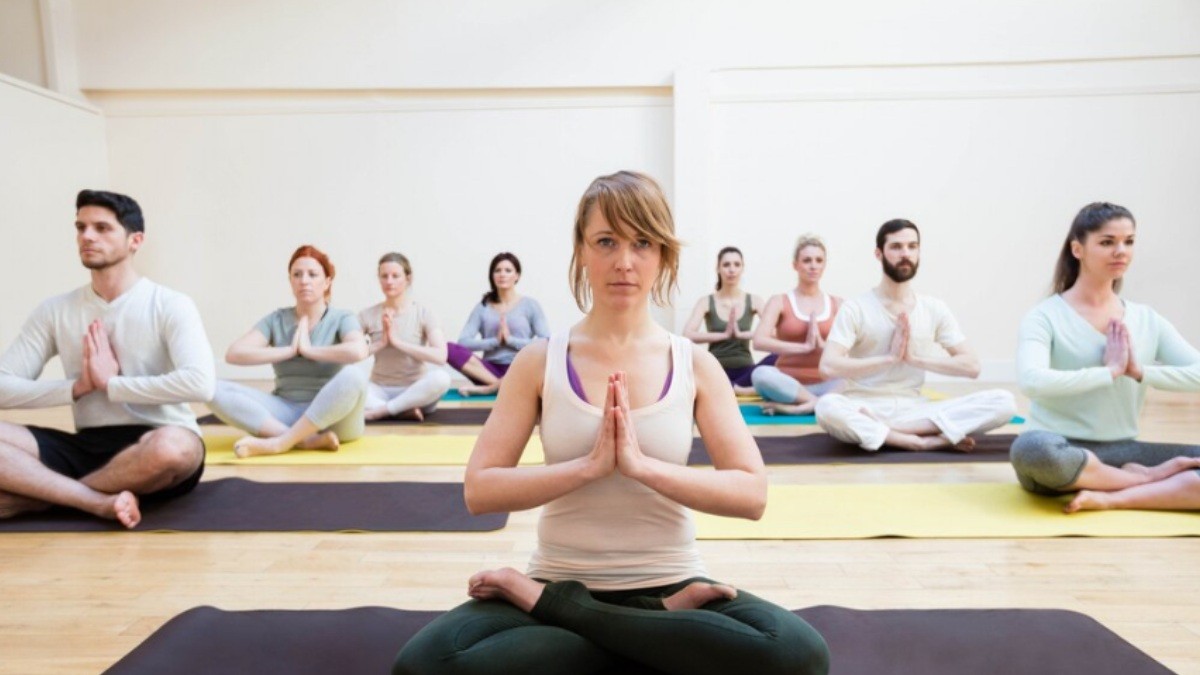
Research suggests that mindfulness-based practices may help some people manage perceived stress and anxiety symptoms. Meditation has also been investigated in relation to sleep, mood and quality of life. These effects should not be interpreted as proof that meditation can treat every mental health condition. People experiencing significant or persistent psychological symptoms should seek appropriate professional care.
One of meditation's practical advantages is its flexibility. It can often be practised while sitting quietly for a relatively short period, making it accessible to people with different schedules and physical abilities.
What does research suggest
Scientific studies examining yoga and meditation have produced promising but mixed findings. Research quality varies, and studies differ in sample size, methodology, comparison groups and intervention design. Some systematic reviews and clinical studies report improvements in measures such as stress, anxiety, mood, sleep quality and physical functioning, while other research finds smaller or inconsistent effects.
This highlights an important point
yoga and meditation should not be presented as universal cures. They may function as complementary practices alongside established approaches to health rather than replacing medical treatment.
Research is also continuing to explore possible mechanisms. Proposed explanations include changes in stress regulation, attention, emotional processing, physical activity levels and autonomic functioning. More rigorous research is needed to understand which techniques work best for specific populations and health goals.
Making yoga and meditation part of daily life
Consistency is often more useful than intensity. Beginners can start with short sessions and gradually increase their practice according to comfort and ability. A few minutes of mindful breathing, followed by gentle movement, can become a manageable daily routine.
It is also important to practise safely. People with injuries, chronic health conditions or specific physical limitations should adapt postures appropriately and seek guidance from a qualified instructor or healthcare professional when necessary. Yoga should never require forcing the body into painful positions.
Meditation also benefits from realistic expectations. A wandering mind is normal, particularly for beginners. The objective is not necessarily to eliminate thoughts but to notice when attention has wandered and gently bring it back to the chosen focus.
The art of yoga and meditation lies not only in performing particular postures or sitting silently but in cultivating greater awareness of the body, breath and mind. Research increasingly supports their potential role as complementary tools for physical function, stress management and emotional wellbeing, although evidence varies across conditions and techniques.
When approached realistically and practised consistently, yoga and meditation can become valuable components of a broader healthy lifestyle. A balanced diet, regular physical activity, adequate sleep and appropriate medical care remain important foundations of health. Yoga and meditation can complement these habits by creating intentional moments for movement, reflection and self-awareness.




Comments 0