
Modern life can often feel overwhelming, with work responsibilities, digital distractions, family commitments and everyday stress leaving little time for rest. Yoga and meditation have become popular practices for people looking for simple ways to support their physical and mental wellbeing. Although they are different practices, combining them can create a balanced approach to caring for the body and mind.
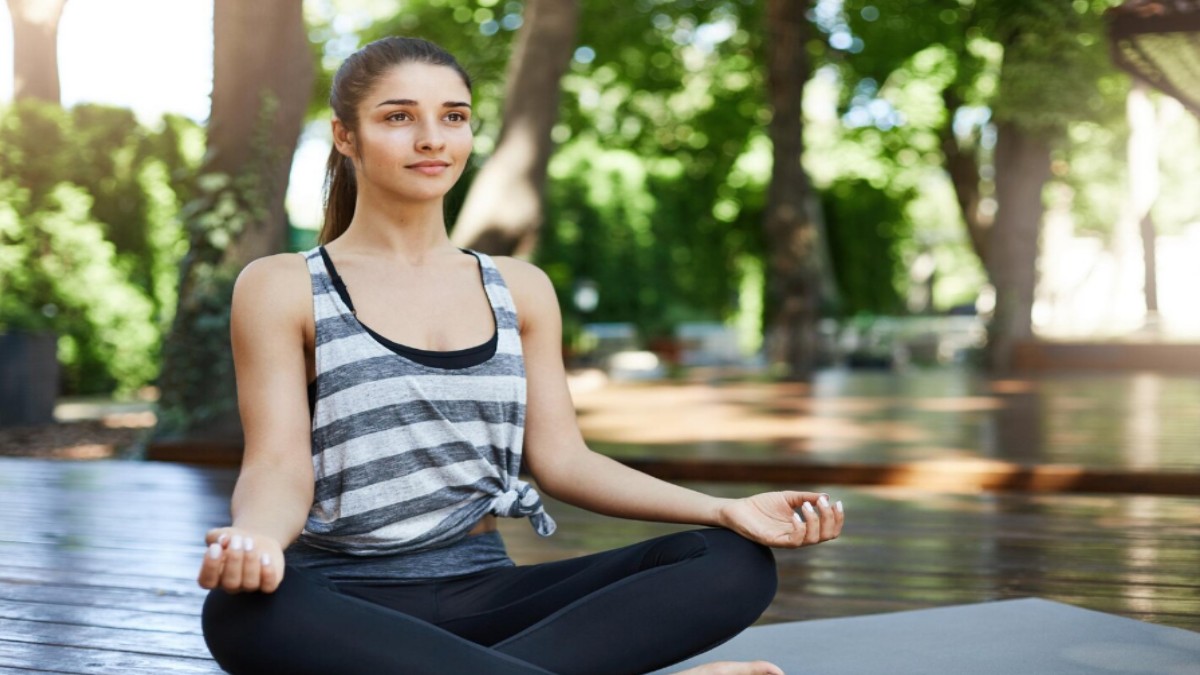
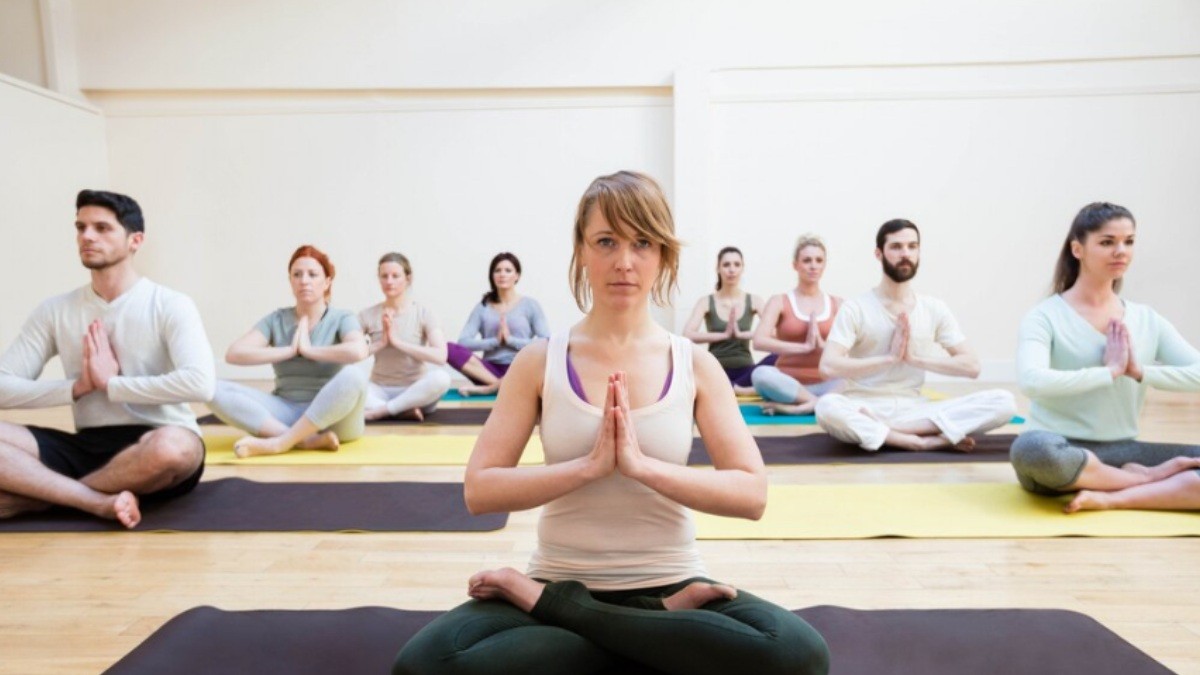
Yoga generally combines physical postures, controlled breathing and, in many traditions, meditation or relaxation. Meditation involves practices that train attention and awareness, often by focusing on the breath, bodily sensations, thoughts or another chosen object. Regular practice may influence several aspects of a person's wellbeing.
1. Helps Manage Everyday Stress
One of the most recognised benefits of yoga and meditation is their potential role in stress management. Slow breathing, mindful movement and periods of quiet attention can encourage a person to pause and become more aware of how they are feeling.
Related Articles
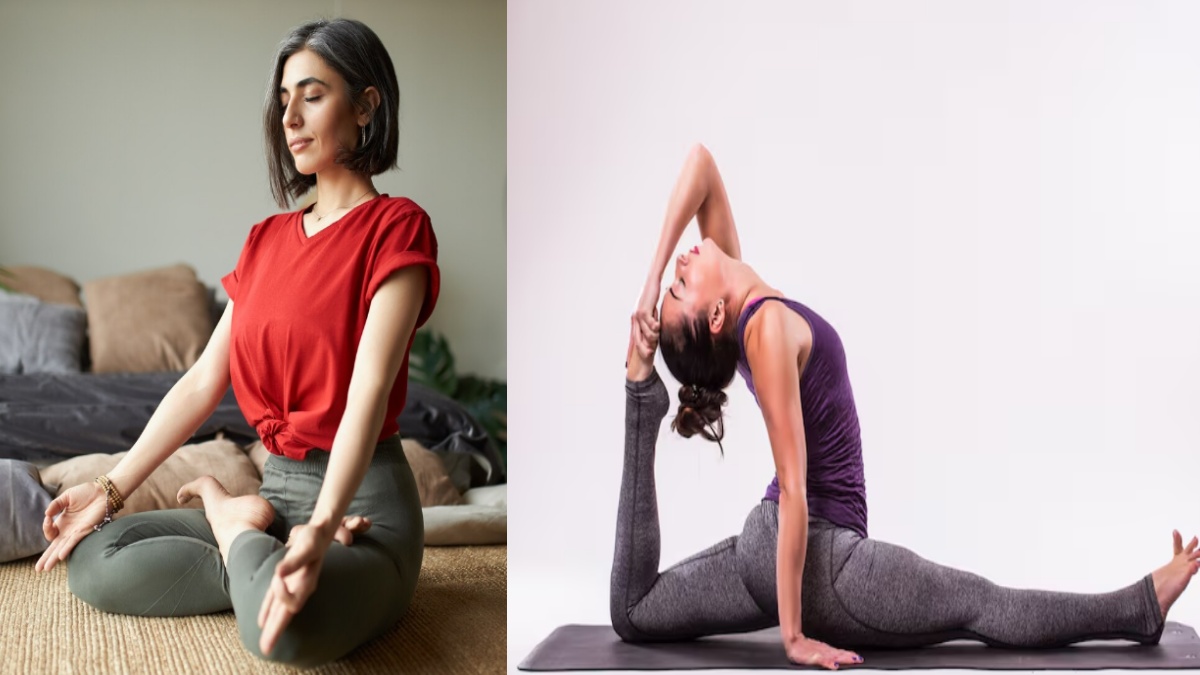
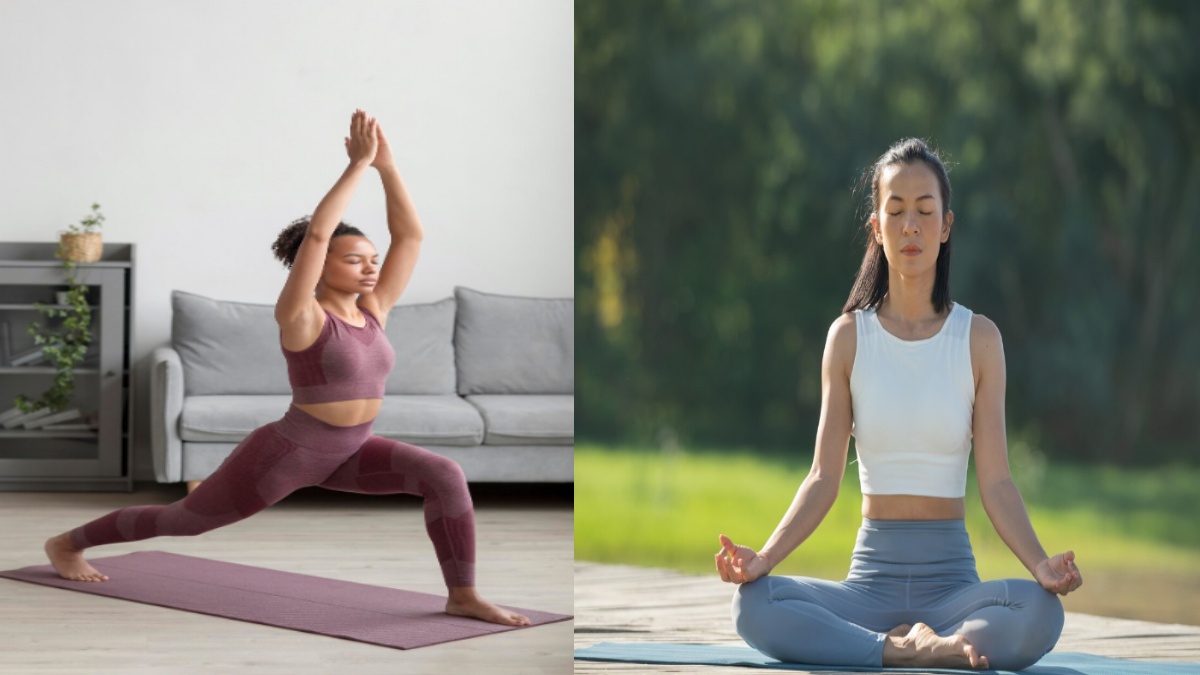
Meditation can help people observe stressful thoughts without immediately reacting to them, while gentle yoga may provide a physical outlet for tension. Practising these techniques regularly may make it easier to incorporate moments of calm into a busy day.
2. Supports Mental Wellbeing
Mental wellbeing is closely connected to how people manage emotions, stress and daily challenges. Meditation encourages present-moment awareness, which may help people recognise negative thought patterns and respond to them more thoughtfully.
Yoga can also support wellbeing through movement, breathing and relaxation. However, yoga and meditation should not be considered replacements for professional treatment when someone is experiencing significant or persistent mental health symptoms.
Related Articles
3. Improves Flexibility and Mobility
Yoga involves a range of postures that move different parts of the body. Practising regularly can improve flexibility, balance and mobility, depending on the style and intensity of yoga.
For people who spend long hours sitting at a desk, gentle stretches may also help counter feelings of stiffness. Beginners should start gradually and avoid forcing the body into uncomfortable positions.
4. May Improve Strength and Balance
Certain yoga styles involve holding postures that require muscular control and stability. Over time, these movements can contribute to strength and balance.
Balance-focused postures may be particularly useful as part of an overall physical activity routine. The level of benefit depends on the individual's practice, fitness level and consistency.
5. Encourages Better Body Awareness
Yoga and meditation can help people become more aware of their bodies. During yoga, practitioners often pay attention to posture, breathing, muscle tension and physical sensations.
This awareness can encourage people to recognise when they are tired, tense or uncomfortable and adjust their habits accordingly. Meditation similarly develops awareness by encouraging individuals to observe thoughts and sensations without immediately reacting to them.
6. Can Support Better Sleep
Relaxation practices may be useful for people who struggle to switch off at the end of the day. Gentle yoga and meditation can become part of a calming bedtime routine.
By reducing mental stimulation and encouraging slow, controlled breathing, these practices may help some people prepare for sleep. They should complement, rather than replace, good sleep habits and medical care for ongoing sleep problems.
7. May Improve Focus and Concentration
Meditation involves repeatedly bringing attention back to a chosen focus when the mind wanders. With regular practice, this may help develop greater awareness of attention and improve the ability to remain focused.
Yoga can complement this by combining physical movement with concentration on breathing and body positioning. This mind-body connection can provide a break from constant digital distractions.
8. Encourages Emotional Balance
Emotions can become difficult to manage when a person is constantly busy or stressed. Meditation creates an opportunity to pause and observe emotions rather than immediately reacting to them.
Yoga's combination of movement and breathing may also help create a sense of relaxation after a demanding day. Over time, these practices can become useful tools for developing greater self-awareness.
How to Get Started
People who are new to yoga and meditation do not need to begin with long sessions. Even five to 10 minutes of meditation or a short, gentle yoga routine can be a practical starting point.
Choose a comfortable environment, focus on consistency rather than perfection and gradually increase the duration as your body and mind become accustomed to the practice. Beginners may benefit from learning from a qualified yoga instructor, particularly when attempting unfamiliar or physically demanding postures.
People with injuries, significant medical conditions, pregnancy-related concerns or other health considerations should seek appropriate professional advice before starting a new physical practice.
The impacts of yoga and meditation extend beyond simply stretching or sitting quietly. When practised regularly and appropriately, they can support flexibility, balance, body awareness, stress management, relaxation, concentration and overall wellbeing.
Neither practice needs to be complicated. A few mindful minutes each day can provide an opportunity to slow down, reconnect with the body and create space away from everyday pressures. The most important factor is consistency and choosing practices that are safe, comfortable and suitable for your individual needs.




Comments 0