
Yoga and meditation are often mentioned together, and for good reason. Both have long histories in Indian traditions and are commonly used today to support relaxation, self-awareness and overall well-being. However, they are not the same practice. While yoga can include physical movement, breathing exercises and meditation, meditation generally focuses more directly on training attention and awareness.
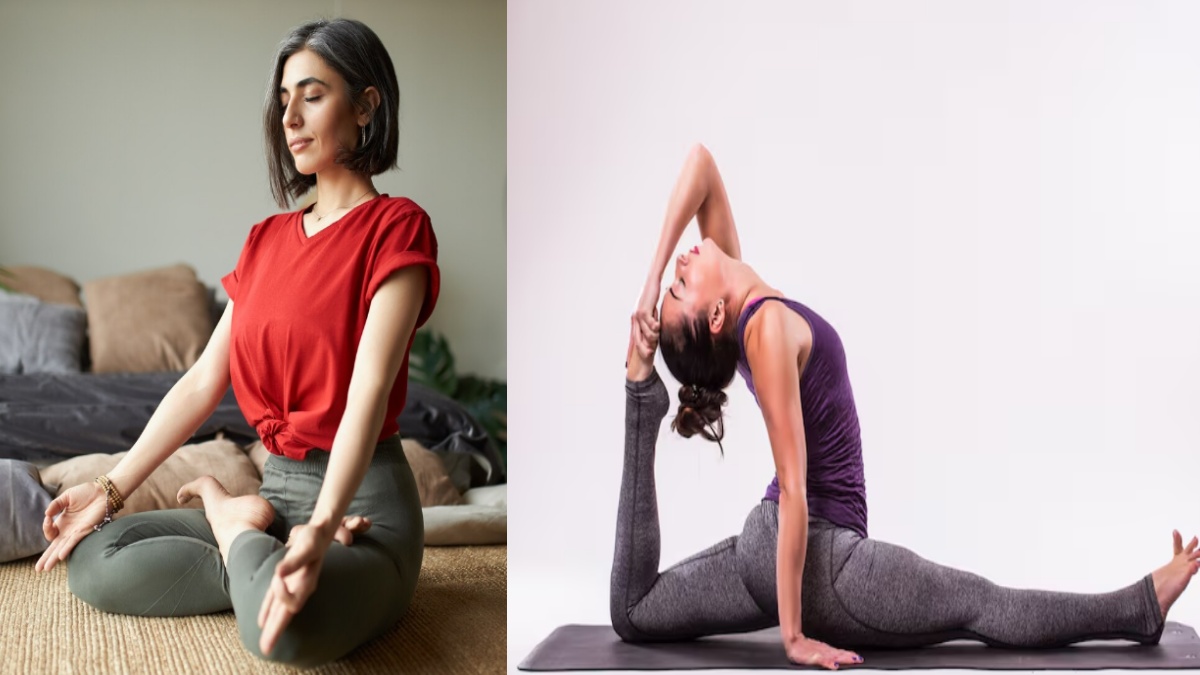
Understanding the difference can help you choose the practice that best suits your goals or incorporate both into a balanced wellness routine.
What Is Yoga
Yoga is a broad discipline that traditionally encompasses physical, mental and contemplative practices. In modern fitness and wellness settings, yoga classes commonly include physical postures, breathing techniques and relaxation.
Related Articles
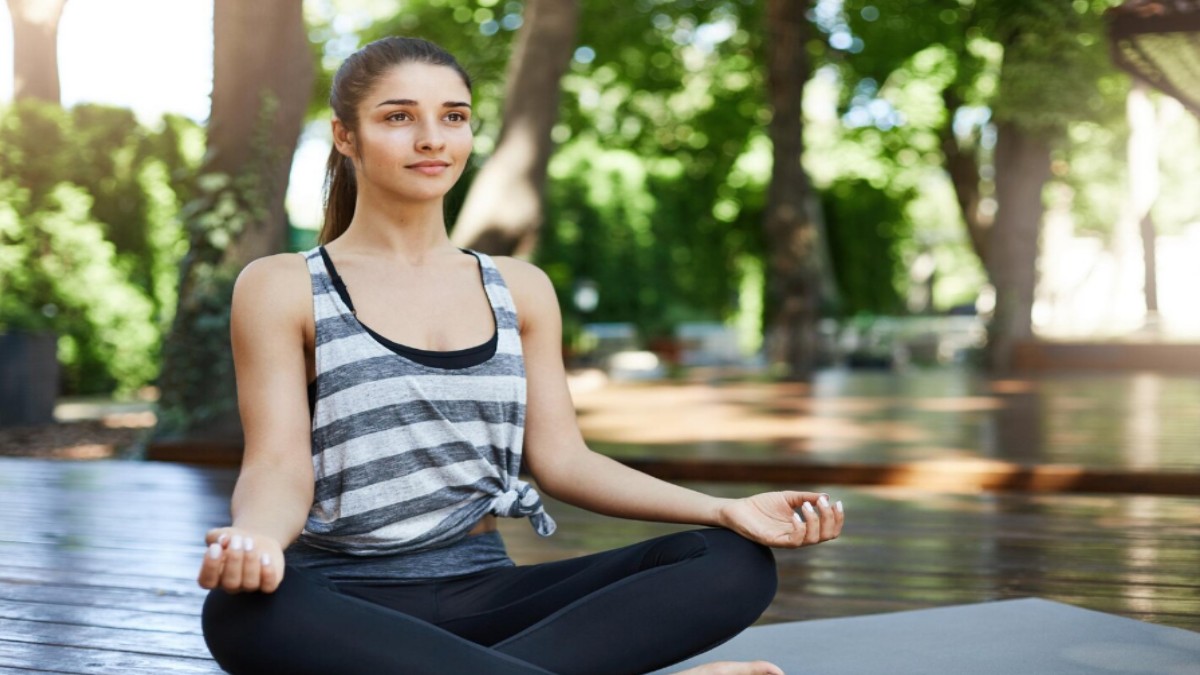
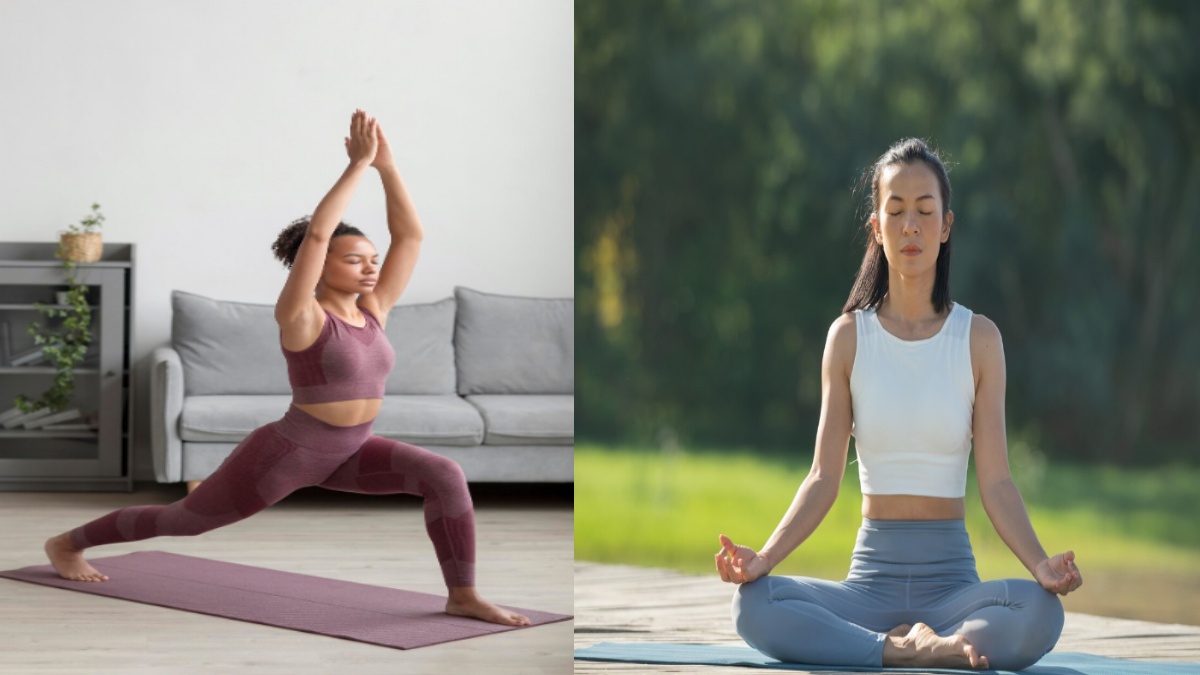
Yoga poses, known as asanas, can involve stretching, balance, strength and controlled movement. Depending on the style, a session can range from gentle and restorative to physically demanding.
Styles such as Hatha, Vinyasa, Ashtanga, Yin and Restorative yoga offer different approaches. Some focus more heavily on movement, while others place greater emphasis on relaxation, breathwork or stillness.
What Is Meditation
Meditation is a practice that involves intentionally directing attention and developing awareness. Depending on the technique, a person may focus on their breathing, bodily sensations, sounds, thoughts, a phrase or an object of attention.
Related Articles
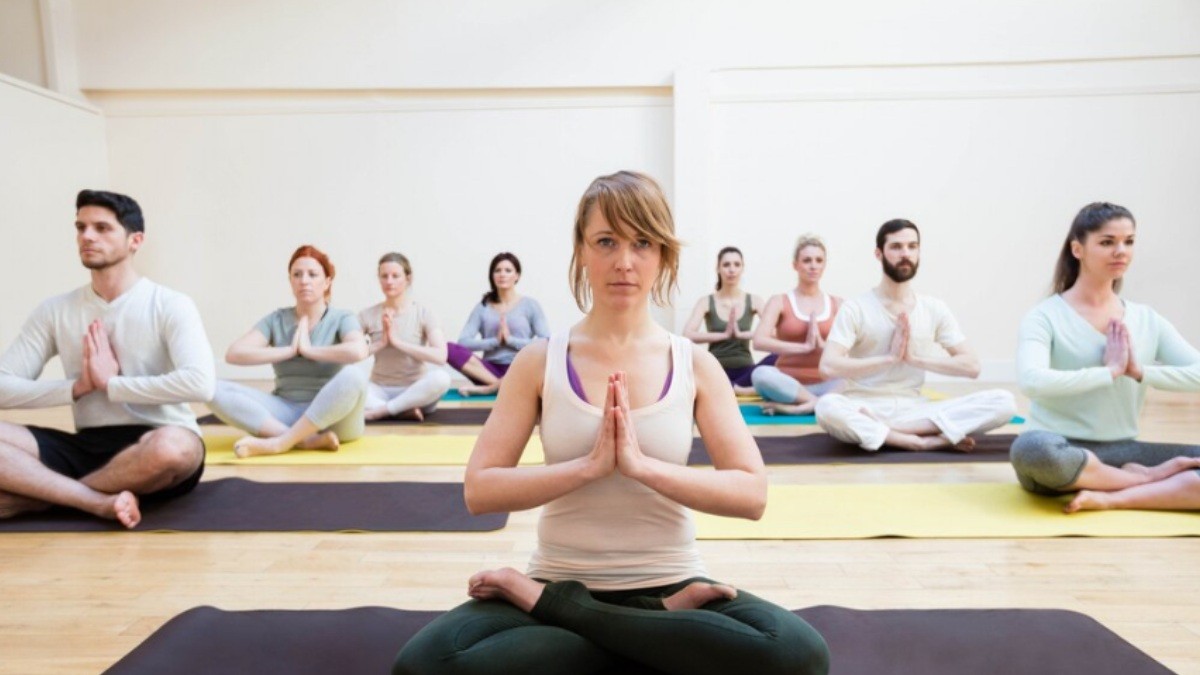
Rather than trying to eliminate thoughts completely, many forms of meditation encourage practitioners to notice thoughts without automatically reacting to them.
Meditation can be practised while sitting, lying down, walking or engaging in other mindful activities. It generally requires little or no equipment, making it accessible in many different settings.
Yoga Often Involves Physical Movement
One of the clearest differences is that many forms of yoga involve physical activity. Yoga can improve flexibility, balance, mobility and muscular endurance when practised consistently and appropriately.
Meditation, on the other hand, does not generally aim to develop physical strength or flexibility. Its primary emphasis is mental attention, awareness and a calm relationship with thoughts and sensations.
That said, meditation can still have an indirect effect on physical well-being by supporting relaxation and stress management.
Meditation Focuses More Directly on the Mind
While yoga can have a strong mental component, meditation places sustained attention and awareness at the centre of the practice.
For example, mindfulness meditation may involve noticing the breath and gently returning attention whenever the mind wanders. Other techniques may involve compassion, visualisation, focused attention or repeating a mantra.
The objective varies depending on the tradition and method, but developing greater awareness is generally an important element.
How Yoga and Meditation Can Work Together
Yoga and meditation do not have to be competing practices. In fact, they can complement each other.
A person might begin with gentle yoga to move the body and release physical tension before spending several minutes in meditation. Breathing exercises can also provide a bridge between physical movement and stillness.
This combination can create a routine that addresses both physical activity and mental relaxation.
Which One Should You Choose
The right choice depends on your personal goals.
If you want to improve flexibility, balance, mobility and physical strength, yoga may be a useful option. If your main goal is to develop attention, mindfulness and relaxation, meditation may be more appropriate.
If you are looking for both physical and mental benefits, incorporating both practices into your routine may be worthwhile.
Beginners do not need to start with long sessions. A short yoga routine followed by five to ten minutes of meditation can be a manageable starting point.
Are Yoga and Meditation Suitable for Everyone
Both practices can often be adapted to different fitness and experience levels. However, yoga poses may need modification for people with injuries, mobility limitations or certain medical conditions.
Meditation is generally low-risk, but sitting for prolonged periods may be uncomfortable for some people, and certain individuals may find that focusing inward brings up difficult emotions. If meditation causes significant distress, consider stopping and discussing your experience with an appropriate healthcare professional.
Yoga should also not be treated as a substitute for medical care when someone has a health condition requiring professional treatment.
Yoga and meditation are closely connected but have different primary focuses. Yoga commonly combines physical postures, breathing and mental awareness, while meditation primarily trains attention, awareness and mental presence.
You do not necessarily have to choose between them. Practising yoga can help you become more comfortable with movement and body awareness, while meditation can provide dedicated time for cultivating attention and calm.
Whether you choose one or both, consistency matters more than perfection. Start with a manageable routine, listen to your body and gradually develop a practice that fits your lifestyle and well-being goals.




Comments 0