
Children’s Pose is one of the simplest and most restorative yoga asanas that everyone should know. In the most relaxing position of restorative yoga pose, Balasana is used as a resting position between challenging poses. The body relaxes by gently stretching the back, hips, thighs, and ankles, and its lower back and hips are gently spread in order to stretch out as the body relaxes. Even if this is the simplest asana, Balasana is a simple one and it is a way to get the mind.
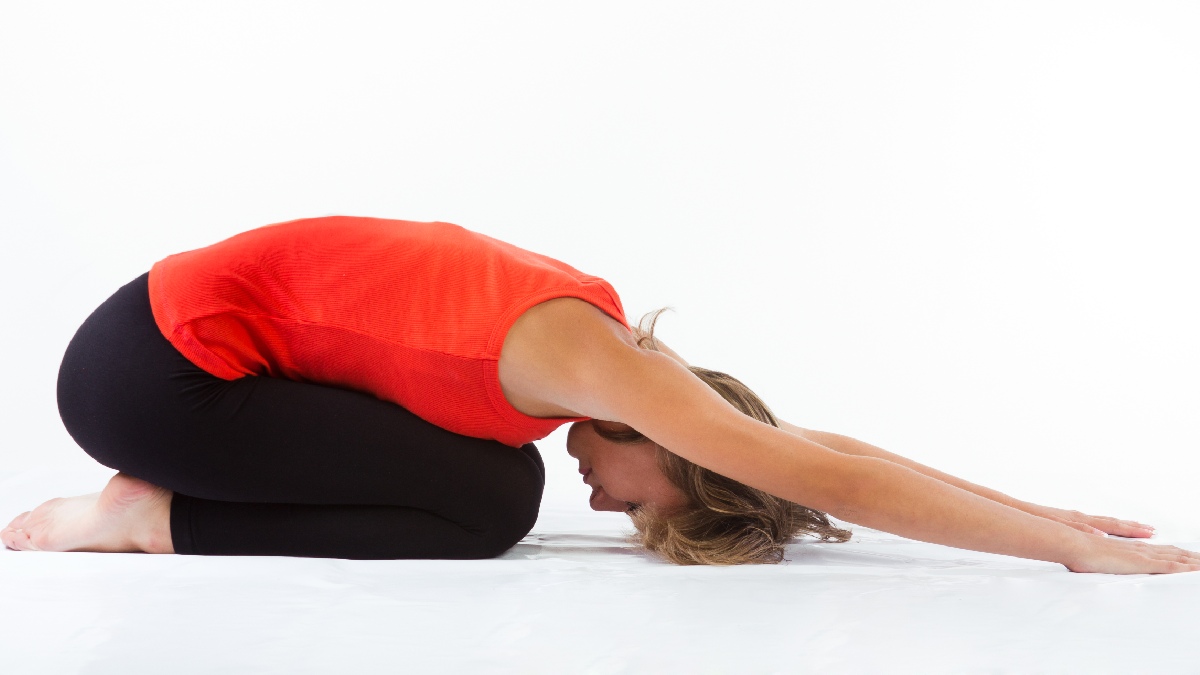
Yoga is a popular way of promoting flexibility, mobility, body awareness, and overall well-being. Balasana is a very beginner-friendly exercise for beginners as it doesn’t require any complex movement or high level of flexibility. It can be incorporated into a yoga practice when you need a moment to slow down, catch your breath, and release tension.
What Is Balasana?
The word Balasana comes from the Sanskrit words "Bala" (child) and "Asana" (pose). The position resembles the natural resting posture of a child, with the hips moving towards the heels and the upper body folding forward.
Related Articles
The knees can remain in place or be slightly separated based on your flexibility and comfort. The arms can be extended forward with the palms facing down, or placed next to the body. The forehead rests gently on the mat or on a yoga block if reaching the floor is painful.
Balasana is often performed in warm-ups, cool-downs, and relaxation periods. It is also used between strenuous yoga poses to give muscles and mind a short recovery period.
How To Do Balasana Correctly
To practice Child’s Pose, you’re going to start on a yoga mat and be kneeling on a yoga mat with your big toes touching your heels. Keep your knees in the same position or keep them together or in a different direction or separate them slightly, as to what is comfortable. Slowly lower your hips down to your knees and move your hips at a lower angle towards your heels.
Related Articles
You next gently fold your upper body forward from the hips and allow your forehead to move towards the mat. Extend your arms in front of you with your palms resting on the floor, or bring your arms alongside your body.
Relax your shoulders, neck, and jaw and do not force your body to go down into the position. Breathe deeply and slowly and hold the pose for 30 seconds to one minute, or longer if it’s comfortable. To come out of the pose, slowly lift your head and upper body and go back to a kneeling position.
7 Health Benefits Of Balasana
1. Helps Relieve Back And Shoulder Tension
Balasana gently lengthens the muscles along the back while letting the shoulders and neck relax. It is especially pleasurable after sitting at a desk or standing for a while. The gentle forward fold can help reduce stiffness and tension when performed without forcing the stretch.
2. Promotes Relaxation And Stress Relief
People commonly perform Child’s Pose, and the most popular reason why is that it’s so soothing. The relaxing, supported position promotes slower breathing and allows the body to rest. And each breath can also help to reduce the stress of day-to-day life and mental fatigue.
3. Supports Flexibility
Regular practice can gradually assist mobility at the hips, thighs, ankles, and lower back. This may make some day-to-day movements and other yoga poses more comfortable over time. But flexibility comes gradually, so the pose should never be forced.
4. Encourages Mindful Breathing
In Balasana, slow, controlled breathing is the focus. When settling into the pose, paying attention to your breath can help in body awareness and a more relaxed breathing pattern.
5. May Support Comfortable Digestion
The forward-folded position allows for a gentle compression of the abdomen. Balasana is not an option for digestive problems, and some people find that relaxing in the pose is soothing when they have mild abdominal discomfort or bloating.
6. Helps Reduce Feelings Of Fatigue
Balasana is not a physically demanding yoga pose, so the body gets to recover. Child’s Pose for a few minutes can feel like a mental and physical rest, which is important in the middle of more active movements.
7. May Support Better Postural Awareness
Balasana gently stretches the back and shoulders and teaches the spinal position. Such a pose alone may not correct poor posture, but working on it in an integrated and well-structured exercise plan, with strengthening and mobility exercises as well, will help promote better movement patterns.
Limitations Of Balasana
Balasana is not for everyone in every situation. It is more of a relaxation and mobility pose than a strength-building exercise; it should be combined with other forms of movement to work on a balanced yoga routine.
People with very tight hips, knees, and ankles may not be comfortable in this position. Folded blankets, cushions, or a yoga bolster can help make it more accessible. People with certain injuries or medical conditions may need to modify or avoid the posture.
Balasana's benefits are also more likely to be derived from consistent, comfortable practice rather than doing the pose once. It should complement, rather than replace, other forms of physical activity and appropriate medical care.
Who Can Practise Balasana?
Balasana can be a useful exercise for beginners, people who are looking for a little stretching, office workers who might be tired, and folks who need a restorative break during yoga. Older adults can also practice a modified version if they can comfortably kneel and bend forward.
What matters the most is comfort. The pose should feel like you are stretching to have a soft stretch and a sense of relaxation and not pain, numbness, or extreme pressure.
Who Should Avoid Or Modify Balasana?
People with recent knee, ankle, or hip injuries should avoid the pose unless a health professional or a qualified yoga instructor has advised that it is appropriate. Those with significant arthritis, serious back injuries, or recent abdominal surgery may also need modifications.
People with severe dizziness or some uncontrolled health problems should seek medical advice before starting yoga. During pregnancy, especially in the later stages, the traditional version may be more uncomfortable. A wider-knee variation with some supportive support is preferable; pregnant women should practice with a qualified prenatal yoga teacher.
Balasana may look simple, but it has the potential to provide a respite from more demanding activities. Child’s Pose can help relieve stress from daily life and encourage mindful breathing and mobility when practiced comfortably and regularly. Just like any yoga practice, listen to your body and stop if you’re hurt or uncomfortable.


Comments 0