
Yoga is increasingly being recognised as a useful activity for school students because it combines physical movement, breathing exercises and mindfulness. School life can involve academic pressure, long hours of sitting, examinations, extracurricular activities and social challenges. Introducing age-appropriate yoga into a student's routine may provide an opportunity to move the body, relax the mind and develop healthy habits.

Unlike highly competitive forms of exercise, yoga can be adapted to different fitness levels. Students do not need to be extremely flexible or athletic to participate. With proper instruction and age-appropriate practices, yoga can become a simple part of a balanced approach to physical and emotional well-being.
Improves Flexibility and Mobility
Many yoga postures involve controlled stretching and movement. Practising these poses regularly can help students develop flexibility and maintain mobility.
Related Articles


This can be particularly useful for children and teenagers who spend considerable time sitting in classrooms, studying or using computers and mobile devices. Gentle movement can help break up long periods of sedentary behaviour.
Supports Strength and Balance
Yoga is not only about stretching. Many poses require students to support their body weight, maintain stable positions and engage different muscle groups.
Standing postures and balance poses can encourage body awareness and coordination. Regular physical activity, including yoga, can contribute to overall fitness when combined with other age-appropriate activities.
Related Articles
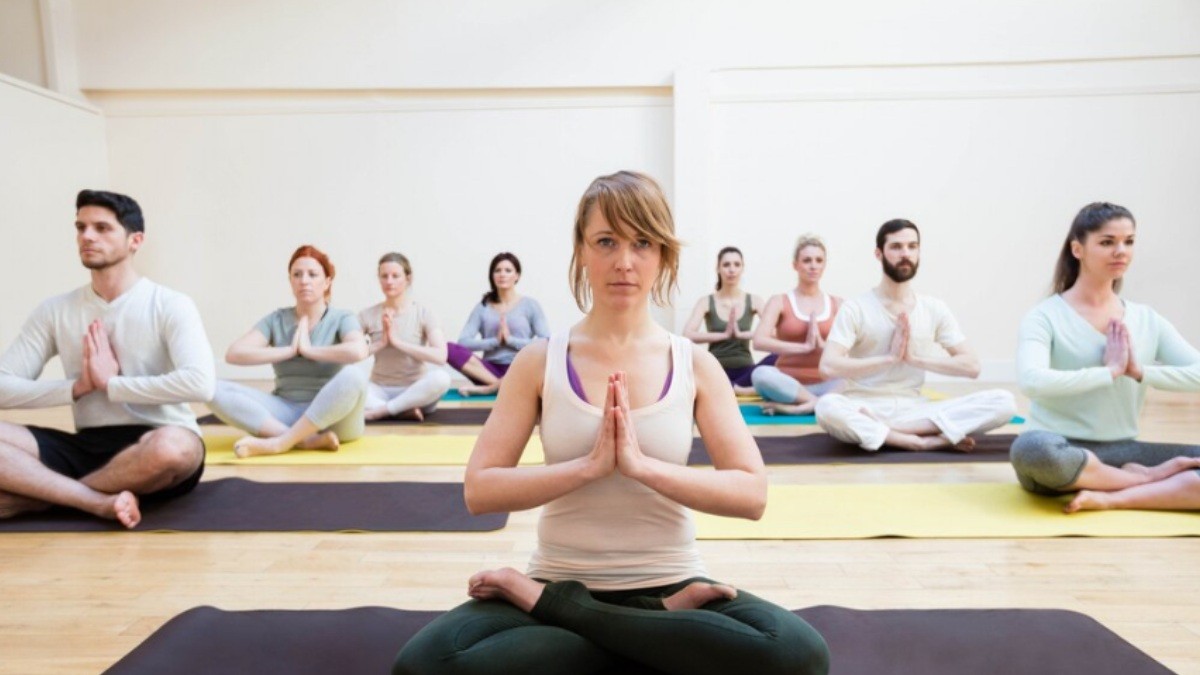

May Improve Concentration
One of the potential benefits of yoga for students is its emphasis on attention and controlled breathing. During a yoga session, students are encouraged to focus on their movements, breathing and body position.
This practice of paying attention to the present moment may help students develop mindfulness skills. These skills can be useful when they return to classroom activities that require sustained attention.
Helps Manage Everyday Stress
School students can experience stress related to examinations, homework, academic expectations, friendships and changes during adolescence. Yoga incorporates slow movements and breathing practices that may promote relaxation.
A short yoga or mindfulness session can provide students with a structured break from academic demands. It should not be considered a replacement for professional support when a child is experiencing significant anxiety or emotional difficulties, but it can be one component of a healthy routine.
Encourages Better Body Awareness
Yoga teaches students to pay attention to how their bodies feel while moving. This can help them recognise differences between tension, relaxation, fatigue and comfortable movement.
Developing body awareness at a young age may encourage students to make healthier choices about posture, activity and rest.
Promotes Healthy Breathing Habits
Breathing exercises are an important component of many yoga practices. Age-appropriate breathing activities can teach students to slow down and become aware of their breathing patterns.
Simple, supervised breathing exercises may also provide a calming activity during transitions or periods of mild everyday stress. More advanced breath-control techniques should be taught by qualified instructors and adapted appropriately for children.
Supports Emotional Well-Being
Yoga can encourage qualities such as patience, self-awareness and self-acceptance. Students learn that progress does not necessarily mean performing the most difficult pose. Instead, the focus can be on learning, practising and listening to the body.
This approach may help reduce unnecessary comparison and encourage a healthier relationship with physical activity.
Can Encourage Healthy Lifestyle Habits
Introducing yoga at school can help students understand that physical activity does not have to be limited to competitive sports. Yoga can be practised at different ages and fitness levels, making it a potentially accessible lifelong activity.
When combined with adequate sleep, nutritious food, outdoor activity and sufficient rest, yoga can contribute to a broader healthy lifestyle.
Yoga Can Be Incorporated Into the School Day
Schools can introduce short, age-appropriate yoga sessions during physical education classes, activity periods or wellness programmes. Even a brief session involving gentle stretches, simple poses and relaxation can provide students with an opportunity to move and reset.
Teachers and instructors should ensure that practices are suitable for the students' ages and abilities. Yoga should never be used as punishment or forced in a way that causes discomfort.
Safety Should Come First
Although yoga is generally considered a low-impact physical activity, injuries can occur when poses are performed incorrectly or pushed beyond a student's comfortable range of motion. Children should not be pressured to achieve advanced flexibility or imitate difficult poses.
Qualified instruction, appropriate modifications and attention to individual limitations are important, especially for students with existing medical or musculoskeletal concerns.
Yoga can offer school students benefits that extend beyond physical flexibility. Through movement, balance, breathing and mindfulness, it may support physical fitness, concentration, body awareness and stress management. It can also introduce children to healthy practices that they may continue into adulthood.
The goal should not be perfection or difficult poses. Instead, school yoga should be enjoyable, inclusive and age-appropriate, giving students an opportunity to move their bodies, slow down and develop greater awareness of themselves. When incorporated thoughtfully alongside regular physical activity and appropriate healthcare, yoga can be a valuable part of a student's overall wellness routine.




Comments 0