
High school can be an exciting stage of life, but it can also bring academic pressure, social challenges, changing routines and concerns about the future. Students may spend long hours studying, sitting in classrooms or using digital devices, leaving limited time for physical activity and relaxation.
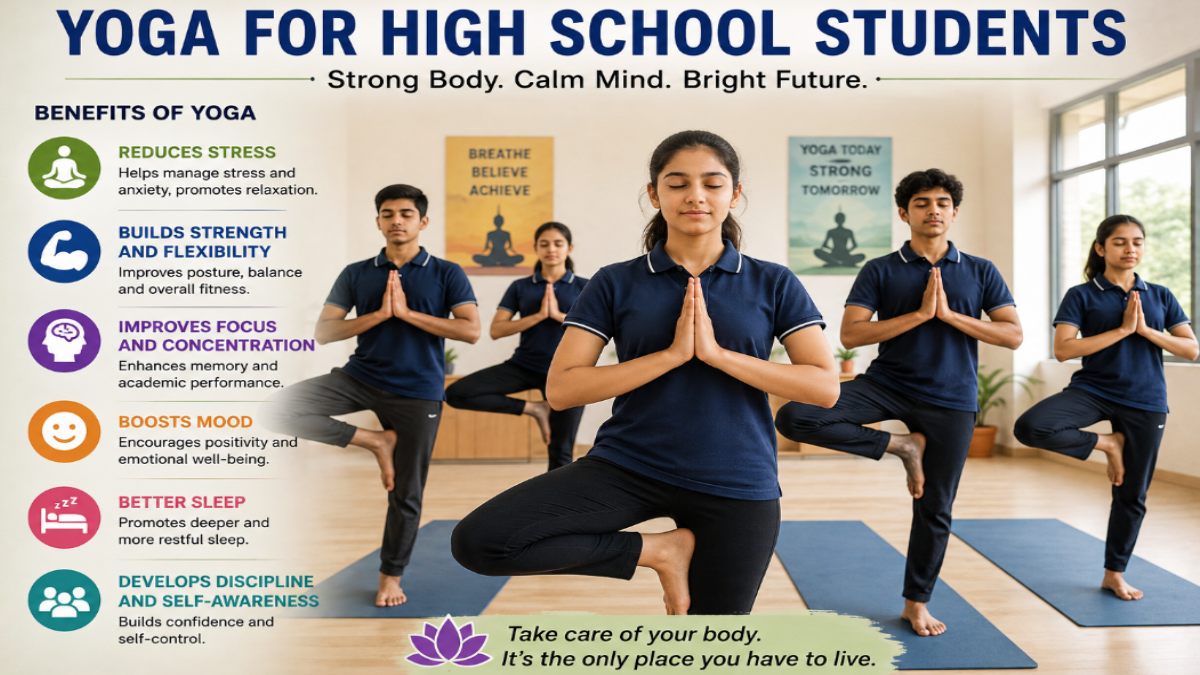
Yoga can provide a practical way to combine movement, breathing exercises and mindful attention. When taught appropriately for their age and physical abilities, yoga may offer high school students benefits that extend beyond the yoga mat.
Yoga Can Improve Flexibility
One of the most familiar benefits of yoga is improved flexibility. Many yoga postures involve controlled stretching that encourages students to move different parts of the body through a comfortable range of motion.
Related Articles
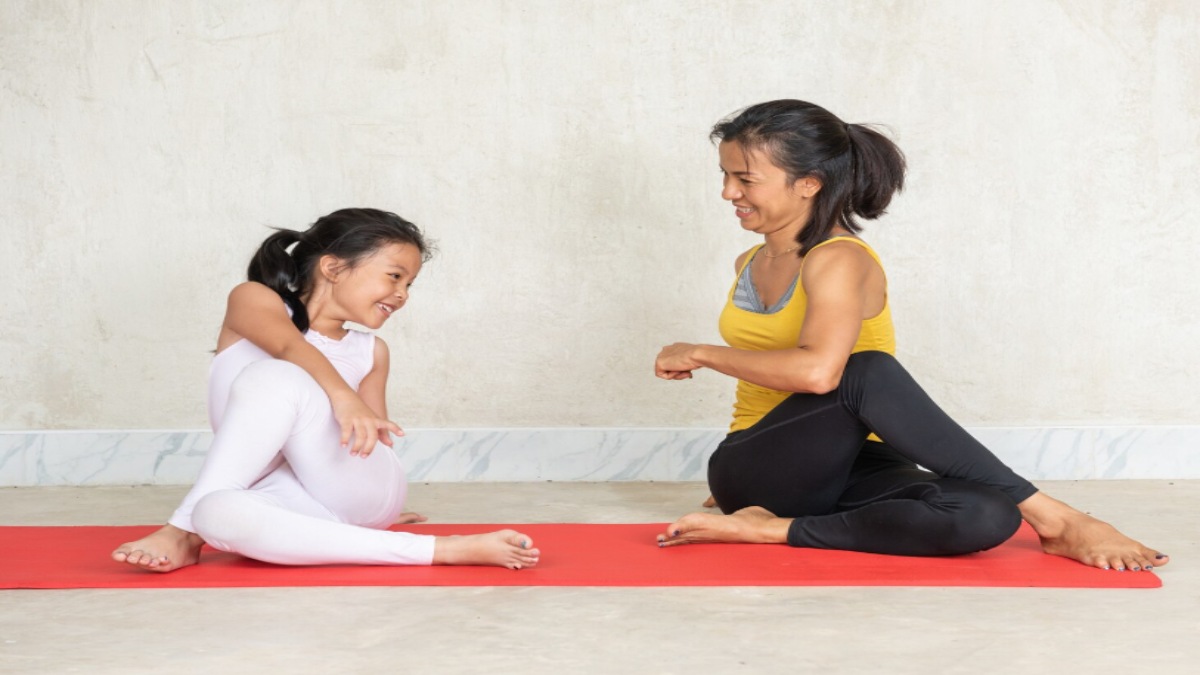

Flexibility can be useful during adolescence, particularly for students who spend significant portions of the day sitting at desks. Gentle movement can help students become more aware of stiffness and posture while encouraging regular physical activity.
Yoga should always be practised without forcing the body into painful positions. Students have different levels of flexibility, and progress should be individual rather than competitive.
It Can Build Strength and Balance
Yoga is not only about stretching. Many postures require students to support their own body weight and maintain control while holding a position.
Related Articles
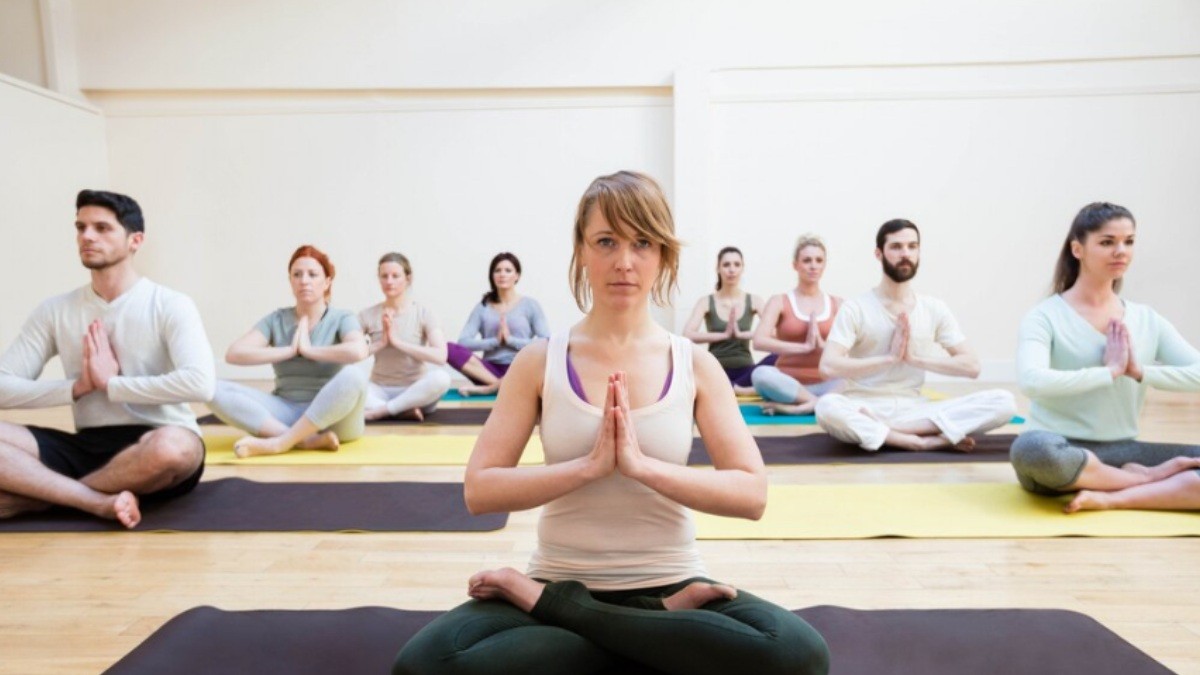
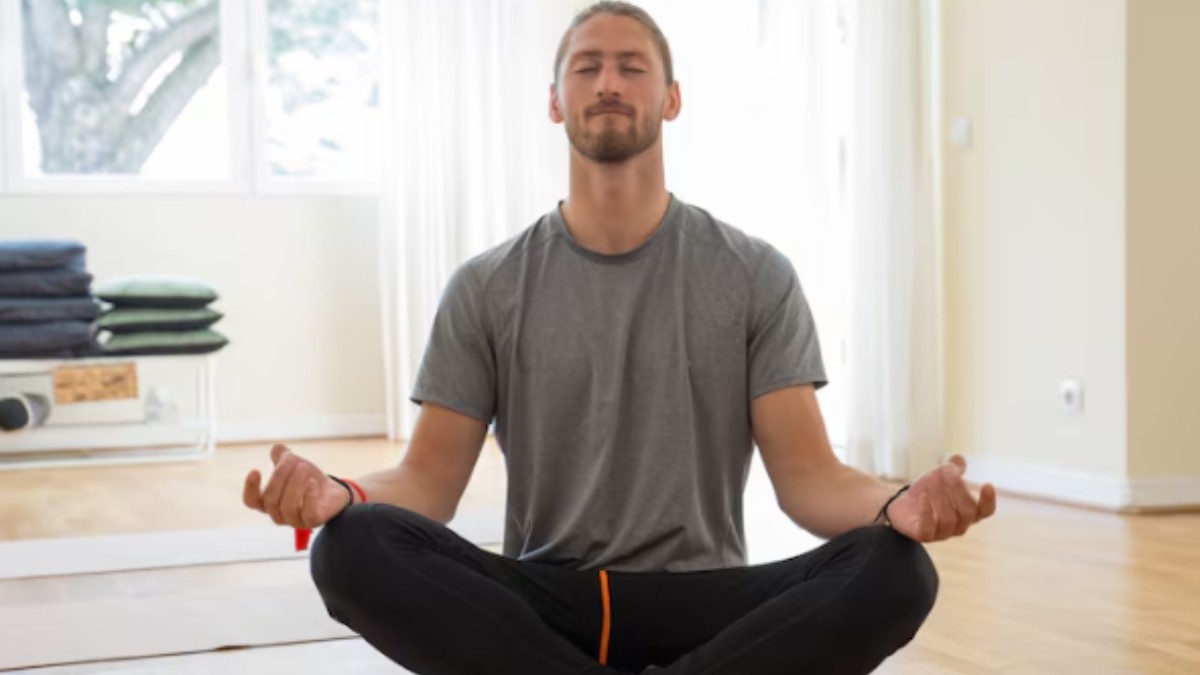
Standing poses, balance exercises and certain weight-bearing movements can challenge muscles throughout the body. Regular physical activity that develops strength and balance can complement other sports and forms of exercise.
For students who are less interested in competitive athletics, yoga can provide another way to become physically active without focusing on winning or performance.
Yoga May Help Students Manage Stress
Academic workloads, examinations, extracurricular activities and social pressures can all contribute to stress during high school.
Yoga often combines movement with controlled breathing and periods of focused attention. These practices may help students develop strategies for pausing and becoming more aware of how they are feeling.
A short yoga session during a busy school day may provide a structured break from academic work. It should not be presented as a cure for anxiety or other mental health conditions, but it can form part of a broader approach to student wellbeing.
Students experiencing persistent or severe emotional distress should have access to qualified mental health support.
Breathing Exercises Can Encourage Calm
Breathing is an important part of many yoga practices. Simple, age-appropriate breathing exercises can encourage students to notice the connection between breathing, attention and physical sensations.
For example, taking a few slow, comfortable breaths before an examination or presentation may help a student pause and regain focus.
Teachers should avoid forcing students into advanced breathing techniques. Simple and comfortable practices are generally more appropriate in school settings.
Yoga May Support Concentration
High school students are expected to manage multiple tasks, from lessons and homework to extracurricular commitments. Maintaining attention can be challenging, particularly when students are surrounded by constant digital stimulation.
Yoga and mindfulness activities involve intentionally directing attention toward movement, breathing or body sensations. With regular practice, students may become more familiar with the process of noticing distraction and bringing attention back to the present task.
This does not mean yoga automatically improves academic performance, but developing mindful attention can be a useful complement to effective study habits.
It Can Encourage Better Body Awareness
Adolescence is a period of significant physical change. Students may become highly self-conscious about their appearance or physical abilities.
Yoga can encourage a different relationship with the body by emphasising awareness, movement and personal progress rather than comparison.
A supportive yoga environment should make it clear that students do not need to look a certain way or achieve advanced poses. The focus can remain on comfortable movement, coordination and learning to listen to the body.
Yoga Can Complement Physical Education
Yoga does not need to replace traditional physical education. Instead, it can complement activities such as running, swimming, team sports, strength training and dance.
Its low-equipment nature can also make it convenient for schools. Depending on the space available, yoga sessions may take place in a gym, classroom or outdoor area.
A balanced physical education programme can expose students to different forms of movement so they can discover activities they enjoy and may continue into adulthood.
It May Encourage Healthy Habits
Introducing students to yoga can also open conversations about broader health habits. Teachers can connect movement with concepts such as recovery, sleep, hydration, nutrition and managing screen time.
The goal should not be to make teenagers overly focused on appearance or weight. Instead, physical education should encourage strength, functional fitness, confidence and healthy relationships with movement.
Yoga Should Be Inclusive
Not every student will enjoy yoga, and participation should be approached sensitively. Some students may have injuries, medical conditions or physical limitations that require modifications.
Instructors should offer alternatives and avoid forcing students into uncomfortable movements. Yoga programmes in public schools should also be presented in an age-appropriate and inclusive manner, with respect for different cultural and religious backgrounds.
A Simple Start for Students
A beginner-friendly school yoga session might include gentle warm-ups, standing movements, balance exercises, stretching, comfortable breathing and a brief period of relaxation.
Sessions do not need to be extremely long to introduce students to these ideas. Consistency, qualified instruction and a supportive environment are more important than complicated poses.
Yoga can be a valuable addition to high school physical education and student wellbeing programmes. Its combination of movement, flexibility, balance, breathing and mindful attention offers students a different approach to staying active and managing everyday pressures.
The greatest value may come from teaching students that physical activity does not always have to be competitive. Yoga can help them explore movement at their own pace while developing greater awareness of their bodies and the importance of taking care of their overall wellbeing.
When taught safely and appropriately, yoga can complement—not replace—other forms of exercise and can become one more healthy tool students carry with them beyond their school years.




Comments 0