
When you start your day with a morning yoga routine, it is one of the best ways to wake up the body and mind in the morning. Yoga combines physical movement, controlled breathing, and mindfulness to help you feel fresh, energized, and focused before beginning your day.
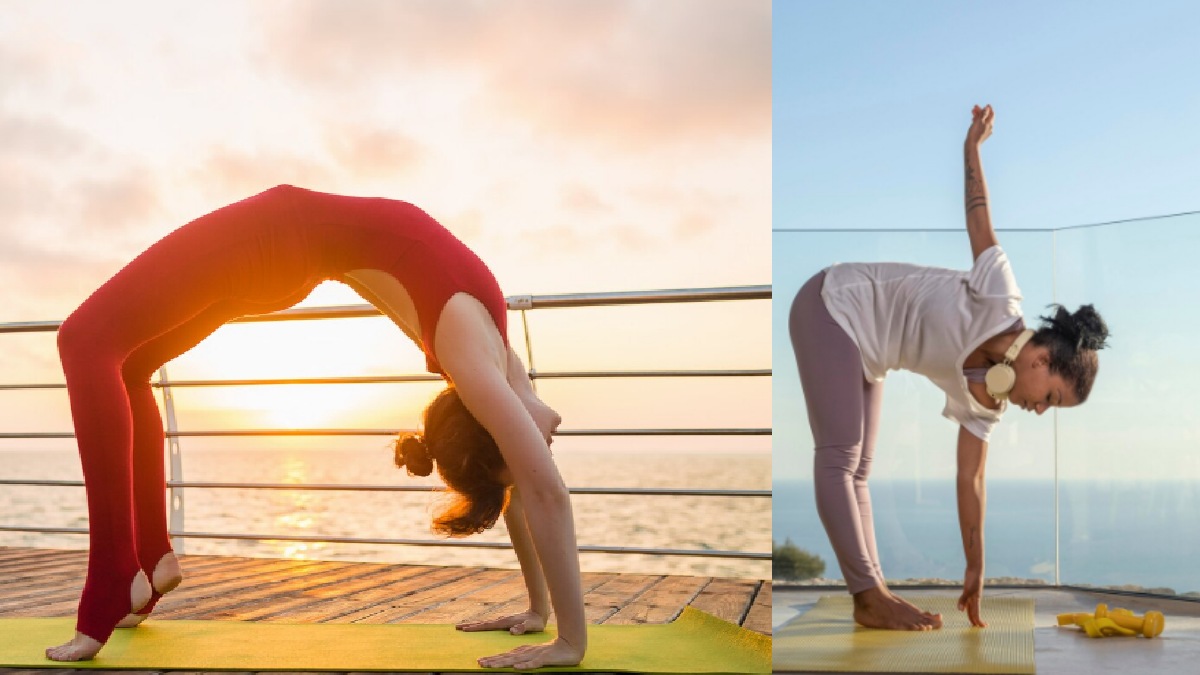
For a beginner or experienced yoga practitioner, 15–30 minutes at some point of the day (or even at least 3-5 minutes) will be good for you physically and mentally so that you are not tired and will be positive for the rest of the day.As opposed to a workout that seems very intense when you first wake up in the morning, yoga gently prepares muscles and joints for movement and promotes relaxation and mental clarity.
Morning yoga has many physical and mental health benefits, including:
- Increases flexibility and improves posture
- Boosts blood circulation and oxygen flow
- Enhances balance and coordination
- Reduces stress and promotes emotional well-being
- Improves concentration and mental focus
- Helps relieve stiffness after waking up
- Supports healthy digestion and metabolism
- Encourages mindful breathing and relaxation
Yoga is also associated with better sleep quality and overall fitness.
Related Articles
Prepare Before You Begin
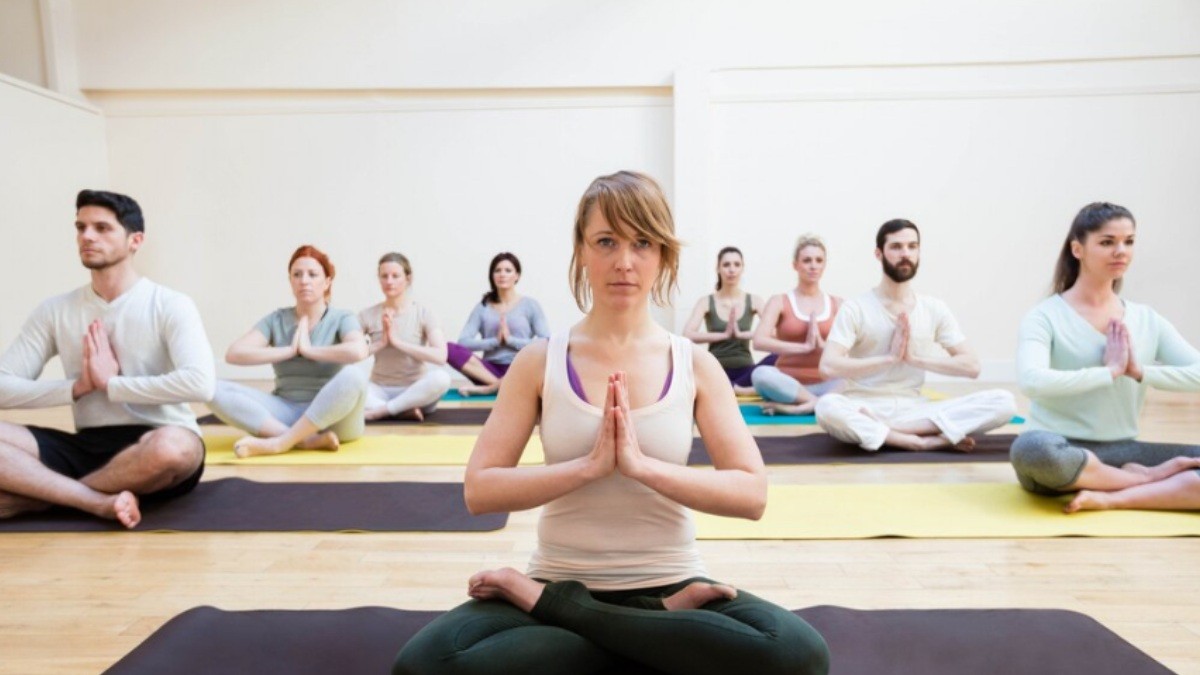
To get the most from your morning yoga session:
- A quiet, well-ventilated space will be needed
- Wear comfortable clothing that allows free movement
- You need to have a yoga mat for stability and practice yoga on an empty stomach or two hours after a meal
- You will have a bottle of water to drink after the session to keep you hydrated
Begin with a few moments of deep breathing to center yourself and prepare mentally.
Step 1: Deep Breathing (2–3 Minutes)
Sit comfortably with your spine straight and shoulders relaxed.
Related Articles
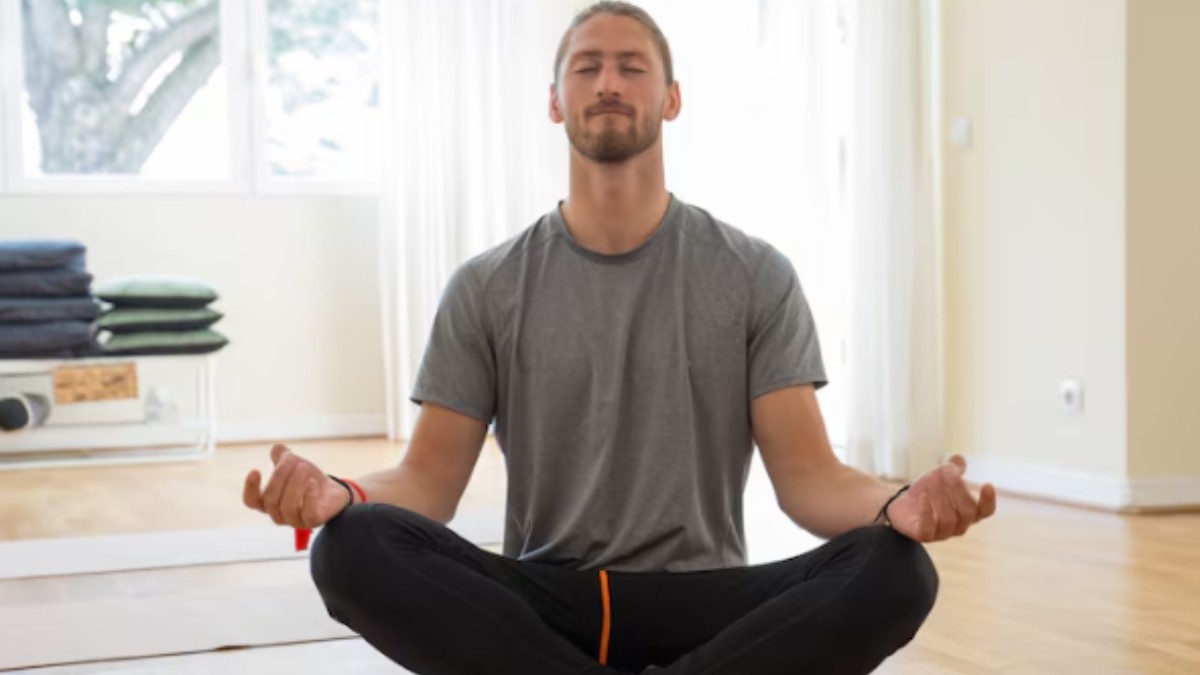
- Inhale slowly through your nose
- Exhale gently through your nose
- Focus on your breathing while letting go of distractions
Deep breathing helps calm the nervous system and improves oxygen delivery throughout the body.
Step 2: Neck and Shoulder Stretches (3 minutes)
Gently stretch your neck and shoulders to release overnight stiffness.
- Slowly tilt your head from side to side
- Rotate your shoulders forward and backward
- Stretch your arms overhead and lengthen your spine
These simple movements improve flexibility and prepare your upper body for the rest of the routine.
Step 3: Cat-Cow Pose (Marjaryasana-Bitilasana)
The Cat-Cow stretch warms up the spine and increases mobility.
- Begin on your hands and knees
- Inhale while arching your back and lifting your head (Cow Pose)
- Exhale while rounding your spine and tucking your chin (Cat Pose)
Repeat this sequence for 8–10 slow breaths.
Step 4: Downward-Facing Dog (Adho Mukha Svanasana)
This classic yoga pose stretches the entire body.
Benefits include:
- Lengthens the spine
- Stretches hamstrings and calves
- Strengthens arms and shoulders
- Improves blood circulation
Hold the pose for 30–60 seconds while breathing steadily.
Step 5: Surya Namaskar (Sun Salutation)
Surya Namaskar is one of the best morning yoga sequences. It integrates various poses into one movement that warms the entire body up.
A few rounds can help:
- Improve flexibility
- Increase heart rate gently
- Build strength
- Enhance coordination
- Promote better energy levels
Beginners can start with 3–5 rounds, gradually increasing as they become more comfortable.
Step 6: Warrior Pose (Virabhadrasana)
Warrior Pose builds strength and stability.
Benefits include:
- Strengthens the legs
- Improves balance
- Opens the hips and chest
- Builds confidence and endurance
Hold each side for about 30 seconds.
Step 7: Tree Pose (Vrikshasana)
Tree Pose develops balance and concentration.
Stand on one leg while placing the opposite foot against your inner calf or thigh (avoid placing it directly on the knee). Bring your hands together in front of your chest or overhead.
Hold for 20–30 seconds on each side.
Step 8: Child's Pose (Balasana)
After completing standing poses, rest in Child's Pose.
This gentle posture:
- Relaxes the back
- Releases tension
- Encourages deep breathing
- Calms the mind
Stay in the pose for one to two minutes.
Step 9: Final Relaxation (Savasana)
End your practice with Savasana.
Lie comfortably on your back with your arms resting by your sides and your eyes closed. Focus on slow, natural breathing and allow your body to completely relax for 5–10 minutes.
This final relaxation helps your body absorb the benefits of your practice and promotes mental clarity before starting your day.
A morning yoga routine is a simple yet powerful way to improve your physical and mental well-being. From gentle stretches and breathing exercises to Surya Namaskar and balancing poses, yoga helps increase flexibility, strengthen muscles, reduce stress, and boost energy for the day ahead.
Even spending 15–30 minutes each morning on yoga can make a meaningful difference over time. With regular practice, you'll likely notice improved posture, greater focus, better mobility, and a calmer mindset helping you greet each day with confidence and positivity.




Comments 0