
Diabetes management often involves a combination of healthy eating, regular physical activity, medication when prescribed and routine monitoring. Yoga can be a useful addition to this lifestyle because it combines movement, balance, flexibility and relaxation.
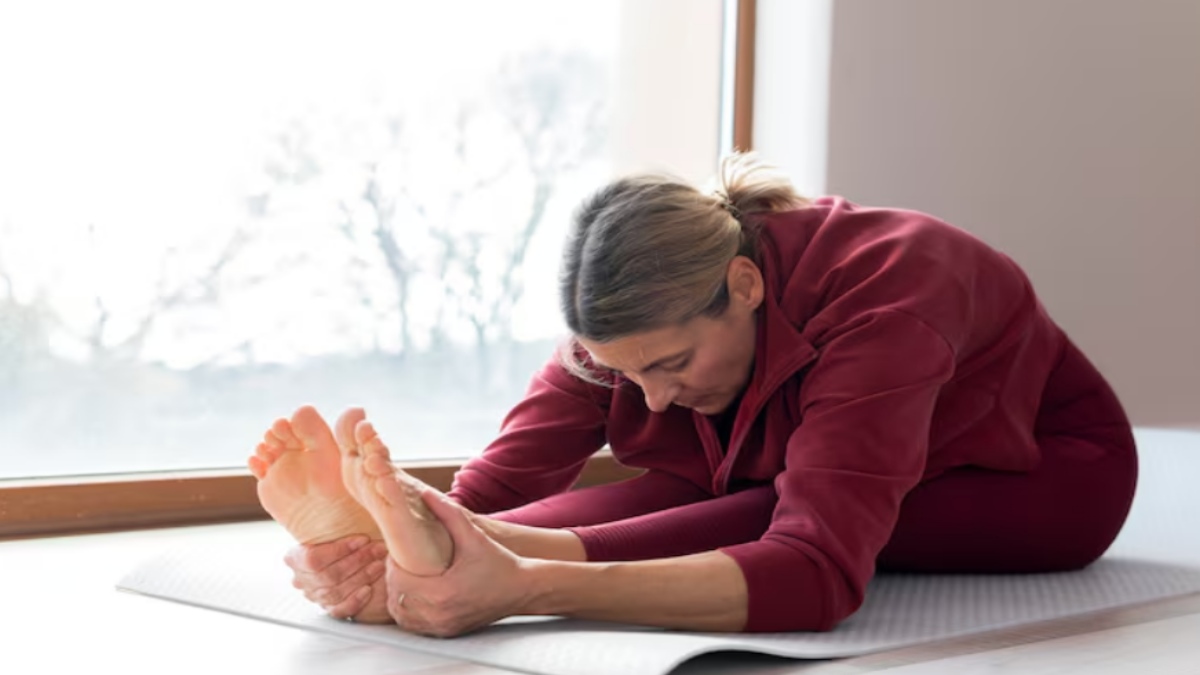
But is there one particular yoga pose that is best for diabetes, The answer is no single pose can replace medical treatment or guarantee better blood sugar levels. Instead, a consistent yoga practice may complement a diabetes management plan, particularly when it encourages regular physical activity and stress reduction.
For people with diabetes, gentle and moderate forms of yoga may be appropriate, depending on fitness level, age, medications and existing health conditions.
Related Articles

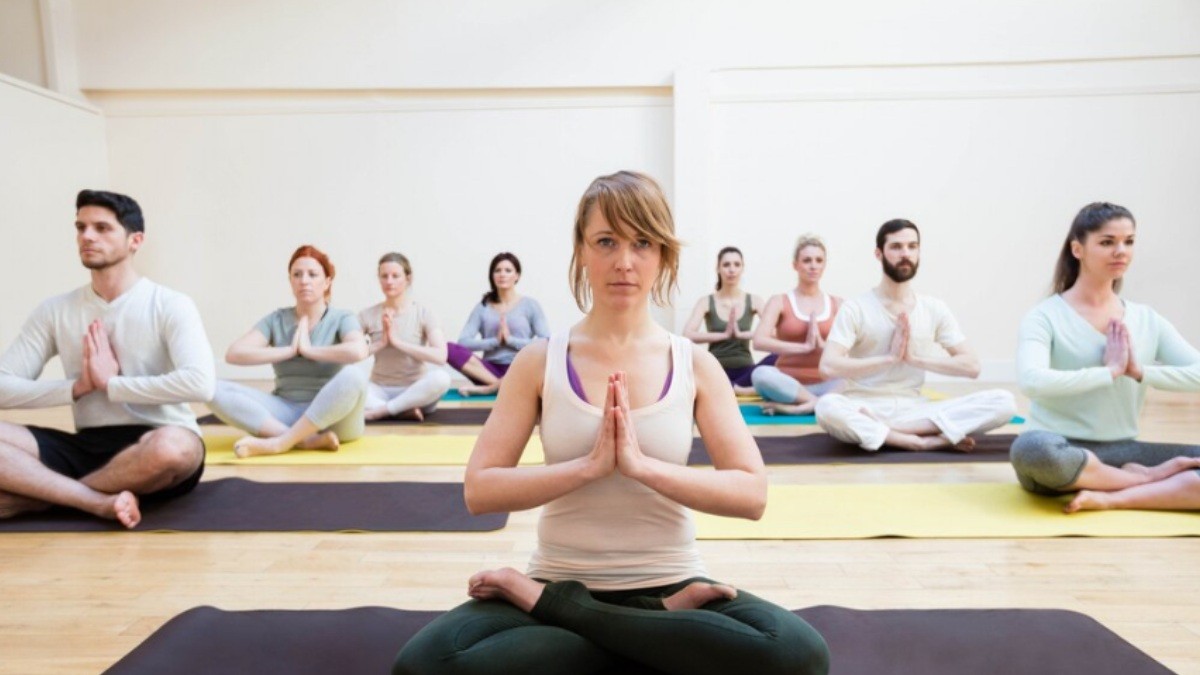
1. Surya Namaskar
Surya Namaskar, or Sun Salutation, is a sequence of yoga movements that can provide a more active form of exercise.
The sequence involves several postures performed continuously, which can increase physical activity and engage different muscle groups. People who are new to yoga should learn the movements gradually and modify them when necessary.
If you have diabetes-related complications affecting your eyes, feet, heart or joints, ask your healthcare professional whether vigorous sequences are appropriate for you.
Related Articles
2. Vajrasana
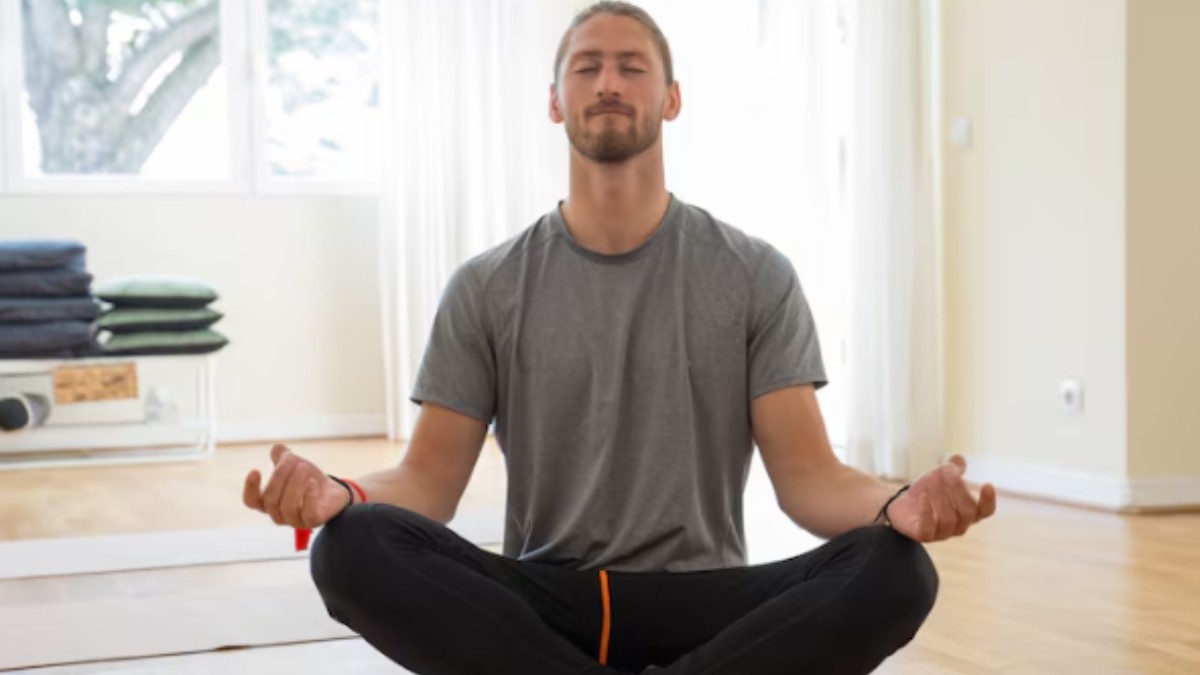
Vajrasana is a kneeling posture that is often included in gentle yoga and meditation practices.
It requires relatively little movement and can be used as part of a relaxation routine. Because it places pressure on the knees and ankles, however, it may not be comfortable for everyone.
People with joint problems should avoid forcing the position and can use a cushion or choose a different posture.
3. Bhujangasana
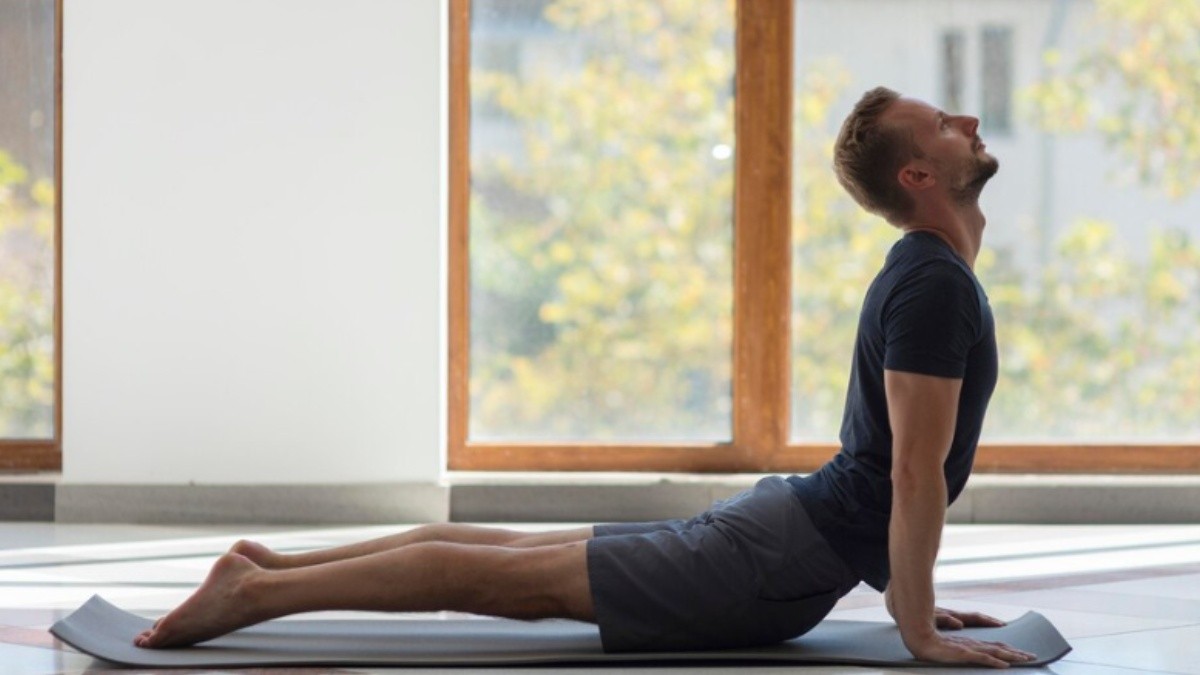
Bhujangasana, or Cobra Pose, involves lifting the chest while lying on the stomach. It can help develop spinal mobility and stretch the front of the body.
The posture should be performed gently without forcing the lower back. Anyone with significant back problems should seek professional guidance before adding it to their routine.
4. Trikonasana
Trikonasana, or Triangle Pose, combines standing, stretching and balance.
It engages several muscle groups and encourages body awareness. Using a yoga block can make the pose more accessible and reduce the need to reach toward the floor.
Good alignment is more important than trying to achieve a deep stretch.
5. Setu Bandhasana
Bridge Pose, or Setu Bandhasana, involves lying on the back and lifting the hips.
It can strengthen and engage muscles in the lower body while providing a controlled movement. Beginners should practise the pose slowly and avoid holding their breath.
6. Gentle Twists
Gentle seated or lying twists can be incorporated into a yoga routine to improve mobility and encourage relaxation.
There are many exaggerated claims online about twisting poses directly “massaging” the pancreas or curing diabetes. These claims are not supported by strong scientific evidence.
The more realistic benefit is that gentle yoga can contribute to overall physical activity, flexibility and stress management.
7. Pranayama and Relaxation
Breathing exercises are another important part of yoga. Slow, comfortable breathing can promote relaxation and may help people manage stress.
Stress can affect blood glucose levels through hormonal changes, so stress management is relevant to diabetes care. However, breathing exercises should complement not replace appropriate diabetes treatment.
Avoid forceful or prolonged breath-holding practices unless you have been properly instructed and your healthcare professional considers them suitable.
How Can Yoga Help People With Diabetes
Yoga may support diabetes management in several ways. Regular physical activity helps improve overall fitness and can contribute to better insulin sensitivity and glucose regulation.
Yoga may also help with stress, sleep, mobility and body awareness. These benefits can indirectly support healthier lifestyle habits.
Some studies have reported improvements in blood glucose measures among people practising yoga, but research varies in quality and the effects should not be interpreted as proof that yoga alone can treat diabetes.
For people with type 2 diabetes, yoga is best considered one component of a broader lifestyle plan.
Safety Tips for People With Diabetes
People with diabetes should take a few precautions when exercising.
If you use insulin or certain glucose-lowering medications, physical activity can sometimes cause blood sugar to fall too low. Ask your healthcare team whether you need to check your glucose before or after exercise and what precautions you should take.
Stay hydrated and carry a source of rapidly absorbed carbohydrate if your healthcare professional has advised you to do so for hypoglycaemia.
Wear appropriate footwear when needed and check your feet regularly, particularly if you have reduced sensation or other diabetes-related foot problems.
Stop exercising if you feel dizzy, unusually weak, confused, short of breath or unwell.
How Often Should You Practise
Consistency is generally more important than doing an intense yoga session occasionally.
Beginners can start with short, gentle sessions and gradually increase duration and intensity as their fitness improves. Combining yoga with other forms of physical activity, such as walking, cycling or strength training, can provide a more complete exercise routine.
If you have been inactive for a long time or have diabetes-related complications, discuss your exercise plan with your healthcare professional before starting.
Can Yoga Cure Diabetes
No. Yoga should not be promoted as a cure for diabetes.
Diabetes is a medical condition that may require medication, monitoring, nutrition changes and other forms of treatment. Stopping prescribed medication or replacing medical care with yoga can be dangerous.
Yoga can instead be used as a supportive lifestyle activity alongside the treatment plan recommended by your healthcare team.
There is no single “best” yoga pose for diabetes. Surya Namaskar, Trikonasana, Bhujangasana, Setu Bandhasana, gentle yoga movements and relaxation practices may all have a place in an appropriate routine.
The biggest potential benefit comes from practising regularly and combining yoga with a balanced diet, appropriate exercise, adequate sleep and prescribed diabetes care.
If you have diabetes, choose a yoga routine that matches your abilities and health needs, and speak with your healthcare professional before beginning a new exercise programme particularly if you have complications or take medicines that can cause low blood sugar.




Comments 0