
Creating a yoga class project can be an engaging way to explore yoga while developing knowledge about physical movement, breathing, mindfulness and overall wellbeing. Whether the project is being prepared for a school assignment, community programme, fitness initiative or personal learning experience, successful planning is important.
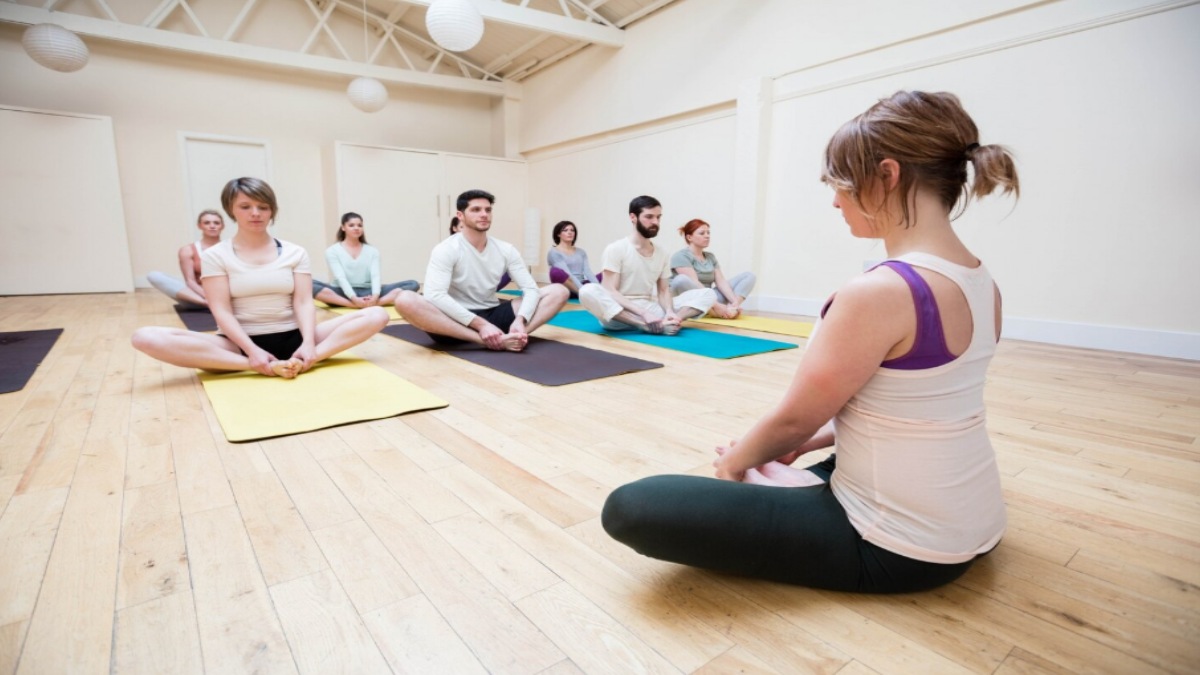
A well-designed yoga class should have a clear purpose, an appropriate sequence of activities and enough flexibility to accommodate different abilities. It should also create an environment where participants feel comfortable learning at their own pace.
1. Define the Purpose of the Class
The first step in creating a yoga class project is deciding what the session is intended to achieve. A class might focus on flexibility, relaxation, balance, strength, stress management, mindfulness or general fitness.
Related Articles
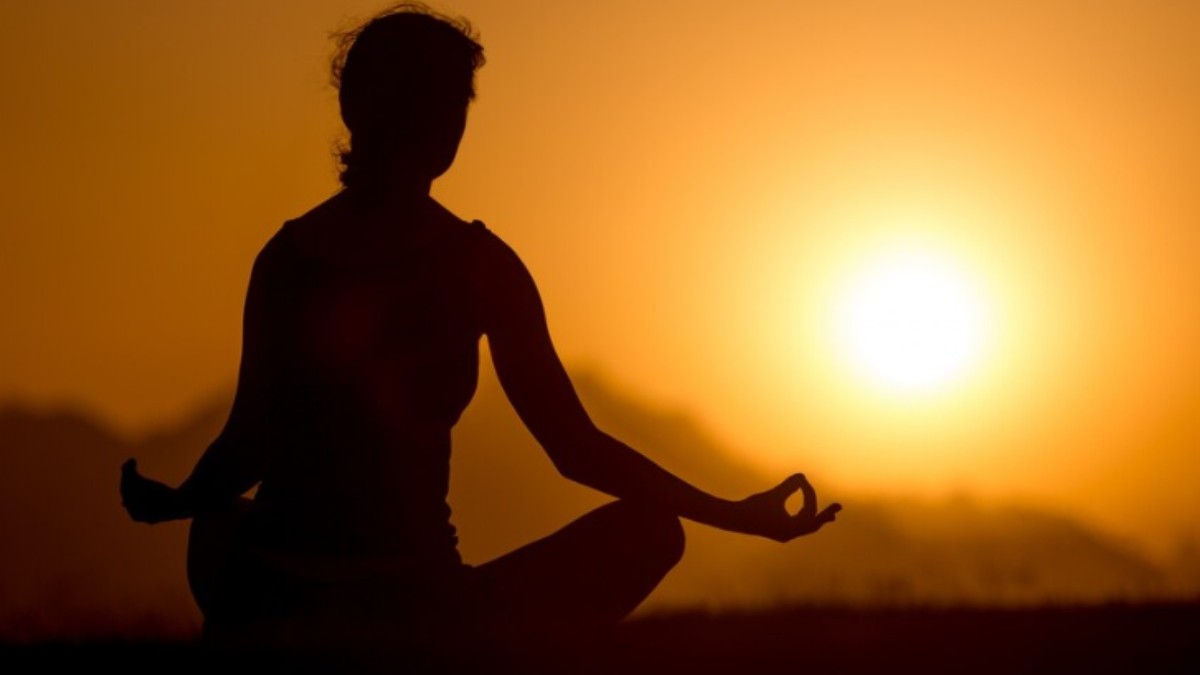
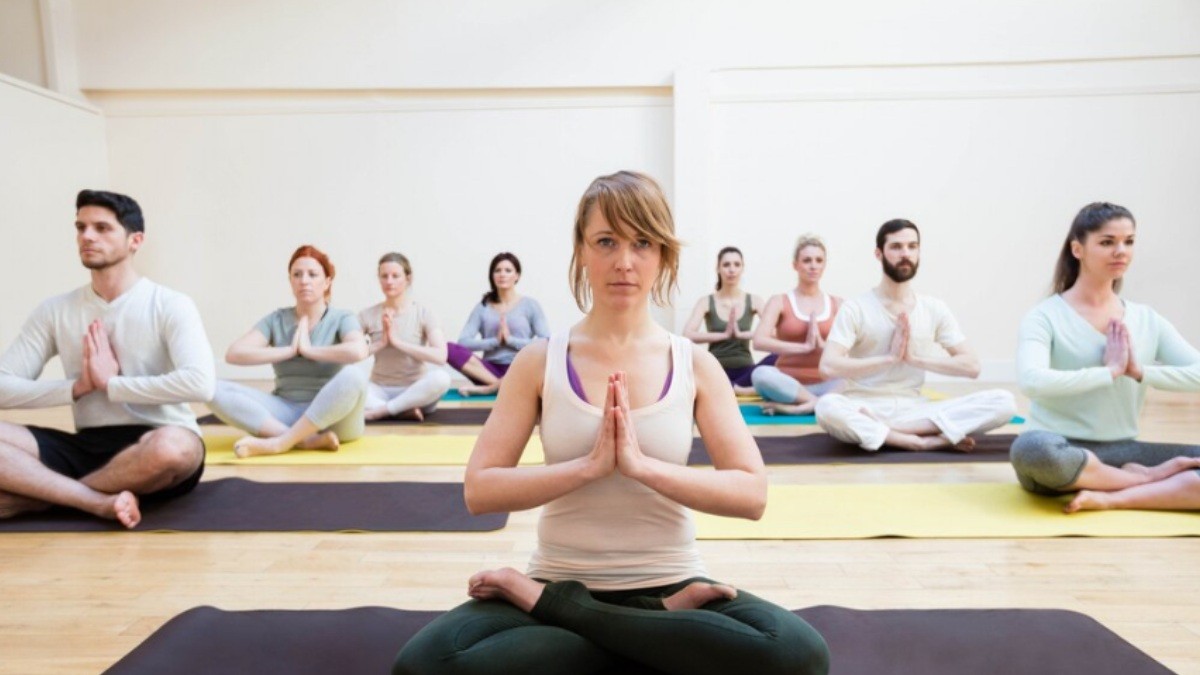
The objective should influence the choice of poses, breathing exercises and relaxation techniques. For example, a beginner-friendly class may focus on basic postures and body awareness rather than advanced poses.
A clear objective also makes it easier to evaluate whether the project has achieved its intended outcome.
2. Understand the Participants
A yoga class should be designed around the people who will attend it. Consider their age, experience level, physical abilities and general fitness.
Related Articles
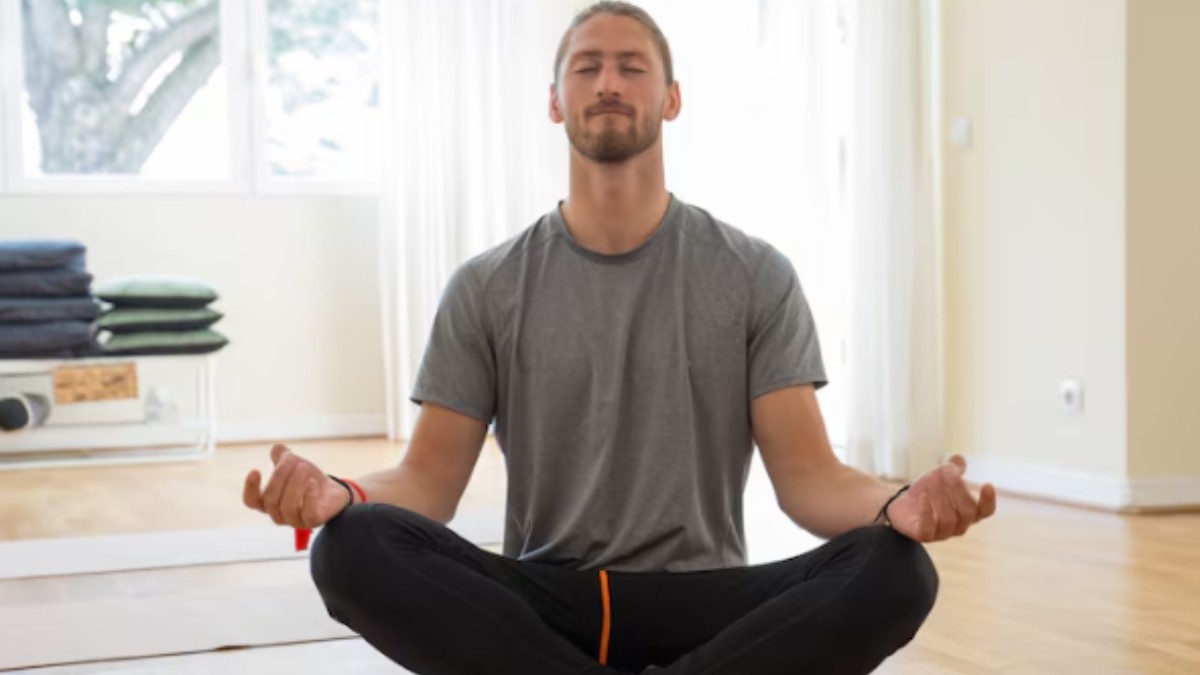

A class for beginners should introduce poses gradually and explain basic alignment. A session for experienced practitioners may include more challenging variations, provided they are taught safely.
Understanding the participants also helps determine the pace and duration of the class.
3. Plan a Balanced Sequence
A good yoga session generally benefits from a logical structure. The class can begin with a short period of centring and gentle movements before progressing to the main sequence.
A basic structure could include:
- Opening and breathing: Help participants settle and focus
- Warm-up: Gentle movements to prepare the body
- Standing poses: Build stability, mobility and awareness
- Seated or floor-based poses: Introduce stretching and controlled movement
- Relaxation: Allow the body and mind to settle
- Closing: End with a short moment of mindfulness or reflection
The exact sequence can vary depending on the purpose and level of the class.
4. Include Breathing and Mindfulness
Yoga is not simply a collection of physical postures. Breath awareness and mindfulness can also be incorporated into a class.
Simple breathing exercises can encourage participants to pay attention to their breathing and movement. A brief mindfulness exercise at the beginning or end of the session can help create a calm transition into or out of the practice.
For beginners, instructions should remain simple and easy to follow.
5. Prioritise Safety
Safety should be a central part of any yoga class project. Participants should never be pressured to perform a posture beyond their current ability.
The instructor should demonstrate appropriate modifications and encourage participants to stop if they experience sharp pain, dizziness or other concerning symptoms.
People with injuries, medical conditions or specific physical limitations may need individual guidance from an appropriate healthcare professional or qualified yoga instructor before participating.
6. Choose an Appropriate Environment
The physical setting can influence the quality of a yoga class. The space should be clean, comfortable and large enough for participants to move without bumping into one another.
Yoga mats should be positioned with sufficient space between participants. Good ventilation and a comfortable temperature can also make the experience more pleasant.
Reducing unnecessary noise and distractions may help participants focus during breathing and relaxation exercises.
7. Decide on the Class Duration
The length of a yoga class should match the participants and the project's objectives. A short beginner session may be easier to manage than an extended class filled with too many activities.
For a project, it can be useful to prepare a timeline showing how much time will be devoted to warm-up, main poses, breathing and relaxation. This helps prevent the session from feeling rushed.
8. Document the Project
A yoga class project can include more than the actual session. Students or organisers can document the purpose, research, sequence, safety considerations and expected outcomes.
Photographs or diagrams of poses can be included where appropriate, along with observations about participant engagement. Feedback forms can also help determine what participants enjoyed and which areas could be improved.
9. Evaluate the Results
Evaluation allows the creator to identify strengths and weaknesses in the class. Participants could be asked whether the instructions were clear, whether the pace was comfortable and which activities they found most useful.
The instructor can also reflect on whether the original objectives were achieved. This information can be used to improve future classes.
Why Create a Yoga Class Project
The process of developing a yoga class can teach valuable skills beyond yoga itself. It encourages planning, communication, research, creativity and attention to safety.
Participants may also become more familiar with movement, breathing and mindfulness. However, the benefits of yoga can vary from person to person, and a yoga class should complement rather than replace appropriate medical care when health concerns are present.
Creating a yoga class project requires thoughtful planning, from defining the objective and understanding participants to designing a balanced sequence and prioritising safety. A successful class does not need to be complicated. Clear instructions, appropriate modifications, mindful breathing and a comfortable environment can create a positive experience.
Whether the project is for education, community wellness or personal development, the goal should be to make yoga accessible, purposeful and enjoyable while encouraging participants to respect their individual abilities and limitations.




Comments 0