
Yoga is often associated with physical postures, stretching and flexibility, but its traditions extend far beyond exercise. Originating in ancient India, yoga encompasses a broad range of philosophical, spiritual and practical disciplines designed to develop greater awareness, balance and self-understanding.
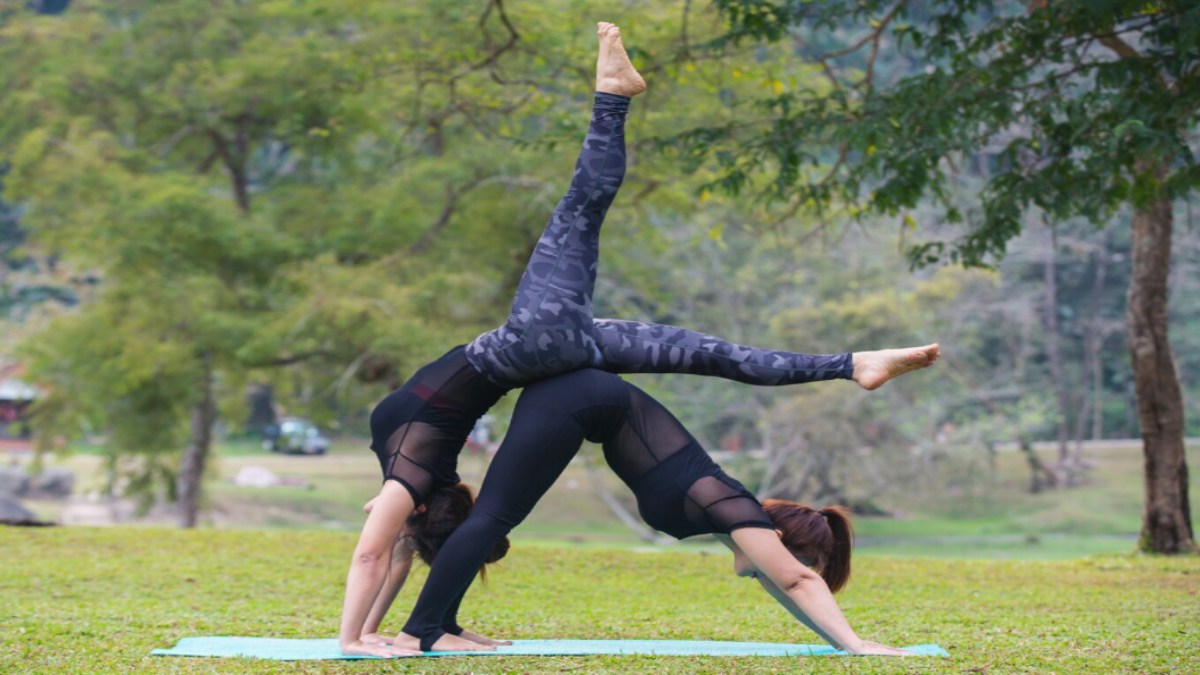
Today, people practice different forms of yoga for many reasons. Some want to improve strength and flexibility, while others are interested in meditation, stress management, breathwork or spiritual development. Understanding the different disciplines of yoga can help beginners choose practices that match their interests and goals.
While modern yoga classes often combine several elements, traditional yoga includes multiple paths, each emphasizing a different approach to personal development.
Related Articles
1. Hatha Yoga
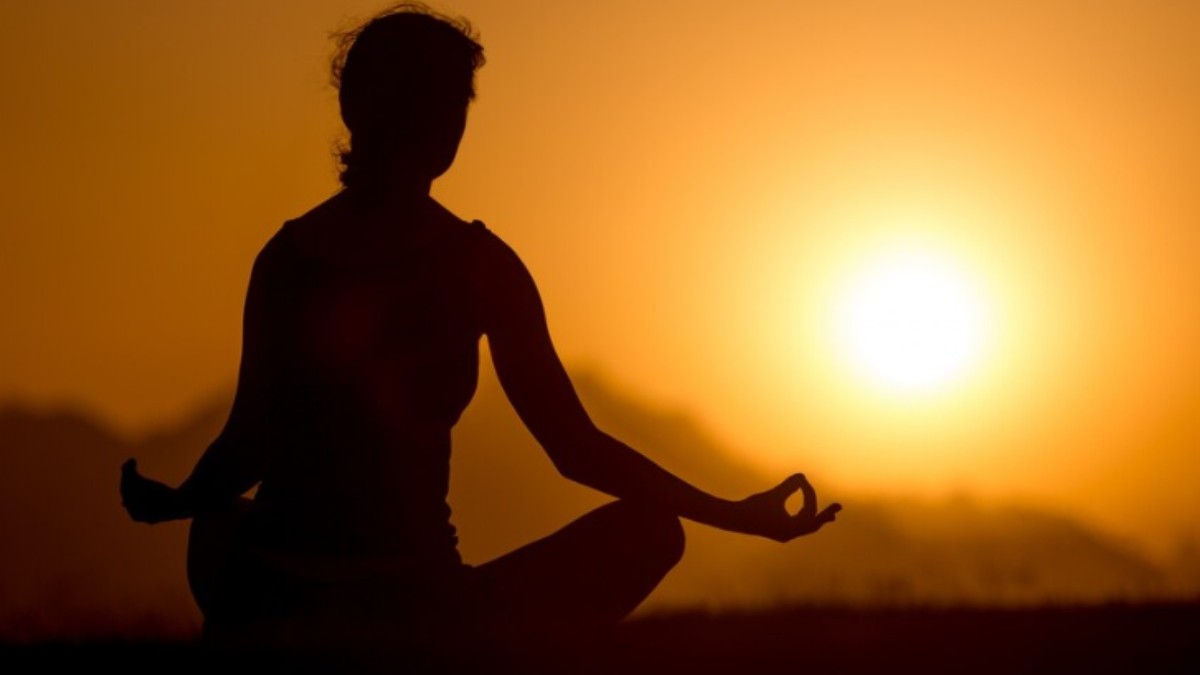
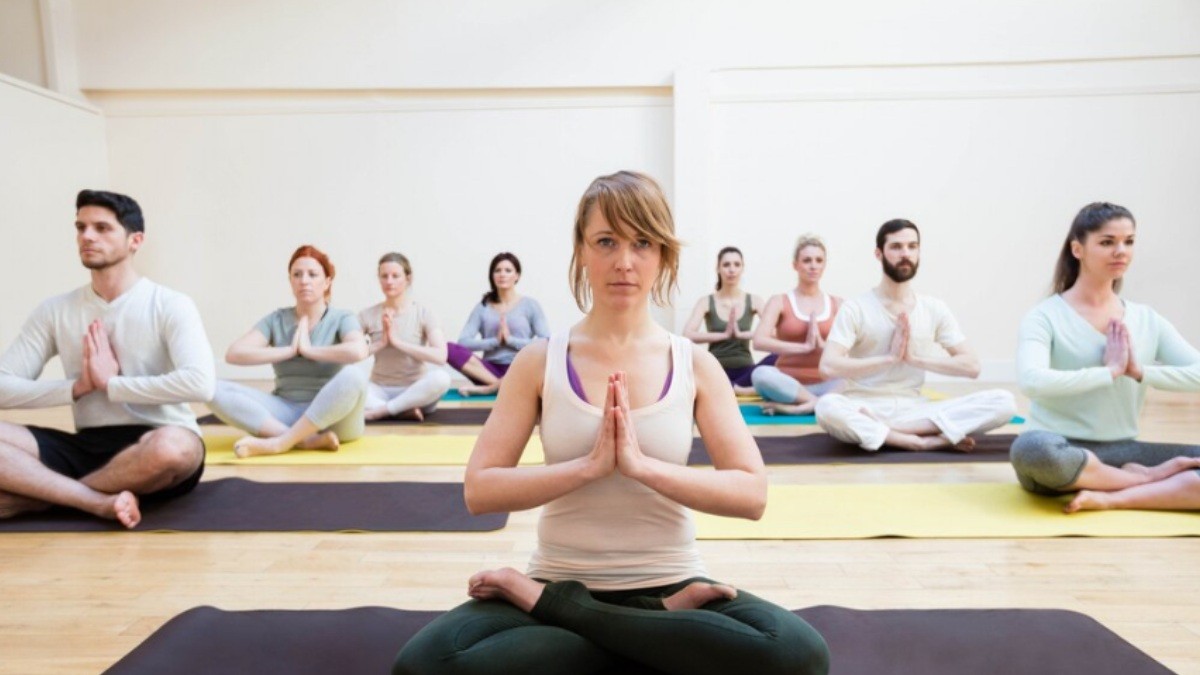
Hatha Yoga is one of the best-known approaches to yoga. In many modern settings, Hatha classes focus on physical postures, breathing techniques and relaxation.
Movements are often performed at a slower pace, allowing practitioners to focus on alignment, breathing and body awareness. This can make Hatha Yoga a useful starting point for people who are new to yoga.
2. Ashtanga Yoga
Ashtanga Yoga is a structured and physically demanding practice involving a specific sequence of postures performed in a particular order.
Related Articles
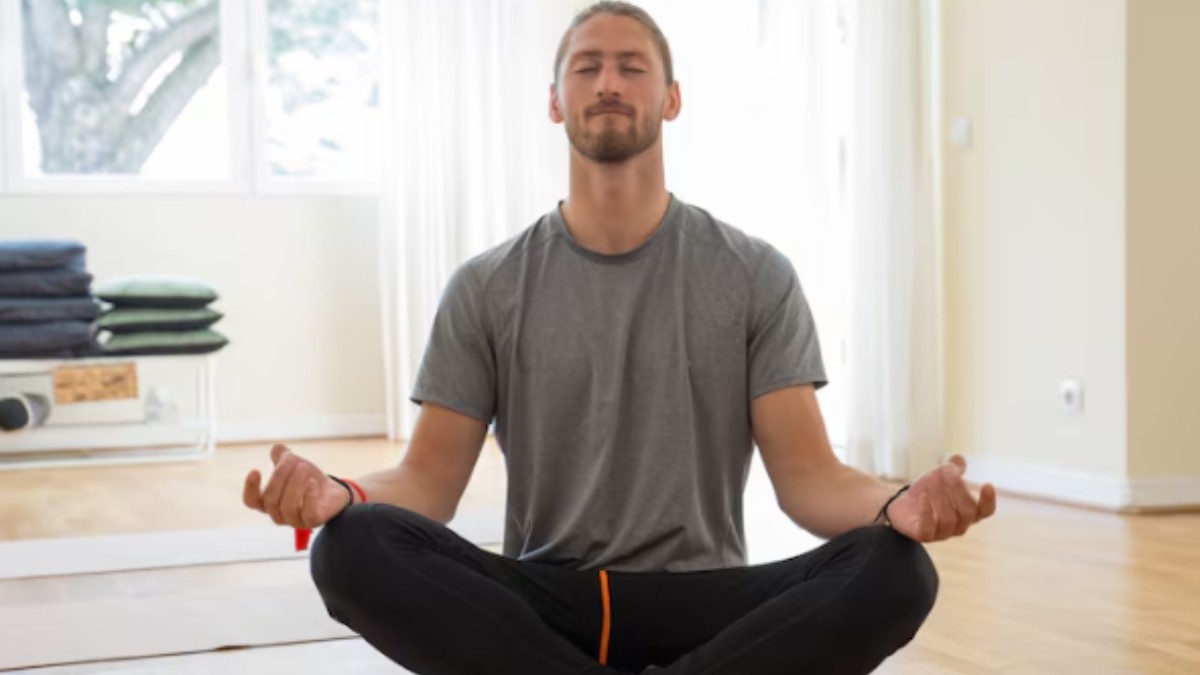
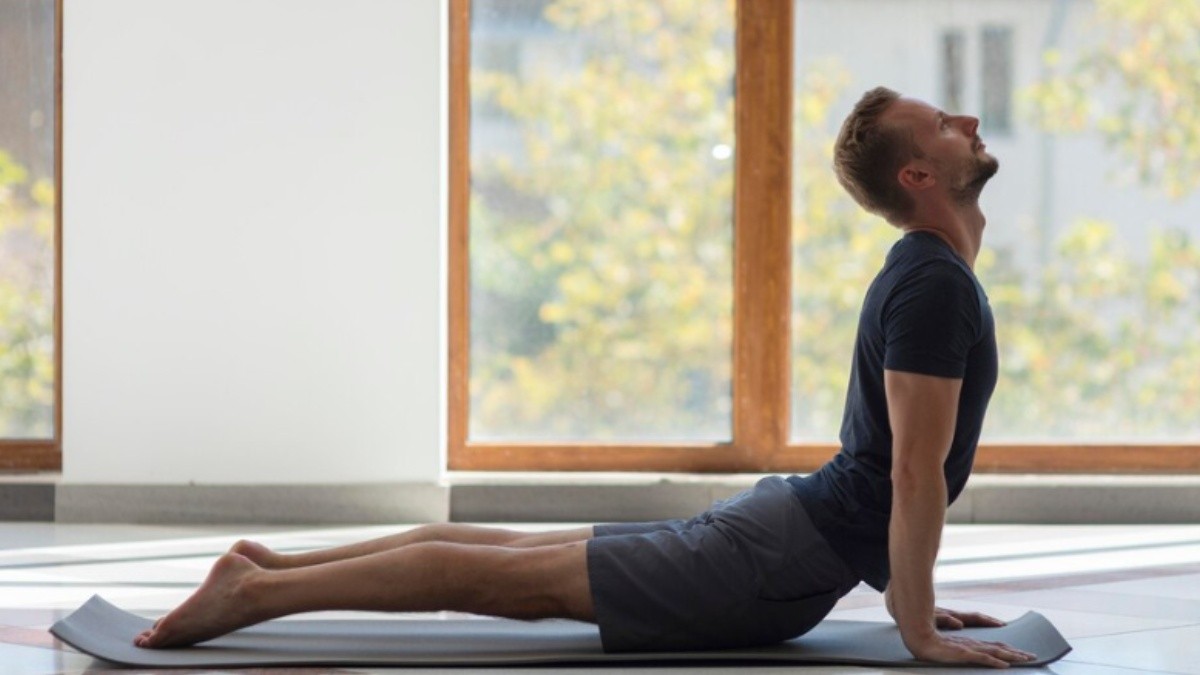
Practitioners traditionally move through sequences while coordinating movement with breathing. The practice can develop strength, flexibility, coordination and concentration.
Because it can be physically challenging, beginners may benefit from learning under the guidance of an experienced instructor and progressing gradually.
3. Vinyasa Yoga
Vinyasa Yoga emphasizes flowing movements coordinated with the breath. Unlike some highly structured styles, Vinyasa classes can vary considerably between instructors.
One sequence may combine standing poses, balancing postures and floor-based movements, while another may focus on mobility and relaxation. The continuous movement can make Vinyasa an energetic and engaging practice.
4. Kundalini Yoga
Kundalini Yoga combines physical postures with breathing exercises, meditation, chanting and other traditional practices.
The discipline places strong emphasis on awareness and inner development. Sessions may include repetitive movements, breathwork and mantras.
Because some techniques can be unfamiliar to beginners, learning from a knowledgeable teacher can help ensure that practices are performed appropriately.
5. Bhakti Yoga
Bhakti Yoga is often described as the path of devotion. Rather than focusing primarily on physical postures, it emphasizes love, devotion and a personal relationship with the divine.
Practices can include chanting, prayer, devotional singing, meditation and participation in spiritual rituals.
Bhakti Yoga demonstrates that yoga can be practiced as a spiritual path as well as a physical discipline.
6. Jnana Yoga
Jnana Yoga, or the path of knowledge, emphasizes self-inquiry, reflection and understanding.
Practitioners explore questions concerning identity, consciousness and the nature of reality. Study of philosophical teachings and contemplation are important components of this tradition.
It is particularly relevant for people who are drawn to philosophical inquiry and intellectual exploration.
7. Karma Yoga
Karma Yoga is the path of selfless action. It emphasizes performing one's responsibilities without becoming overly attached to personal rewards or recognition.
Acts of service, generosity and ethical responsibility can become forms of practice. The discipline encourages people to approach everyday activities with awareness and a sense of purpose.
Karma Yoga highlights the idea that yoga does not have to be limited to a yoga mat or meditation cushion.
8. Raja Yoga
Raja Yoga, often associated with the systematic development of concentration and meditation, focuses strongly on controlling and understanding the mind.
The classical framework commonly associated with Raja Yoga includes ethical principles, physical preparation, breath regulation, withdrawal of the senses, concentration, meditation and deeper states of awareness.
Its emphasis on mental discipline makes it especially relevant to practitioners interested in meditation and self-awareness.
9. Iyengar Yoga
Iyengar Yoga places considerable emphasis on precise alignment, technique and stability in postures.
Props such as blocks, straps, blankets and bolsters may be used to help practitioners achieve appropriate positioning and make certain poses more accessible.
The careful approach can be useful for people who appreciate detailed instruction and a structured practice.
10. Yin Yoga
Yin Yoga is a slower practice in which selected postures are generally held for longer periods. The emphasis is often on relaxation, stillness and gradual exploration of comfortable ranges of movement.
Yin can provide a contrast to fast-paced, physically demanding yoga styles. However, practitioners should avoid forcing themselves into positions and should modify poses when necessary.
Choosing the Right Yoga Discipline
There is no single yoga discipline that is best for everyone. The right approach depends on personal preferences, experience, physical abilities and goals.
Someone seeking a gentle introduction may enjoy Hatha Yoga, while people who prefer flowing movement might choose Vinyasa. Those interested in meditation or spiritual traditions may be drawn toward Raja, Bhakti or Jnana Yoga.
It is also perfectly reasonable to explore several disciplines. Many modern practitioners combine physical yoga with breathing exercises, meditation and philosophical study.
The Importance of Learning Safely
Yoga should be approached gradually, especially by beginners. Not every posture is suitable for every person, and flexibility should not be forced.
People with injuries, certain health conditions or other physical limitations should seek appropriate professional guidance before beginning a new exercise program. A qualified instructor can provide modifications and help participants learn proper technique.
Breathing exercises and advanced practices should also be learned carefully rather than attempted solely from online instructions.
The different disciplines of yoga demonstrate how broad and diverse this ancient tradition is. From physically focused practices such as Hatha, Ashtanga and Vinyasa to devotional, philosophical and meditative paths such as Bhakti, Jnana, Karma and Raja Yoga, there are many ways to explore yoga.
Ultimately, yoga is not simply about mastering difficult poses. Its various disciplines encourage awareness, discipline, balance and a deeper connection between the body and mind. By exploring different approaches and choosing practices that suit their needs, individuals can develop a meaningful and sustainable yoga routine.




Comments 0