
Super Brain Yoga has attracted attention as a simple exercise that is claimed to improve memory, concentration, mental clarity and overall brain function. The practice is often presented as a quick way to stimulate the brain while combining physical movement, breathing and focused attention.
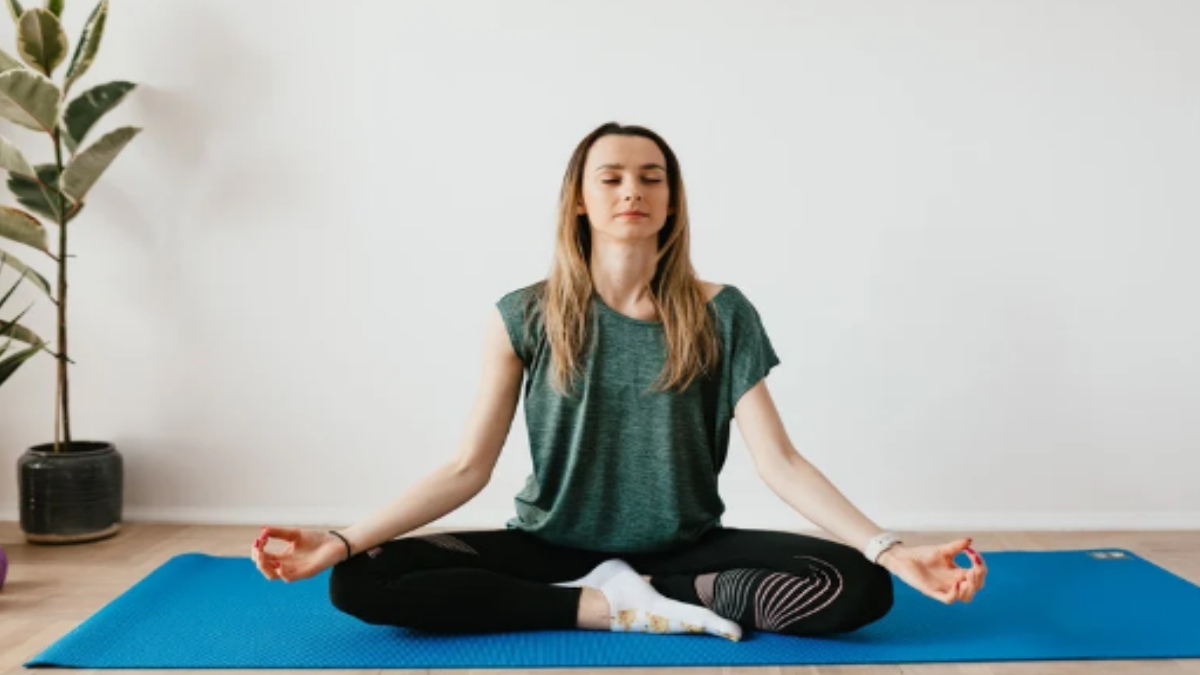
But does Super Brain Yoga really work, The answer requires separating the exercise itself from some of the stronger claims made about it. While regular physical activity, mindful movement and healthy lifestyle habits can support brain health, there is limited high-quality evidence showing that Super Brain Yoga specifically produces dramatic improvements in intelligence, memory or cognitive ability.
What Is Super Brain Yoga
Super Brain Yoga is generally described as a simple squatting exercise performed while holding the opposite earlobes. Practitioners typically stand with their feet apart, place the right hand on the left earlobe and the left hand on the right earlobe, and then repeatedly squat and stand while maintaining a particular breathing pattern.
Related Articles

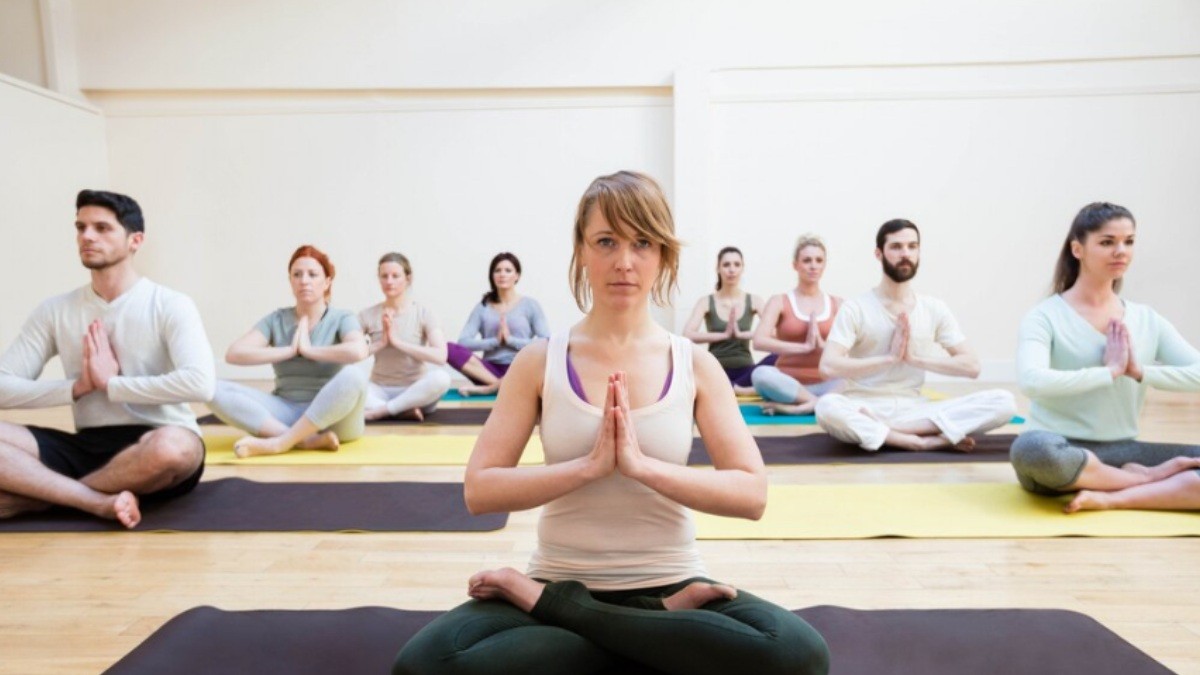
Supporters claim that the exercise coordinates both sides of the body and may stimulate areas of the brain involved in learning and concentration.
The practice has become popular because it is easy to perform, requires no equipment and can be completed in a short amount of time.
What Does Science Say
There is an important distinction between research on Super Brain Yoga specifically and research on physical activity or yoga more broadly.
Related Articles
Some small studies and reports have explored whether this exercise may influence attention, cognitive performance or brain activity. However, the available evidence is not strong enough to conclude that Super Brain Yoga is a proven method for significantly increasing intelligence or transforming memory.
Research on physical exercise in general provides a much stronger foundation. Regular physical activity is associated with benefits for cardiovascular health, mood and aspects of cognitive function. Yoga and other mind-body practices may also support stress management, balance, flexibility and general wellbeing.
Therefore, if someone feels more focused after performing Super Brain Yoga, that experience may be genuine, but it does not necessarily prove that the exercise has a unique or extraordinary effect on the brain.
Why Might People Feel More Focused Afterward
There are several possible explanations.
First, physical movement can increase alertness and temporarily change how we feel. Second, concentrating on coordinated movements and breathing can provide a break from distracting thoughts.
The routine may also function as a mindfulness exercise. When a person deliberately focuses on posture, breathing and movement, attention is directed away from everyday distractions.
The combination of movement and concentration could therefore make some people feel mentally refreshed without requiring a special neurological mechanism.
Potential Physical Benefits
Because the practice involves repeated squatting, it can engage muscles in the legs and hips. For a healthy person who can squat comfortably, this may provide a small amount of physical activity.
However, the exercise should not be treated as a replacement for a complete fitness programme. Strength training, aerobic exercise, mobility work and everyday physical activity all have important roles in maintaining overall health.
People with knee, hip, back or balance problems should be cautious with repeated squats and consider asking a healthcare professional or qualified exercise professional whether the movement is appropriate for them.
Can It Improve Memory
There is currently insufficient evidence to claim that Super Brain Yoga alone can substantially improve memory.
Memory is influenced by many factors, including sleep, stress, physical activity, nutrition, age, medical conditions and mental engagement. If you want to support cognitive health, it makes more sense to consider the bigger picture rather than relying on one exercise.
Regular exercise, adequate sleep, learning new skills, maintaining social connections and managing cardiovascular risk factors are all more established components of a brain-healthy lifestyle.
Is It Worth Trying
For most healthy adults, a gentle version of the exercise may be reasonable if it feels comfortable and is performed safely. It can be viewed as a brief movement and concentration exercise rather than a miracle brain-enhancement technique.
The key is to keep expectations realistic. If you enjoy the practice and it encourages you to move, focus and establish a healthy routine, it may be useful as one small part of your lifestyle.
However, claims that a few repetitions can dramatically increase intelligence or permanently change brain function should be approached with skepticism unless supported by robust scientific evidence.
How to Practise Safely
Start slowly and use a comfortable range of motion. Keep your movements controlled rather than rushing through the squats. Maintain steady breathing and stop if you experience pain, dizziness, shortness of breath or unusual discomfort.
If you have a medical condition, recent injury or difficulty with balance, consult a healthcare professional before adding repeated squatting exercises to your routine.
Super Brain Yoga is an interesting combination of movement, coordination and focused attention, but claims about its extraordinary effects on intelligence and memory go beyond what current evidence can firmly establish.
The exercise may help some people feel more alert or focused, particularly because it involves physical movement and concentration. Nevertheless, there is no strong evidence that it is a unique shortcut to dramatically improving brain power.
For long-term cognitive health, think beyond one exercise. Regular physical activity, quality sleep, nutritious food, stress management and continued mental engagement offer a much stronger foundation for keeping both the body and brain healthy.




Comments 0