
Yoga is often associated with flexibility, relaxation, mobility and stress relief. However, many yoga poses also require significant strength and control. This raises an interesting question: Can yoga actually promote muscle growth.
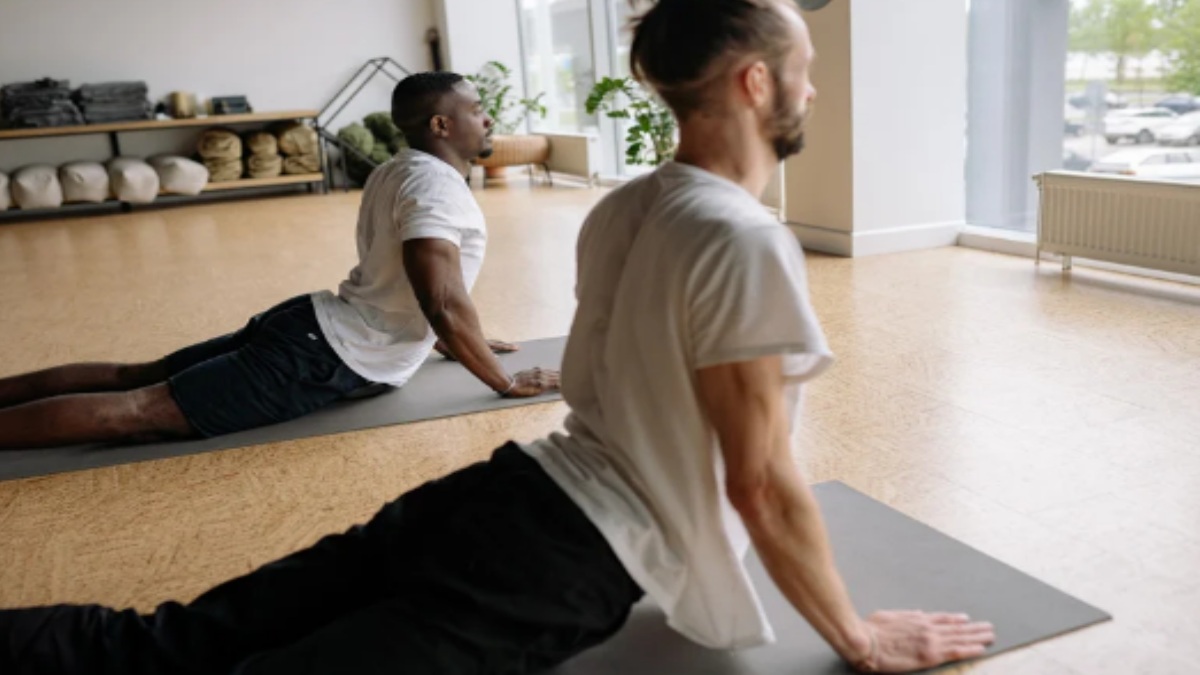
The short answer is yes, to some extent. Yoga can stimulate muscles and improve muscular strength, endurance and stability, particularly when you practise challenging poses consistently. However, if your primary goal is to maximise muscle size, traditional resistance training with progressively heavier loads is generally more effective.
Understanding how yoga affects muscles can help you decide how to incorporate it into a broader fitness routine.
Related Articles
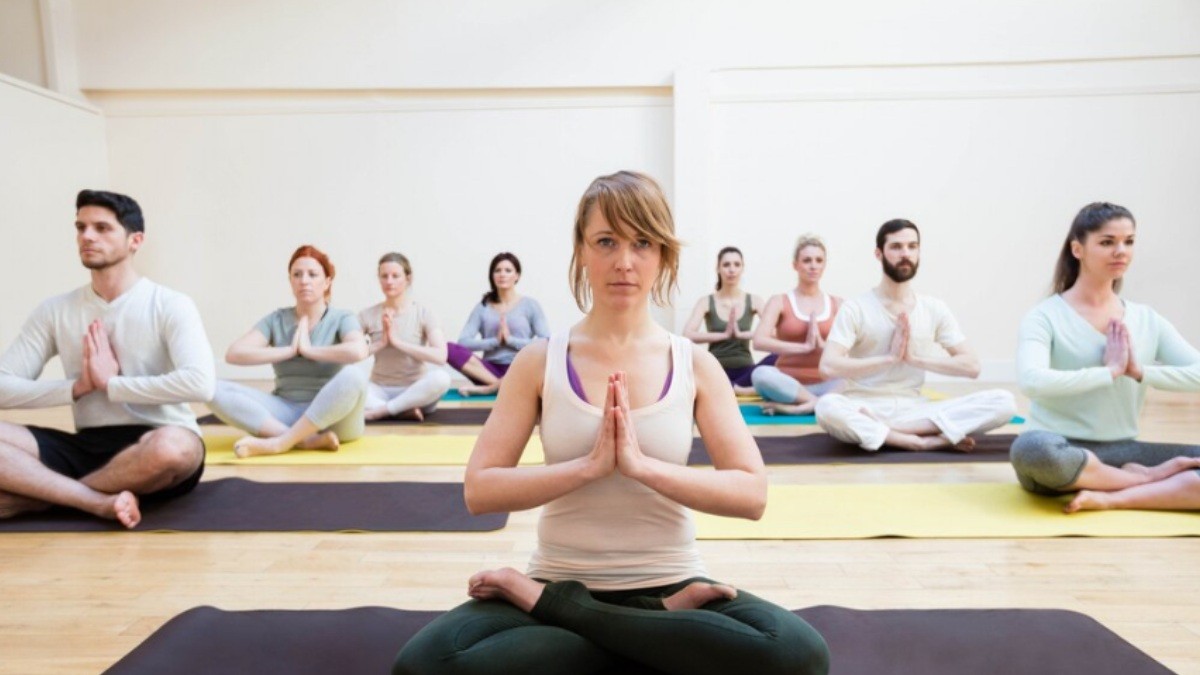
How can yoga build muscle
Muscles grow when they are exposed to resistance that challenges them. During yoga, your body weight can provide that resistance.
Consider poses such as plank, chaturanga, chair pose and warrior variations. Holding these positions requires muscles to work against gravity. Repeatedly practising demanding poses can improve strength and muscular endurance.
Certain yoga styles can provide a particularly challenging workout. Power yoga, Ashtanga and Vinyasa practices may involve flowing between demanding poses, requiring the muscles to repeatedly contract and stabilise the body.
Related Articles
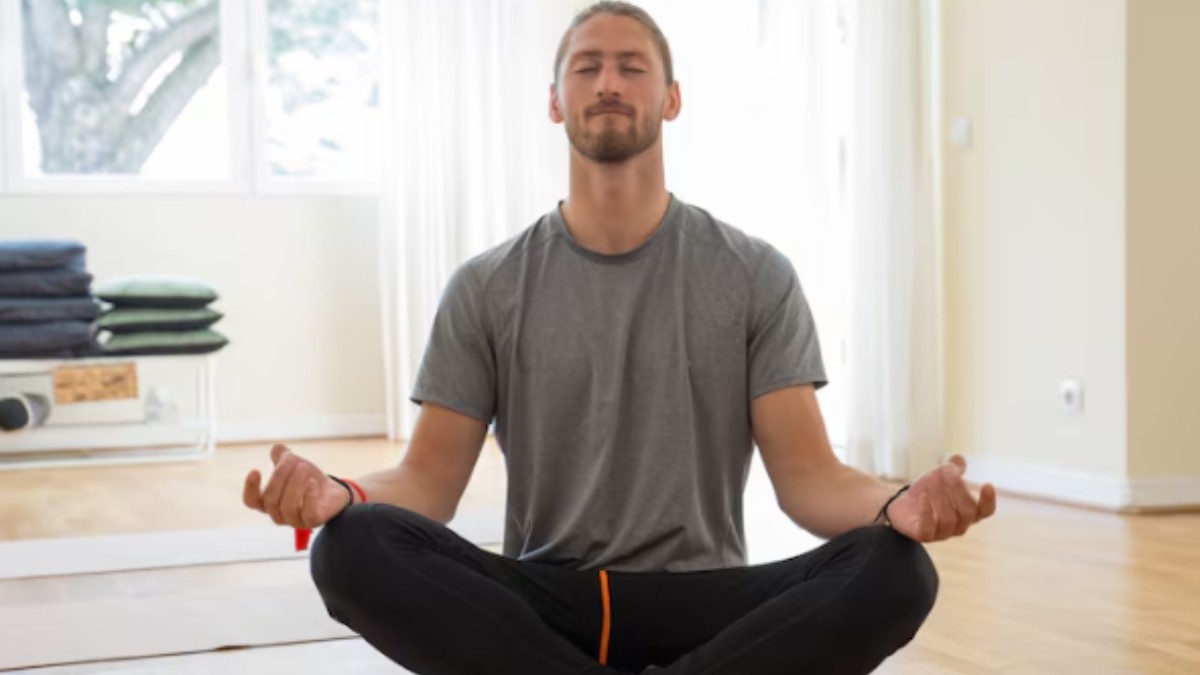
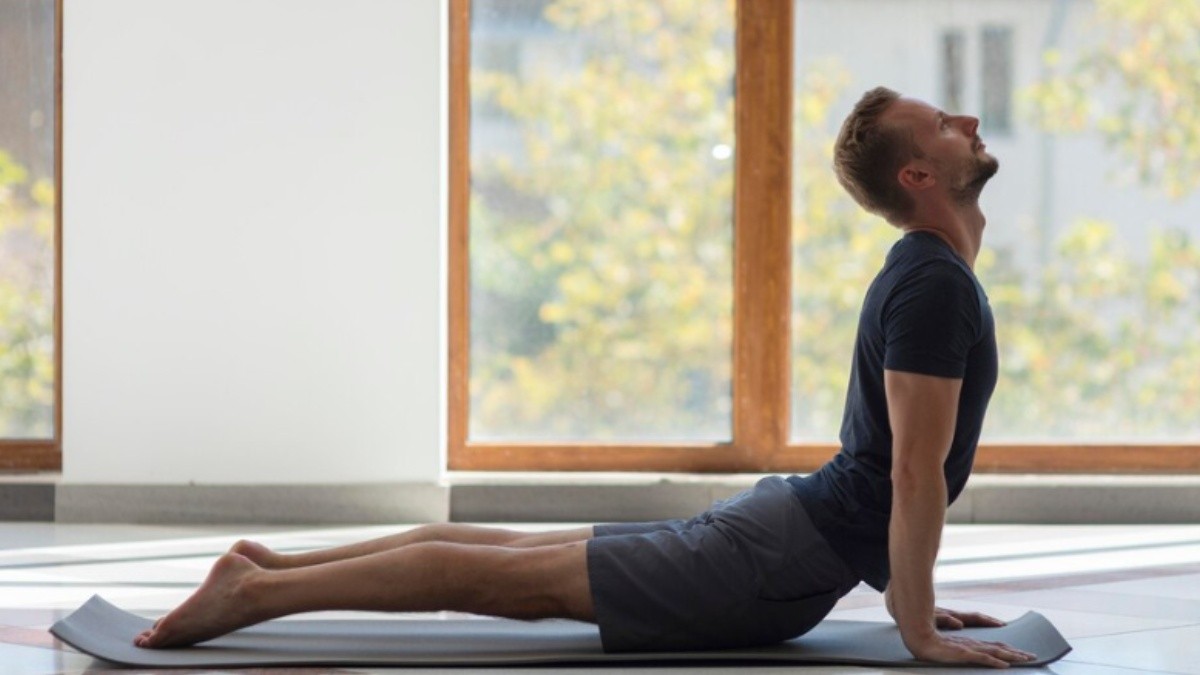
Yoga can strengthen your upper body
Some yoga poses place considerable demands on the arms, shoulders, chest and upper back.
Plank pose engages the shoulders, arms, chest, abdominal muscles and legs. Chaturanga Dandasana, which resembles a controlled push-up position, can challenge the chest, shoulders and triceps.
More advanced poses such as arm balances and inversions can place even greater demands on the upper body. However, these should be learned progressively with appropriate guidance to reduce the risk of injury.
Your core gets a serious workout
A strong core is essential for balance, posture and movement, and yoga can help develop core strength.
Poses such as boat pose, plank, side plank and various balance postures require the abdominal and deeper stabilising muscles to work continuously. Unlike exercises that focus solely on visible abdominal muscles, many yoga movements require the core to stabilise the entire body.
A stronger core can also make other physical activities easier by improving stability and body control.
Yoga can strengthen the legs
Yoga is not just an upper-body workout. Many standing poses challenge the quadriceps, hamstrings, glutes and calves.
Chair pose, warrior poses and goddess pose require the legs to support and stabilise the body. Holding these positions for longer periods can increase muscular endurance and create a significant training stimulus.
Single-leg balance poses can further challenge the muscles responsible for stability.
Muscle endurance vs muscle size
One important distinction is between muscular endurance, strength and hypertrophy.
Yoga can be excellent for improving muscular endurance and functional strength. However, building substantial muscle size generally requires progressively increasing resistance over time.
With conventional resistance training, you can gradually increase the weight, repetitions, sets or other training variables. Yoga progression can involve more difficult poses, longer holds, additional repetitions or more demanding sequences, but the resistance is usually limited by body weight.
Therefore, yoga can contribute to a stronger and more athletic body, but it may not provide the same hypertrophy stimulus as a structured resistance-training programme.
Which yoga poses are best for muscle strength
If building strength is your goal, consider incorporating challenging poses such as:
- Plank pose
- Side plank
- Chaturanga Dandasana
- Chair pose
- Warrior II
- Goddess pose
- Boat pose
- Bridge pose
- Locust pose
- Crow pose, when appropriately trained
These poses target different muscle groups and can be adapted according to your current fitness level.
How often should you practise yoga
Consistency is more important than trying to perform extremely difficult poses immediately. Beginners can start with two or three sessions per week and gradually increase frequency depending on recovery, fitness goals and overall activity.
Combining yoga with resistance training can be particularly useful for people who want both muscle development and flexibility. For example, strength training can provide progressive resistance for hypertrophy, while yoga can support mobility, balance, body awareness and recovery.
Can yoga replace weight training
That depends on your goal.
If your objective is general fitness, improved mobility, better balance and functional strength, yoga may provide many of the benefits you are looking for.
If your specific goal is maximum muscle growth, however, yoga alone may not be sufficient. Resistance exercises using weights, resistance bands or machines make it easier to progressively overload specific muscles.
A combination of both approaches may therefore be ideal for many people.
Nutrition matters too
Exercise is only one part of muscle development. Adequate protein, calories, carbohydrates, healthy fats, hydration and sleep all contribute to recovery and adaptation.
People trying to build muscle should ensure that their overall diet provides enough protein and energy to support their training. Individual requirements vary based on factors such as age, body size, activity level and fitness goals.
Yoga can promote muscle strength and muscular endurance and may contribute to some muscle growth, especially in beginners and people who practise challenging, progressive forms of yoga. Body-weight poses can provide meaningful resistance, while balance and stability movements engage muscles throughout the body.
However, if significant muscle hypertrophy is your main objective, conventional progressive resistance training is generally more efficient. Combining yoga with strength training can offer a well-rounded approach, helping you develop strength while also improving flexibility, balance, mobility and body awareness.
As with any exercise programme, increase difficulty gradually and prioritise proper technique. If you have an existing injury or medical condition, consider speaking with a qualified healthcare professional or fitness professional before beginning a new training routine.




Comments 0