
Stress is a part of life and life pressures are well known. Work pressure, financial stress, relationship issues, lack of sleep and constant digital stimulation can overwhelm the mind and make the body tense. Some stress is normal in difficult situations and long-term stress does affect sleep, mood, concentration and overall well-being. Yoga might be a simple and attainable way to reduce stress.
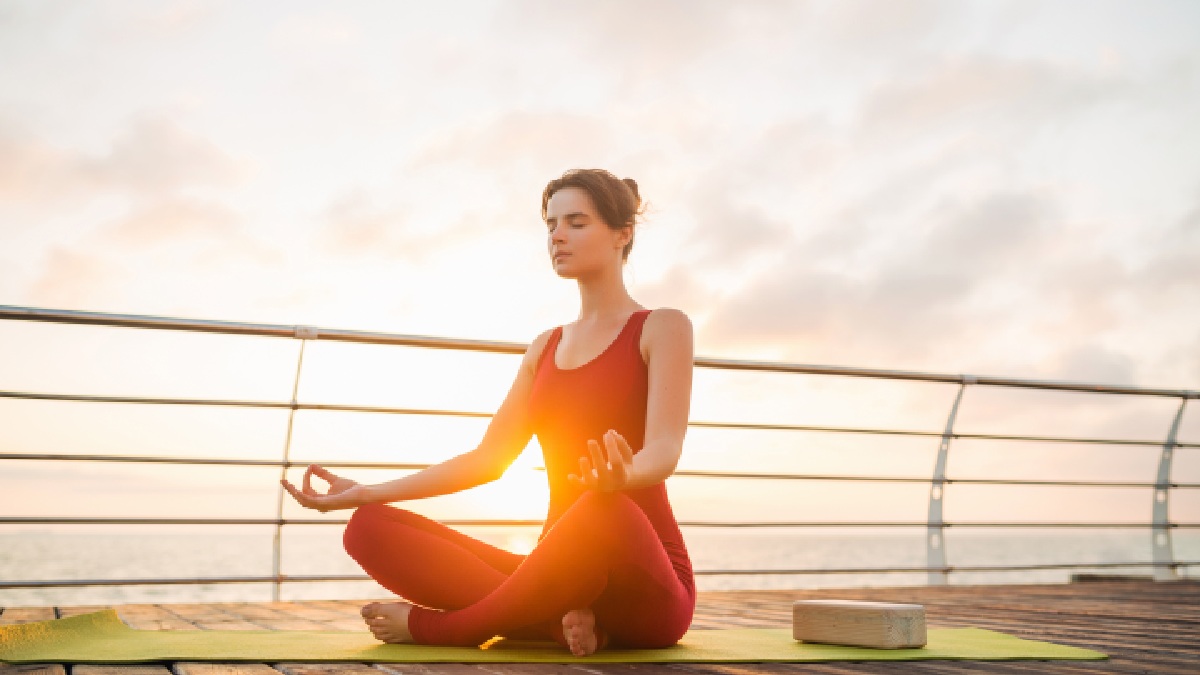
Yoga is more than an exercise. It is a combination of movement, controlled breathing and meditation that can lead to relaxation. Regular yoga practice could help alleviate some of the physical and psychological stress, according to studies. Yoga is not a cure for chronic stress or anxiety disorders, but it can help in a healthy lifestyle, and so it’s beneficial to feel calmer and more balanced.
Yoga May Help Lower Cortisol Levels
Cortisol is commonly referred to as the body’s main stress hormone. It is an important aspect of how we react to stress and in the long term high stress responses might lead to problems with sleep deprivation, fatigue and mood changes. In various studies with regular yoga practice, cortisol and other stress-related responses are also modulated.
Related Articles

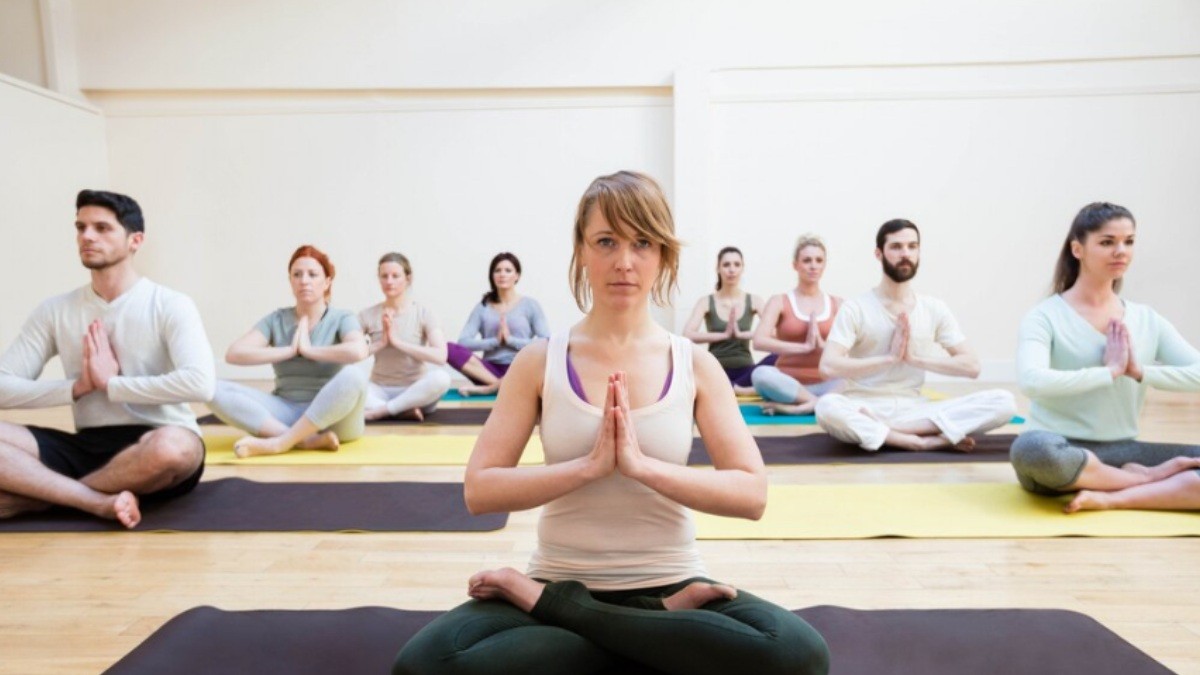
Deep, long-lasting practices of meditation with slow movements and controlled breathing can help the body go from a constant state of alertness to a more peaceful feeling of self-reflection in yoga. There is the potential for a healthy response to stress in the long run to be improved with time.
It Can Promote Mindfulness
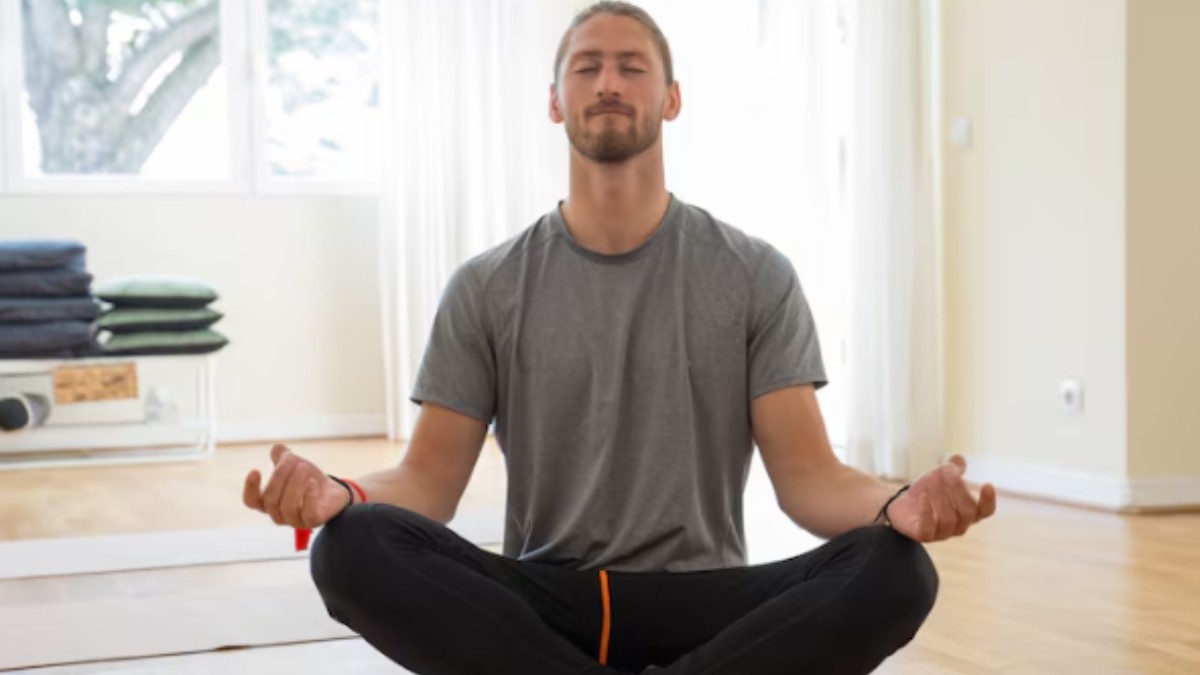
One of yoga’s biggest benefits for stress management is the importance of being present. You’re taught to pay attention to your breathing, body position and physical sensations during yoga and listen to them and not worry about past or future events.
This mindfulness can help to stop these cycles of overthinking. Even a few minutes of focused breathing and meditation can help free the mind to break the monologue of thoughts that are constantly running through the mind in the midst of stress.
Related Articles
Yoga Helps Release Muscle Tension
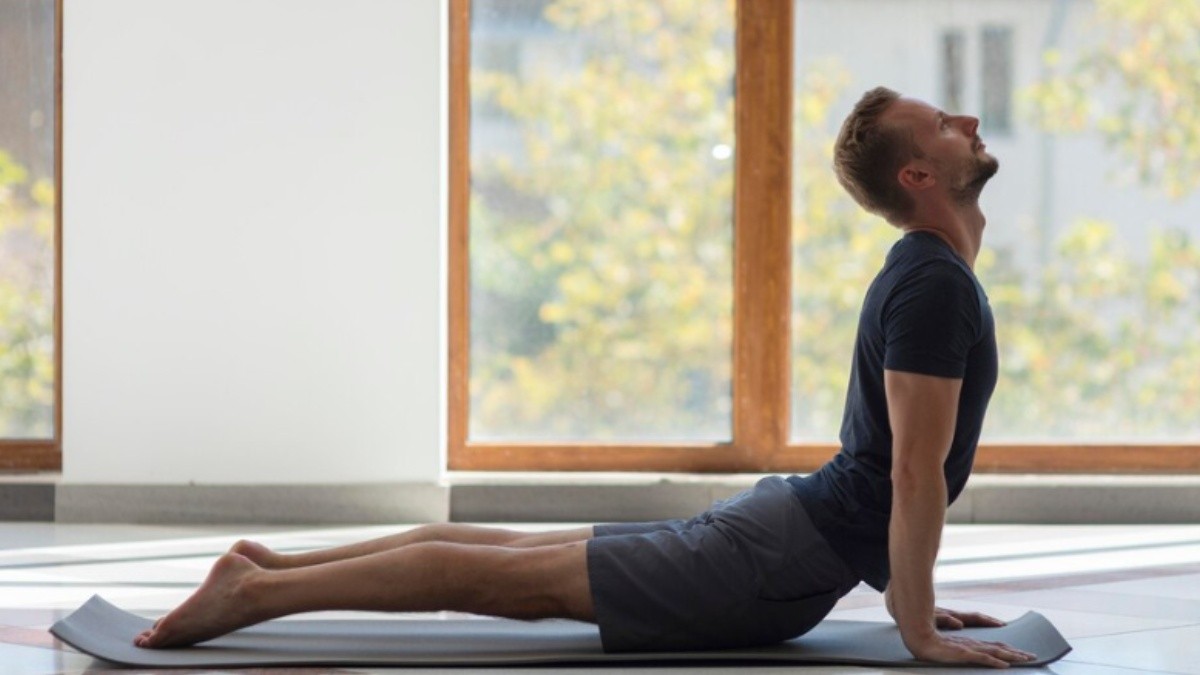
Stress doesn’t only affect the mind. It can also create physical strain with neck, shoulders, upper back and hips, for example. Long periods of sitting while working can cause this tension even further.
Yoga poses are designed to stretch, strengthen and move with purposeful movements so as to relieve tight muscles and increase body awareness.
It Supports the Parasympathetic Nervous System
Breathing exercises, meditation and slower yoga movements may encourage the activity of the parasympathetic nervous system, often associated with the body’s “rest and digest” state. This can counterbalance the fight-or-flight response that becomes activated during stressful situations.
Slow, deep breathing is particularly important as it’s a practical tool that can also help you to get the most out of your yoga practice and use it on the yoga mat as well. Taking a few deep breaths during a stressful moment can help you to calm yourself down before you react to the situation.
Yoga May Improve Sleep Quality
Stress and poor sleep often create a cycle: stress can make it hard to sleep and lack of sleep can make everyday stress harder to manage. Yoga can help with sleeping better and can relieve stress (both physical and mental).
Gentle evening yoga, breathing exercises or a short meditation before bedtime can help prepare the body and mind for rest. Better sleep can, in turn, improve energy, mood and resilience during the day.
How Often Should You Practise Yoga for Stress?
You don’t have to be a workout addict to get to the point of yoga. Beginners can get started with 10 to 20 minutes of gentle yoga, with good stretching, breathing and mindfulness. Sometimes consistency is more valuable than pushing yourself through difficult yoga poses.
A simple routine might have child’s pose, cat-cow stretches, seated forward folds, gentle twists and breathing exercises. If you’re new to yoga, consulting a good teacher will help you to practise safely and incorporate movements that are suited to your fitness levels.
The Bottom Line
Yoga may reduce stress, for all its pros and cons, because yoga has the potential to relieve muscle tension, support the body’s stress response, help us sleep and encourage a more peaceful state of mind.
But yoga is only one piece of the puzzle that is a way of managing stress. Good physical activity, well-rested and healthy food, social interaction and professional help (as needed) are all things that are linked to good mental health. If stress is overwhelming, persistent or begins interfering with our everyday life, speaking to a professional healthcare provider is important.




Comments 0