
Stress and anxiety are inextricably associated with modern life. Work demands, personal responsibilities and constant digital stimulation make it difficult to relax. Breathing practices with yoga, called pranayama, can be a simple way to develop a better awareness of breathing and to help everyone relax and rest.
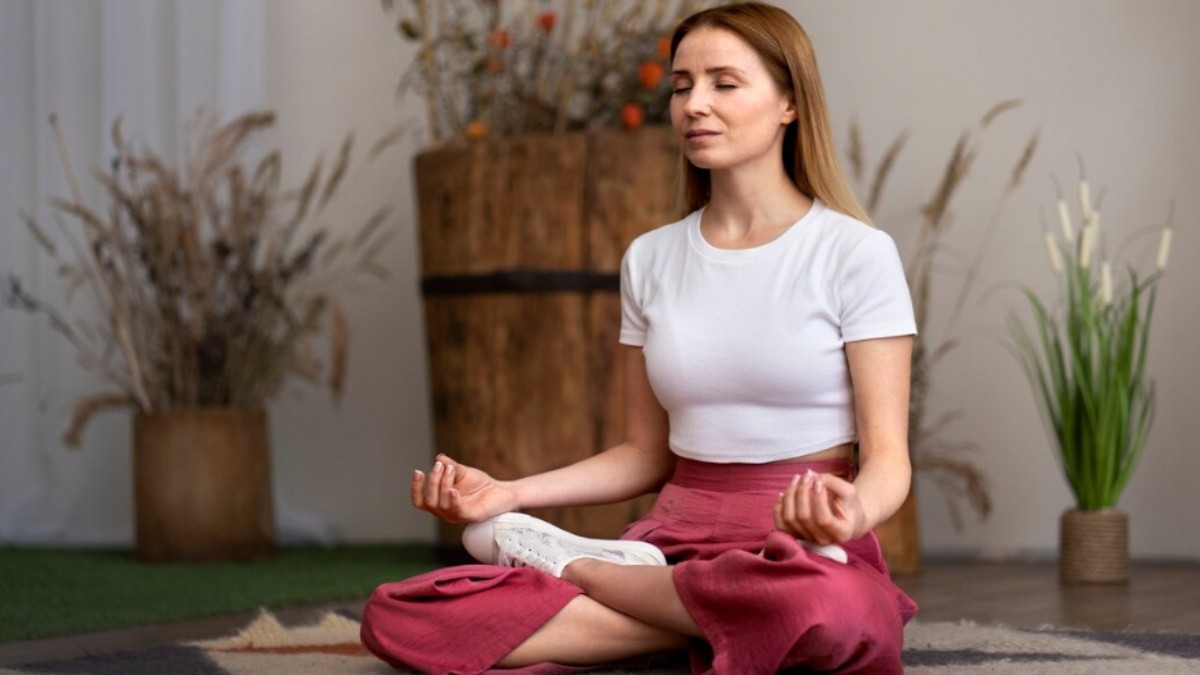
Pranayama involves consciously regulating the breath through different techniques. Some of the practices emphasize slow breathing; others have alternate nostrils or specific breathing patterns. Beginners should practice gently and stop if they experience dizziness, discomfort or breathlessness.
Nadi Shodhana: Alternate-Nostril Breathing
Nadi Shodhana (also known as alternate-nostril breathing) is one of the most popular pranayama techniques. It involves breathing through one nostril at a time in a controlled sequence.
Related Articles

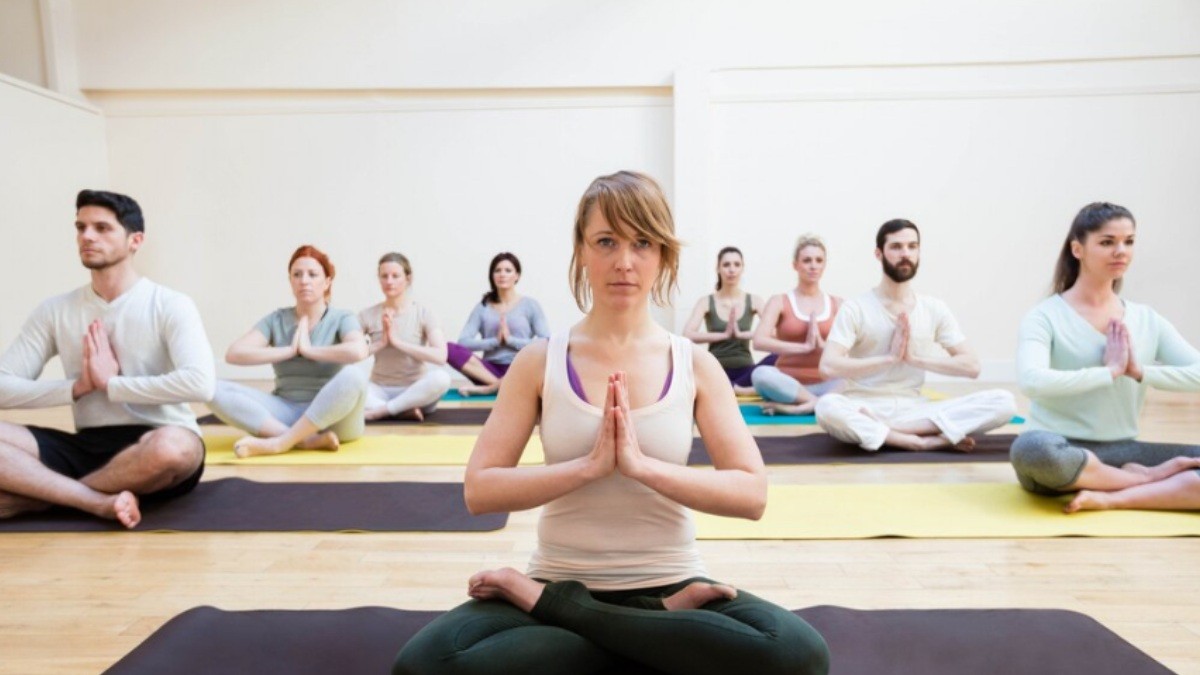
The practice promotes slow, patient breathing in practice so it can become part of a daily routine to not hold your breath for long periods of time. Beginners can start with a few comfortable rounds instead of holding the breath for a long time.
Bhramari Pranayama: The Humming Breath
Bhramari is humming-bee breathing: taking a comfortable breath in and producing a gentle humming sound while exhaling.
The sound and slow exhalation can make the practice feel soothing and encourage attention to the present moment. It may be particularly useful as part of a relaxation routine before bedtime or after a stressful day.
Related Articles
Diaphragmatic Breathing
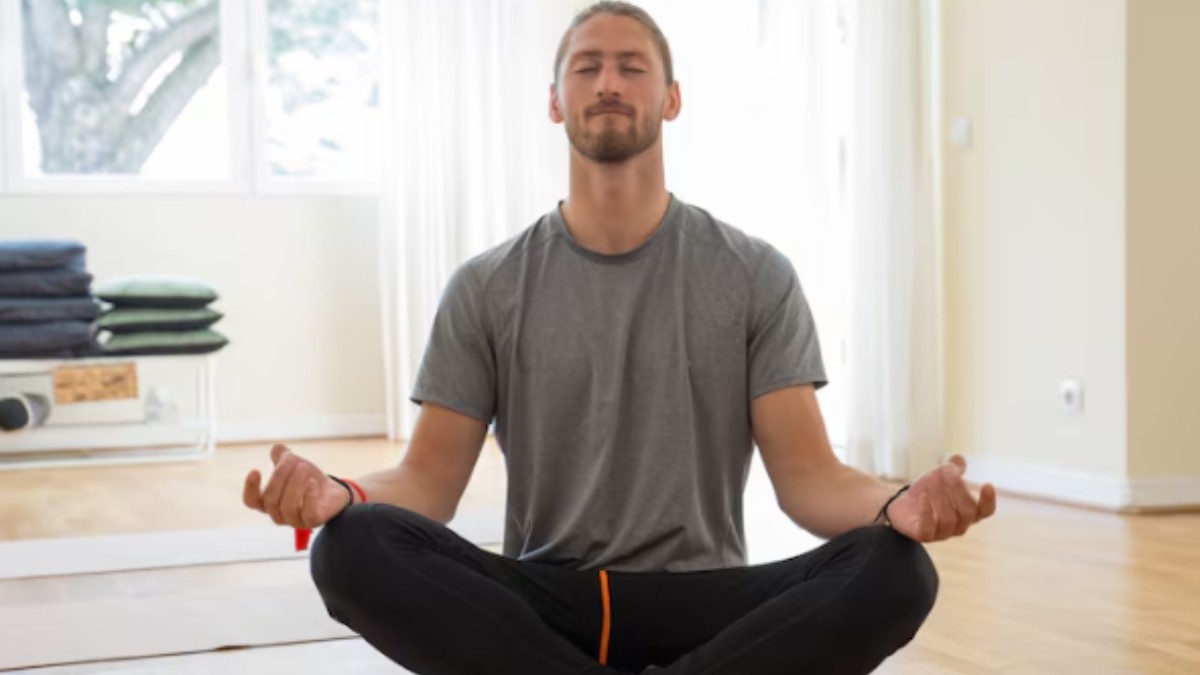
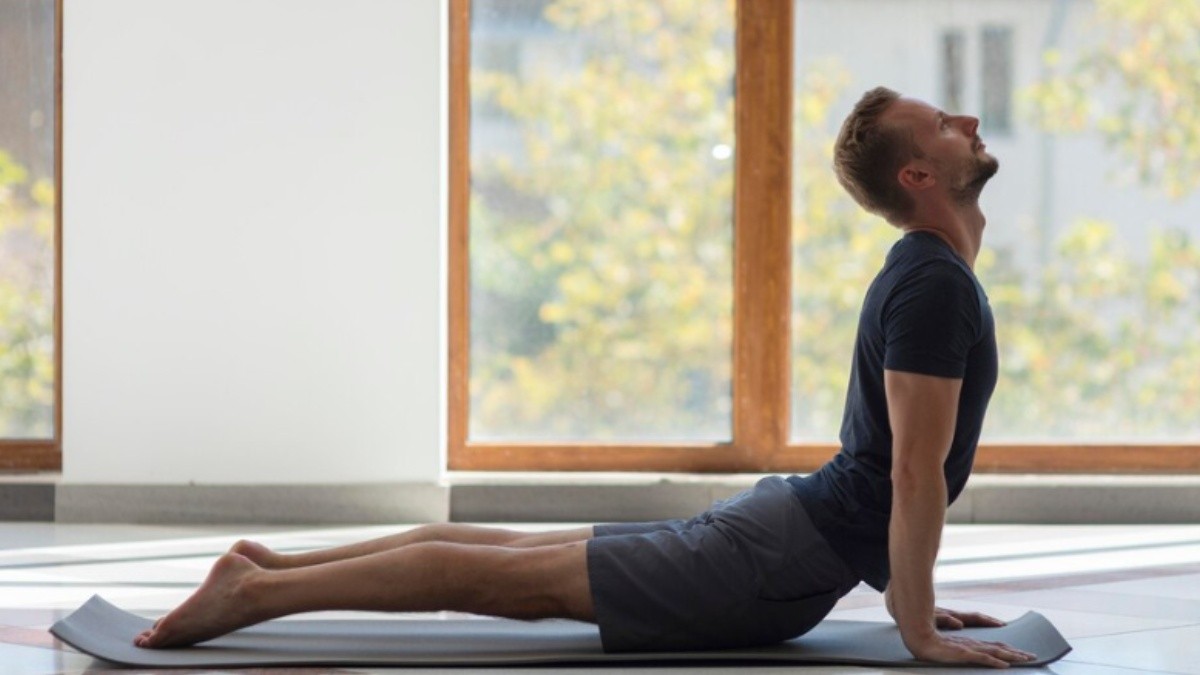
Diaphragmatic or belly breathing may not be a traditional pranayama practice but can be incorporated into yoga and relaxation routines.
Instead of taking shallow breaths mainly into the chest, practitioners want comfortable breathing so that the abdomen can move naturally. The technique could be done sitting or lying down.
Sama Vritti: Equal Breathing
Sama Vritti is often called equal or balanced breathing. A simple version is inhaling gently for a comfortable count and exhaling for about the same count.
The aim is to keep a smooth and unforced rhythm. Those who are new to breathwork can start with a few sessions and gradually develop a comfortable routine.
Slow Breathing and Mindful Awareness
And sometimes the simplest way is to slow down the breath without forcing it. Seated comfortably, relaxing the shoulders and paying attention to each inhalation and exhalation can take a moment away from the regular distractions.
For slow breathing and meditation or gentle yoga stretching to be done in combination with meditation or a massage will help maintain a relaxing practice to be able to achieve a more relaxed routine.
Practise Safely and Consistently
Pranayama is more comfortable than competitive. Beginners shouldn’t force the breath or attempt to keep it in place for long periods of time without the proper training. People with medical conditions as well as respiratory problems should consult a professional before starting intensive breathing practice.
Pranayama is not a substitute for professional treatment for anxiety or other mental health problems. And when anxiety is persistent, severe or worsening individuals will need professional help.
Making Pranayama Part of Your Routine
Consistency can have more effect than lengthy sessions. A few quiet minutes in the morning, when you are on break or before bedtime may allow breathing exercises to be incorporated into daily life.
Pranayama is, in a very subtle way, a good relaxation practice and a chance to get back to the breath, body and present moment.




Comments 0