
Meditation has been a part of life for centuries in different cultures and spiritual traditions, but nothing is more relevant in the present age than to meditate on the big picture to cope with stress, to be more emotional and to become more conscious of our thoughts. Meditation is not only on the way of monasteries and spirituality, but also in a way that doctors and researchers are mulling as meditation can be a complement to other ways of being healthy (physical and mental).
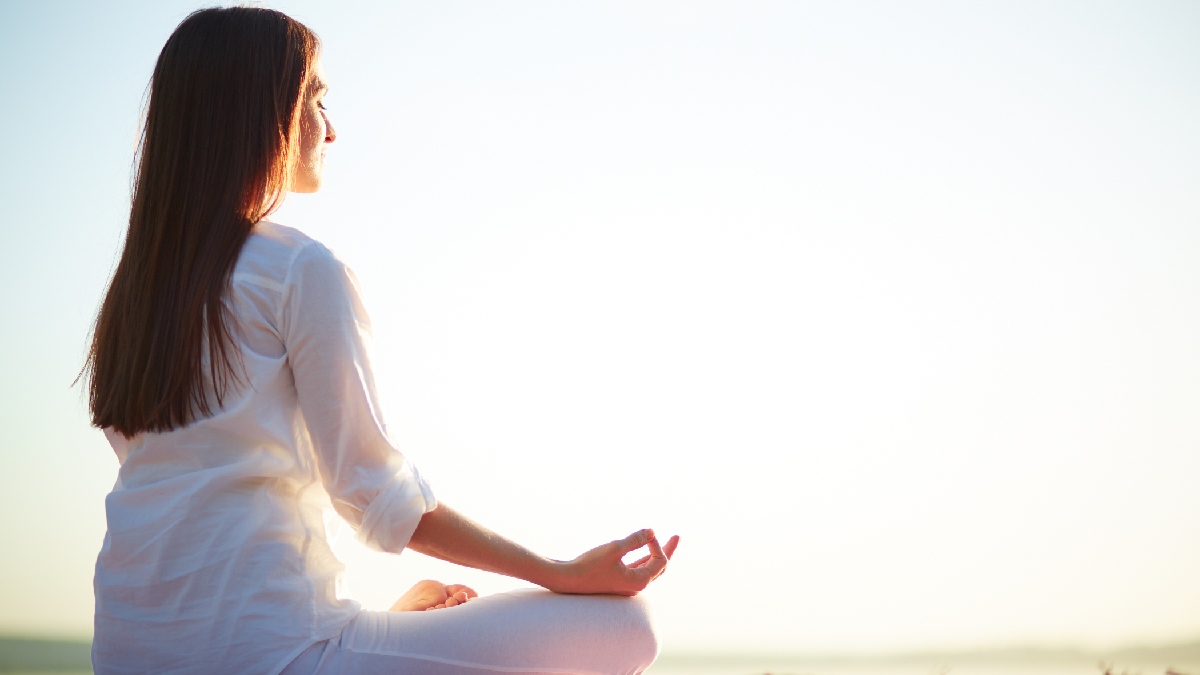
In a recent Harvard Health Publishing article, meditation is considered to be a practical way to develop greater awareness of thoughts, emotions and bodily sensations. Meditation is not one of the rituals or specialised equipment but rather one of sitting quietly and paying attention and learning to be aware of the mind and take in everything that comes into your way.
What is Meditation?
Meditation is often described as a process of training attention and awareness. You can focus on your breathing, the same word or phrase, a sound, a body sensation or a mental image. This is not to say that one can simply stop thinking entirely. Meditation can be about noticing when your mind wanders and gently bringing attention back to the chosen focus.
Related Articles

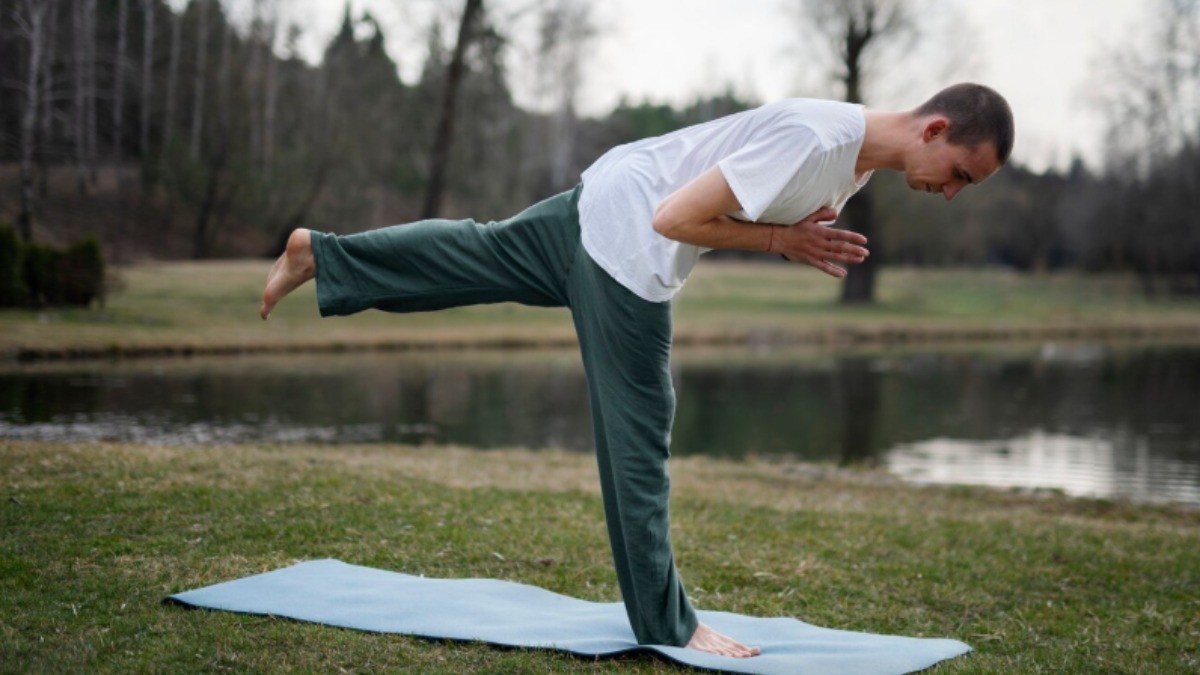
This fact makes meditation accessible even for beginners. You need not have years of experience or a special environment to get started. A few minutes of quiet practice can give you a chance to stop, slow down and re-begin to feel that you are in the present moment.
Meditation is also not only about breathwork. Breathing has a form in some meditation, but meditation is much more than that.
Meditation and Mindfulness are not the same.
Meditation and mindfulness can be used interchangeably, although they are not exactly the same. Mindfulness is the perception of being present and paying attention to thoughts, feelings, physical sensations and surroundings without immediately judging or reacting to them. Meditation is one of the practices that can help cultivate mindfulness. So mindfulness is an awareness that you develop, and meditation is one way to enlarge that awareness.
Related Articles

For example, in a meditation session, you may think about your breathing. If you catch your mind drifting to work, family and future concerns, you acknowledge the distraction and gently return your attention to the breath. With practice, it is possible that the awareness of what is going on in your mind may also become useful in our daily living.
What is an ancient practice with contemporary purpose?
Meditation isn’t a new wellness trend. There have been different forms of contemplative practice for centuries in Hinduism, Buddhism, and Jainism, among others. These have gone back to inner awareness, concentration, reflection, compassion and stillness.
The reason for meditation can be very different for people and cultures. For some, meditation is deeply spiritual; for others, it may just be something to provide a quiet break at the end of the day or to be more aware of how they feel.
Meditation does not replace those old-school roots. But researchers are looking at whether meditation practice really does have any measurable effect on health and well-being.
Meditation and management of stress.
One of the reasons meditation has gained such a lot of interest from healthcare professionals is its ability to manage stress. Everyday stress can shape how people think, feel and respond to difficult situations. Learning to pay attention to thoughts and emotions without overreacting to them may make the difference between a moment and a response a little shorter but meaningful.
Dr. Darshan Mehta, who is an assistant professor of medicine and psychiatry at Harvard Medical School, said meditation can complement other forms of care, including psychotherapy, medication, surgery, physical rehabilitation and healthy lifestyle changes.
That doesn’t mean meditation can replace medicine. But it can be integrated with professional care and medical treatment, and is an integrated part of a more general well-being model.
Simple meditation techniques for beginners
There are several ways to start a meditation practice. Breathing meditation is the easiest. Sit comfortably, focus on your natural breath and notice the sensation of each inhale and exhale. When your mind wanders, gently return your attention to your breath.
Mantra meditation involves quietly or silently repeating a word, phrase or sound. The repetition can provide the mind with a consistent point of focus.
Another option is body awareness meditation, in which you gradually bring attention to different parts of the body and notice sensations without trying to change them. Some people also prefer visualization, paying attention to a calming mental image.
The central point for beginners is consistency, not perfection. A wandering mind doesn’t mean that meditation has failed. Realizing that the mind has gone off course and returning to the practice is part of meditation.
Make meditation a part of your everyday life.
Meditation does not necessarily require a large block of free time. It can be incorporated into a morning routine, taken as a short pause during the working day or practiced before bedtime. Starting with a manageable period may make it easier to establish a regular habit.
Harvard's perspective reinforces a basic idea that ancient traditions have played out for generations: deliberately creating moments of stillness can lead to greater awareness of the mind and body.
While current research continues to assess meditation, its historic foundational beliefs are still very much a part of the practice. Whether approached as a spiritual discipline, a mindfulness exercise or a tool for managing everyday stress, meditation offers a simple opportunity to pause, observe and reconnect with the present moment.




Comments 0