
Yoga is much more than a series of stretches or exercise poses. With roots in ancient Indian traditions, yoga combines physical postures, breathing techniques and mindful awareness. Today, it is practised by millions of people around the world as part of a healthy lifestyle.
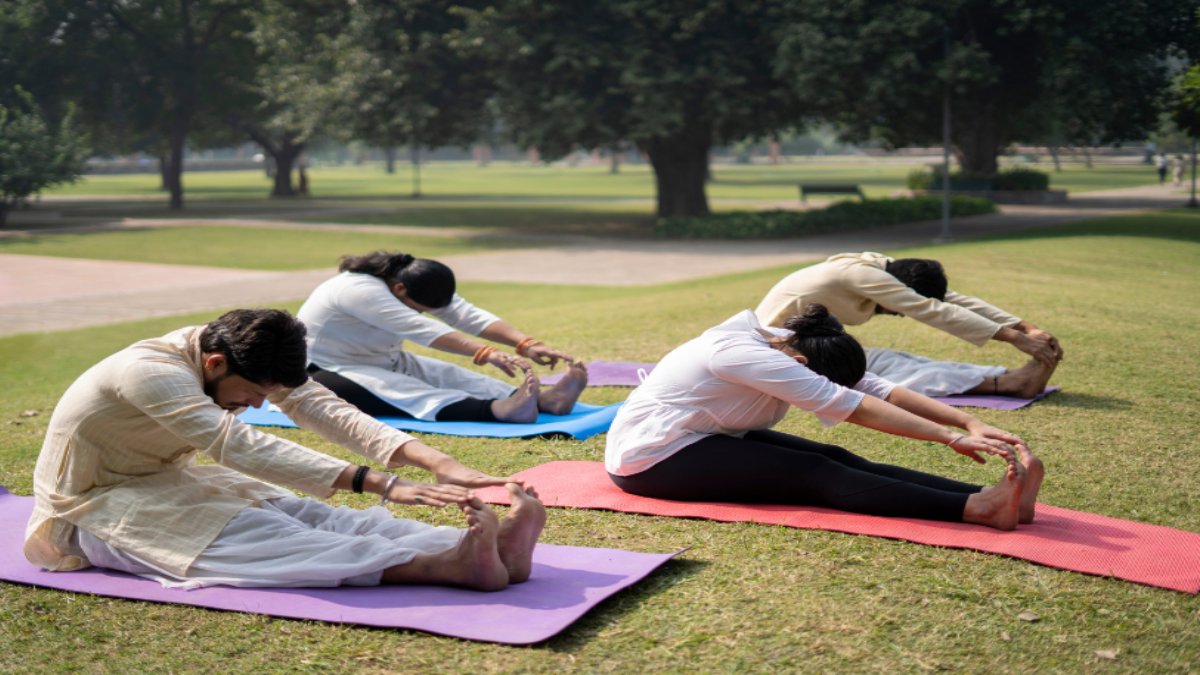
Regular yoga practice can support physical fitness as well as mental and emotional wellbeing. While the benefits can vary depending on the type and intensity of yoga, consistency is generally more important than performing advanced poses.
1. Improves flexibility
One of the most widely recognised benefits of yoga is improved flexibility. Regularly moving through controlled stretches can gradually increase the range of motion of muscles and joints.
Related Articles
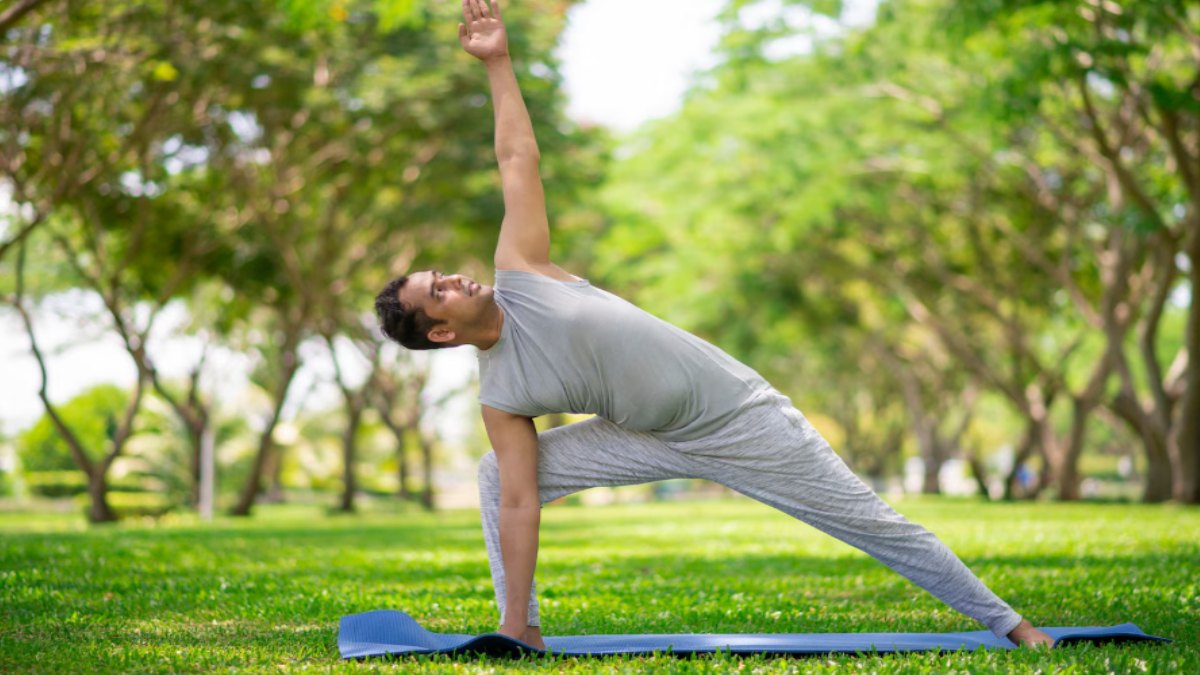

Improved flexibility may make everyday movements easier and can complement other forms of physical activity. Beginners do not need to be able to touch their toes or perform difficult poses. Flexibility generally develops gradually with regular practice.
2. Builds strength
Yoga can also strengthen muscles, particularly when poses require you to support or stabilise your body weight.
Postures such as plank, chair pose and warrior variations can challenge the legs, arms, shoulders and core. More dynamic forms of yoga can provide a greater cardiovascular and muscular challenge, while gentler styles may focus more on mobility and relaxation.
Related Articles
3. Supports balance and coordination
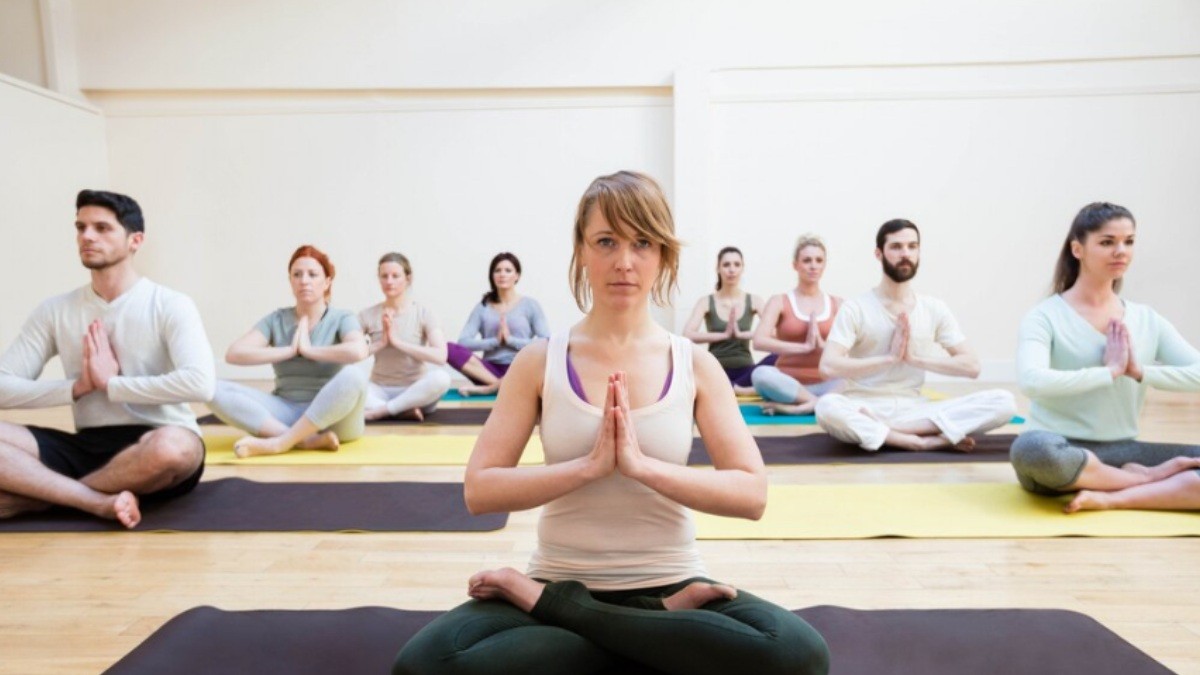
Balance can become increasingly important as people age. Yoga poses that require you to stand on one leg or maintain controlled body positions can help develop balance, coordination and body awareness.
Improving these abilities may also make everyday physical activities feel more stable and controlled.
4. Helps manage stress
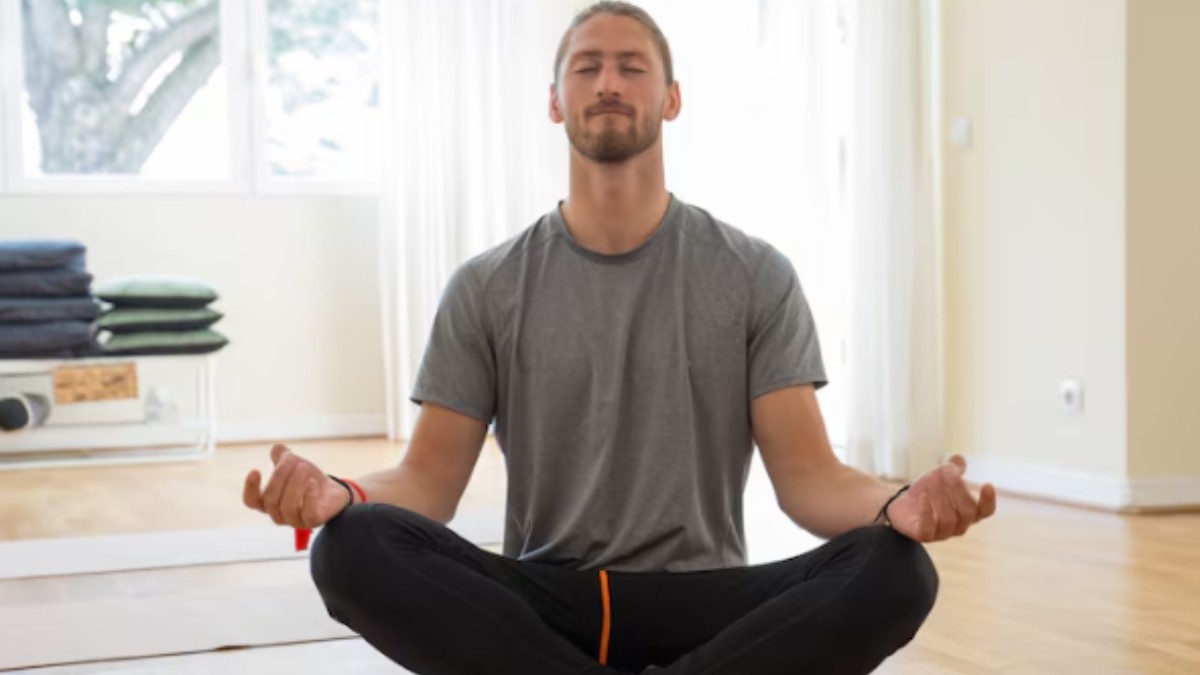
Yoga's combination of movement, breathing and mindfulness may help people manage stress.
Slow breathing and focused attention can encourage relaxation, while physical movement provides an opportunity to step away from daily distractions. Regular practice may be particularly useful for people who spend much of their day sitting, working at a computer or dealing with demanding schedules.
Yoga should not replace professional treatment for significant anxiety, depression or other mental health conditions, but it can complement appropriate care.
5. May support better sleep
Relaxation-based yoga and breathing exercises may help some people establish a calmer bedtime routine. Reducing physical tension and practising mindful breathing can make it easier to transition from an active day to rest.
Gentle stretching before bed may also help people who experience stiffness or tension.
6. Encourages better posture and body awareness
Modern lifestyles often involve long periods of sitting, which can contribute to poor posture and muscle tension. Yoga encourages awareness of spinal alignment, muscle engagement and body positioning.
Developing greater body awareness can help people recognise habits such as slouching or holding unnecessary tension in the shoulders and neck.
7. Supports cardiovascular health
Some forms of yoga are physically demanding and can raise the heart rate, while gentler forms may contribute indirectly to cardiovascular health by supporting stress management and an active lifestyle.
Yoga should not be viewed as a complete replacement for aerobic exercise. Combining it with activities such as walking, cycling or swimming can provide a more comprehensive fitness routine.
8. Can complement healthy weight management
Yoga alone is not necessarily a high-calorie-burning workout, particularly when practising gentle styles. However, it can support an overall healthy lifestyle by improving physical activity, body awareness and stress management.
More vigorous styles can provide a greater physical challenge, while yoga may also make people more comfortable and consistent with regular exercise.
9. Encourages mindfulness
A key aspect of yoga is paying attention to the body and breath. This mindful approach can encourage people to become more aware of physical sensations, movement patterns and emotional responses.
Over time, this awareness may help individuals develop healthier habits and recognise when their body needs rest or recovery.
How often should you practise yoga
There is no universal schedule that works for everyone. Beginners can start with short sessions several times a week and gradually increase duration as they become more comfortable.
Consistency is often more useful than trying to complete an intense session occasionally. Combining yoga with strength training, aerobic exercise and adequate recovery can create a balanced fitness routine.
Practice safely
Yoga is generally suitable for many people, but some poses may not be appropriate for everyone. Beginners should learn proper technique and avoid forcing the body into positions that cause pain.
People with injuries, significant health conditions, pregnancy-related concerns or limited mobility should discuss appropriate exercise with a qualified healthcare professional and, where appropriate, work with an experienced yoga instructor.
Yoga offers a combination of movement, breathing and mindfulness that can benefit both physical and mental wellbeing. From flexibility, strength and balance to stress management, sleep and body awareness, regular practice can become a valuable part of a healthy lifestyle.
The goal of yoga does not have to be mastering complicated poses. For many people, its greatest value lies in developing a sustainable practice that helps them move comfortably, breathe consciously and make time for their overall wellbeing.




Comments 0