
Yoga has become a popular part of healthy lifestyles around the world, and for good reason. More than a form of exercise, yoga combines physical postures, controlled breathing and mindfulness to encourage a balanced approach to wellbeing. A regular practice may support flexibility, strength, balance, mobility and stress management while also providing an opportunity to slow down and become more aware of the body.
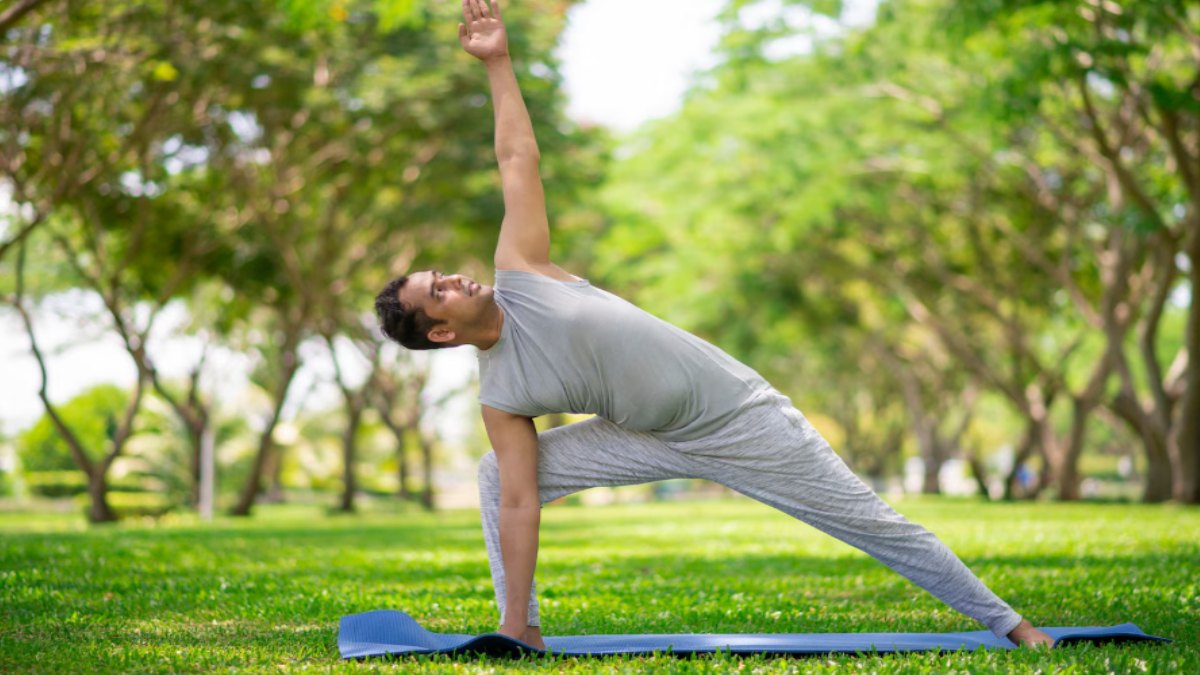
One of the appealing aspects of yoga is its adaptability. Beginners can start with simple movements and gradually progress, while experienced practitioners can explore more challenging poses and sequences. Yoga can also be modified for different fitness levels and physical abilities.
Yoga Can Improve Flexibility
Flexibility naturally varies from person to person, and it can change with age and activity levels. Regular yoga practice involves controlled stretching that can help maintain or improve range of motion over time.
Related Articles
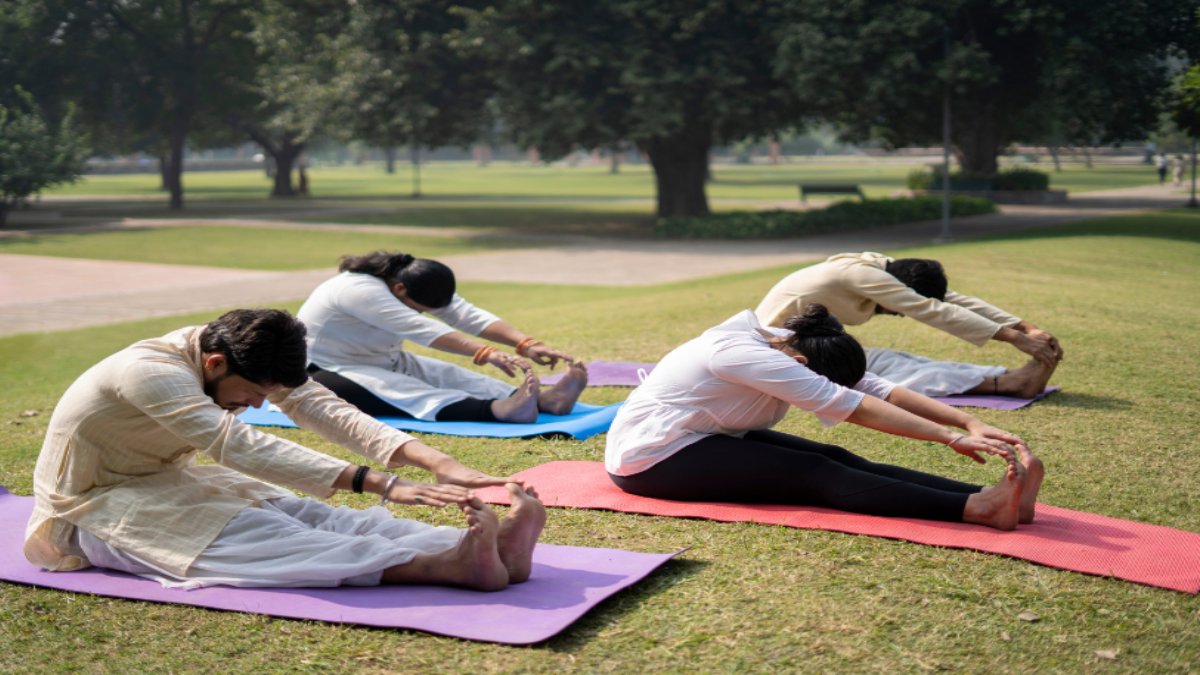
Poses such as Cat-Cow, Child's Pose, gentle seated stretches and standing movements can introduce beginners to mobility work without requiring advanced flexibility.
It is important not to force a stretch. Yoga should generally feel challenging but controlled rather than painful.
Supports Strength and Muscle Endurance
Yoga is not limited to stretching. Many postures require the body to support its own weight, which can challenge different muscle groups.
Related Articles
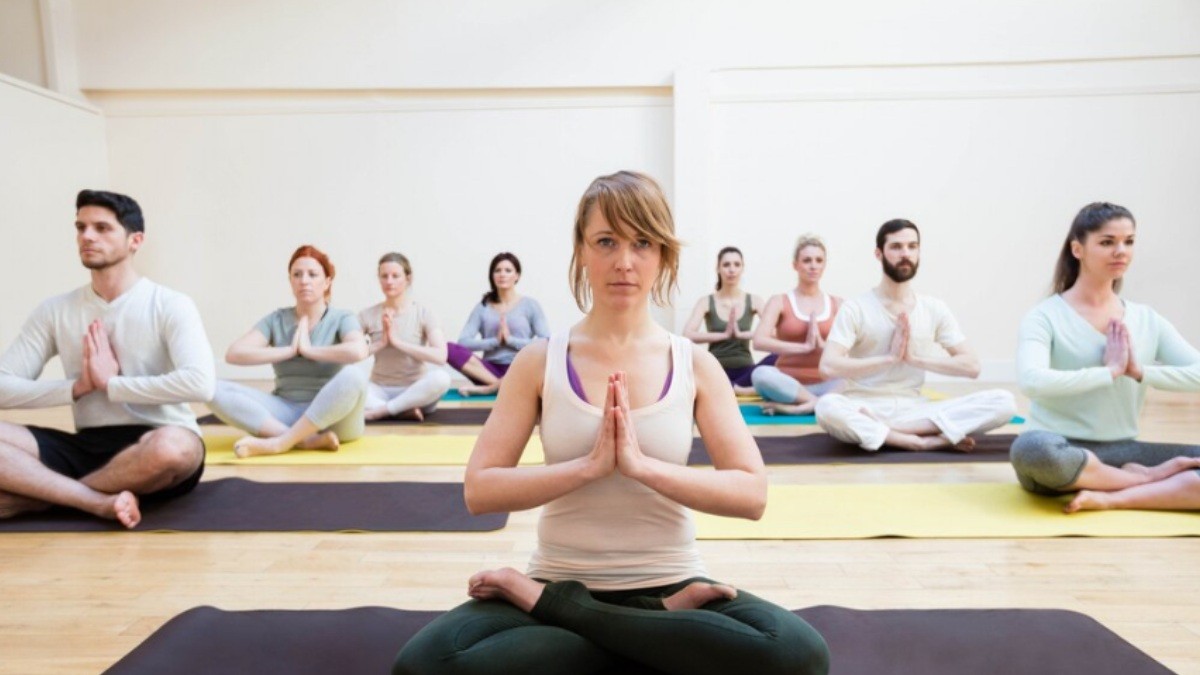
Plank, Chair Pose, Warrior poses and Bridge Pose can engage the legs, core, shoulders and other muscles. Holding a posture with proper alignment can gradually improve muscular endurance.
People looking to build significant muscle strength may benefit from combining yoga with other forms of resistance training.
Helps Improve Balance
Balance becomes increasingly important as people age. Yoga includes many standing postures that challenge stability and body awareness.
Tree Pose, for example, requires concentration while standing on one leg. Beginners can practise near a wall or sturdy surface for support.
Improving balance can be particularly useful as part of a broader fitness routine that includes strength, mobility and cardiovascular activity.
May Help Manage Stress
Modern lifestyles can leave people feeling mentally overloaded. Yoga often incorporates breathing exercises, focused attention and relaxation, which may help people manage everyday stress.
Slow movements combined with deliberate breathing can encourage a calmer state of mind. A short yoga session may also provide a useful break from work, screens and other daily distractions.
Yoga should not be considered a replacement for professional treatment for anxiety, depression or other mental health conditions, but it may complement appropriate care.
Encourages Better Body Awareness
Yoga asks practitioners to pay attention to breathing, posture, movement and physical sensations. This increased awareness can help people recognise tension or discomfort earlier.
Over time, this mind-body connection may encourage healthier movement habits. Practising with attention rather than simply trying to achieve difficult poses is one of the central principles that makes yoga accessible to beginners.
Can Support Healthy Ageing
Maintaining mobility, strength and balance becomes increasingly valuable with age. Gentle yoga can be incorporated into an active lifestyle to help keep the body moving.
Older adults or people with mobility limitations may benefit from modified or chair-based yoga under appropriate guidance. The safest approach is to choose movements suited to individual abilities.
Simple Yoga Poses for Beginners
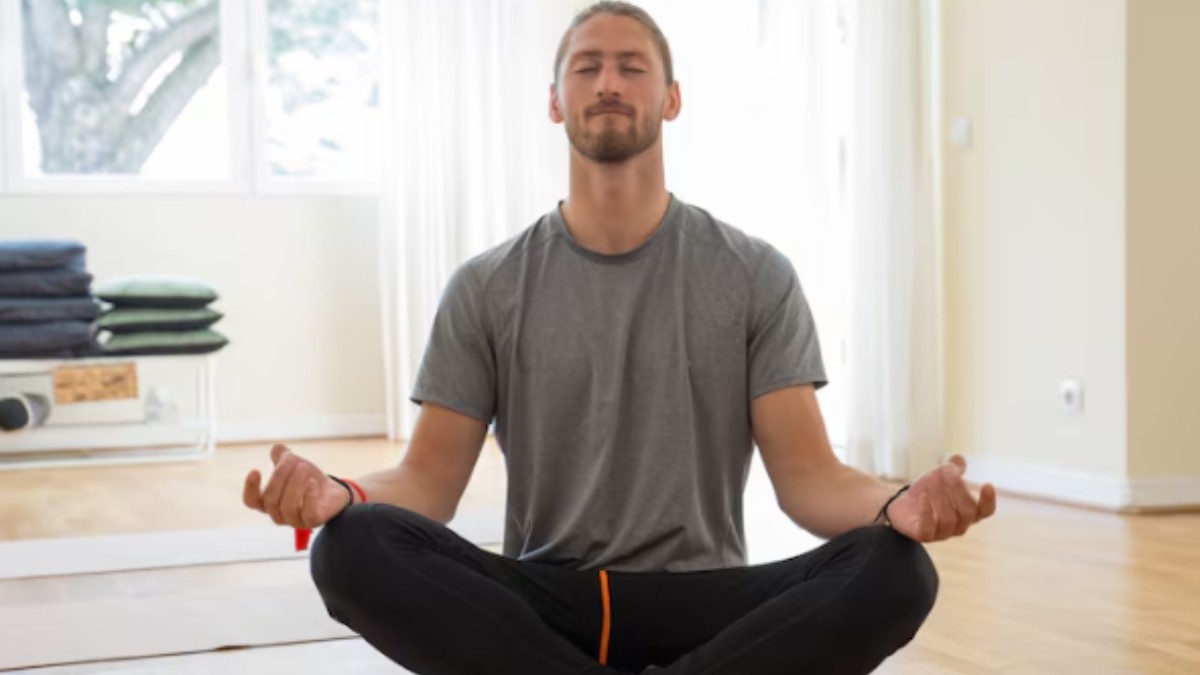
People new to yoga do not need to begin with complicated poses. A basic routine might include Mountain Pose, Cat-Cow, Child's Pose, Downward-Facing Dog, gentle Warrior variations and a comfortable seated breathing exercise.
Starting with five to 15 minutes can make the habit easier to maintain. As comfort and confidence improve, sessions can gradually become longer.
Breathing Is an Important Part of Yoga
Yoga often combines movement with conscious breathing. Rather than holding the breath during challenging poses, beginners should aim for steady and comfortable breathing.
Simple breathing exercises can be practised separately from physical postures. If a breathing technique causes dizziness, discomfort or unusual symptoms, stop and return to normal breathing.
How Often Should You Practise
Consistency is generally more useful than trying to complete an intense session occasionally. A short practice several times a week may be easier to maintain than an ambitious routine that quickly becomes overwhelming.
Yoga can also complement walking, swimming, cycling, strength training and other forms of physical activity. A varied exercise routine can help address different aspects of fitness.
Practise Safely
Yoga is generally considered safe when practised appropriately, but injuries can occur, particularly when people force movements or attempt advanced poses without sufficient preparation.
Warm up gradually, respect your range of motion and avoid comparing your flexibility with other practitioners. Anyone with an injury, significant health condition, pregnancy-related concerns or other medical considerations should ask an appropriate healthcare professional about suitable forms of exercise.
Yoga can be a valuable part of a healthy lifestyle because it brings together movement, flexibility, balance, strength, breathing and mindfulness. Its benefits are best viewed as part of an overall approach that also includes nutritious food, adequate sleep, regular physical activity and appropriate healthcare.
You do not need to be extremely flexible or experienced to begin. Start with simple poses, practise consistently and focus on how your body feels rather than how a pose looks. With patience and appropriate guidance, yoga can become a sustainable practice that supports both physical wellbeing and everyday mental calm.




Comments 0