
Yoga and Pilates have become popular forms of exercise for people looking for ways to improve physical fitness while also supporting mental wellbeing. Both practices involve controlled movements, body awareness and focused breathing, but they have different origins and approaches.
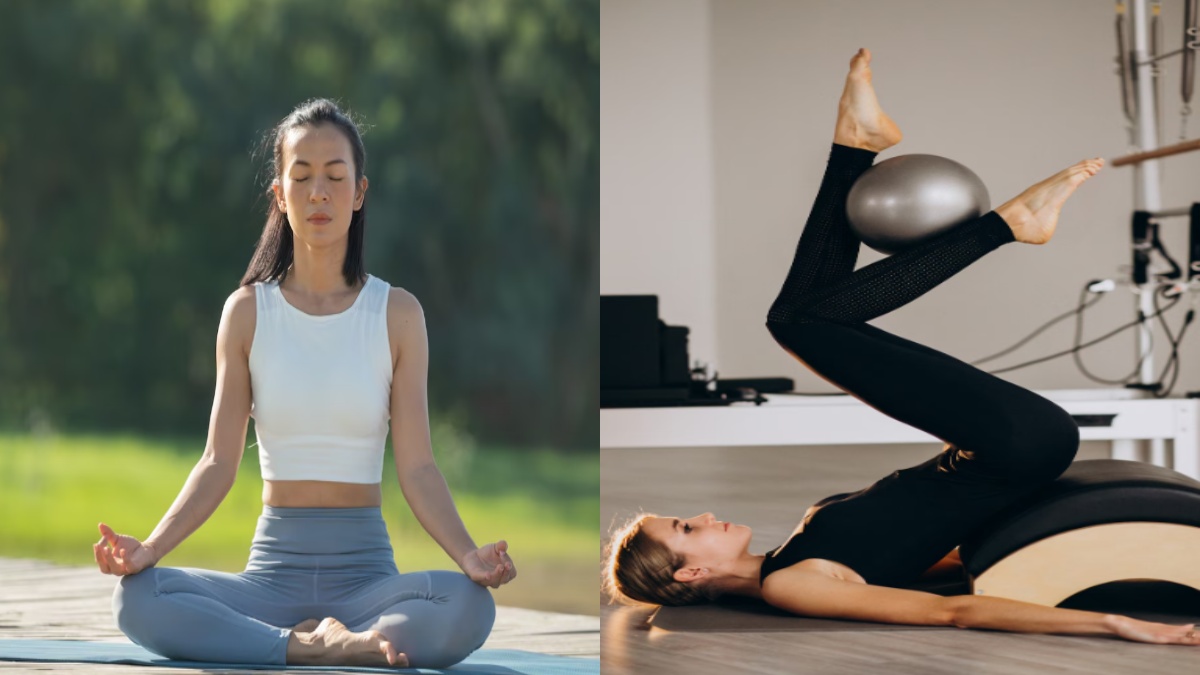
Yoga has roots in ancient Indian traditions and incorporates physical postures, breathing practices and mindfulness. Pilates was developed as a system of controlled exercises designed to improve strength, posture and movement.
Both can be adapted for beginners and people with different fitness levels. While neither should be viewed as a cure for medical conditions, regular practice can contribute to a healthy and active lifestyle.
Related Articles

1. Improves Flexibility
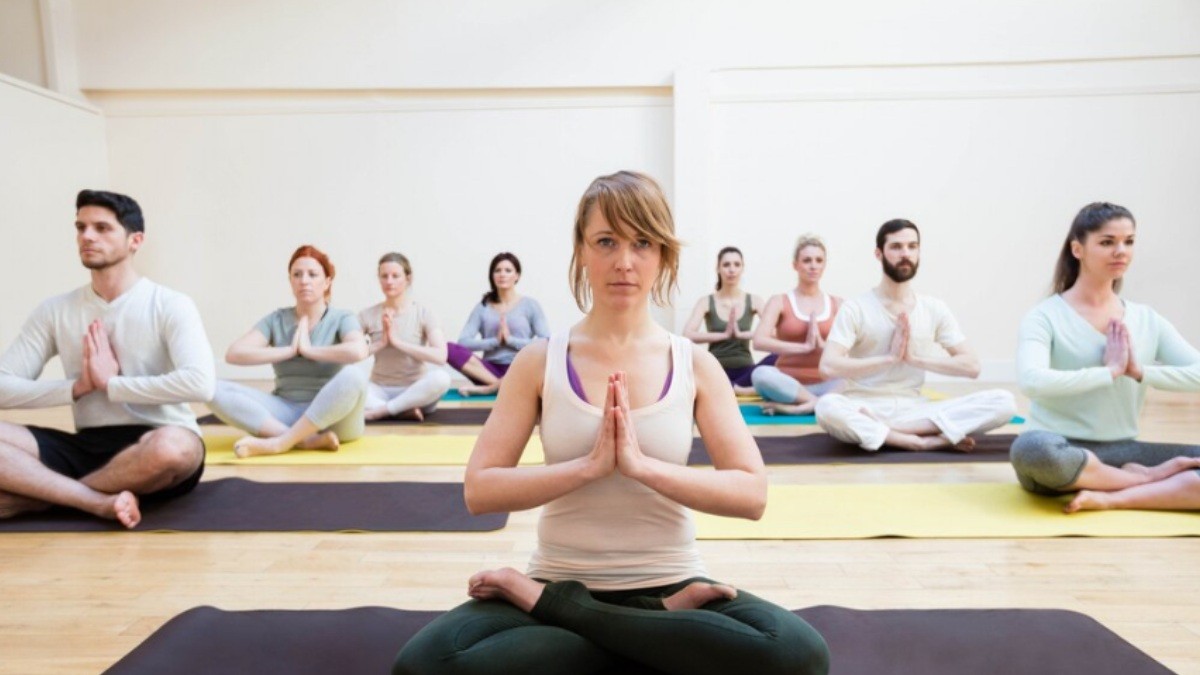
One of the most recognized benefits of yoga is its ability to support flexibility. Regular practice involves moving joints and muscles through controlled ranges of motion.
Pilates can also improve mobility by combining stretching with controlled strengthening exercises.
Better flexibility and mobility can make everyday movements more comfortable and may help people maintain physical independence as they age.
Related Articles
2. Builds Core Strength
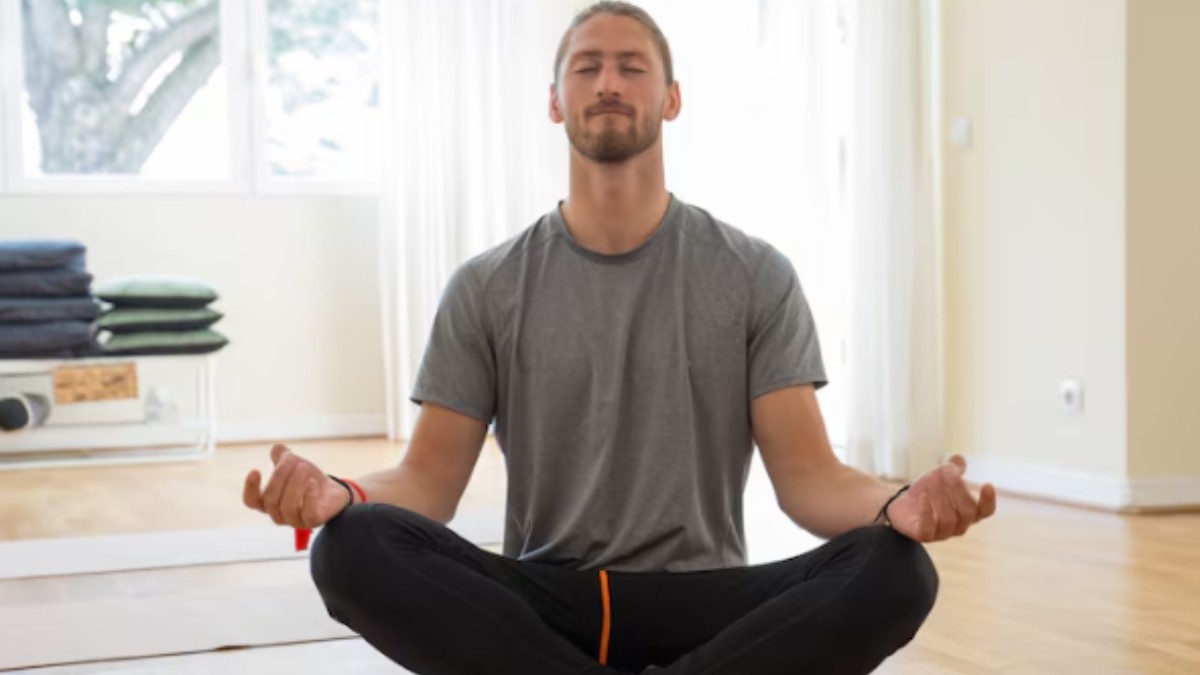
Pilates is particularly well known for its focus on the core muscles, including the abdominal, back and pelvic muscles.
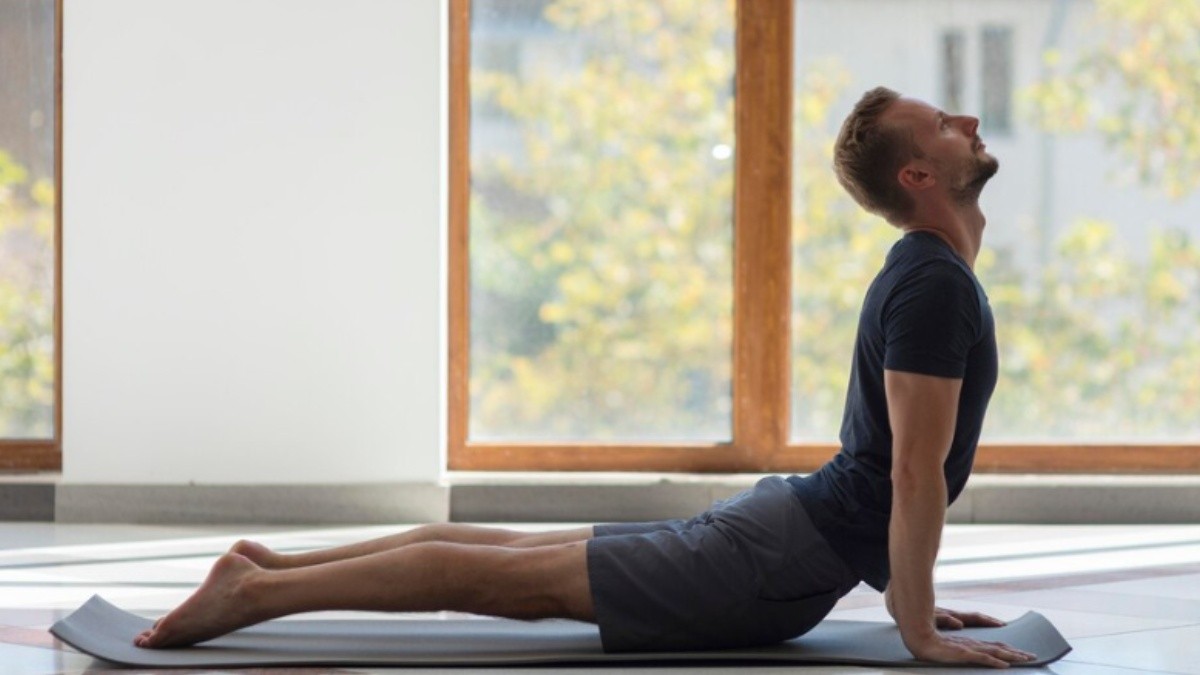
A stronger core can support posture and help the body perform everyday movements more efficiently. Many yoga poses also require the abdominal and back muscles to stabilize the body.
Core strength is not simply about appearance. It contributes to balance, stability and functional movement.
3. Supports Better Balance
Balance naturally becomes more important as people age. Yoga includes numerous standing and single-leg postures that challenge stability and body awareness.
Pilates also uses controlled movements that can improve coordination and awareness of body positioning.
Developing better balance can be particularly valuable for older adults, although exercises should be adapted appropriately for individual ability.
4. May Improve Posture
Long periods of sitting, computer use and smartphone use can contribute to poor movement habits and muscular imbalance.
Both yoga and Pilates encourage awareness of spinal alignment and body positioning. Pilates, in particular, emphasizes controlled movement and core stability.
Improved posture can make standing and sitting more comfortable and may help people become more aware of how they hold their bodies during everyday activities.
5. Supports Stress Management
Yoga is widely practiced as a relaxation and stress-management activity because it combines physical movement, breathing and mindfulness.
Slowing down and focusing on breathing can provide a break from daily demands. Some people find that yoga helps them feel calmer and more mentally focused.
Pilates can also promote concentration because exercises require attention to breathing, alignment and controlled movement.
Neither practice should replace professional treatment for significant anxiety, depression or other mental health conditions, but both may complement a broader approach to wellbeing.
6. Strengthens Muscles Without High-Impact Movement
Yoga and Pilates can provide resistance through bodyweight, controlled movement and, in Pilates, equipment such as resistance bands or reformers.
Because many exercises are low-impact, they can be appealing to people who prefer alternatives to running or other high-impact activities.
However, low-impact does not mean effortless. Certain advanced yoga poses and Pilates exercises can be physically demanding.
7. Encourages Mind-Body Awareness
Both practices emphasize paying attention to how the body moves.
Yoga encourages practitioners to connect movement and breath, while Pilates places strong emphasis on controlled and precise movements.
This increased awareness can help people recognize tension, fatigue and movement patterns. It may also encourage a more mindful approach to physical activity.
8. May Support Sleep and Relaxation
Stress and an overly active mind can interfere with sleep. Gentle yoga, breathing exercises and relaxation techniques may help some people transition into a calmer state before bedtime.
A slow evening routine can become part of a consistent sleep schedule. However, persistent sleep problems should be discussed with a healthcare professional.
Yoga vs Pilates: Which Is Better
There is no single answer because the two practices have different strengths.
Yoga may be especially appealing to people interested in flexibility, mindfulness, breathing exercises and relaxation.
Pilates may be attractive to those who want to emphasize core strength, stability, posture and controlled movement.
Some people enjoy incorporating both into their weekly routine. They can complement activities such as walking, swimming and strength training.
Tips for Beginners
If you are new to yoga or Pilates, start with a beginner-level class or programme. Learn the basic movements before attempting advanced positions.
Avoid forcing your body into a stretch or continuing an exercise that causes sharp or significant pain. A qualified instructor can demonstrate modifications and help ensure proper technique.
People who are pregnant, recovering from an injury or living with a medical condition should seek appropriate professional guidance before starting or modifying an exercise programme.
Yoga and Pilates can both contribute to a well-rounded fitness routine. Their potential benefits include improved flexibility, core strength, balance, posture, body awareness and stress management.
The most important factor is consistency. A moderate routine that you enjoy and can maintain regularly is generally more useful than an intense programme that quickly becomes unsustainable.
Whether you choose yoga, Pilates or a combination of both, these practices can be valuable additions to an active lifestyle when performed safely and appropriately.




Comments 0