
Workplace stress has become a common concern for employees across industries. Tight deadlines, long working hours, demanding workloads, constant digital communication and limited opportunities for breaks can contribute to physical and mental fatigue. While organisations are increasingly exploring wellness initiatives, workplace yoga has emerged as one accessible way to encourage employees to pause, move and reset during the working day.

Yoga combines physical postures, controlled breathing and relaxation practices. When adapted appropriately for the workplace, even a short session can provide employees with an opportunity to step away from their screens and focus on their bodies and breathing.
How Workplace Stress Affects Employees
Short periods of stress can be a normal response to demanding situations. However, prolonged or poorly managed stress can contribute to tiredness, difficulty concentrating, irritability, sleep problems and reduced wellbeing.
Related Articles

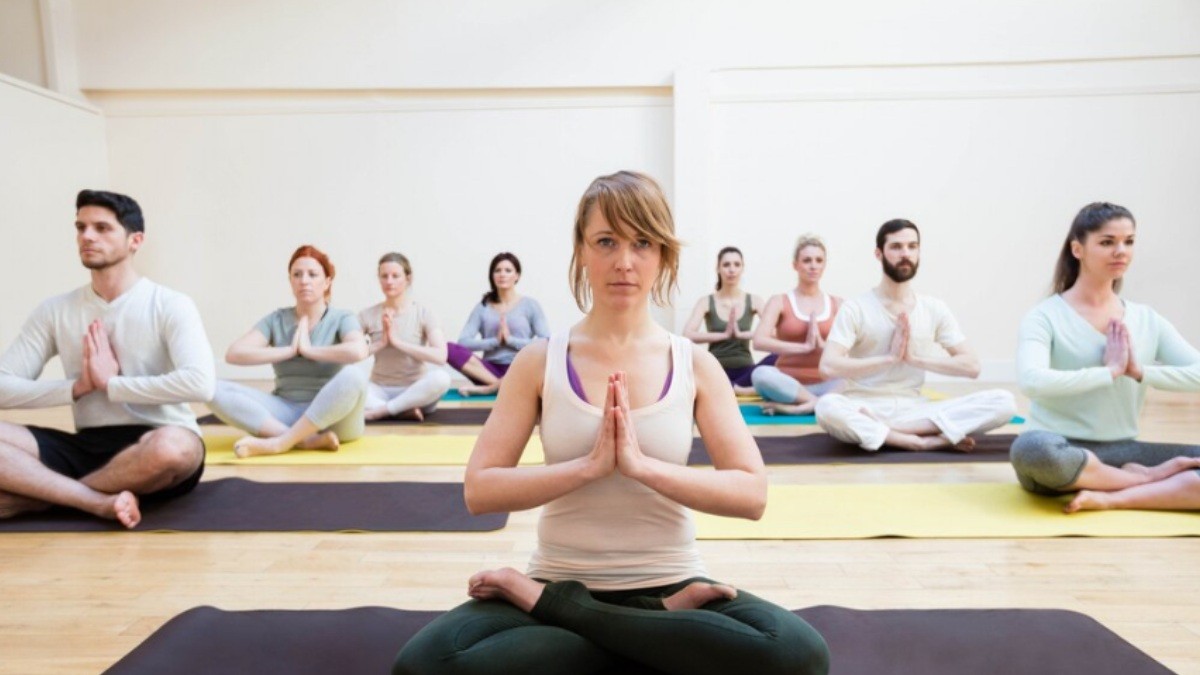
Employees who spend many hours sitting may also experience neck, shoulder and back discomfort. Long periods of screen use can contribute to physical tension and fatigue.
A workplace wellness programme cannot eliminate the causes of excessive workload or poor working conditions, but activities such as yoga may complement broader efforts to create a healthier workplace.
How Yoga May Help With Stress
One of the key features of yoga is its emphasis on breathing and mindful movement. Slow, controlled breathing may encourage relaxation and help people become more aware of physical tension.
Related Articles

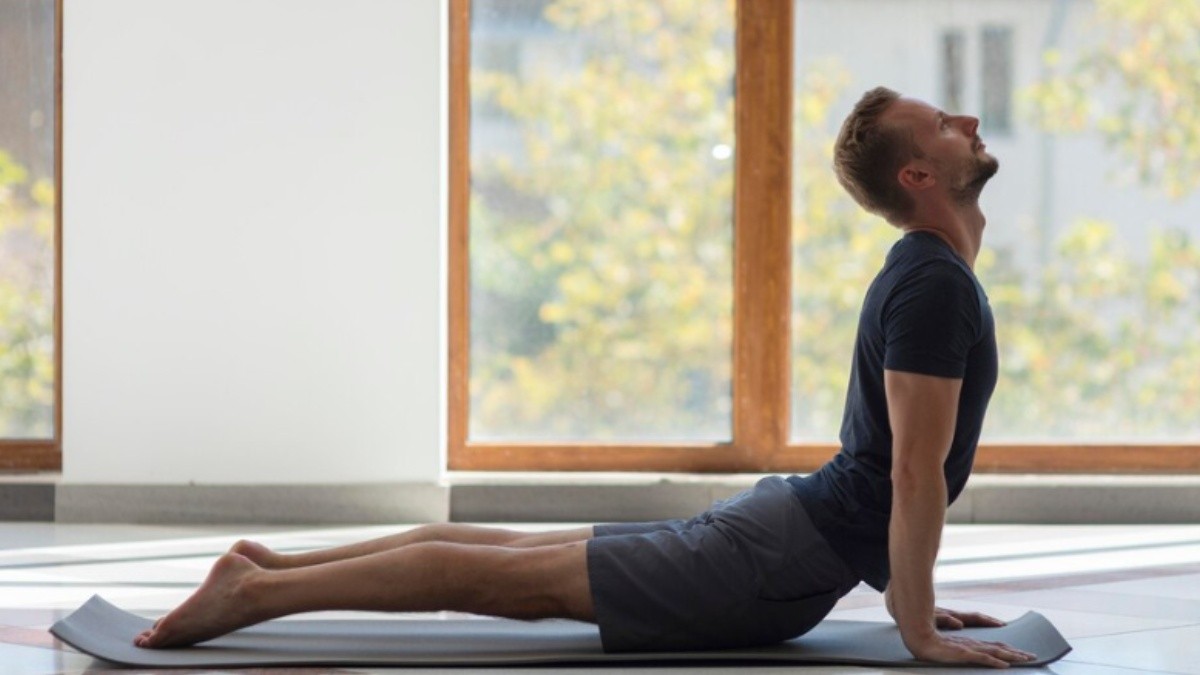
A short yoga session can also provide a structured break from work-related tasks. Instead of continuing to stare at a screen, employees have an opportunity to stand, stretch, breathe and shift their attention.
Research on yoga and stress management has reported potential benefits for perceived stress and psychological wellbeing, although outcomes can vary between individuals and programmes.
Benefits for Desk-Based Employees
Office workers frequently spend extended periods sitting at desks. Gentle workplace yoga can incorporate movements designed to address areas that commonly become stiff during prolonged sitting.
Simple stretches involving the shoulders, neck, upper back, hips and legs can encourage movement throughout the day. Yoga does not necessarily require a large room, specialised equipment or athletic ability.
Chair-based yoga can be particularly useful in offices where employees cannot easily change into exercise clothes or move to a dedicated studio.
Supporting Mental Wellbeing
Workplace yoga may also support mental wellbeing by encouraging mindfulness and relaxation. Focusing attention on breathing and movement can give employees a temporary break from multitasking.
A calmer approach may help some people return to their responsibilities feeling more focused. However, yoga should be viewed as a complementary wellness activity rather than a replacement for professional mental health care.
Employees experiencing persistent anxiety, depression, severe stress or other mental health concerns should have access to appropriate healthcare and workplace support.
Encouraging Healthy Workplace Culture
Introducing yoga at work can also send a positive message about employee wellbeing. When managers allow workers to take reasonable breaks and participate without fear that it will affect perceptions of productivity, wellness initiatives are more likely to be embraced.
Organisations can offer short sessions before work, during lunch or at suitable breaks. Virtual sessions may also make participation possible for remote or hybrid employees.
Importantly, participation should be voluntary. Not every employee will enjoy yoga, and workplaces should offer a range of wellbeing options rather than presenting one activity as a universal solution.
Making Workplace Yoga Accessible
A successful workplace yoga programme should accommodate different fitness levels, ages and physical abilities. Instructors should provide modifications and encourage participants to work within their comfort levels.
Employees should not be pressured to perform difficult poses. Workplace yoga can focus on gentle stretches, breathing exercises, mobility and relaxation rather than advanced physical postures.
People with injuries, certain medical conditions or specific physical limitations should consult an appropriate healthcare professional about whether particular exercises are suitable for them.
Yoga and Productivity: A Balanced Perspective
It can be tempting to claim that workplace yoga automatically makes employees more productive. The reality is more nuanced. Yoga may support wellbeing, reduce perceived stress and encourage movement, which could indirectly contribute to better concentration and work satisfaction.
However, workplace wellness activities should not be used to compensate for excessive workloads, inadequate staffing or unhealthy organisational cultures. Genuine employee wellbeing requires reasonable workloads, supportive management, adequate rest and a psychologically safe environment.
Creating a Sustainable Wellness Programme
For employers considering workplace yoga, consistency may be more useful than occasional large events. Short, regular sessions can be easier to incorporate into working schedules.
Companies can combine yoga with other initiatives such as walking breaks, ergonomic assessments, mental health resources, healthy food options and flexible working arrangements.
Workplace yoga can be a practical addition to an employee wellness programme. By combining gentle movement, breathing and moments of relaxation, it may help employees manage everyday stress, reduce physical tension and reconnect with their wellbeing during a busy workday.
The greatest benefit comes when yoga is part of a broader workplace culture that genuinely values employee health. A few minutes of mindful movement cannot solve every source of workplace stress, but it can provide employees with a simple opportunity to pause, breathe and take care of themselves.




Comments 0