
Yoga is now practised in gyms, studios, schools, workplaces and homes across the world. For millions of people, it is associated with stretching, flexibility, physical fitness, breathing exercises, stress management and meditation. Yet the modern image of yoga is only one part of a much longer and more complex history.
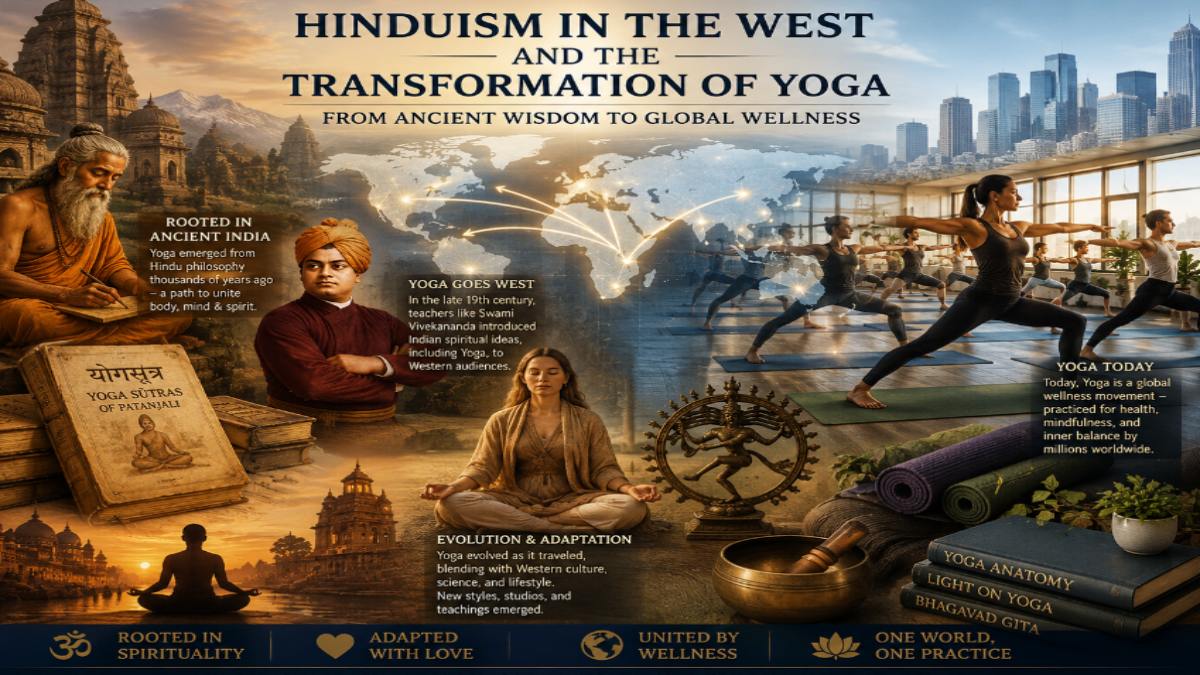
Yoga developed within the religious and philosophical traditions of India, including Hindu traditions, while related practices and ideas also developed within Buddhism and Jainism. Over time, yoga travelled beyond South Asia and underwent significant changes as it encountered new cultures, teachers and ideas. Its journey to the West transformed not only how yoga was practised but also how it was understood.
Yoga's Roots in Indian Philosophy
The word "yoga" comes from the Sanskrit root yuj, commonly associated with joining, connecting or bringing together. Classical yoga traditions explore the relationship between the body, mind and consciousness and include ethical principles, meditation, disciplined practice and spiritual inquiry.
Related Articles
One of the most influential texts associated with yoga is Patanjali's Yoga Sutras, a foundational philosophical work that describes an eight-limbed path. These limbs include ethical observances, physical posture, breath regulation, withdrawal of the senses, concentration, meditation and deeper states of consciousness.
Yoga's history, however, cannot be reduced to a single text or tradition. Different schools of Indian philosophy developed their own approaches to yoga, while physical and contemplative practices evolved over many centuries.
How Yoga Reached the West
Interest in Indian philosophy grew in Europe and North America during the 19th century. Writers, scholars and spiritual seekers began studying Indian texts and ideas, contributing to a growing Western fascination with Hindu philosophy and Indian spirituality.
Related Articles


Indian teachers also played an important role in introducing these traditions to Western audiences. Swami Vivekananda, for example, presented ideas related to yoga and Vedanta to audiences in the United States and Europe in the late 19th century.
His teachings emphasized meditation, philosophy and spiritual development rather than the fitness-oriented approach commonly associated with yoga today.
During the 20th century, other Indian teachers and yoga practitioners further expanded the practice's international reach.
The Rise of Modern Postural Yoga
One of the most significant transformations involved the growing emphasis on physical postures, commonly known as asanas.
Traditional yoga included physical practices, but modern yoga developed through interactions between Indian traditions, physical culture, gymnastics and other exercise systems. During the 20th century, influential teachers helped establish systems of yoga that placed greater emphasis on sequences of postures, flexibility, strength and breath.
As yoga studios became increasingly popular in Western countries, the physical dimension often became the most visible part of the practice.
This helped make yoga accessible to people who might not have been interested in its philosophical or religious dimensions.
Yoga as a Wellness Practice
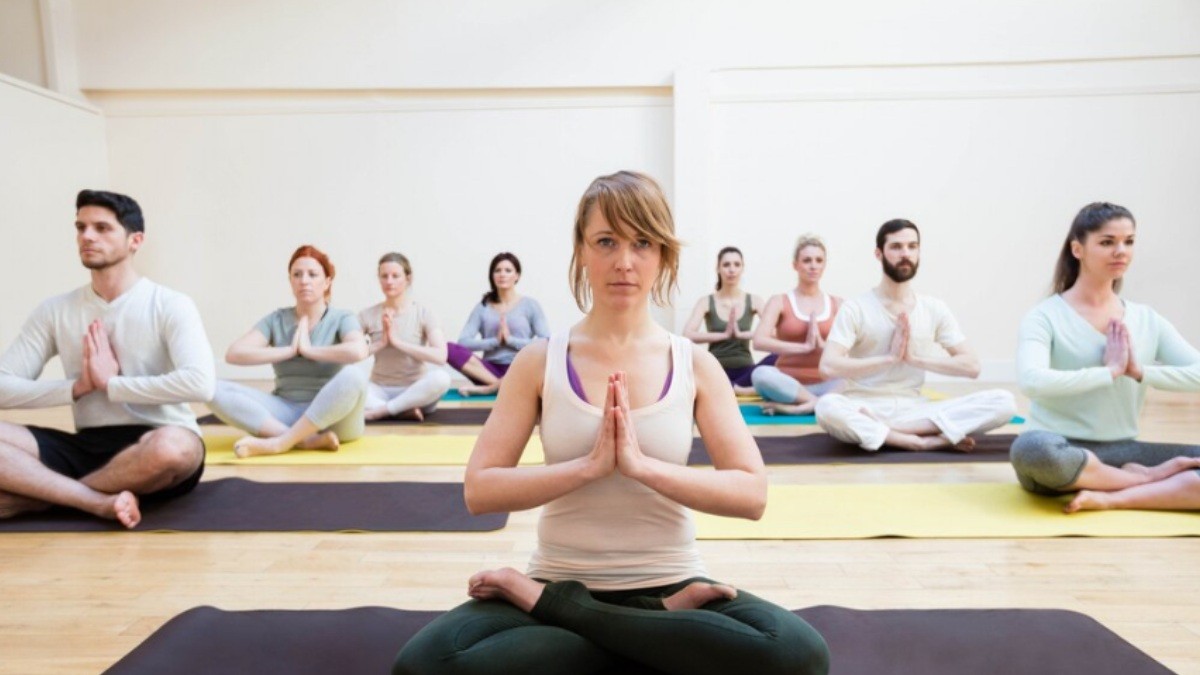
In contemporary Western culture, yoga is frequently marketed as a tool for relaxation, flexibility, fitness and stress reduction.
Yoga classes may range from gentle restorative sessions to physically demanding styles involving continuous movement. Meditation and breathing techniques may be included, but they are not always central to every class.
This shift has made yoga a major part of the global wellness industry. Yoga clothing, retreats, teacher-training programs, studios, digital classes and wellness products have created a large commercial ecosystem around the practice.
For many practitioners, this modern form of yoga provides genuine physical and psychological benefits while remaining separate from religious belief.
The Question of Cultural Context
The transformation of yoga has also generated discussions about cultural ownership and context.
Some critics argue that presenting yoga exclusively as a modern fitness activity can disconnect it from its Indian philosophical and cultural roots. Others point out that yoga has always evolved across different historical periods and communities.
A balanced understanding recognizes both realities: yoga has undergone significant transformation, and its Indian origins remain an important part of its history.
Learning about the philosophical traditions behind yoga does not require every practitioner to adopt Hindu religious beliefs. It can, however, provide greater historical awareness and appreciation for the practice.
Yoga Beyond Religion
Yoga's global popularity raises an important distinction between yoga as a spiritual or philosophical discipline and yoga as a contemporary wellness activity.
For some practitioners, yoga remains deeply connected to meditation, self-inquiry, devotion and spiritual development. For others, it is primarily a physical practice that helps them stretch, strengthen their bodies or relax after a stressful day.
Both approaches exist in today's yoga landscape, although they represent different interpretations of the tradition.
The Future of Yoga in the West
As yoga continues to evolve, there is growing interest in teaching practices with greater cultural and historical awareness. Some teachers incorporate Sanskrit terminology, traditional breathing practices, meditation and discussions of yoga philosophy alongside physical postures.
This approach can help practitioners understand that yoga is more than a sequence of exercises.
At the same time, modern adaptations will likely continue. Yoga has demonstrated an unusual ability to adapt to different cultures and lifestyles while retaining recognizable elements of its traditional heritage.
The journey of yoga from India to the West is a story of cultural exchange, adaptation and transformation. A practice rooted in Indian philosophical and spiritual traditions has become a worldwide phenomenon with applications ranging from meditation and self-inquiry to fitness and stress management.
Understanding Hinduism, Indian philosophy and the historical development of yoga provides valuable context for appreciating how the practice reached its modern form.
Yoga in the West may look very different from some of its traditional forms, but its global evolution also demonstrates the enduring appeal of practices that explore the relationship between body, breath, mind and consciousness.




Comments 0