
Yoga is one of the oldest systems of holistic health and self-development in the world. Originating in ancient India, yoga has evolved over thousands of years into a practice embraced by millions of people across different cultures and countries. While many people today associate yoga with physical postures and fitness, its roots extend far beyond exercise. Yoga is a comprehensive discipline that integrates the body, mind, and spirit, promoting physical health, mental clarity, emotional balance, and inner peace.

The history of yoga reflects a rich tradition of philosophy, spirituality, and practical techniques that have adapted over time while preserving their core principles. Understanding its historical journey helps us appreciate why yoga continues to remain relevant in modern life.
The Meaning of Yoga
The word "Yoga" comes from the Sanskrit word "Yuj," which means "to unite" or "to join." It symbolizes the union of the body, mind, and consciousness. Traditionally, yoga has been viewed as a path toward self-awareness, personal growth, and harmony with the world.
Related Articles
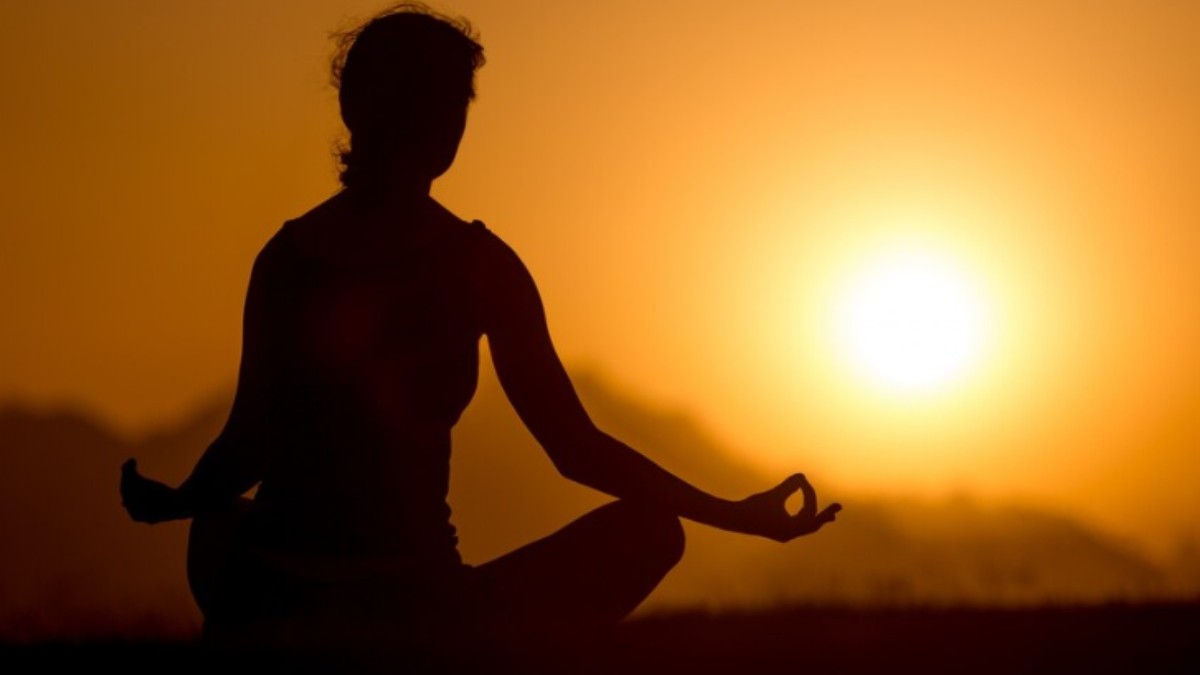
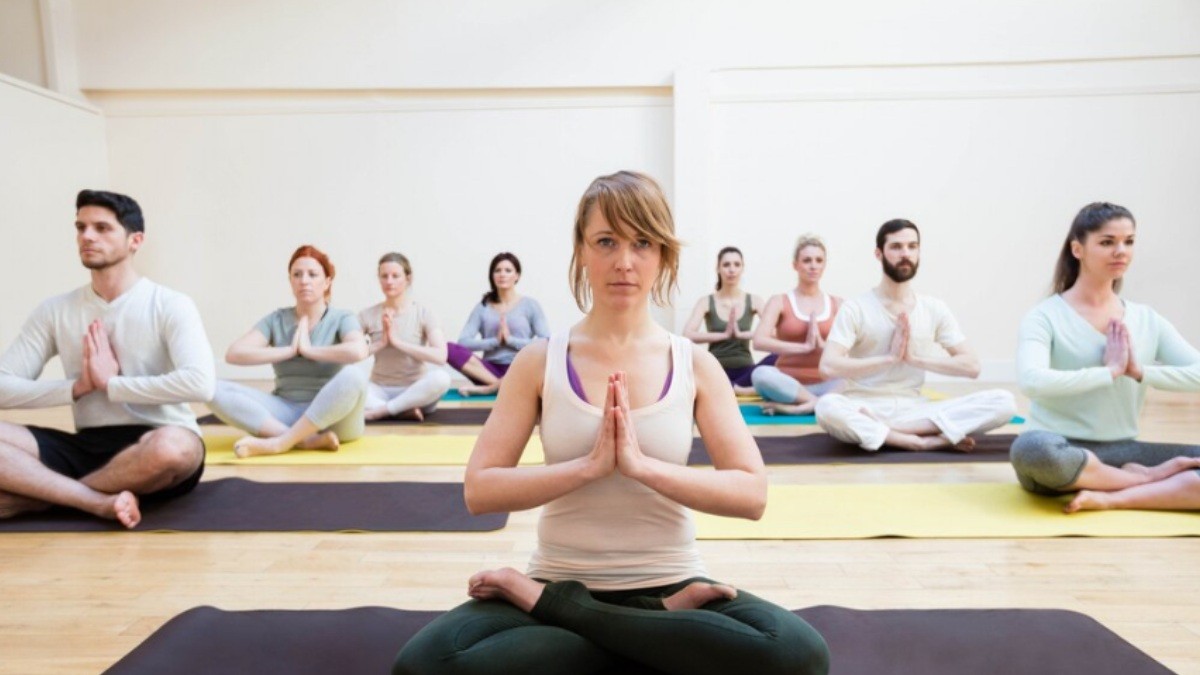
Rather than focusing solely on physical flexibility, classical yoga emphasizes achieving balance in every aspect of life through ethical living, disciplined practice, meditation, and mindfulness.
Ancient Origins of Yoga
The earliest evidence associated with yoga dates back several thousand years. Archaeological discoveries from the Indus Valley Civilization (around 2500–1900 BCE) include seals depicting figures seated in meditative postures. Although scholars continue to debate their exact significance, these artifacts are often cited as possible early representations of yogic practices.
The philosophical foundations of yoga became more clearly established in the Vedic period, when ancient Indian texts known as the Vedas discussed meditation, spiritual knowledge, and rituals aimed at achieving higher consciousness.
Related Articles


The Upanishads and Spiritual Development
Between approximately 800 and 200 BCE, the Upanishads expanded on many spiritual concepts found in the Vedas. These texts explored ideas about the nature of the self (Atman), the universe (Brahman), meditation, and liberation (Moksha).
The Upanishads encouraged introspection and self-realization, laying an important foundation for later yogic philosophy.
Patanjali and the Yoga Sutras
One of the most influential milestones in yoga's history was the compilation of the Yoga Sutras of Patanjali, believed to have been written between 200 BCE and 400 CE.
Rather than focusing primarily on physical exercise, Patanjali described yoga as a method for calming the fluctuations of the mind. His teachings introduced the Eight Limbs of Yoga (Ashtanga Yoga):
- Yama (ethical principles)
- Niyama (personal discipline)
- Asana (physical posture)
- Pranayama (breath control)
- Pratyahara (withdrawal of the senses)
- Dharana (concentration)
- Dhyana (meditation)
- Samadhi (deep absorption or spiritual enlightenment)
These eight principles continue to influence yoga practitioners around the world.
The Development of Hatha Yoga
Between the 9th and 15th centuries CE, Hatha Yoga emerged as a distinct tradition. Ancient texts such as the Hatha Yoga Pradipika emphasized physical postures, breathing exercises, cleansing techniques, and meditation as ways to prepare the body for spiritual practice.
Many of today's popular yoga styles trace their roots to Hatha Yoga, although modern classes often place greater emphasis on physical fitness than historical practices did.
Yoga's Journey to the West
Yoga began attracting international attention during the late 19th and early 20th centuries. One of the key figures in introducing yoga philosophy to Western audiences was Swami Vivekananda, who spoke at the Parliament of the World's Religions in Chicago in 1893.
Later, influential teachers such as T. Krishnamacharya, B.K.S. Iyengar, Pattabhi Jois, Indra Devi, and others helped popularize yoga as a practice combining movement, breath, and mindfulness.
Over time, yoga studios, teacher training programs, and wellness centers expanded across Europe, North America, Asia, and many other regions.
Yoga in the Modern World
Today, yoga is practiced by people of all ages and fitness levels. While styles vary, many include a combination of:
- Physical postures (Asanas)
- Controlled breathing (Pranayama)
- Meditation
- Relaxation
- Mindfulness
Scientific research suggests that regular yoga practice may support flexibility, balance, muscle strength, stress management, sleep quality, and overall well-being. However, yoga should complement not replace medical care for health conditions.
International Day of Yoga
Recognizing yoga's global significance, the United Nations declared June 21 as the International Day of Yoga in 2014, with the first celebration taking place in 2015.
The annual observance promotes awareness of yoga's potential benefits for physical and mental health while celebrating its cultural heritage.
Yoga Beyond Exercise
Although modern yoga classes often emphasize physical movement, traditional yoga encompasses a broader philosophy that includes:
- Ethical living
- Self-discipline
- Mindfulness
- Compassion
- Meditation
- Breath awareness
- Inner peace
Many practitioners view yoga as a lifelong journey rather than simply a fitness routine.
The history of yoga is a remarkable story of cultural heritage, philosophical wisdom, and continuous evolution. From its ancient origins in India to its widespread practice around the globe, yoga has remained relevant because of its holistic approach to health and well-being. Over thousands of years, it has adapted to changing societies while preserving its core purpose: fostering harmony between the body, mind, and spirit.




Comments 0