
Yoga can be a wonderful way to improve flexibility, strength, balance and body awareness while also creating moments of calm in a busy day. While attending a yoga class with an experienced instructor can be helpful, many people wonder whether it is possible to learn yoga by themselves. The answer is yes with patience, appropriate guidance and attention to safety, beginners can gradually develop a home yoga practice.
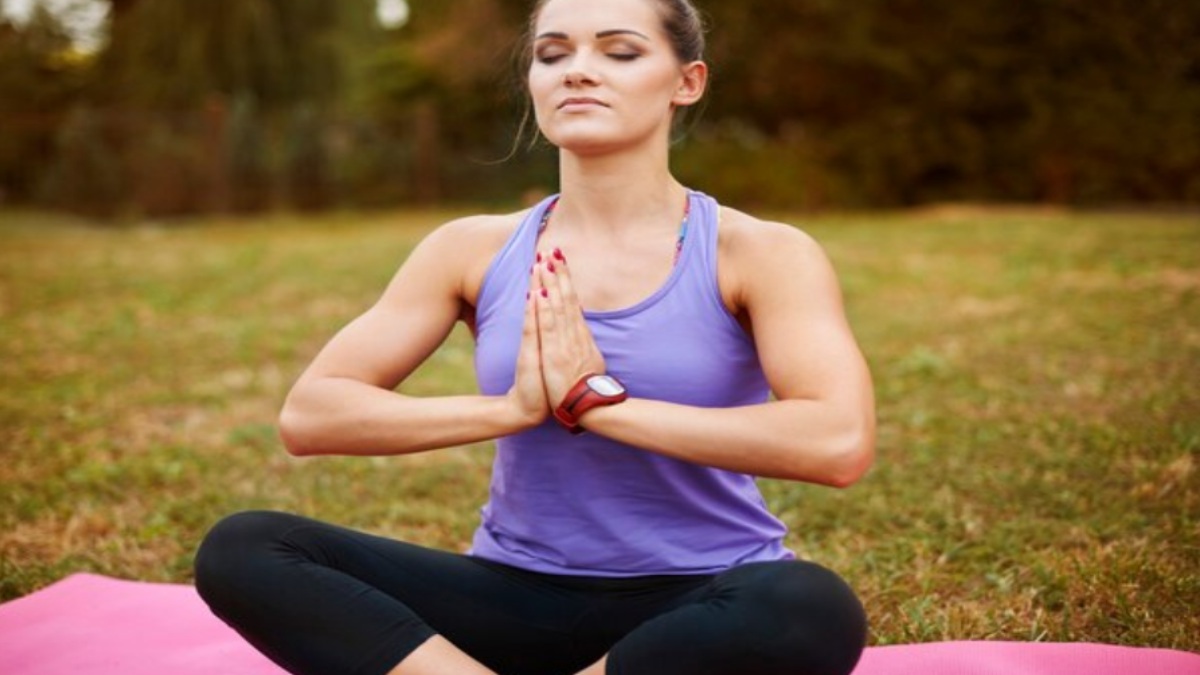
Learning yoga independently does not mean attempting advanced poses immediately. The goal should be to understand the fundamentals, practise regularly and gradually become more comfortable with movement and breathing.
Start With the Basics
If you are completely new to yoga, begin by learning what yoga involves. Yoga is more than a collection of stretching exercises. Traditional yoga practices can include physical postures, breathing techniques, meditation and mindfulness.
Related Articles
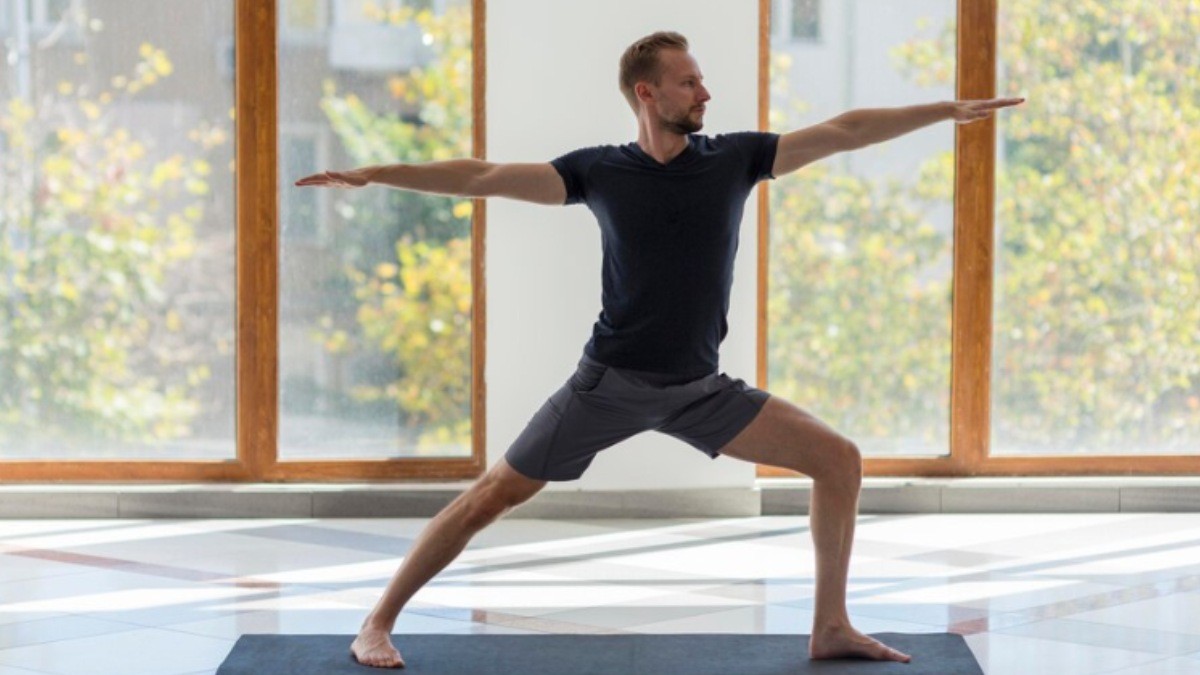
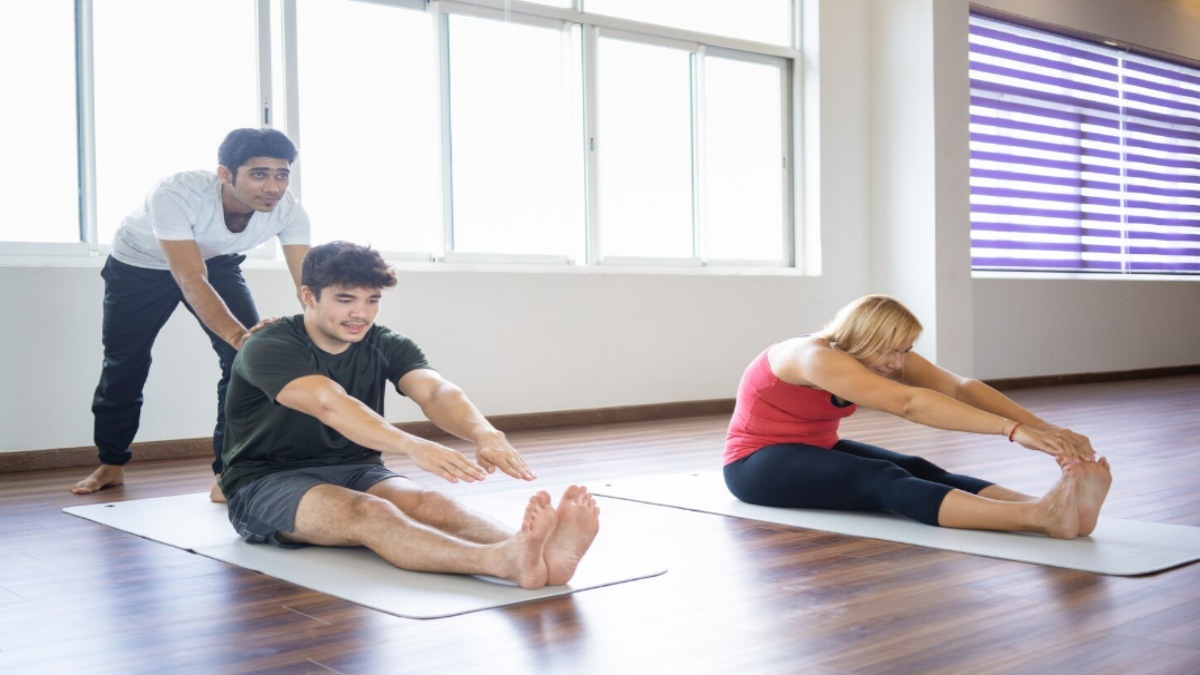
Start with simple postures such as Mountain Pose, Child’s Pose, Cat-Cow, Downward-Facing Dog and gentle seated stretches. Focus on understanding alignment and breathing rather than trying to achieve a particular shape.
Your body does not need to look like an instructor’s body in a yoga pose. Comfort, control and awareness are more important than flexibility.
Use Reliable Learning Resources
There are countless yoga videos, apps, books and online classes available today. This can make learning convenient, but it can also become confusing for beginners.
Related Articles
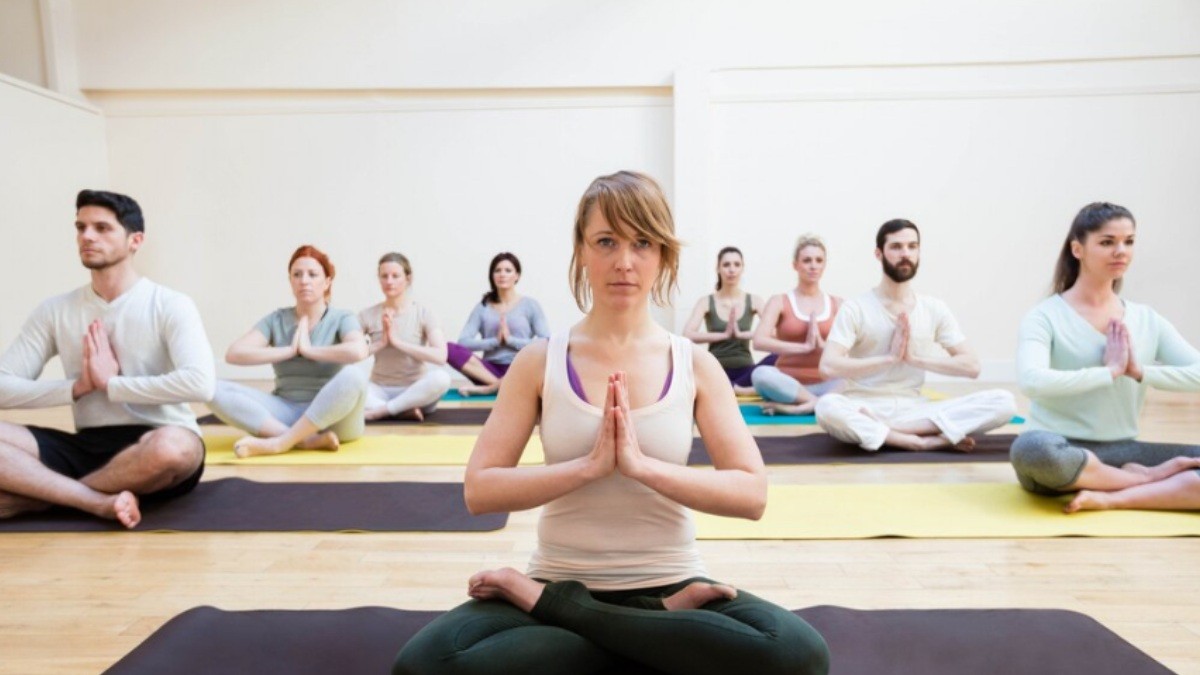
Choose resources created by qualified and experienced yoga instructors. Look for beginner-focused classes that explain modifications and safety instructions rather than simply moving rapidly from one pose to another.
It can also be useful to follow one structured beginner programme for several weeks instead of constantly switching between unrelated routines.
Create a Simple Practice Space
You do not need a large room or expensive equipment to practise yoga. A stable, non-slip yoga mat and comfortable clothing are usually enough to get started.
Choose a space where you can move without bumping into furniture or other objects. Keeping your mat in an accessible location can also make it easier to practise consistently.
Props such as blocks, straps, cushions or folded blankets can be useful, but they are not essential for every beginner.
Learn to Coordinate Movement and Breathing
Breathing is an important part of yoga. Beginners should avoid holding their breath while attempting difficult movements.
Try to breathe steadily through your practice. Many gentle yoga movements coordinate inhalation and exhalation with different phases of movement.
Instead of worrying about performing complicated breathing techniques immediately, first develop the habit of maintaining slow, comfortable breathing.
Build a Short Routine
You do not need to practise for an hour every day when starting out. A 10- to 20-minute routine can be enough to establish consistency.
A simple beginner session might include:
- A few minutes of comfortable breathing
- Gentle neck and shoulder movements
- Cat-Cow stretches
- Child’s Pose
- Mountain Pose
- A gentle standing sequence
- Downward-Facing Dog, if comfortable
- A few seated stretches
- Several minutes of relaxation
As your confidence improves, you can gradually increase the duration and variety of your practice.
Do Not Force Flexibility
One of the most important lessons for anyone learning yoga alone is to avoid forcing the body into a pose.
Yoga is not a competition. Feeling a gentle stretch can be normal, but sharp, sudden or persistent pain is a warning to stop or modify the movement.
Beginners should also remember that flexibility develops gradually. Trying to imitate advanced practitioners can increase the risk of strain or injury.
Practise Consistently
Consistency is generally more useful than occasional intense sessions. Practising for 15 minutes several times a week may be more sustainable than attempting an exhausting routine once every few weeks.
You can practise at a time that fits naturally into your schedule. Some people prefer yoga in the morning, while others find an evening session helpful for winding down.
The best time is ultimately the time you can maintain comfortably.
Listen to Your Body
Self-awareness is central to yoga. Pay attention to how your body feels before, during and after each session.
If you are unusually tired, recovering from an injury or experiencing pain, consider choosing a gentler routine or taking a rest day. Individuals with medical conditions, injuries, balance concerns or pregnancy-related considerations should seek appropriate professional guidance about which movements are suitable.
Consider Taking a Class Occasionally
Although yoga can be learned independently, occasional instruction can be valuable. An instructor can help identify alignment issues, explain modifications and answer questions that may be difficult to resolve through videos alone.
Even if you prefer practising at home, an occasional class can provide useful feedback and increase confidence.
Be Patient With Your Progress
Yoga is a long-term practice rather than something that needs to be mastered quickly. At first, you may struggle with balance, stiffness or remembering the names of poses. With regular practice, movements can gradually become more familiar.
Rather than measuring progress by how advanced a pose looks, consider other improvements: Are you breathing more comfortably? Do you feel more aware of your posture? Has your balance improved, Are you becoming more consistent.
These changes are meaningful signs of progress.
Learning yoga by yourself is possible, and a home practice can be simple, affordable and rewarding. Begin with basic poses, use reliable instructional resources, practise breathing, avoid forcing your body and build a routine that you can realistically maintain.
Most importantly, treat yoga as an opportunity to develop greater awareness of your body and mind not as a test of flexibility. With patience and regular practice, beginners can gradually create a safe and enjoyable yoga routine that fits into everyday life.




Comments 0