
Most people won’t do yoga, because they can’t touch their toes, sit comfortably on the floor or do advanced poses. But flexibility is not a requirement for yoga. In fact, regular yoga practice can slowly help improve flexibility, balance and mobility.
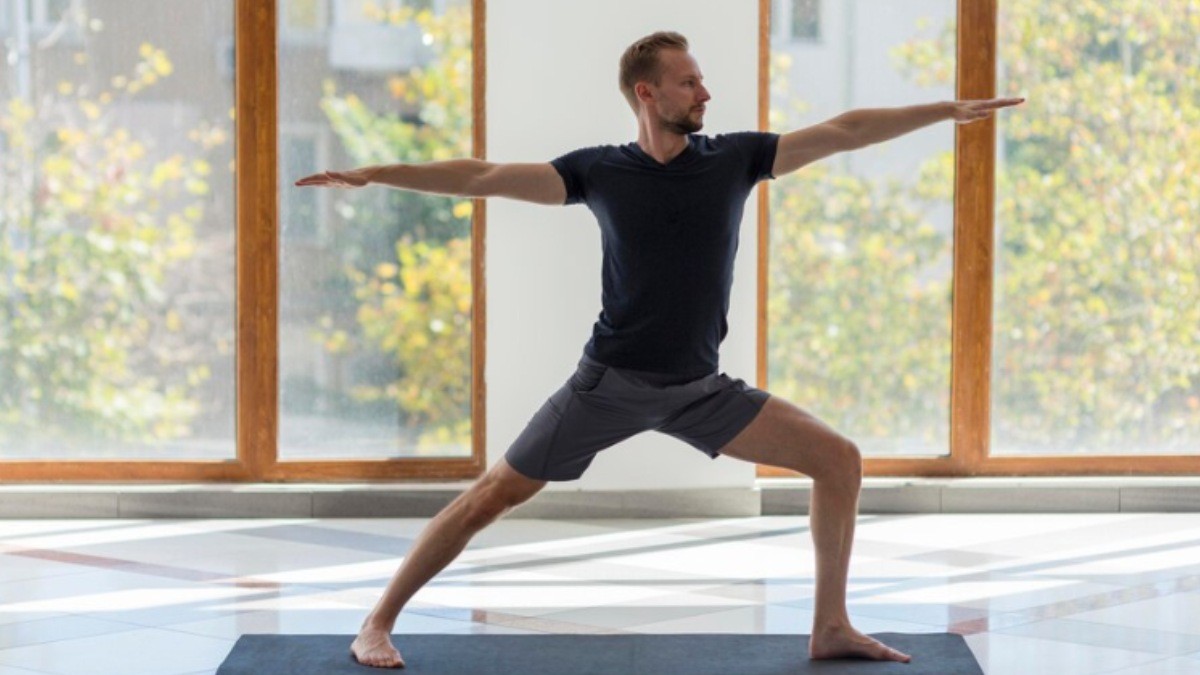
Yoga is not about forcing your body into a particular shape. It is about understanding your body, breathing calmly and moving within a comfortable range.
Start With Simple Movements
If you are stiff, start with gentle movements rather than hard ones. Cat-Cow stretches are an example of how the spine can be supported through a comfortable range of motion.
Related Articles
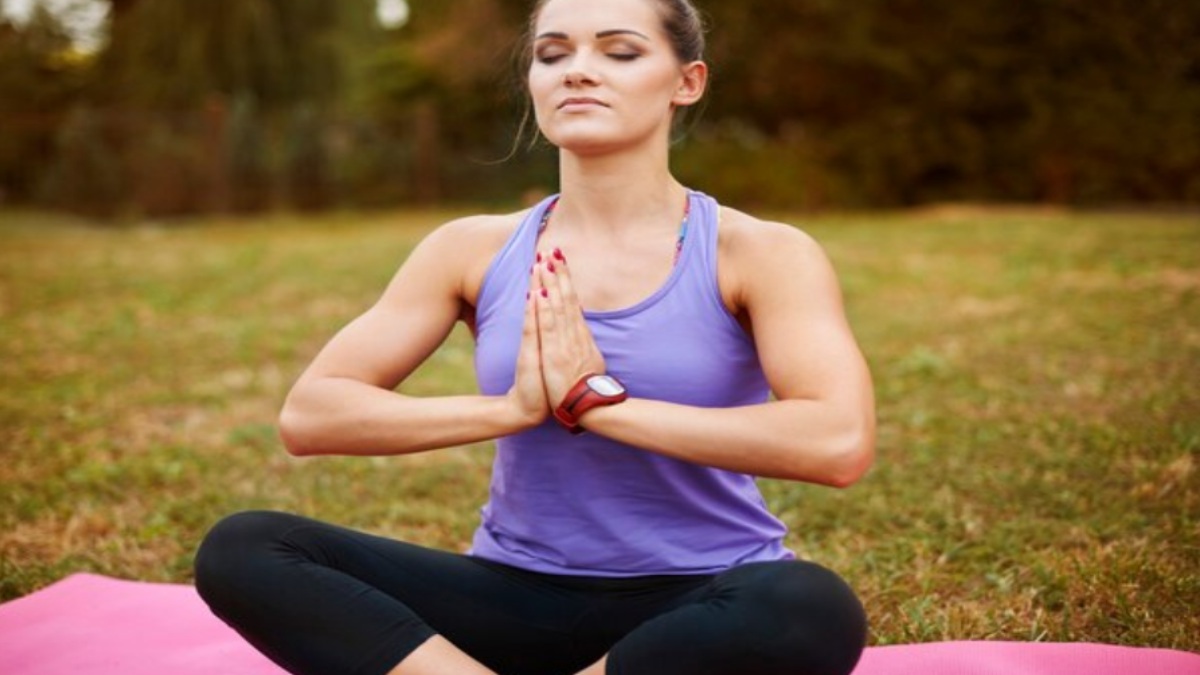
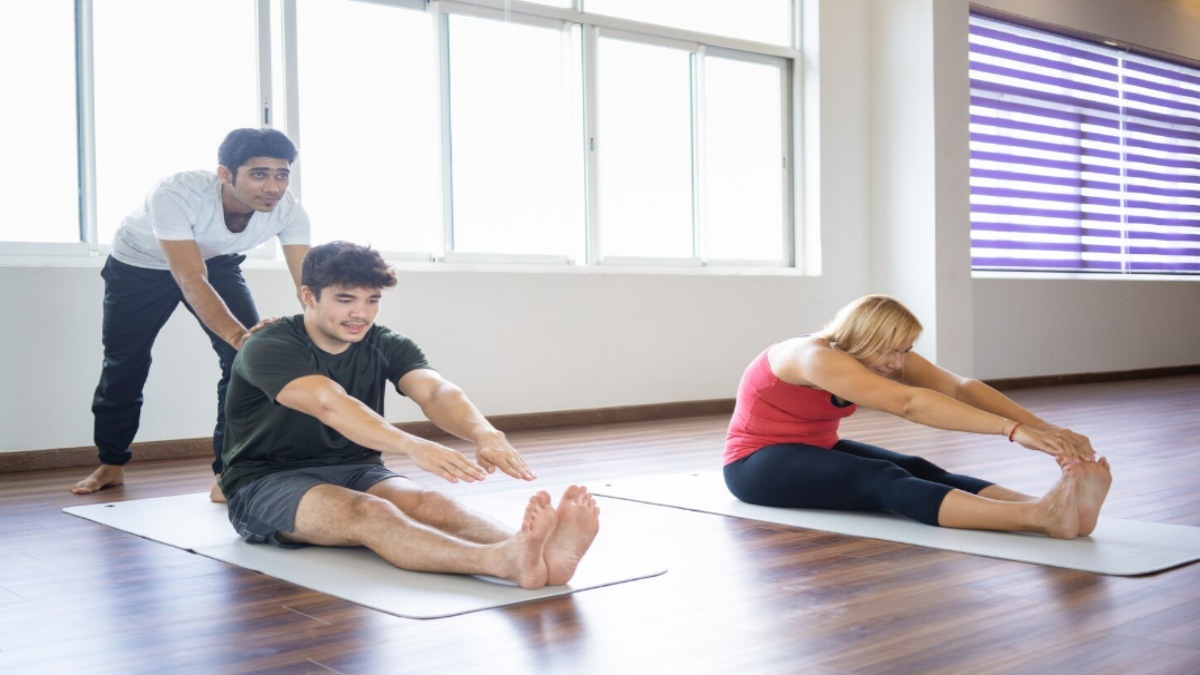
Gentle seated stretches and shoulder movements are also ways to loosen areas of the body that can be tight after sitting for a period of time.
The goal is consistency—not perfection.
1. Child’s Pose
Child’s Pose is a comfortable beginner position. Kneel comfortably and slowly lower your upper body towards the floor. You can keep your knees wider apart and use a cushion or folded blanket for support.
Related Articles
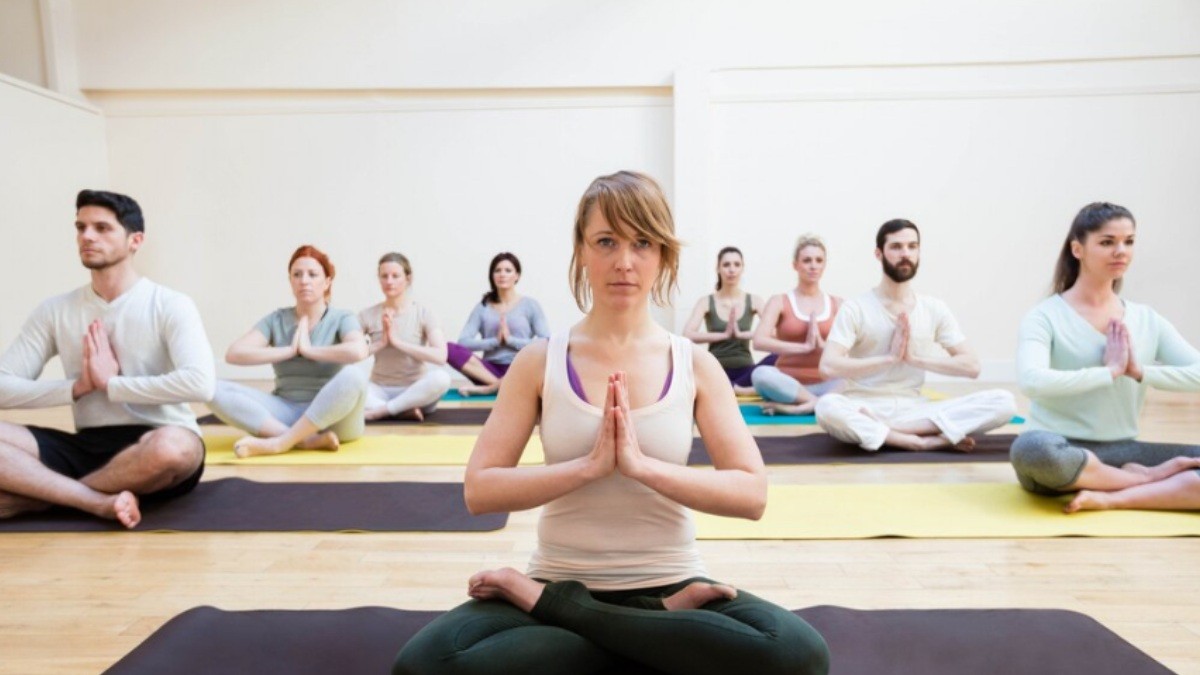
Stay in the position for a couple of comfortable breaths instead of trying to pull yourself down to the ground.
2. Cat-Cow Pose
Cat-Cow is an effective way to introduce movement to the spine. Start on your hands and knees, and gently alternate between rounding your back and lifting your chest.
Move slowly with your breathing and do not make the movement larger than your body can handle.
3. Standing Forward Fold
You do not need to touch your toes to benefit from a forward fold. Keep your knees slightly bent and allow your hands to rest on your thighs, shins or a yoga block.
Over time, your range of movement may gradually increase.
4. Low Lunge
A gentle low lunge can help stretch the hips and front of the legs. Place one foot forward and lower the opposite knee towards the floor.
Your movements should be controlled, and use cushions or blocks if you need some sort of support.
5. Butterfly Pose
Sit with the soles of your feet together and let your knees move outwards naturally. There is no need to push your knees to the floor.
This simple pose can be part of the flexibility routine.
Use Props Without Feeling Guilty
Yoga blocks, straps, cushions and blankets are not signs that you are doing yoga incorrectly. They can make poses more accessible and help you maintain better alignment.
Props can be helpful for a person with limited flexibility and can make the practice safer and more comfortable.
Consistency Matters More Than Flexibility
Trying to get flexible quickly can create unnecessary strain. So do gentle yoga regularly and pay attention to how your body feels.
Even a short routine can help you become more comfortable with movement. Progress may be gradual, but small improvements can build confidence.
Listen to Your Body
Yoga shouldn’t feel like competition. Don’t bounce, force a stretch or compare your flexibility to someone else’s.
Sharp or sudden pain is a reason to stop. If you have a medical problem or injury, be sure to speak to a qualified healthcare professional before starting a new exercise routine.
Final Thoughts
This is not to say that you can’t do yoga if you are inflexible. It just means your starting point is different. If you’re patient, practice gentle movements, breathe properly and maintain a regular routine, yoga can be a means of building greater flexibility and body awareness—one comfortable pose at a time.




Comments 0