
Yoga can be an excellent way to introduce more movement, flexibility and mindfulness into your daily routine. However, stepping into a yoga class or trying your first session at home can feel intimidating when you do not know the poses, breathing techniques or basic principles. The good news is that you do not need to be flexible, experienced or particularly fit to begin.
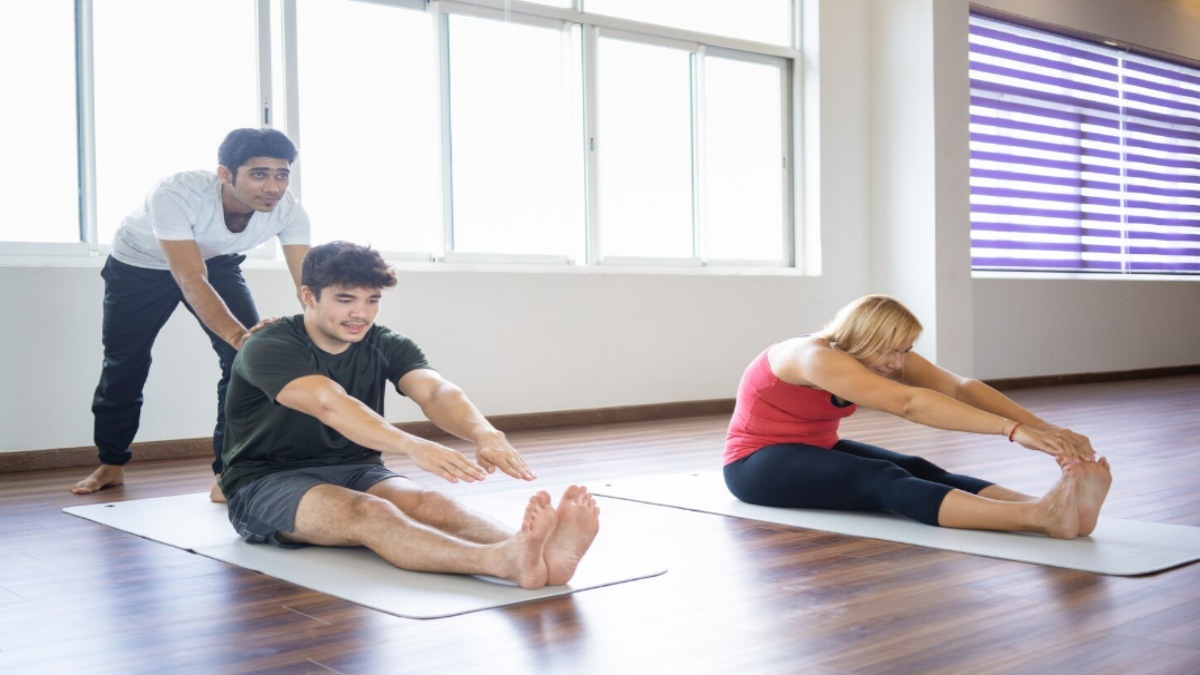
Yoga is adaptable, and beginners can start slowly and gradually develop strength, balance, mobility and confidence. The most important thing is to approach the practice patiently and avoid comparing your body or progress with anyone else's.
Start With Realistic Expectations
One of the biggest misconceptions about yoga is that you need to be able to touch your toes or perform advanced poses before you can call yourself a yoga practitioner. Flexibility is not a requirement for starting yoga. In fact, developing flexibility can be one of the results of regular practice.
Related Articles
Your first sessions may feel unfamiliar. Some poses might feel difficult, while others may be surprisingly comfortable. Instead of trying to master everything immediately, focus on learning how your body responds to each movement.
Choose the Right Type of Yoga
There are many different styles of yoga, and beginners may benefit from starting with a gentler approach.
Hatha yoga often provides a slower introduction to basic postures and breathing. Restorative yoga focuses on relaxation and supported poses, while Yin yoga generally involves holding certain positions for longer periods.
Related Articles

If you prefer a more energetic workout, styles such as Vinyasa can provide continuous movement between poses. However, beginners may find it helpful to attend an introductory class before joining more advanced sessions.
Begin With Basic Poses
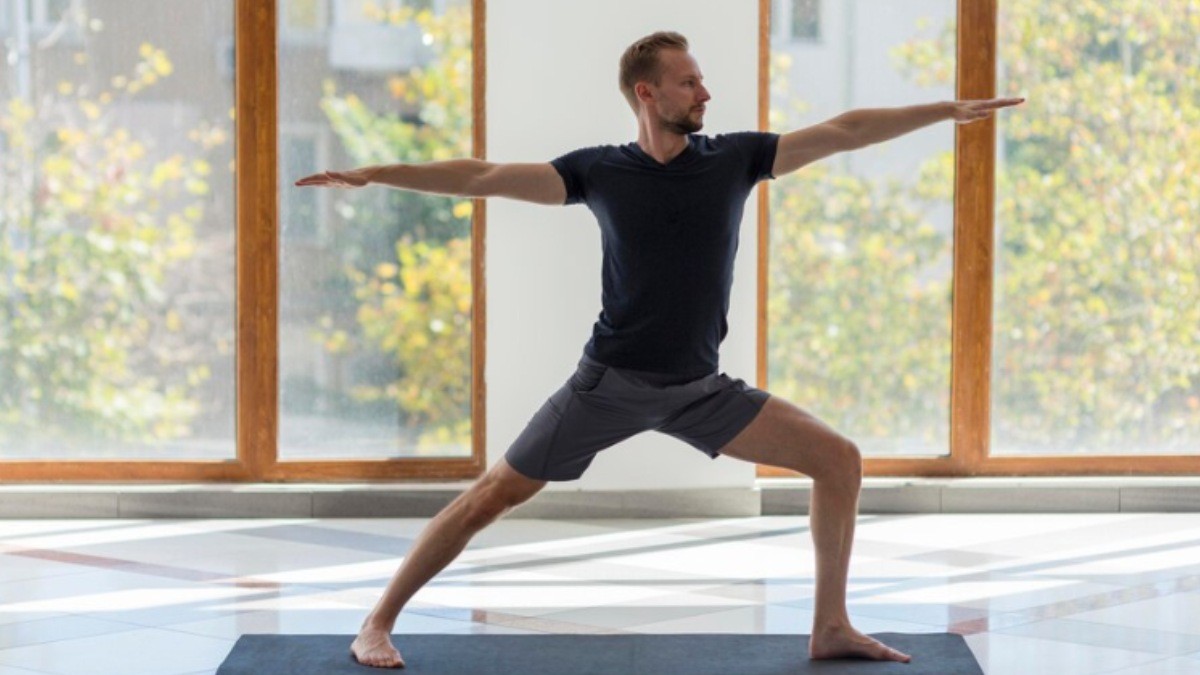
You do not need a long list of complicated poses to begin. Basic movements such as Mountain Pose, Child's Pose, Cat-Cow, Downward-Facing Dog, Warrior I and Warrior II can introduce fundamental elements of yoga.
Focus on proper alignment and comfortable breathing rather than trying to stretch as deeply as possible. A pose should generally feel challenging but controlled, not sharply painful.
Using blocks, straps, cushions or folded blankets can make certain poses more accessible. Props are not signs of weakness they are tools that can help support safe and comfortable practice.
Learn to Breathe
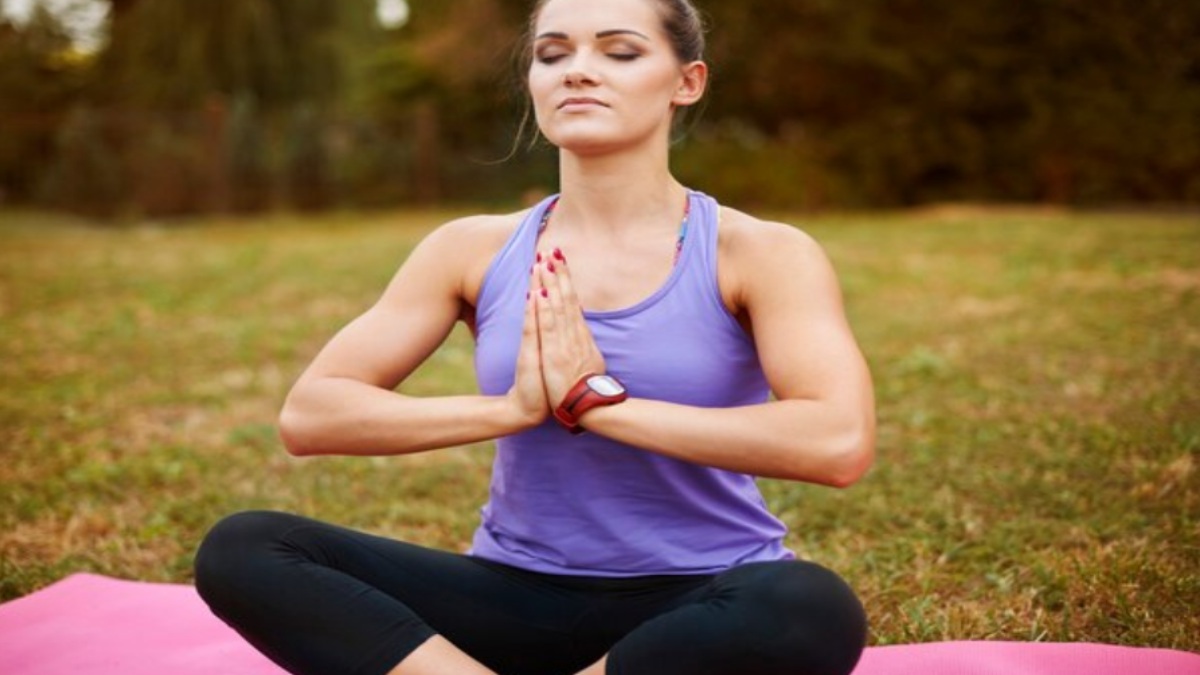
Breathing is an important part of yoga. Beginners should try to maintain steady, comfortable breathing throughout their practice rather than holding their breath during difficult movements.
Simple awareness of the breath can also help you slow down and remain focused. Over time, you may explore specific yogic breathing techniques under appropriate instruction.
Create a Short Routine
A beginner does not need to spend an hour practicing yoga every day. Starting with 10 to 20 minutes can be more realistic and easier to maintain.
A simple session might include a few minutes of gentle warm-up movements, several basic standing and seated poses, a short breathing exercise and a few minutes of relaxation.
Consistency is generally more useful than attempting an intense session occasionally.
Listen to Your Body
Yoga should not be a competition. Everyone has different levels of flexibility, strength, mobility and previous physical experience.
If a movement causes sharp pain, stop and reassess. You may need to modify the pose, use a prop or choose another movement. Beginners with existing injuries, significant health concerns or specific physical limitations should consider discussing appropriate exercise with a qualified healthcare professional.
Yoga at Home or in a Class
Both options can work well. Practising at home offers convenience and allows you to choose your own schedule. Online beginner classes can also provide guidance.
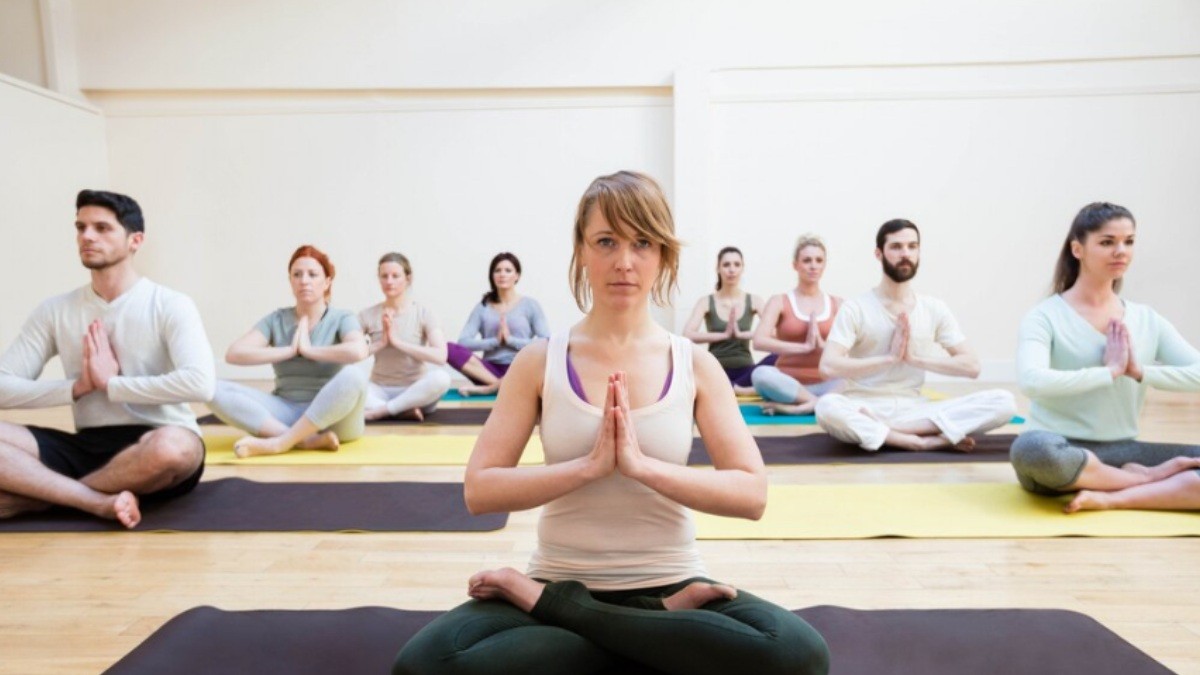
A studio class, meanwhile, can offer direct instruction and corrections from a teacher. If you are completely new to yoga, an introductory class can be useful for learning foundational movements safely.
Make Yoga Part of Your Lifestyle
The benefits of yoga do not have to end when the session finishes. The practice can encourage greater awareness of posture, breathing and movement throughout the day.
You can also combine yoga with other forms of physical activity such as walking, swimming or strength training. Yoga does not need to replace every other type of exercise.
Take Your First Step Slowly
Starting yoga is less about achieving perfect poses and more about developing a consistent relationship with movement and awareness. Give yourself permission to be a beginner.
Begin with simple poses, breathe steadily, use props when necessary and gradually increase the length or complexity of your practice. Most importantly, focus on how you feel rather than how your practice looks.
With patience and regular practice, those first few unfamiliar movements can eventually become a comfortable and rewarding part of your everyday wellness routine.




Comments 0