
With more pressure on students to study, competition and busy lives, yoga and meditation are just one way in which students can fit in between school, life and family.
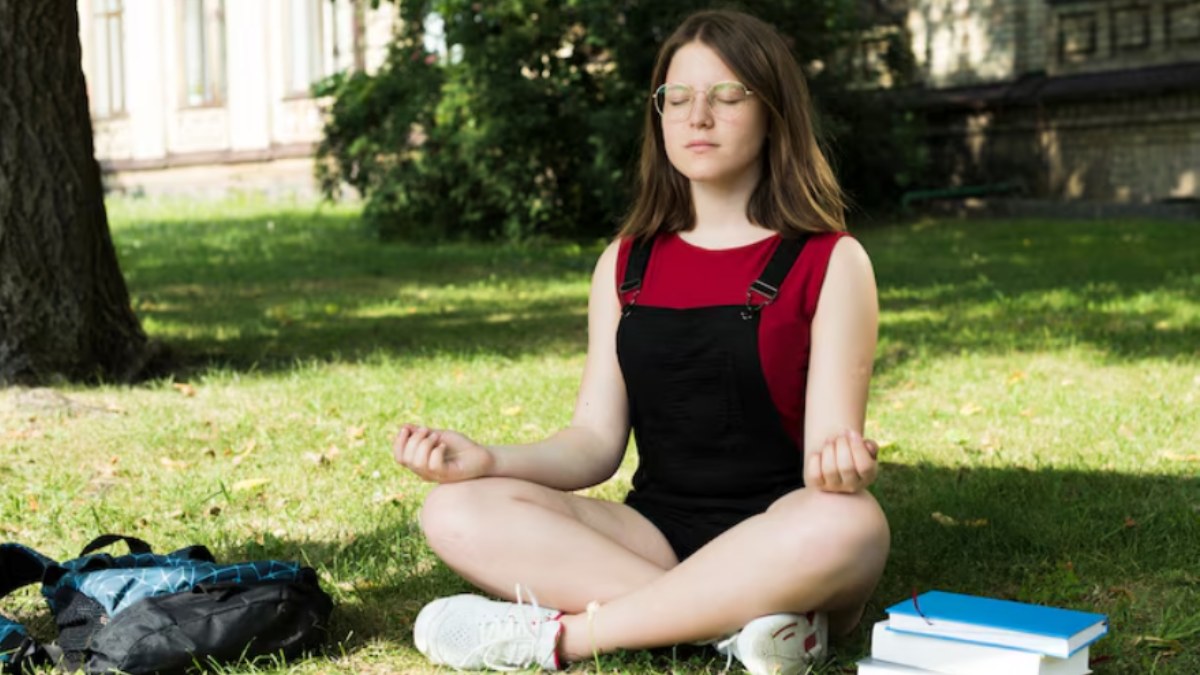
Yoga requires physical postures, breathing and meditation (for the mind and body) to mediate and concentrate. In fact, both can be very beneficial for children to develop long-standing habits that can help them focus and feel good about themselves and to be in a state of focus.
Improves Concentration and Focus
The biggest benefit of meditation to students is its ability to create a focus. Students are constantly distracted by smartphones, social media and other digital activities.
Related Articles
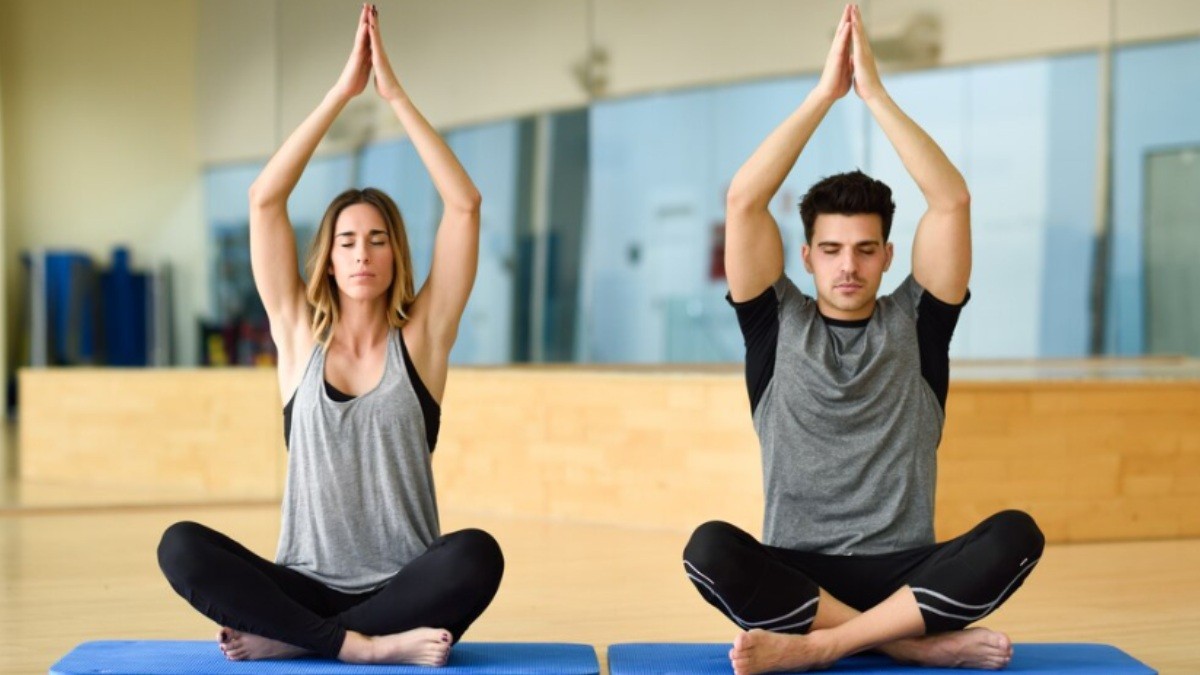

Meditation encourages students to spend a few minutes focusing on their breathing or being aware of the present moment. This can help to keep a calm mindset and make it easier to focus on the academic aspects in which they would like to study.
Helps Manage Academic Stress
Examinations, assignments and academic expectations may make students feel overwhelmed. Yoga and meditation are simple ways to relax the body and mind.
Breathing exercises and gentle yoga can become part of a student’s daily routine, when taking a break between periods of study. And learning healthy coping mechanisms for everyday stress can also foster better emotional habits.
Related Articles
Supports Physical Fitness
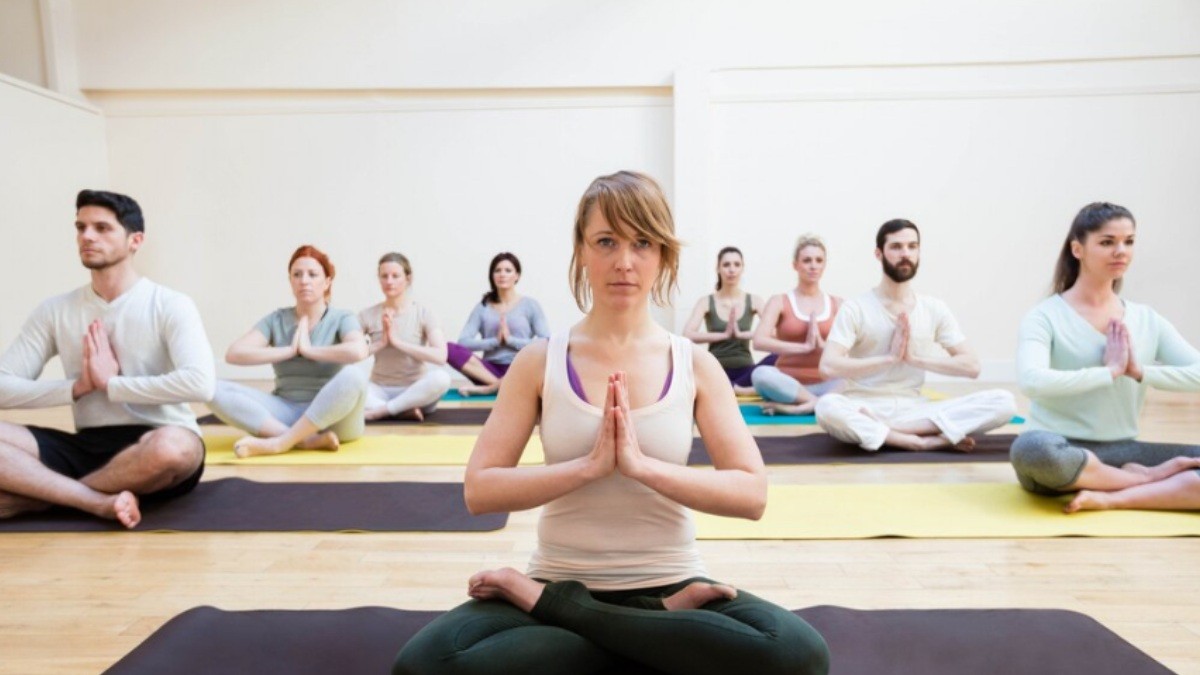
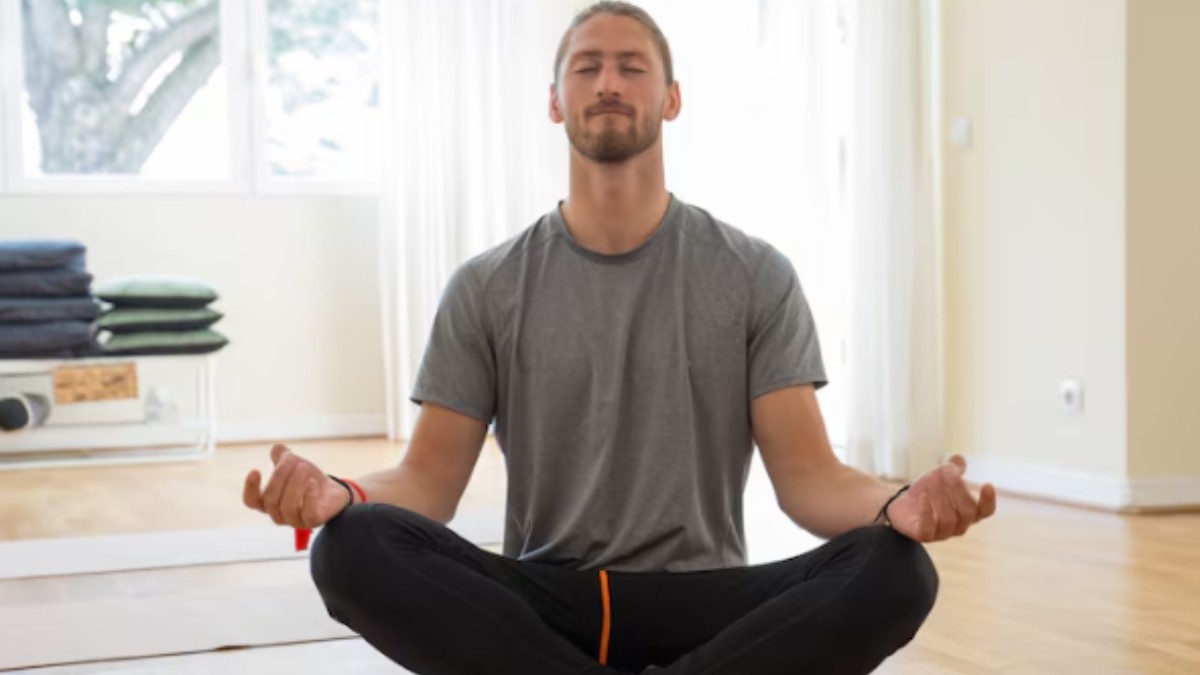
Yoga is more than just a mental exercise. Many yoga postures involve stretching, balance, flexibility and controlled movement. Regular practice will help students stay physically active, especially when they spend hours sitting in classes or studying.
Easy stretching provides a necessary break to the mind in studying.
Encourages Better Sleep
Students with a busy academic schedule and excessive screen time may have difficulty settling down for sleep and meditation or breathing exercises might help make it easier and to be more relaxed in bed for them.
At a higher level, getting enough sleep is important as sleep is necessary, as learning, memory and daily living is at the heart of learning, memory and daily functioning.
Builds Self-Discipline
Yoga and meditation require consistency. Training students how to practice for a short period of time each day will show them that a healthy routine is crucial.
This discipline may also extend beyond yoga. Students might become more cognizant of how to manage their time, complete responsibilities and keep a schedule.
Promotes Emotional Balance
Student life can contain excitement, disappointment, pressure and uncertainty. Meditation allows students to see their thoughts and emotions and not to react to them immediately.
Yoga and mindfulness can therefore be useful tools for developing self-awareness and encouraging a more balanced approach to everyday challenges.
How Students Can Begin
Students do not need to spend hours engaging in yoga or meditation. Beginners can begin with 10 to 15 minutes a day of simple yoga stretches, breathing exercises or quiet meditation.
The key is consistency more so than intensity. Students should learn from a good instructor when doing unfamiliar or physically demanding yoga and not place their bodies in difficult positions.
Final Thoughts
As students can work on their study and focus and be in a state of full concentration, physical activity, relaxation, self-discipline and emotional health, yoga and meditation can help to support their education. They shouldn’t be substituted for professionals when a student is experiencing great physical or emotional stress.
Informal movement and relaxation can also be beneficial, not only within the classroom but outside the classroom.




Comments 0