
Yoga and meditation have flourished for centuries but are now part of our wellness routines. Meditation is not about yoga in the physical sense; yoga teaches attention and awareness and movement and breathing.
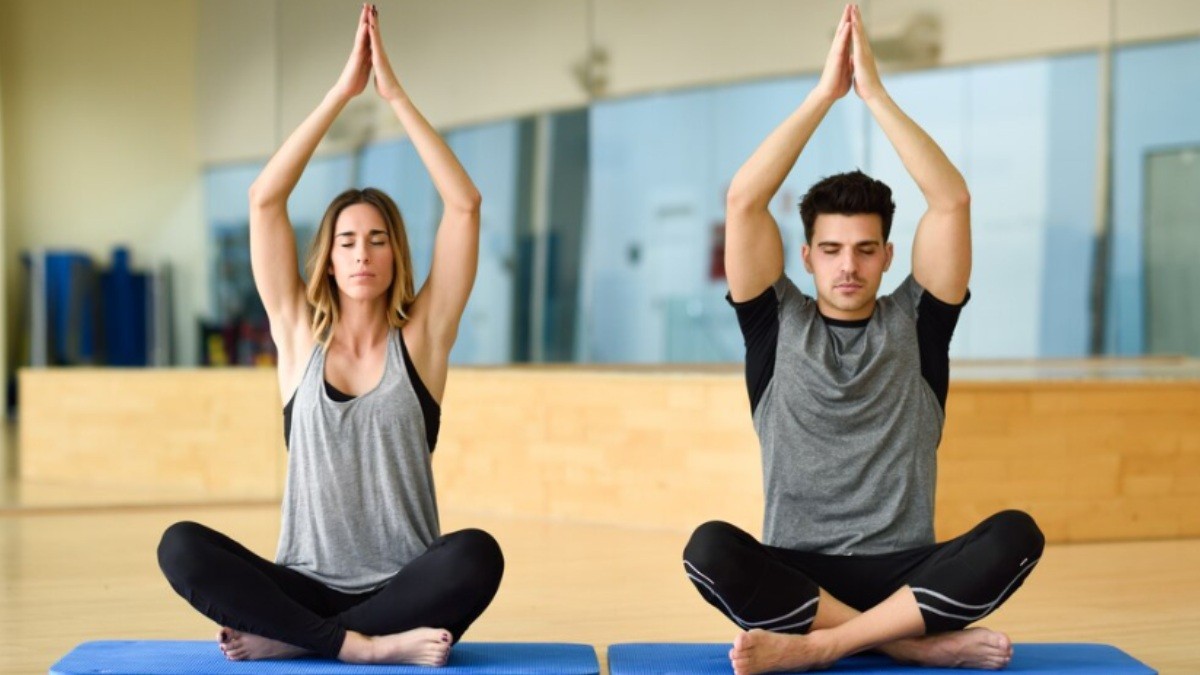
Together, these practices can encourage people to slow down, pay attention to the present moment and become more conscious about their thoughts and emotions.
They shouldn’t be considered as the only treatments for mental illness but should be part of a whole picture of psychological wellbeing.
Related Articles
May Help Manage Everyday Stress
In modern life, work is very hard and family duties and digital distractions just keep you up at night. So a good time to stop and think is key for me.
Yoga provides movement with controlled breathing which may alleviate some stress and relieve some of that stress. Meditation also allows us to move away from the external distractions and focus on the present.
A regular practice might help people develop healthier ways of responding to everyday stress rather than immediately reacting to every difficult situation.
Related Articles
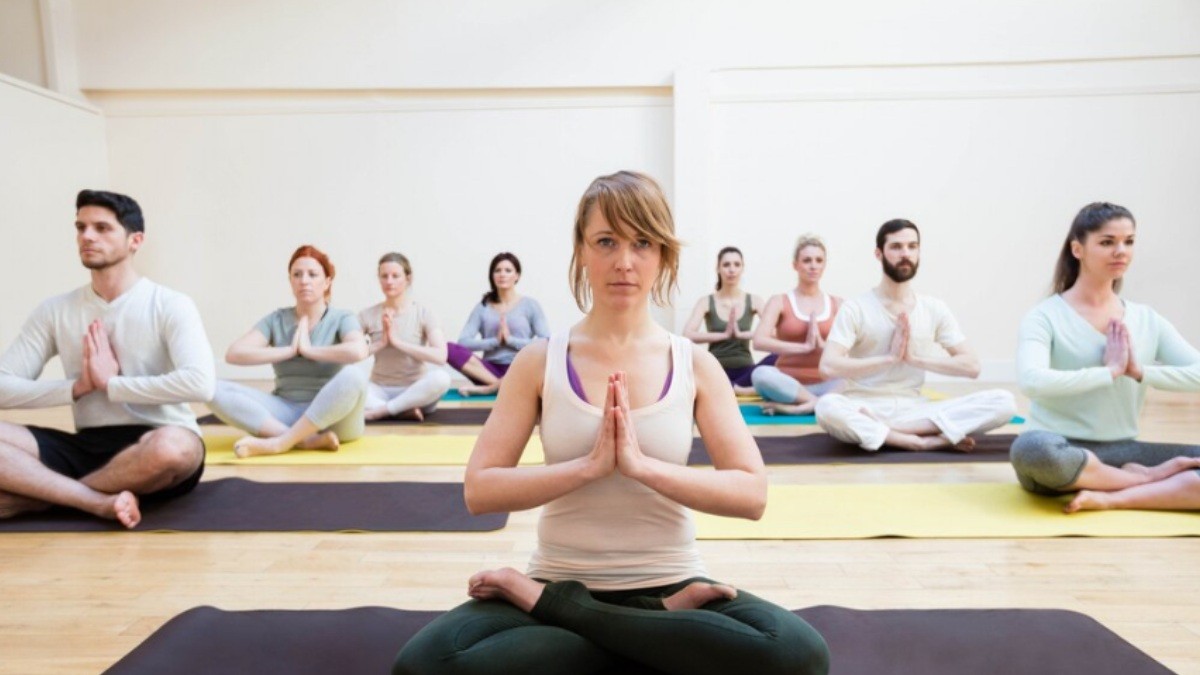
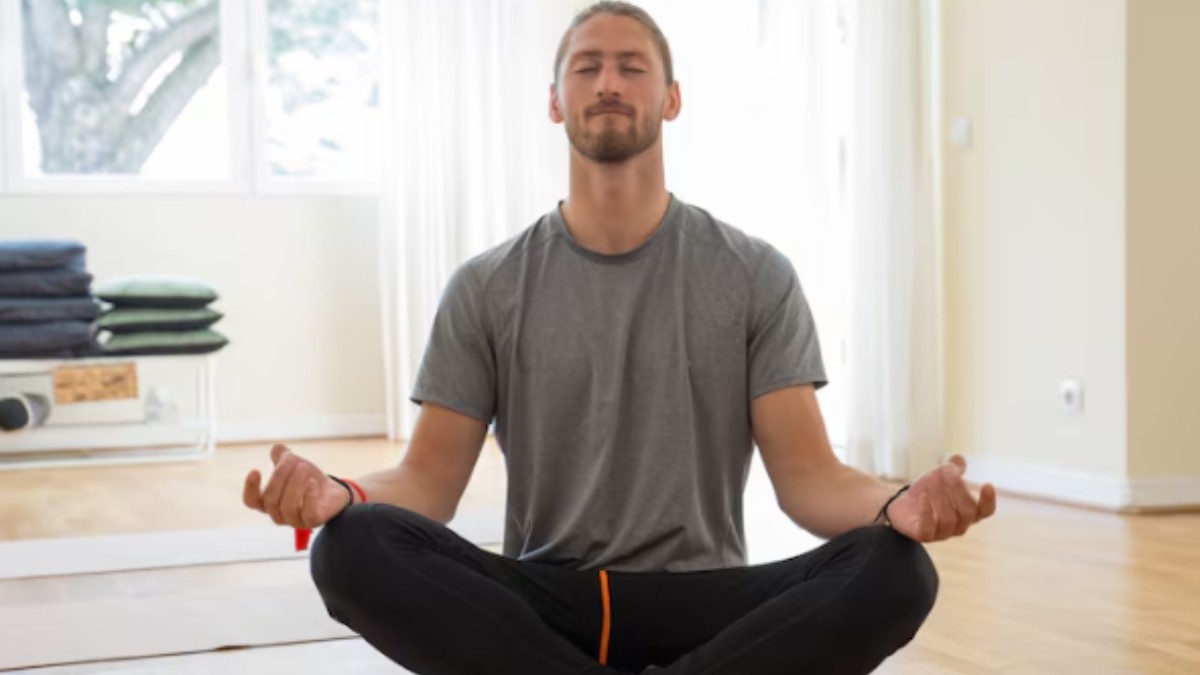
Encourages Mindfulness
In many meditation practices, mindfulness is one of the most common concepts.
By mindfulness, I mean: We are looking at the present experience without judging it as it happens. When we meditate, we may be watching the breath, body, or thoughts but slowly and deliberately return our attention when our mind wanders.
Yoga can also incorporate mindfulness with the notion of seeing and feeling in the air and in the body as you move through different postures.
Over time, one would think more and more people would see patterns in their thought processes and emotional responses.
Supports Emotional Awareness
People don’t really pay attention to how they feel in the middle of a busy day. Meditation and yoga can offer a small amount of space for reflection.
I might be more aware of tension, frustration, sadness or worry in a quiet practice. Recognising an emotion doesn’t mean that it will go away, but awareness can be critical in responding to it more carefully.
May Support Better Sleep
Relaxation is also common in bedtime routines. It is possible for you to build a transition from doing something in the morning to doing something in the evening and slowly go from doing something in the morning to doing something in the evening.
For some, a consistent evening routine can make it easier to unwind.
However, such persistent or severe sleep problems should be discussed with a healthcare professional rather than addressed through meditation alone.
Building Concentration and Mental Focus
Meditation has to be done to keep a focus on a chosen object (e.g. breath or a particular sensation).
This practice may help you to develop an awareness of when your attention has wandered. Yoga, too, needs concentration on balance, movement and breathing.
These practices can help us practice sustained attention in a world of interruptions.
Creating a Sustainable Practice
The psychological benefits of yoga and mindfulness do not require complicated routines. Beginners can start with a few minutes of gentle movement, breathing or mindfulness every day.
Consistency is often more practical than trying a long session occasionally. People should also choose practices that feel comfortable and avoid forcing the body into painful positions.
An Addition to, Not a Replacement for, Mental Healthcare
Yoga and meditation can be helpful wellness practices but they are not substitutes for professional mental-health treatment.
People with chronic anxiety, depression, extreme distress or difficulty in daily life should seek professional help.
For others, yoga and meditation can be simple tools for cultivating relaxation, awareness and a greater connection between the mind and body.




Comments 0