
Yoga and meditation have been closely connected for centuries. While modern yoga is often associated with physical postures and flexibility, traditional yoga encompasses a much broader system designed to cultivate physical awareness, mental discipline and inner balance. Meditation, known as dhyana in classical yoga philosophy, represents an important part of this journey. Different yogic methods can prepare the body and mind for meditation by encouraging concentration, controlled breathing, self-awareness and relaxation.
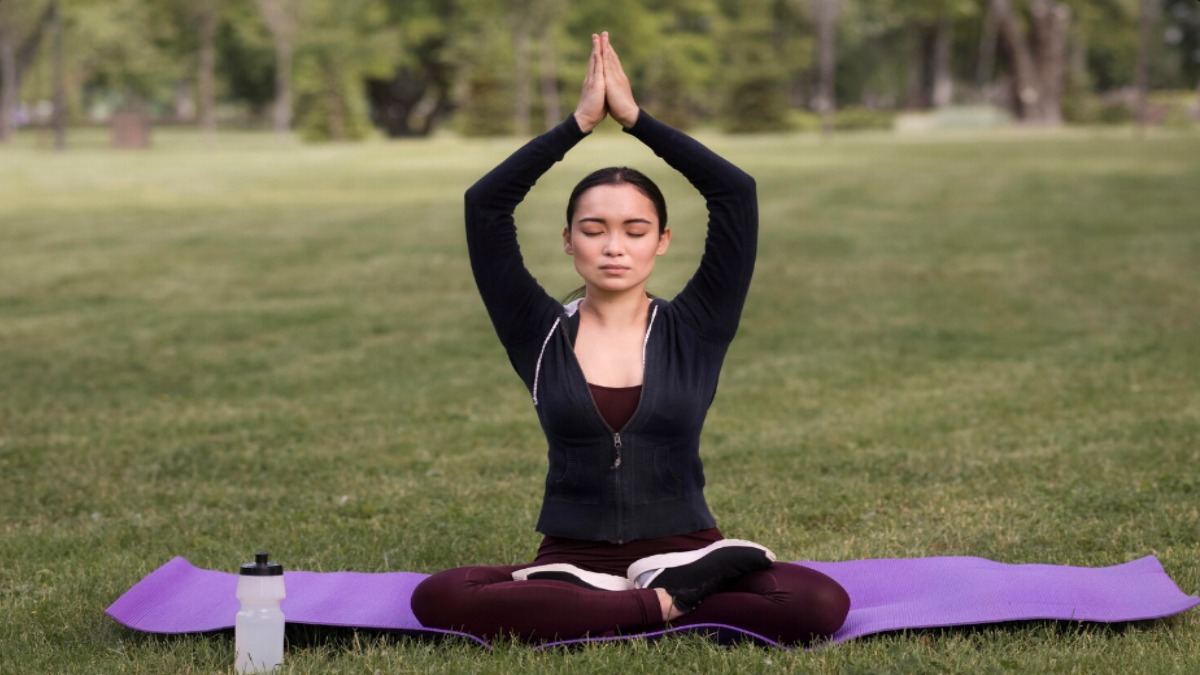
Understanding these methods can help explain why yoga is often practiced alongside meditation. Rather than viewing yoga and meditation as completely separate activities, traditional approaches frequently treat physical, breathing and mental practices as interconnected stages of a broader discipline.
The Role of Asana in Meditation
Asana, or the physical posture practice of yoga, can play an important preparatory role in meditation. Sitting still for an extended period may be uncomfortable when the body is tense or physically unprepared. Gentle yoga postures can help practitioners develop body awareness, mobility and stability.
Related Articles
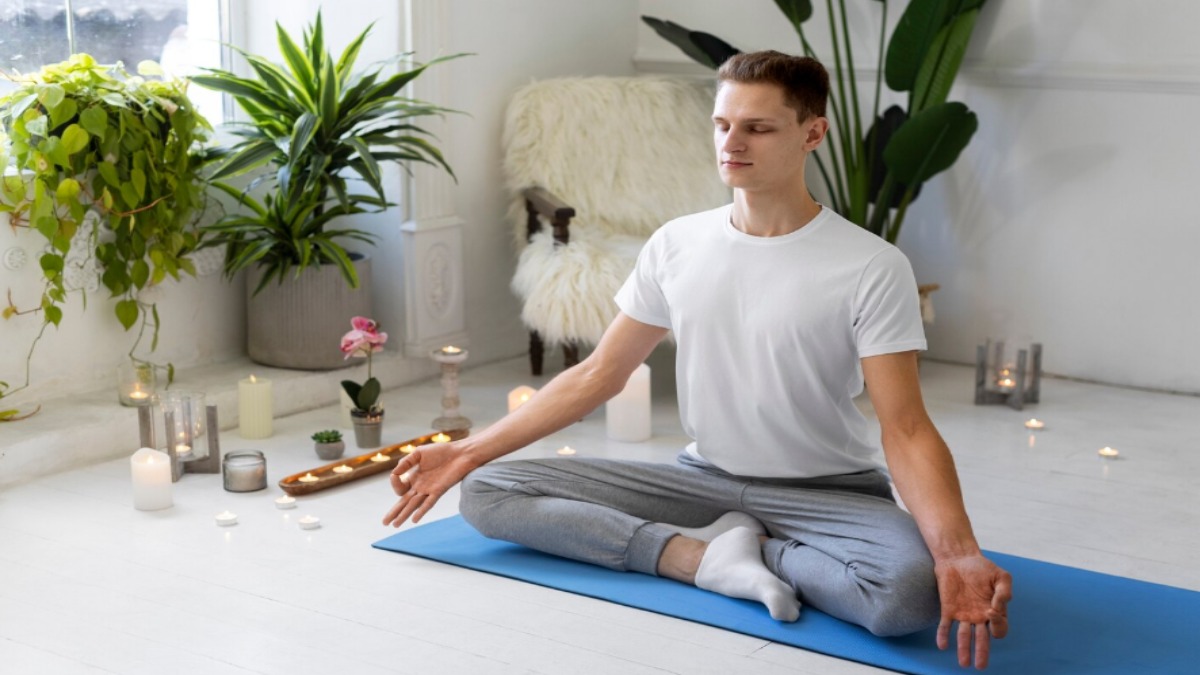
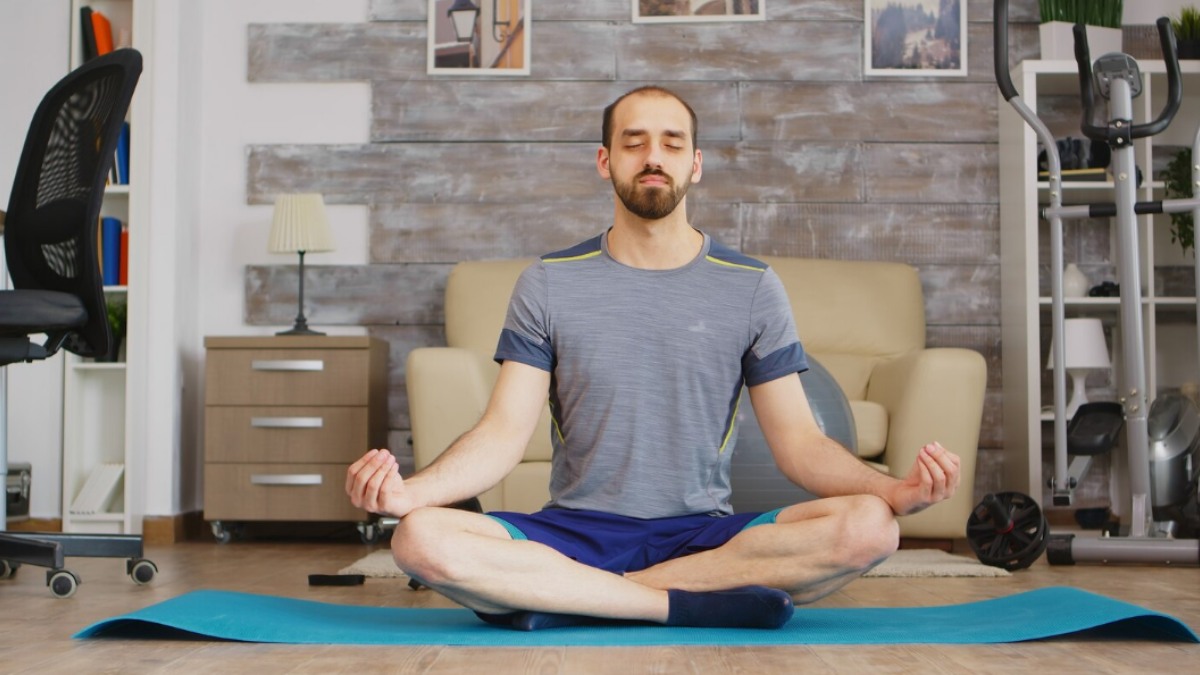
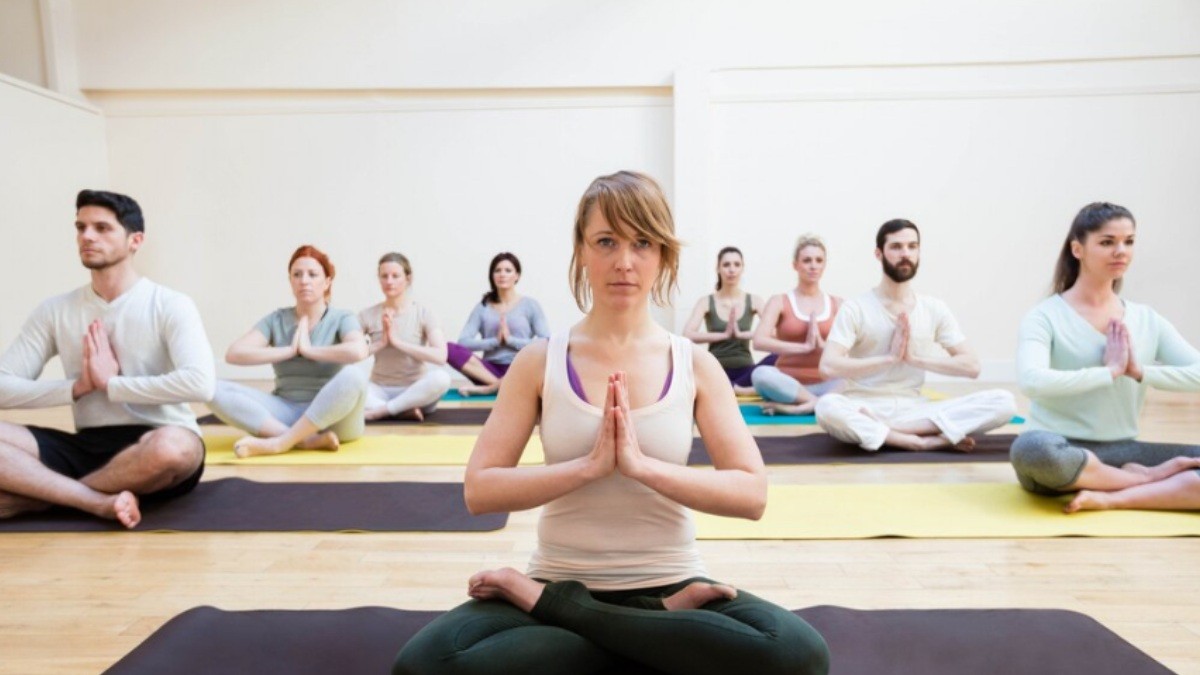
Traditional seated positions such as Padmasana, Siddhasana and Sukhasana are commonly associated with meditation. However, a practitioner does not necessarily need to sit in an advanced posture. The most important consideration is finding a stable and comfortable position that allows relaxed breathing and alertness.
Pranayama and the Breath
Pranayama refers broadly to yogic breathing practices. Breath awareness is particularly important because breathing and mental states are closely connected. When people feel stressed or anxious, their breathing may become rapid or shallow. Deliberate, comfortable breathing can encourage a calmer state of mind.
Meditation practices may incorporate techniques such as alternate-nostril breathing, gentle diaphragmatic breathing or simple observation of the natural breath. Beginners should avoid forcing the breath or holding it for prolonged periods, particularly without appropriate instruction.
Related Articles
Dharana: Developing Concentration
In the classical eight-limbed framework of yoga, dharana refers to concentration or focused attention. It can be understood as a bridge between external practices and deeper meditation.
During dharana, practitioners may focus their attention on a single object, sensation, sound, visual point or idea. The purpose is not to eliminate every thought immediately but to train the mind to return repeatedly to one chosen point of attention.
For example, a practitioner might concentrate on the sensation of breathing. Whenever the mind wanders, attention is gently brought back to the breath. With regular practice, this process can strengthen attentional stability.
Dhyana: The Practice of Meditation
Dhyana represents sustained meditation in classical yoga philosophy. While concentration involves intentionally directing attention toward an object, meditation can involve a more continuous and effortless flow of awareness.
A practitioner may observe thoughts, sensations and emotions without immediately reacting to them. Instead of trying to suppress mental activity, the practice encourages greater awareness of how the mind operates.
Different traditions interpret and teach dhyana in different ways, so there is no single technique that applies to every practitioner. Some approaches emphasise an object of meditation, while others encourage open awareness or contemplative observation.
Mantra Meditation
Mantra practice is another method associated with yogic meditation. A mantra is a sound, word or phrase repeated with focused attention. In some traditions, mantras have spiritual significance, while in others they may primarily serve as an anchor for concentration.
Repeating a chosen sound can give the mind a specific focus and reduce distraction. The rhythm of repetition may also make it easier for beginners to maintain attention during meditation.
Pratyahara and Turning Attention Inward
Pratyahara is traditionally described as the withdrawal or regulation of the senses. It does not necessarily mean completely blocking out the external world. Instead, it involves learning not to become automatically controlled by every sound, sensation or distraction.
This method can be particularly relevant to modern meditation because people are constantly exposed to notifications, conversations, screens and other sources of stimulation. Practicing periods of reduced sensory engagement can create an environment more conducive to reflection.
Mindfulness and Self-Observation
Although mindfulness has developed into many contemporary forms, its emphasis on observing present-moment experience has similarities with certain contemplative approaches within yoga. A practitioner can observe breathing, bodily sensations, thoughts and emotions without immediately judging them.
This type of self-observation may help individuals become more aware of habitual reactions. Over time, that awareness can support more deliberate responses to everyday experiences.
The Importance of Regular Practice
One of the most important principles in meditation is consistency. A short, comfortable practice performed regularly may be more sustainable than occasional sessions that are unnecessarily long or demanding.
Beginners can start with a few minutes of quiet breathing and gradually increase the duration as they become more comfortable. Creating a calm environment, maintaining an upright but relaxed posture and reducing distractions can make practice easier.
Yoga and Meditation as Complementary Practices
The methods of yoga used in meditation demonstrate that the tradition approaches wellbeing as an interconnected process. Physical postures can prepare the body, breathing practices can support awareness, concentration can train attention, and meditation can encourage deeper observation of the mind.
At the same time, yoga and meditation should not be treated as substitutes for professional medical or mental-health care when someone needs it. People with particular health concerns should seek appropriate guidance before beginning intensive breathing exercises or physically demanding practices.
Ultimately, the methods of yoga in meditation offer a structured way to explore the relationship between body, breath and mind. Whether through gentle asanas, conscious breathing, mantra repetition, concentration or dhyana, these practices can encourage greater self-awareness and a calmer approach to everyday life. The essence of yogic meditation is not simply sitting quietly; it is learning to cultivate attention, awareness and balance through consistent practice.




Comments 0