
Meditation is one of the most important aspects of yoga, yet it is sometimes overlooked in favour of physical postures. While yoga is widely associated with stretching, flexibility and strength, its traditional purpose extends far beyond physical exercise. Meditation helps connect the body, breath and mind, making it an important part of a holistic yoga practice.
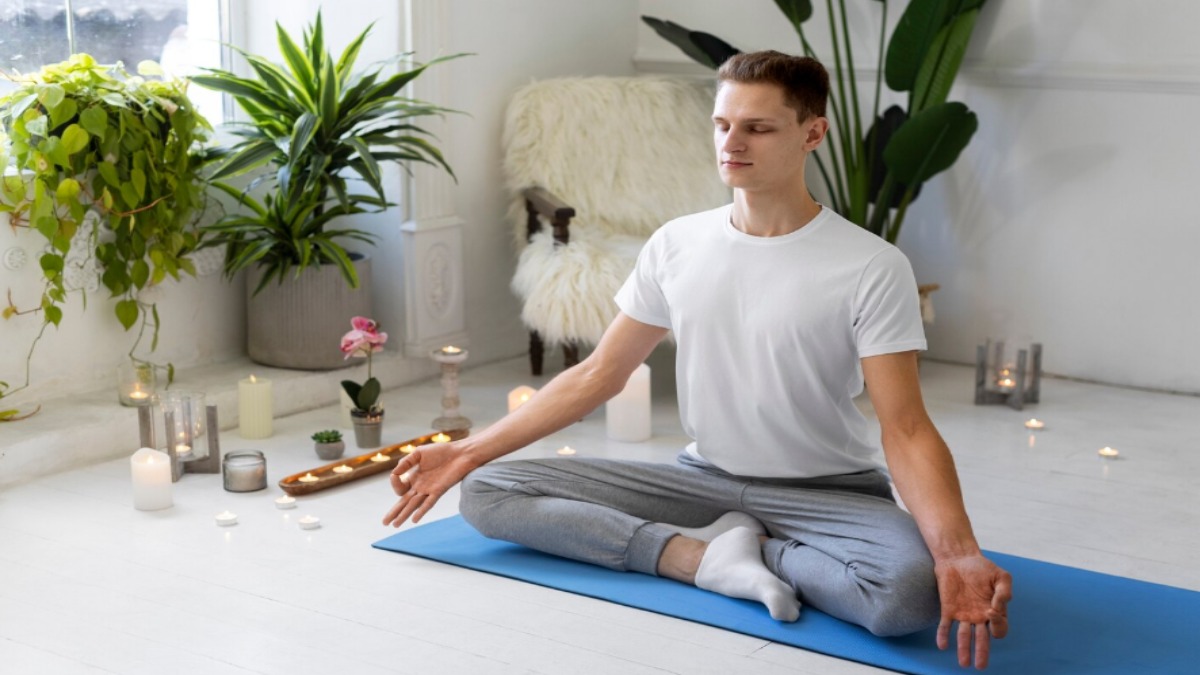
Regular meditation can encourage greater awareness, improve concentration and help people develop a calmer relationship with their thoughts and emotions. When combined with yoga postures and breathing exercises, meditation can create a balanced practice that supports both physical and mental well-being.
Understanding Meditation in Yoga
Meditation involves training the mind to develop greater awareness and concentration. Rather than trying to completely eliminate thoughts, meditation often encourages practitioners to observe thoughts without immediately reacting to them.
Related Articles
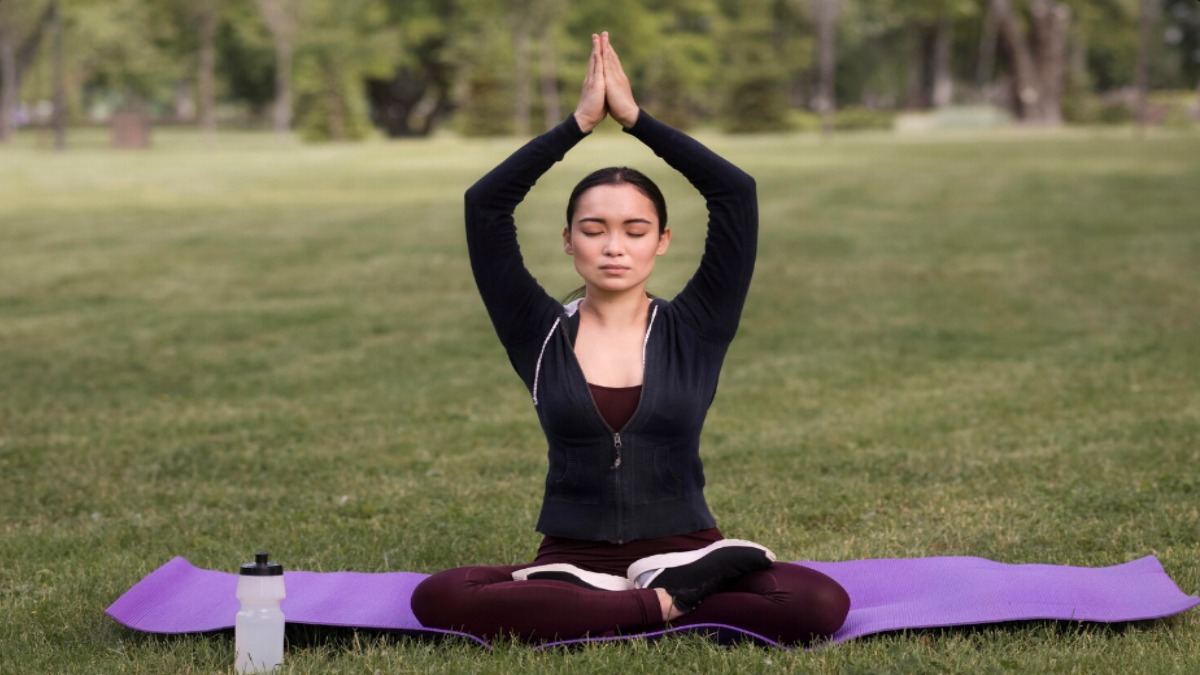
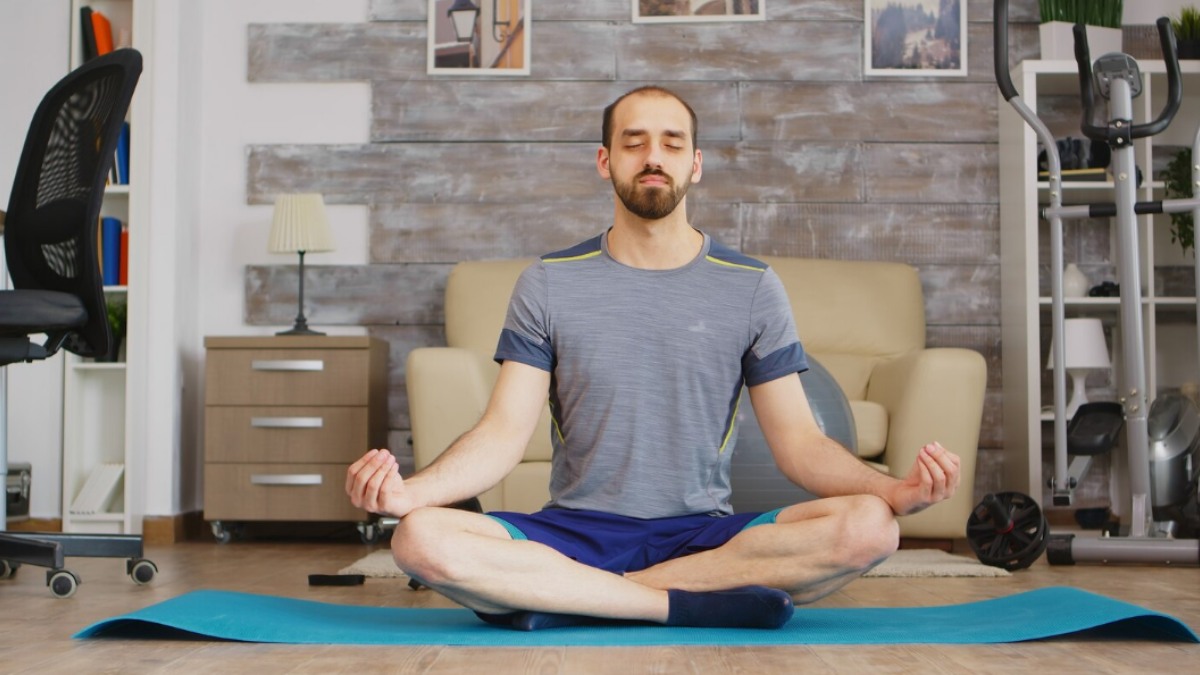
In the broader yogic tradition, meditation is closely connected with practices designed to calm and focus the mind. Physical postures can prepare the body for stillness, while breathing exercises can help create a sense of relaxation and awareness.
This combination makes meditation a natural extension of yoga rather than a completely separate activity.
Meditation Helps Calm the Mind
Modern life can involve constant notifications, work responsibilities, social commitments and information overload. This can make it difficult to slow down mentally.
Related Articles

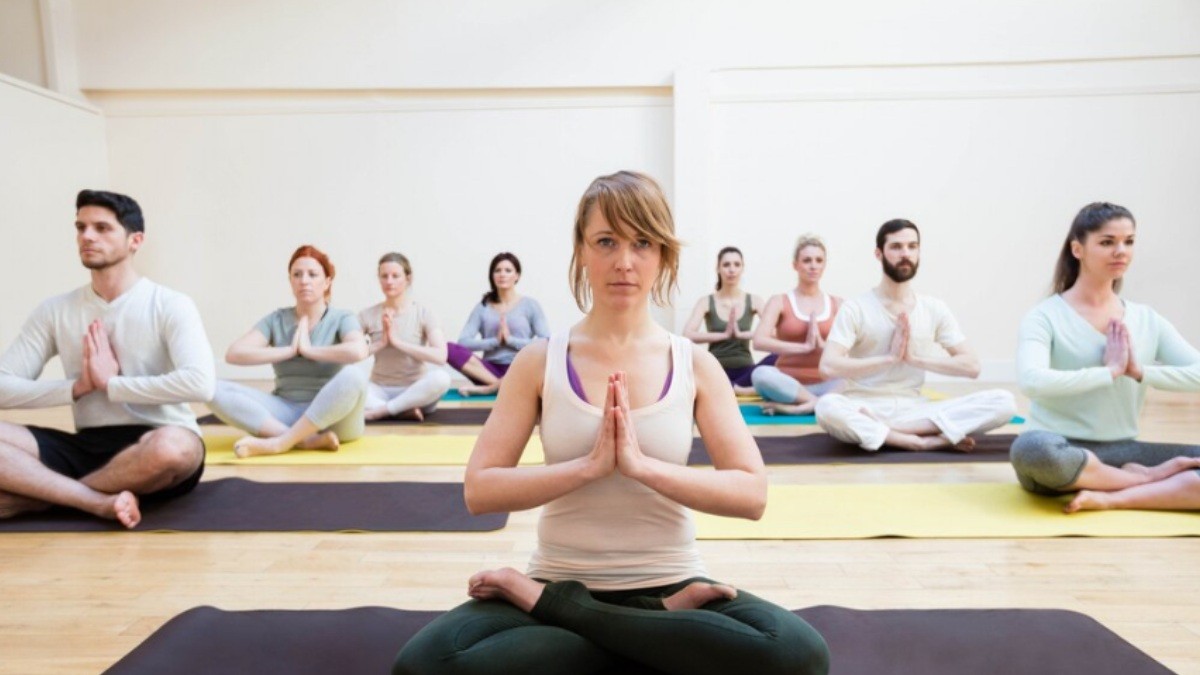
Meditation provides an opportunity to pause and focus attention on the present moment. Practices involving awareness of the breath, body sensations or a chosen point of focus can help practitioners step away from constant mental distractions.
Over time, regular meditation may help people respond to stressful situations more thoughtfully rather than reacting automatically.
Improving Concentration and Focus
Another important role of meditation in yoga is developing concentration. During meditation, practitioners repeatedly bring their attention back to a chosen focus whenever the mind wanders.
This simple process can strengthen awareness and mental discipline. With consistent practice, people may find it easier to remain focused during everyday activities such as studying, working, reading or completing routine tasks.
The objective is not to prevent the mind from wandering completely. Instead, meditation teaches practitioners to recognise distraction and gently return their attention to the present.
Supporting Emotional Balance
Meditation can also encourage greater awareness of emotions. Instead of immediately reacting to anger, frustration, anxiety or disappointment, practitioners can learn to notice these feelings with greater distance.
This does not mean ignoring difficult emotions. Rather, meditation can create space to understand them before deciding how to respond.
Combined with yoga's emphasis on self-awareness, this practice can contribute to a more balanced approach to everyday emotional challenges.
The Connection Between Breath and Meditation
Breathing plays a central role in many yoga practices. Pranayama, or yogic breathing practices, can help practitioners develop awareness of their breathing patterns.
A calm and steady breathing practice can serve as a bridge between physical yoga and meditation. After completing yoga postures, sitting quietly and observing the breath can help transition the body and mind into a more relaxed state.
Simple breath awareness can also be used independently as a beginner-friendly meditation technique.
Meditation Can Complement Yoga Postures
Yoga postures can strengthen and stretch the body, improve mobility and develop physical awareness. Meditation adds an internal dimension to this physical practice.
For example, after completing a sequence of yoga poses, a practitioner can sit or lie comfortably and spend several minutes observing the breath. This allows the body to settle while encouraging mental stillness.
The combination of movement and stillness can make a yoga session feel more complete.
Meditation and Stress Management
Meditation is frequently included in wellness routines because it provides dedicated time for relaxation and self-reflection. When practised regularly, it may help people develop healthier responses to everyday stress.
A short meditation session does not need to involve complicated techniques. Beginners can start with five minutes of quiet breathing and gradually increase the duration as they become more comfortable.
Consistency is generally more useful than attempting long sessions occasionally.
How Beginners Can Add Meditation to Yoga
Beginners do not need to meditate for an extended period. A simple routine can begin with a few minutes after a yoga session.
Sit comfortably with the spine relaxed but upright. Close your eyes if comfortable and bring attention to your natural breathing. Notice the sensation of inhaling and exhaling. When thoughts arise, acknowledge them without judgment and gently return your attention to the breath.
As the practice becomes familiar, the duration can gradually increase.
Meditation as a Path to Self-Awareness
Perhaps one of the most significant roles of meditation in yoga is encouraging self-awareness. By spending time observing thoughts, emotions and physical sensations, practitioners can become more familiar with their internal experiences.
This awareness can influence how people approach relationships, work, health and daily challenges. Instead of moving through life automatically, meditation encourages a more conscious and attentive approach.
Meditation is an integral part of yoga because it brings attention beyond the physical body and toward the mind. While yoga postures can support strength, flexibility and physical awareness, meditation encourages concentration, mindfulness, emotional awareness and inner calm.
You do not need extensive experience to begin. Even a few minutes of mindful breathing after a yoga session can provide an opportunity to slow down and reconnect with yourself. With regular practice, meditation can become a valuable part of a balanced yoga routine and a broader approach to healthy living.




Comments 0