
Yogic meditation is often described as a practice of turning attention inward. Unlike the common perception of meditation as simply sitting quietly and trying not to think, yogic approaches can involve awareness of the body, breath, senses and movements of the mind. With regular practice, meditation can become less about forcing the mind to become completely silent and more about learning to observe thoughts without immediately reacting to them.
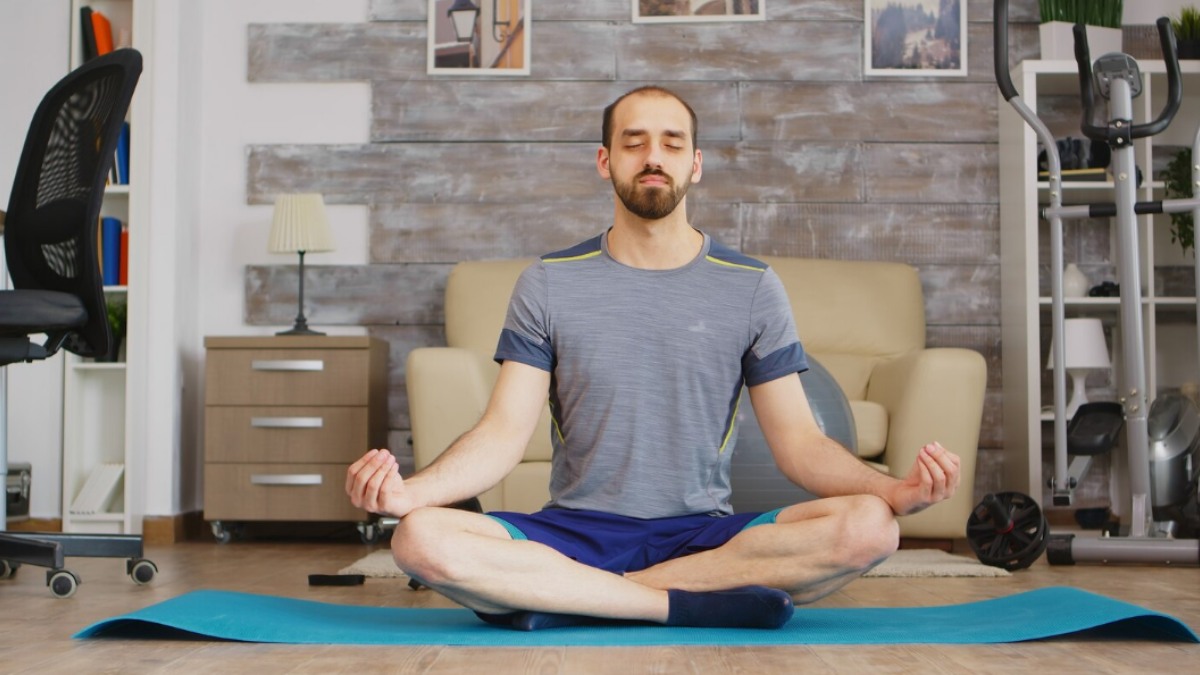
For someone beginning a meditation journey, the experience can be surprisingly ordinary at first. Sitting still may reveal just how active the mind actually is. Thoughts about work, family, responsibilities, memories and future plans can appear one after another. The practice gradually becomes an opportunity to notice this mental activity rather than becoming completely absorbed in it.
Beginning With the Breath
One of the simplest ways to begin a yogic meditation practice is through awareness of breathing.
Related Articles
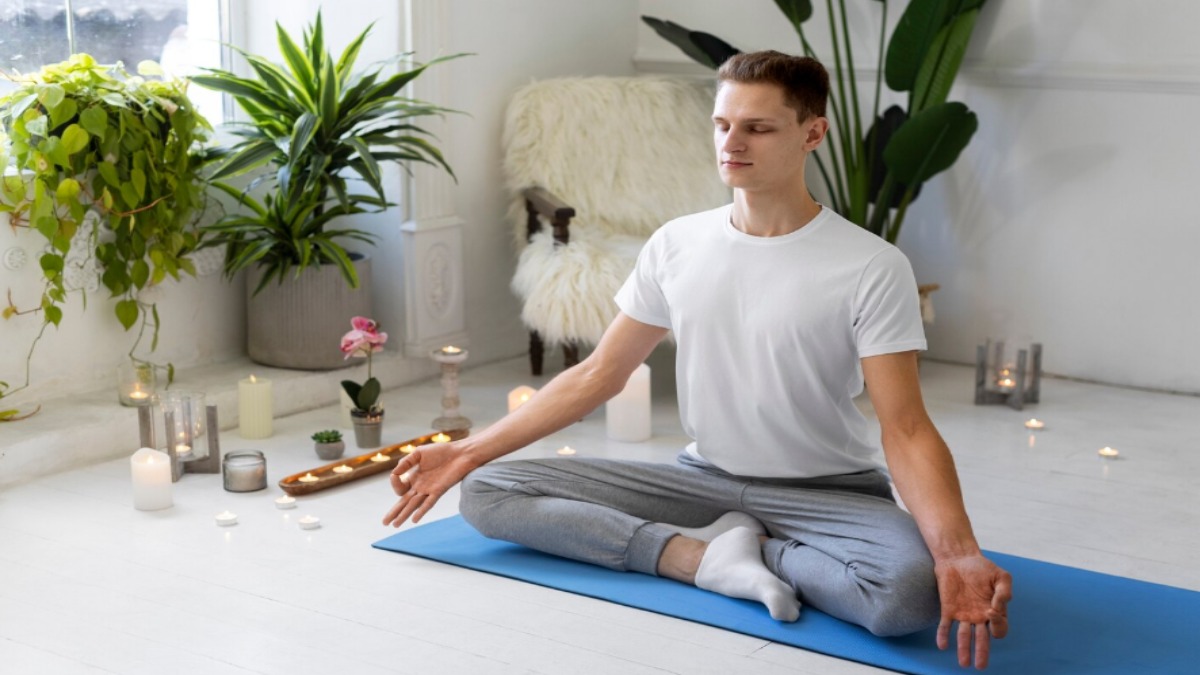
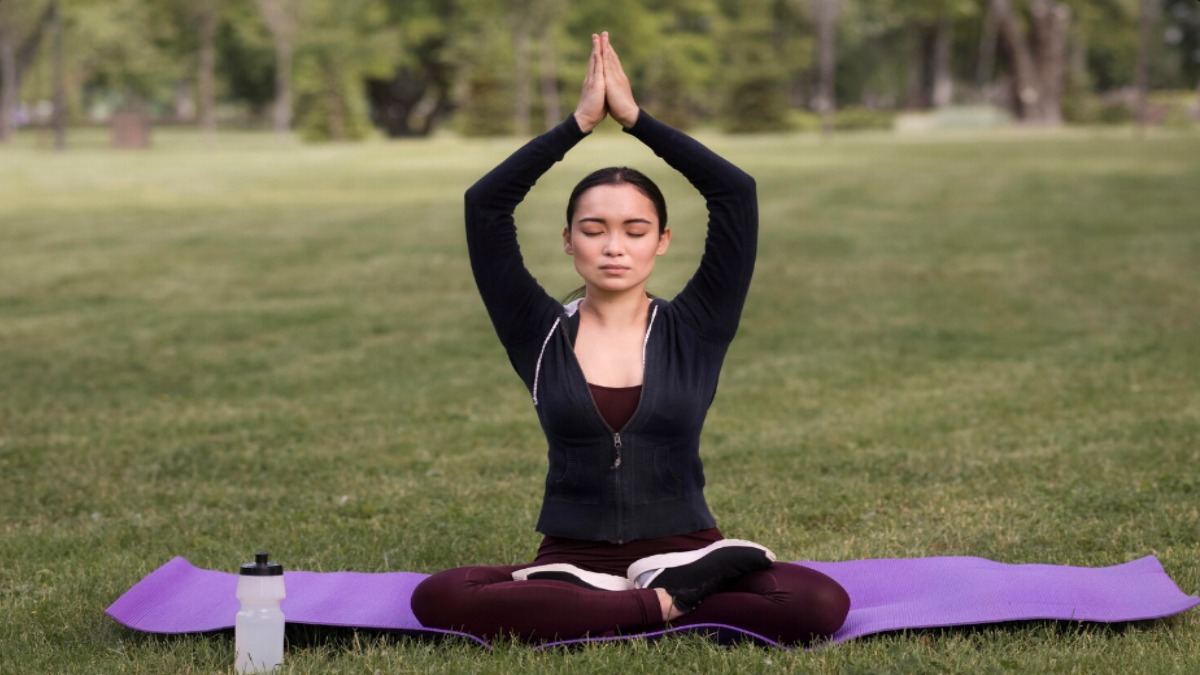
Sitting comfortably, the practitioner can observe the natural rhythm of inhalation and exhalation. There is no need to force the breath or immediately change its pace. Attention simply rests on the physical sensation of breathing.
At first, maintaining concentration can be difficult. The mind may wander repeatedly. Returning attention to the breath each time it wanders becomes part of the practice itself.
This process can teach an important lesson: meditation is not about never losing focus. It is about recognizing when attention has wandered and gently bringing it back.
Related Articles

Learning to Observe Thoughts
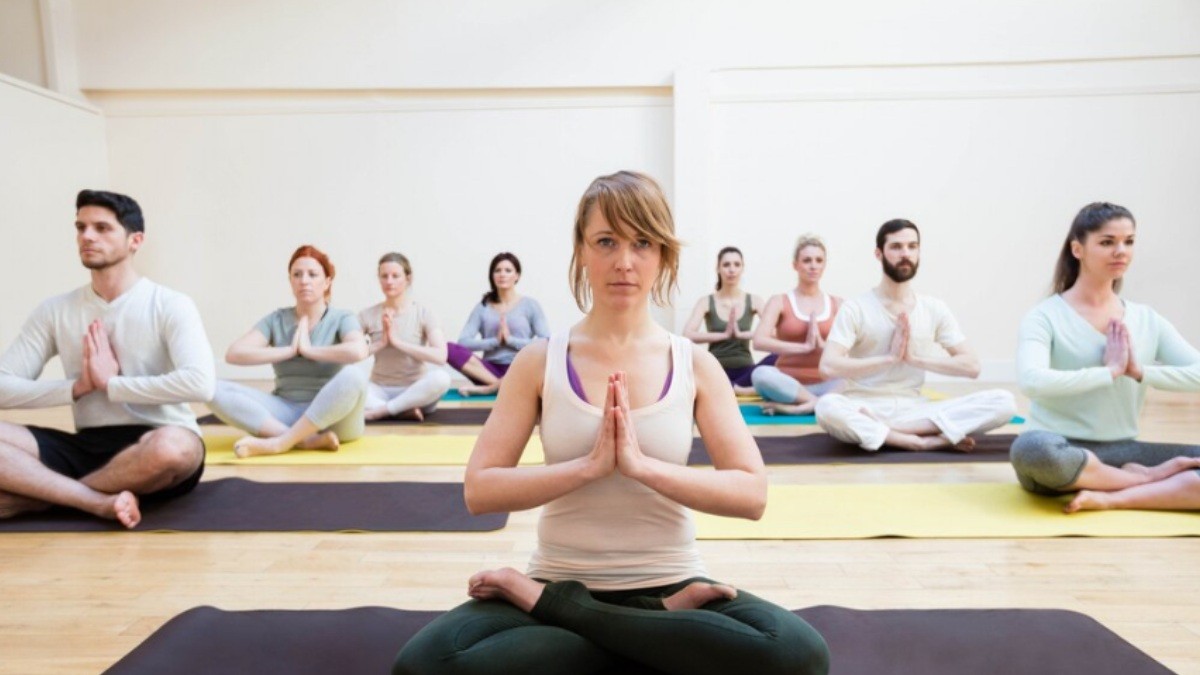
One of the most valuable experiences in meditation can be discovering the difference between having a thought and reacting to it.
During meditation, worries and memories may arise. Instead of following every thought, a practitioner can observe it and allow it to pass.
This does not mean suppressing emotions or pretending that difficult thoughts don't exist. Rather, meditation can encourage a more observant relationship with mental activity.
Over time, this approach may make it easier to pause before reacting to stressful situations in everyday life.
The Importance of Consistency
Meditation does not necessarily require long sessions. For beginners, even a few minutes of regular practice can provide an opportunity to develop awareness.
Consistency often matters more than duration. A person who meditates briefly every day may develop a stronger habit than someone who attempts a long session once every few weeks.
Creating a regular time can help. Some people prefer early morning, while others find evening meditation more comfortable.
The ideal time is the one that can realistically become part of your routine.
Bringing Awareness Into Daily Life
The effects of meditation need not remain limited to the time spent sitting on a meditation cushion or yoga mat.
Mindful awareness can gradually be incorporated into everyday activities. Eating, walking, working or having a conversation can become opportunities to notice physical sensations, emotions and thoughts.
For example, during a stressful conversation, taking a moment to notice the breath before responding may create a small but valuable pause.
This pause can help replace an automatic reaction with a more considered response.
Meditation and Emotional Wellbeing
Many people turn to meditation because they want to feel calmer. While meditation should not be presented as a cure for mental health conditions, mindfulness-based practices may help some people manage everyday stress and develop greater awareness of their emotional patterns.
Meditation can also encourage self-reflection. Instead of immediately judging emotions as good or bad, practitioners can learn to observe them with greater curiosity.
However, meditation is not suitable as a replacement for professional treatment when someone is experiencing significant psychological distress. People with mental health concerns should seek appropriate professional guidance.
The Spiritual Dimension of Yogic Meditation
For some practitioners, yogic meditation is more than a relaxation technique. It can be part of a broader spiritual discipline involving self-inquiry, concentration, ethical living and contemplation.
Traditional yoga philosophy includes practices intended to cultivate greater awareness and understanding of the self.
Different traditions interpret these practices in different ways, so there is no single experience that defines yogic meditation. Some people approach it primarily as a spiritual discipline, while others focus on its contemplative and wellbeing aspects.
Creating a Comfortable Practice
A quiet environment can make meditation easier, particularly for beginners. Choose a comfortable seated position that allows the spine to remain naturally upright without unnecessary strain.
There is no requirement to sit in an elaborate pose. A chair can be perfectly suitable if it allows you to remain comfortable and alert.
Avoid turning meditation into another performance goal. Feeling restless, distracted or impatient is common, particularly when starting.
What the Practice Can Teach
Perhaps one of the most meaningful aspects of meditation is learning to become more familiar with your own mind.
The practice may reveal habits of worrying, planning, judging or remembering. Rather than seeing this as failure, it can be viewed as information.
With patience, the practitioner can learn that thoughts do not always require immediate attention and that emotions can be observed without automatically controlling behaviour.
A personal experience of yogic meditation can begin with something remarkably simple: sitting quietly, breathing naturally and observing what happens within.
The practice is not about forcing the mind to become empty. It is about developing awareness, patience and the ability to return attention to the present moment.
Whether approached as a spiritual discipline or a mindfulness practice, yogic meditation can become a meaningful part of a balanced lifestyle. The most important elements are consistency, comfort and patience. Progress may not always be dramatic, but even small moments of awareness can gradually influence how we relate to ourselves, our thoughts and the world around us.




Comments 0