
Time to exercise is hard for work, family and daily life. Yoga can be a practical method of exercise that doesn’t have to go to the gym, be expensive equipment or be a long workout session. Even 15 minutes at home can help with the daily movement routine.
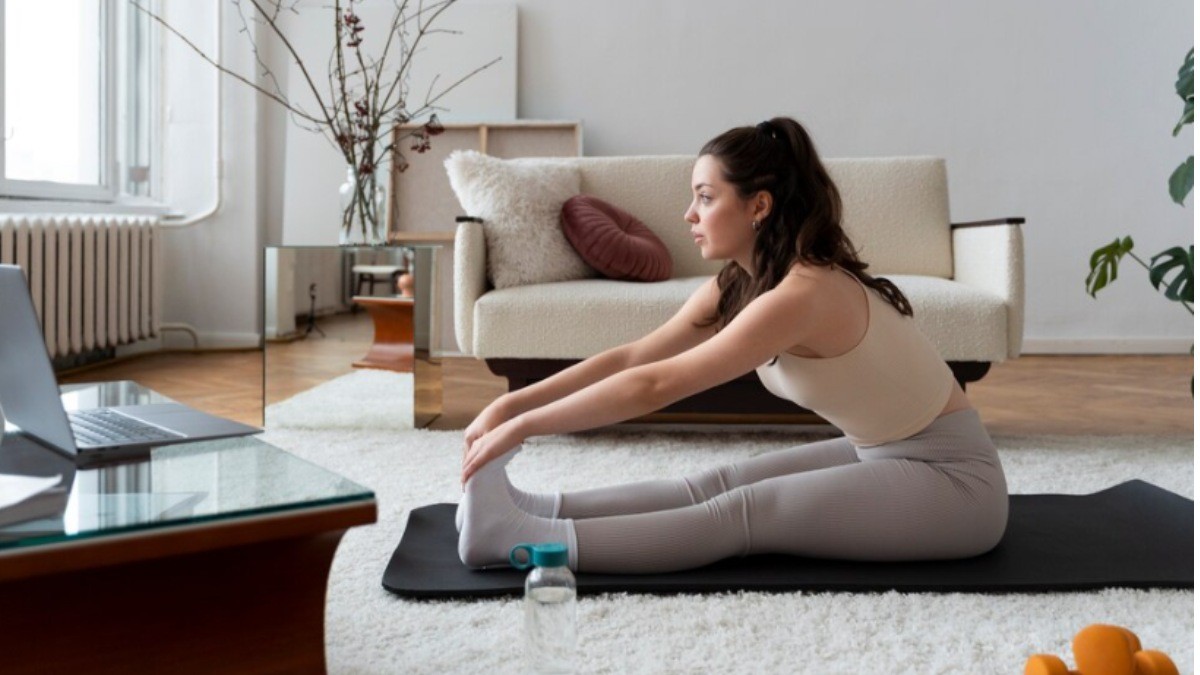
We don’t want to do too much at once. A short routine that you repeat consistently may be easier to maintain than an ambitious workout plan.
Why do you choose 15 minutes of yoga to do?
Many people avoid exercise because they think they need an hour or more to make it worthwhile. A 15-minute routine can remove that mental barrier.
Related Articles
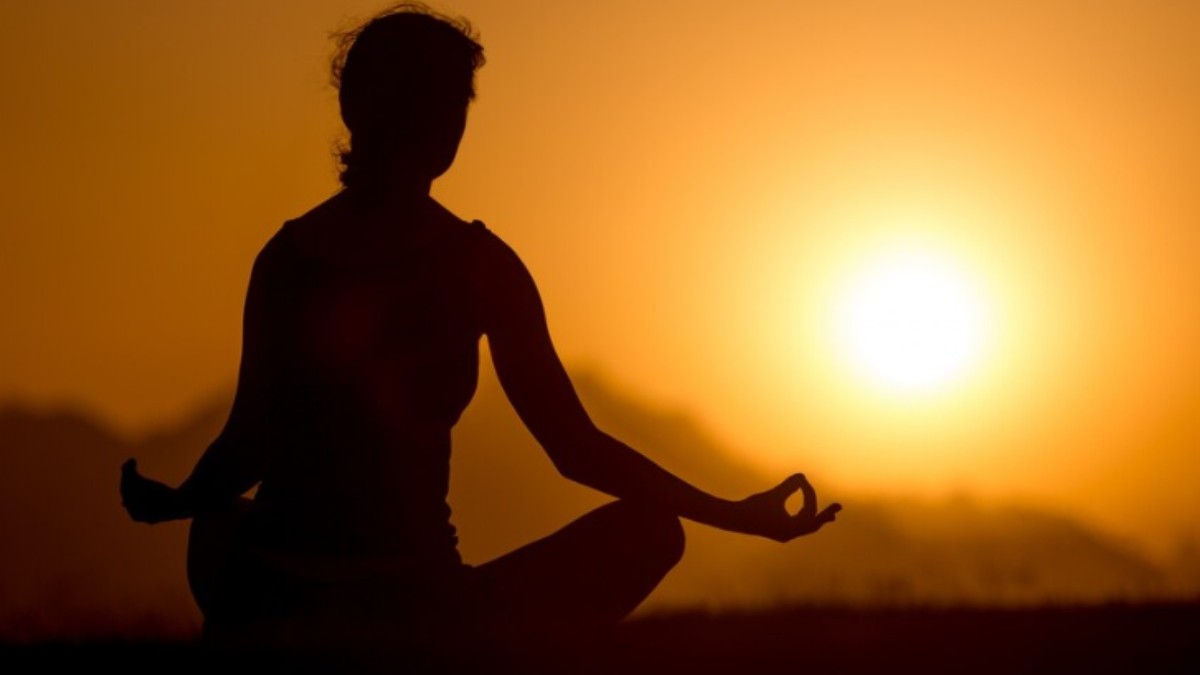
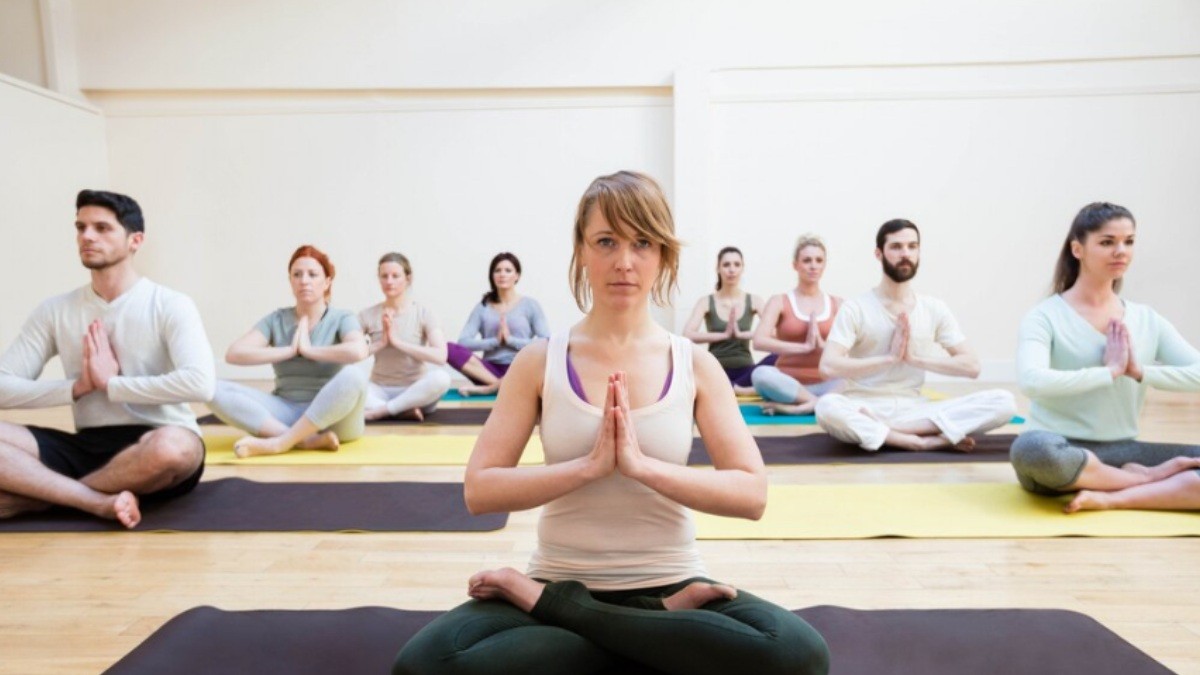
A brief yoga session can include gentle stretches, breathing exercises, balance movements and simple strengthening poses. It can also give a brief break from sitting and screen time.
The goal is to make yoga a part of your day and not a day-in-and-day-out thing, but to make it a day in and day out thing that you do regularly.
Start With a Simple Schedule
When will you work it into your routine? Some people like yoga when they wake up at 7 am and you might like yoga at night, others like the night.
Related Articles
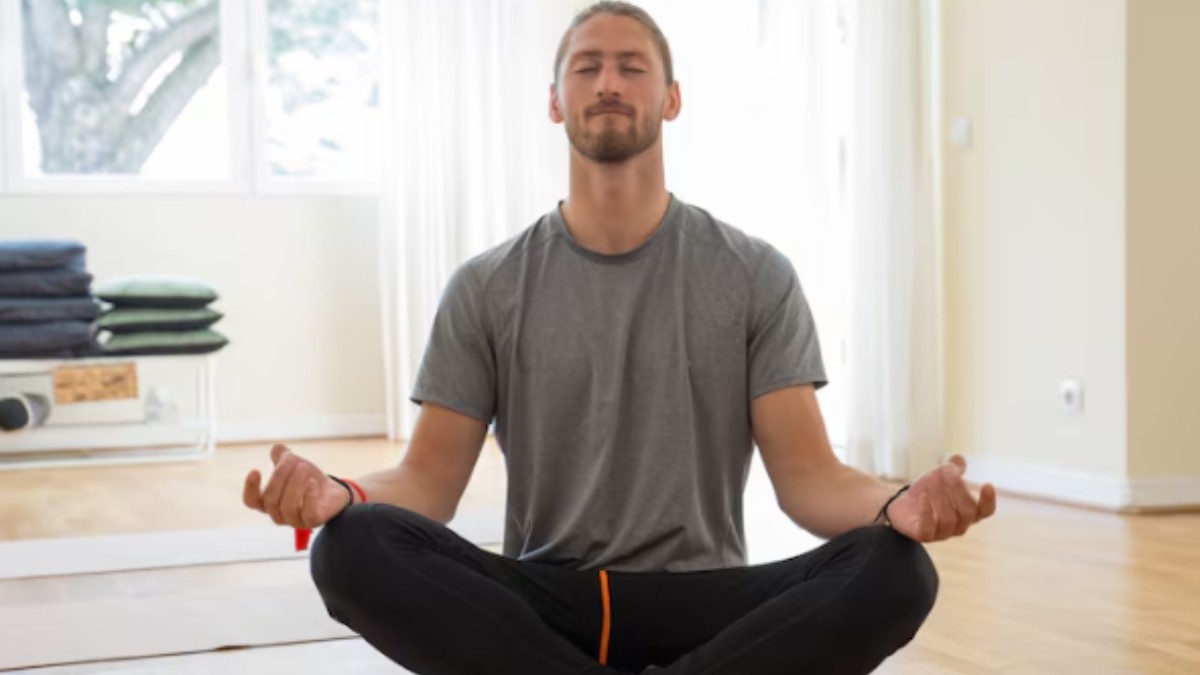
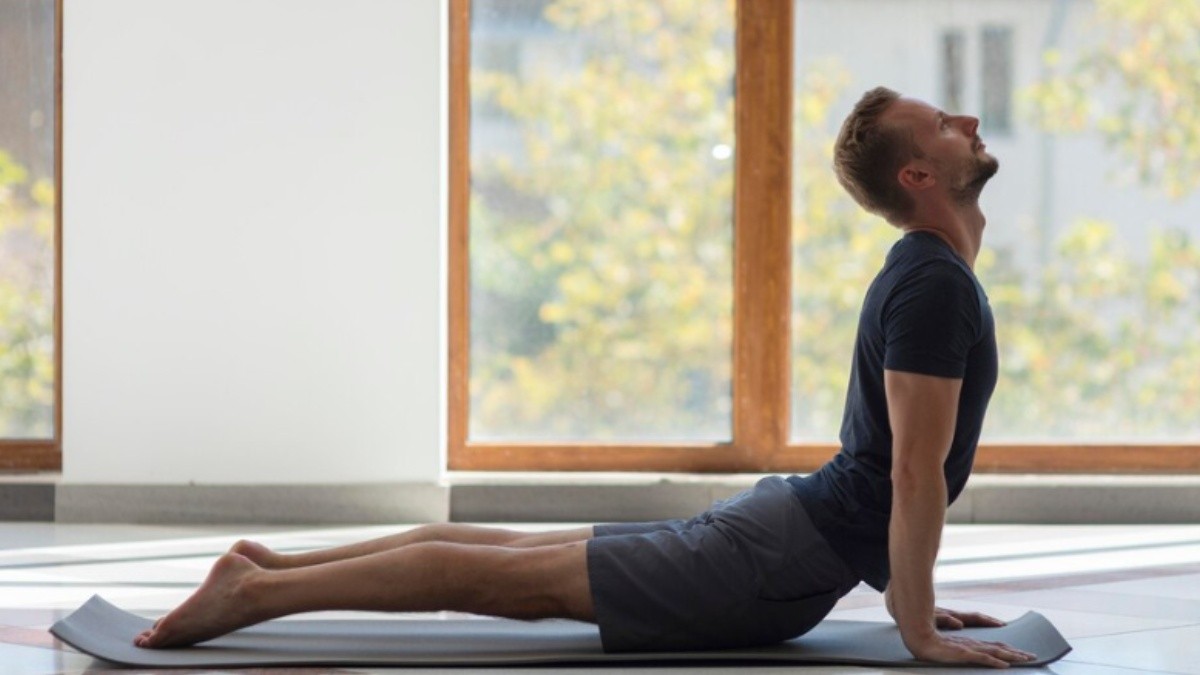
My yoga mat should be visible and accessible. What I’m going to do to keep it visible and easily accessible is to keep it. So just one simple thing to do reminds me to practice.
To do so, start with three to five sessions a week and don’t think that you will be able to practise perfectly every day.
Your 15-Minute Yoga Structure
The simple session can be divided into three sections.
Minutes 1–3: Warm-Up
Preliminary breathing and gentle movements. Slowly rotate your shoulders, move your neck within a comfortable range and gently stretch out your arms and legs.
Avoid forcing any movement. The warm-up is to prepare your body.
Minutes 4–11: Yoga Poses
Have a combination of simple poses that work for different parts of the body. You might include Cat-Cow, Child's Pose, Downward-Facing Dog, Mountain Pose and a gentle seated twist.
The movement is slow, but focus on breathing. If a pose is causing pain, stop or modify it.
For beginners, there is no need to do advanced poses. Basic movements with good form are more important than trying to copy difficult positions.
Minutes 12–15: Cool Down
Finish with gentle stretching and a few minutes of relaxed breathing. You can sit or lie comfortably and allow your breathing to return to its normal rhythm.
This final part can help signal that the practice is complete.
Make Yoga a Habit
When you link yoga to a habitual habit, you are more likely to continue to do it. You could practice after you brush your teeth in the morning or before you finish work, for example.
As a beginner you may have a simple calendar you can follow. You can get motivation to practice yoga without becoming a competition.
Don't worry about missing a day.
Busy schedules sometimes make it hard to practise. Missing one session does not prove that you have failed.
Instead of working out for a lot of time, it is easier to practice 15 minutes a day.
Listen to Your Body
Yoga should be adapted to your abilities and physical condition. Beginners should avoid forcing stretches or uncomfortable positions.
People with injuries, certain medical conditions or significant physical limitations will need professional advice before starting a new exercise programme.
Small Sessions Can Create Big Habits
The 15-minute yoga session may be small, but its greatest benefit may be consistency. You can make movement a reality in a busy life with the lack of long workouts, and that is when you can make movement a part of it.
Start slowly, practise regularly and allow your routine to evolve as your confidence grows.




Comments 0