
Pregnancy is a period of significant physical and emotional change. As the body adapts to support a growing baby, many expectant mothers look for gentle ways to stay active, manage everyday discomfort and maintain emotional wellbeing. Prenatal yoga is one approach that combines modified yoga postures, breathing techniques, relaxation and mindfulness specifically for pregnancy.
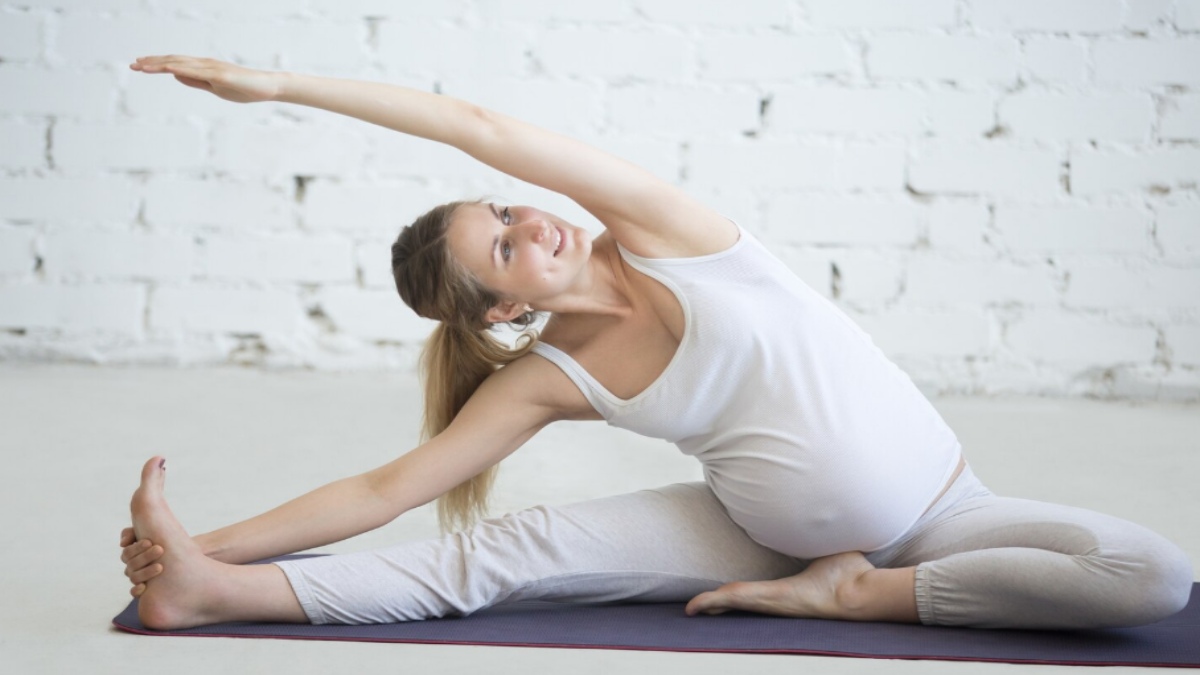
Unlike a general yoga class, prenatal yoga is designed to accommodate the changing body. Exercises can be adjusted according to the stage of pregnancy, individual comfort and medical considerations. When practised appropriately, it can be a valuable part of a healthy pregnancy routine for many people.
However, pregnancy is different for everyone. It is important to discuss exercise with a healthcare professional, particularly if there are pregnancy complications or other medical concerns.
Related Articles

What Is Prenatal Yoga
Prenatal yoga is a modified form of yoga intended for pregnant women. It generally focuses on gentle movement, comfortable stretching, breathing awareness, relaxation and body awareness.
Traditional yoga postures may be adapted to provide additional space for the abdomen and accommodate changes in balance and flexibility. Props such as blocks, cushions, bolsters and chairs can make movements more comfortable.
A prenatal yoga session may include a combination of warm-up movements, gentle standing or seated poses, breathing exercises, relaxation and a short mindfulness practice.
Related Articles

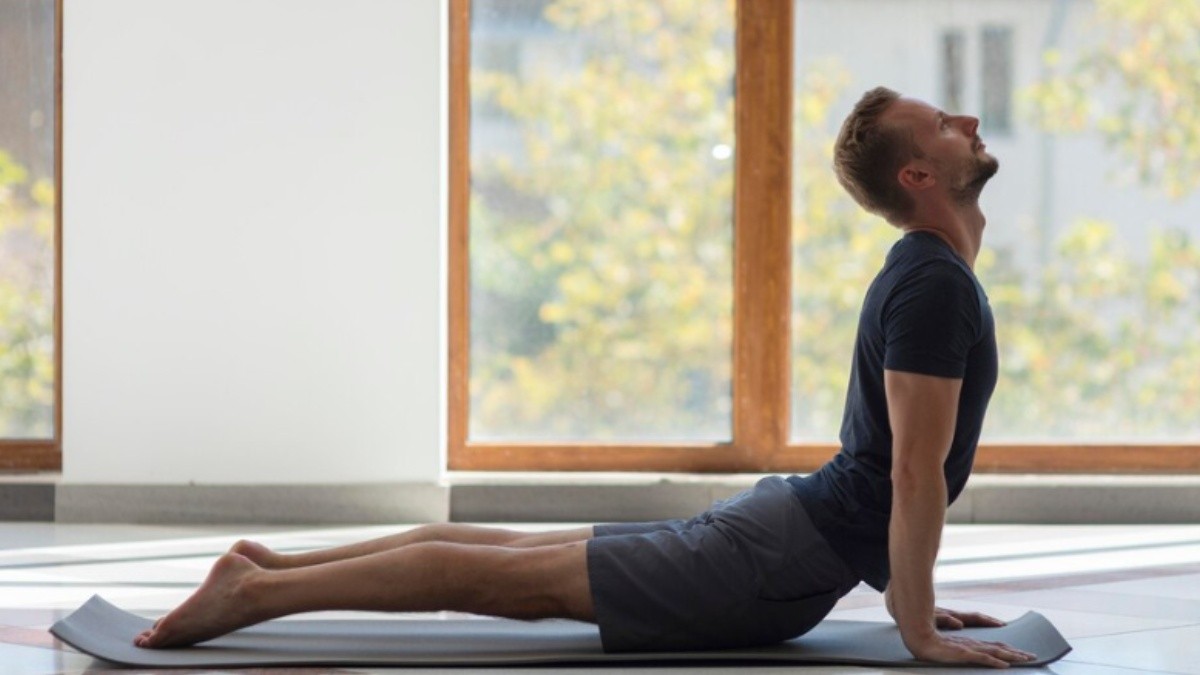
The goal is not to achieve advanced flexibility or difficult poses. Instead, the emphasis is on moving comfortably and developing awareness of the body.
Key Aspects of Prenatal Yoga
1. Gentle Movement
Prenatal yoga generally uses controlled movements rather than intense or high-impact exercise. Gentle movement can help pregnant women maintain mobility while avoiding unnecessary strain.
As pregnancy progresses, instructors may modify poses to account for the growing abdomen and changes in balance.
2. Breathing Techniques
Breathing is an important component of many yoga practices. Prenatal classes may incorporate slow, comfortable breathing exercises that encourage relaxation and awareness.
Learning to focus on breathing can also provide a useful tool for managing everyday stress and promoting calm.
Pregnant women should avoid breath-holding or forceful breathing techniques unless specifically advised and supervised by an appropriately qualified professional.
3. Relaxation and Mindfulness
Pregnancy can bring excitement as well as worries about childbirth, changing responsibilities and physical symptoms. Prenatal yoga often incorporates relaxation and mindfulness practices.
Quiet periods at the end of a session can provide an opportunity to slow down and focus on the present moment.
4. Balance and Body Awareness
Pregnancy changes a woman's centre of gravity, particularly during the later stages. Some yoga movements can encourage awareness of posture and balance.
However, balance can also become more challenging during pregnancy. Standing poses should be modified when necessary, and support such as a wall or chair can help reduce the risk of falling.
5. Adaptation to Each Trimester
A prenatal yoga routine should evolve as pregnancy progresses.
During early pregnancy, some women may be able to continue gentle activities they were already accustomed to, although fatigue and nausea may influence their routine. In the second and third trimesters, modifications may become increasingly important as the abdomen grows and the body's balance changes.
There is no requirement to perform a particular pose simply because it is included in a class. Comfort and safety should take priority.
Potential Benefits of Prenatal Yoga
May Support Physical Comfort
Gentle stretching and movement may help some pregnant women manage common discomforts such as stiffness and muscle tension.
Yoga can also encourage regular movement when prolonged sitting or inactivity becomes uncomfortable.
May Promote Relaxation
The combination of gentle movement, breathing and mindfulness can provide a relaxing experience. This may be particularly useful during periods of stress.
May Improve Flexibility and Mobility
Pregnancy can change posture and movement patterns. Appropriate stretching may help maintain comfortable mobility without requiring intense exercise.
May Support Physical Strength
Some prenatal yoga poses involve controlled weight-bearing and strengthening movements. Building and maintaining functional strength can be useful during pregnancy and everyday activities.
However, prenatal yoga should complement rather than replace other forms of pregnancy-appropriate physical activity when a healthcare professional recommends them.
May Encourage Mind-Body Awareness
Prenatal yoga encourages women to pay attention to their breathing, physical sensations and comfort levels. This awareness can help them recognise when they need to slow down, modify a movement or rest.
May Provide an Opportunity for Community
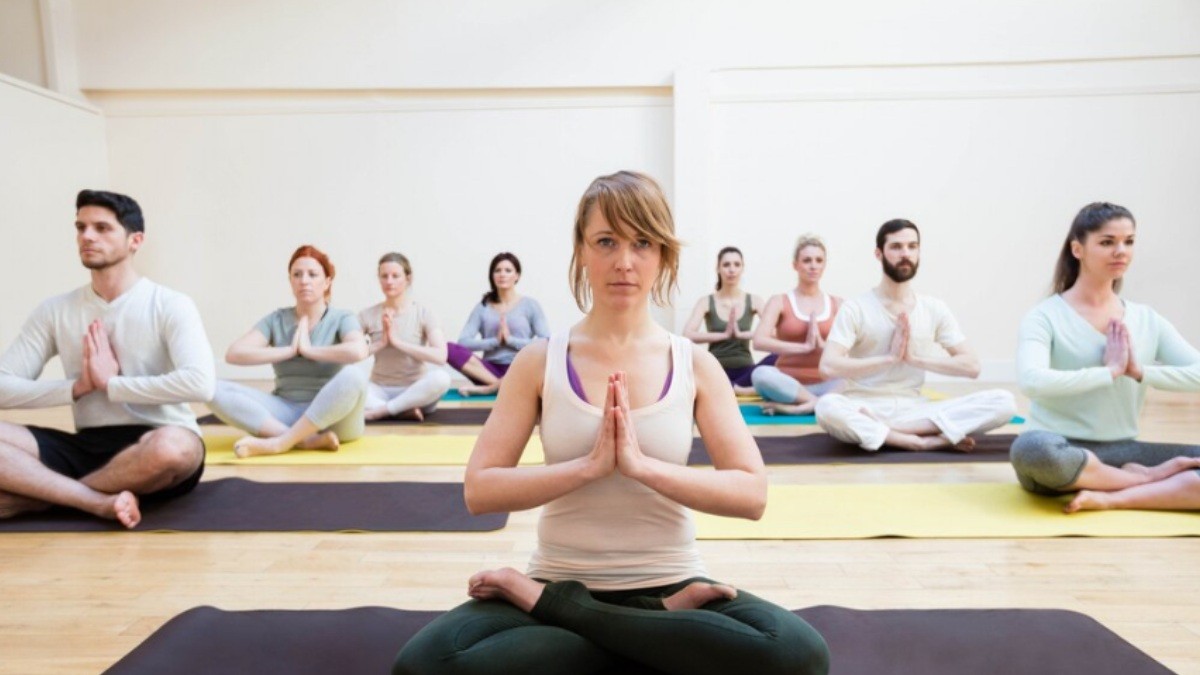
Group prenatal yoga classes can also offer social interaction. Meeting other expectant mothers may provide a sense of community and an opportunity to share experiences.
Important Safety Considerations
Prenatal yoga should always be adapted to the individual. Do not push through pain or dizziness, and avoid movements that feel unstable or uncomfortable.
Pregnant women should generally avoid activities with a significant risk of falling, overheating or abdominal injury. Certain positions may need modification, particularly later in pregnancy.
Anyone with a high-risk pregnancy or conditions such as pregnancy-related complications should obtain individual medical advice before starting or continuing an exercise program.
It is also advisable to choose an instructor who is appropriately trained in prenatal yoga and understands pregnancy-specific modifications.
When to Stop and Seek Medical Advice
Stop exercising and contact a healthcare professional if you experience concerning symptoms such as vaginal bleeding, significant fluid leakage, chest pain, severe shortness of breath, fainting, painful regular contractions or other unusual symptoms.
Reduced fetal movement later in pregnancy should also be discussed promptly with the maternity care team.
Prenatal yoga combines gentle movement, breathing, relaxation and mindfulness to support women through the physical and emotional changes of pregnancy. Potential benefits include improved mobility, relaxation, body awareness and maintaining appropriate physical activity.
The practice should never be about forcing the body into challenging positions. Pregnancy is a time to adapt movement to changing needs and prioritise comfort and safety.
With appropriate modifications and guidance from a qualified instructor, prenatal yoga can be a gentle and enjoyable addition to a pregnancy wellness routine. Most importantly, expectant mothers should follow their healthcare provider's advice and choose activities appropriate for their individual pregnancy.




Comments 0