
Athletes spend countless hours training to improve speed, strength, endurance and performance. But intense training without adequate mobility, recovery and conditioning can place considerable stress on muscles, joints, tendons and ligaments. This is why injury prevention should be considered an essential part of an athlete's training routine rather than something to think about only after an injury occurs.
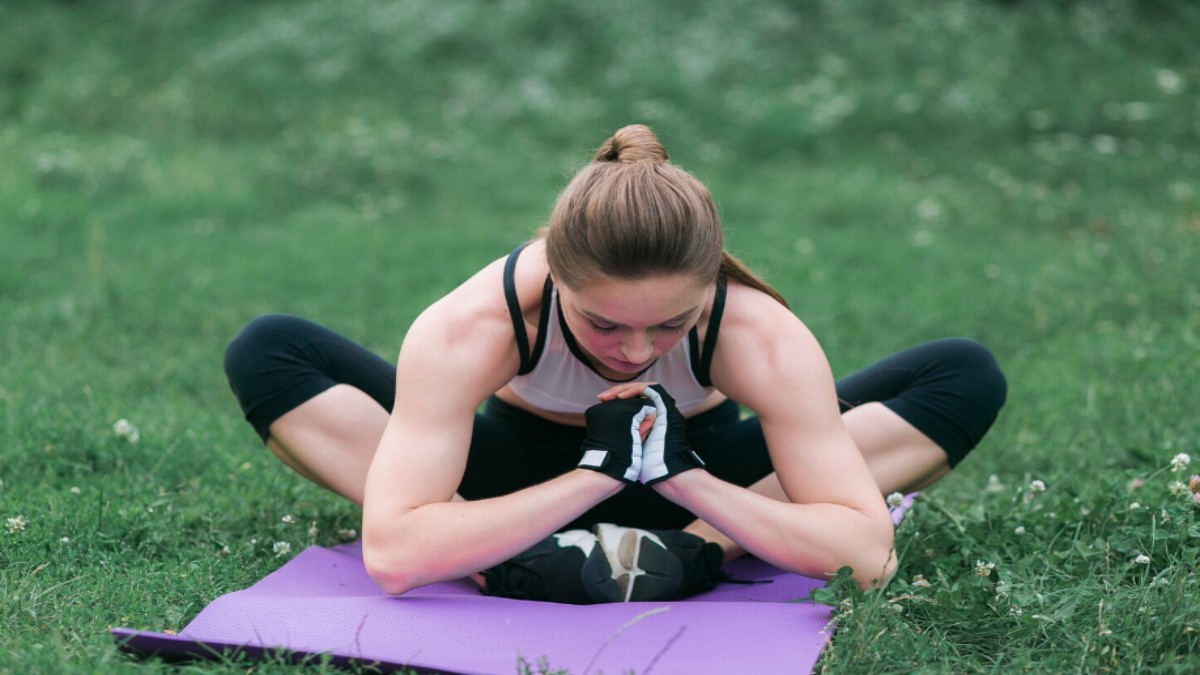
While strength and cardiovascular conditioning are important, yoga and gentle exercises can complement athletic training by improving flexibility, mobility, balance, body awareness and recovery. These practices can be particularly useful when incorporated appropriately alongside sport-specific training.
Why Do Sports Injuries Happen
Sports injuries can occur for many reasons. Sudden increases in training volume, repetitive movements, poor technique, inadequate warm-ups, muscle weakness and insufficient recovery can all contribute.
Related Articles

Some athletes may also have limited mobility in certain joints or muscle groups. When the body repeatedly compensates for restricted movement, additional stress can be placed on other areas.
Fatigue is another important consideration. As muscles become tired, coordination and technique can deteriorate, potentially increasing injury risk.
Although no exercise program can guarantee injury prevention, a balanced approach that includes strength, mobility, recovery and appropriate rest can help athletes prepare their bodies for the demands of their sport.
Related Articles

How Yoga Can Support Athletes
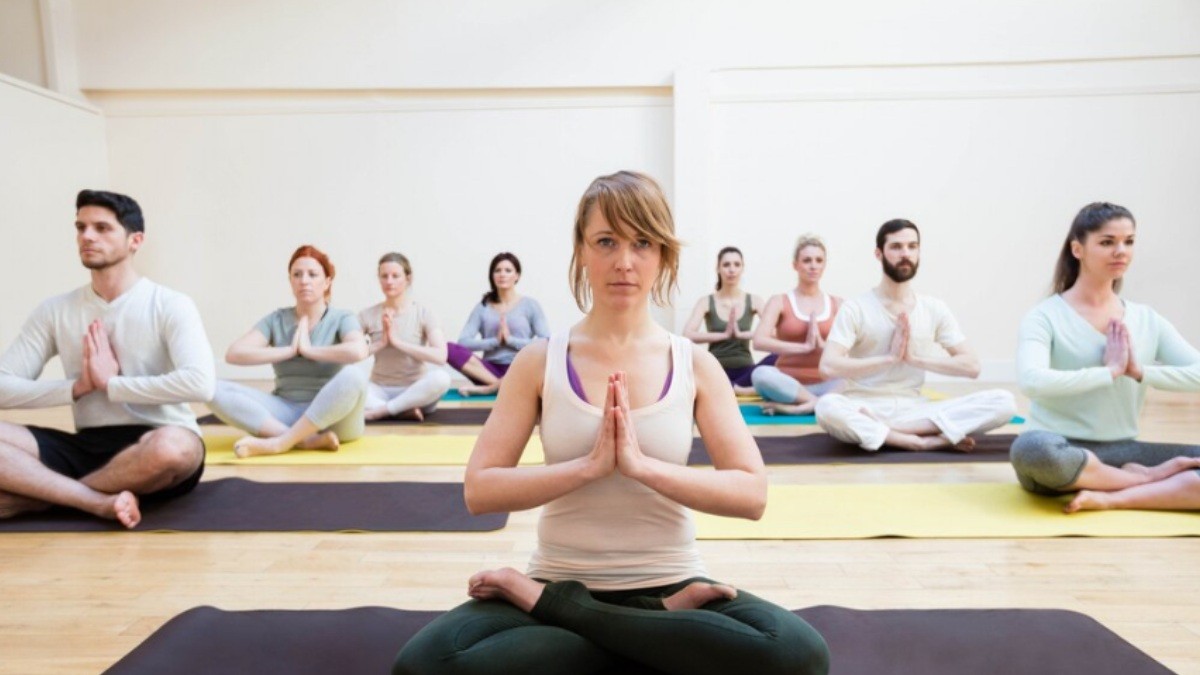
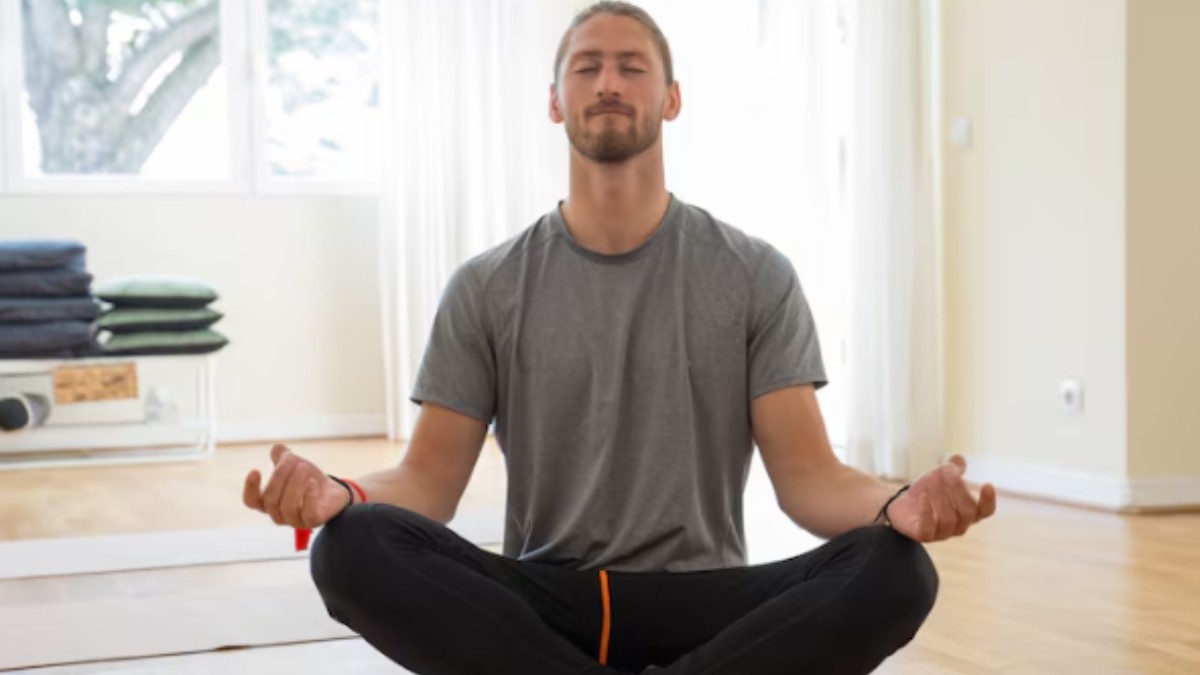
Yoga involves controlled movements, stretching, balance and breathing. Different styles and poses can be adapted to suit an athlete's needs and fitness level.
Regular yoga practice may help improve flexibility and range of motion. For athletes involved in running, cycling, football, tennis or other repetitive activities, maintaining adequate mobility can be valuable.
Yoga can also develop body awareness. Paying attention to alignment, breathing and movement encourages athletes to recognize tension, imbalance or discomfort instead of automatically pushing through it.
However, athletes should avoid treating yoga as a competition. Forcing a stretch or attempting advanced poses without adequate preparation can itself cause injury.
Gentle Exercises for Better Mobility
Soft or low-impact exercises can be used on recovery days or as part of a warm-up and cooldown routine. Examples include controlled leg swings, arm circles, hip mobility movements, ankle rotations and gentle dynamic stretches.
These exercises encourage movement without placing the same demands on the body as intense training.
Dynamic movements are particularly useful before exercise because they can prepare the body for activity. Static stretching, meanwhile, may be more appropriate during cooldowns or separate flexibility sessions, depending on the athlete's program.
Don't Forget Strength Training
Yoga and gentle exercise should complement not replace appropriate strength training.
Strong muscles help athletes produce and control force. Strengthening the muscles surrounding commonly stressed joints can support stability and movement.
A well-rounded injury-prevention program may therefore include resistance training, mobility exercises, sport-specific drills, balance work and recovery sessions.
The exact combination should depend on the athlete's sport, training level, age, injury history and individual needs.
Balance and Coordination Matter
Injury prevention isn't only about flexibility. Balance and coordination are equally important.
Single-leg balance exercises, controlled movements and certain yoga poses can challenge an athlete's ability to maintain stability. This may be particularly relevant for sports that involve jumping, changing direction or landing.
Exercises should be progressed gradually. Athletes should first master controlled movements before adding instability, speed or additional resistance.
Recovery Is Part of Training
Athletes sometimes focus so heavily on training that they underestimate recovery. Muscles and connective tissues need time to adapt to physical stress.
Gentle yoga, walking, mobility work and other low-intensity activities can form part of an active recovery routine. Adequate sleep, hydration and nutrition are also fundamental to recovery.
If an athlete is experiencing persistent pain or worsening symptoms, however, exercise should not be used to simply push through the problem.
Listen to Your Body
There is an important difference between normal training discomfort and pain that may indicate injury.
Sharp, sudden or persistent pain, swelling, instability, weakness or reduced function should be evaluated by an appropriate healthcare professional. Athletes recovering from an injury should also follow an individualized rehabilitation program rather than returning to demanding yoga poses or intense exercise too quickly.
Preventing sports injuries requires more than warming up for a few minutes before practice. Athletes benefit from a comprehensive approach that combines strength, mobility, flexibility, balance, technique, recovery and rest.
Yoga and gentle exercises can be valuable additions to this approach. They may help athletes maintain mobility, develop body awareness and support recovery while complementing their primary training.
The key is consistency and moderation. Athletes should choose exercises appropriate to their abilities, progress gradually and avoid forcing movements. When combined with sport-specific conditioning and professional guidance when needed, gentle movement can become an important part of a long-term strategy for staying active, healthy and ready to perform.




Comments 0