
Pranayama, often described as yogic breath regulation, is an important part of traditional yoga practice. While many people associate yoga primarily with physical postures, yoga has traditionally included practices involving the body, breath and mind. Pranayama provides a bridge between physical movement and mental awareness by encouraging practitioners to pay close attention to breathing.
Breathing happens automatically throughout the day, but stress, physical activity and emotional states can influence breathing patterns. Pranayama introduces intentional breathing techniques that may promote relaxation, concentration and greater awareness of the body. When practised appropriately, it can become a valuable component of a balanced yoga routine.
What Is Pranayama
The Sanskrit term “Pranayama” is commonly associated with the regulation or expansion of the breath and vital energy. Different traditional techniques involve varying patterns of inhalation, exhalation and, in some practices, breath retention.
Related Articles
Some techniques are gentle and suitable for beginners, while others are more advanced and may require guidance from an experienced yoga teacher. The purpose is not simply to breathe deeply but to develop conscious control and awareness of the breath.
Pranayama Connects the Body and Mind
One of the distinctive features of Pranayama is its ability to bring attention inward. During a breathing exercise, practitioners focus on the rhythm and sensation of breathing instead of allowing attention to remain on external distractions.
This can make Pranayama a useful transition between active yoga postures and meditation. After moving through a sequence of asanas, a few minutes of calm breathing can help practitioners settle into a quieter state of awareness.
Related Articles
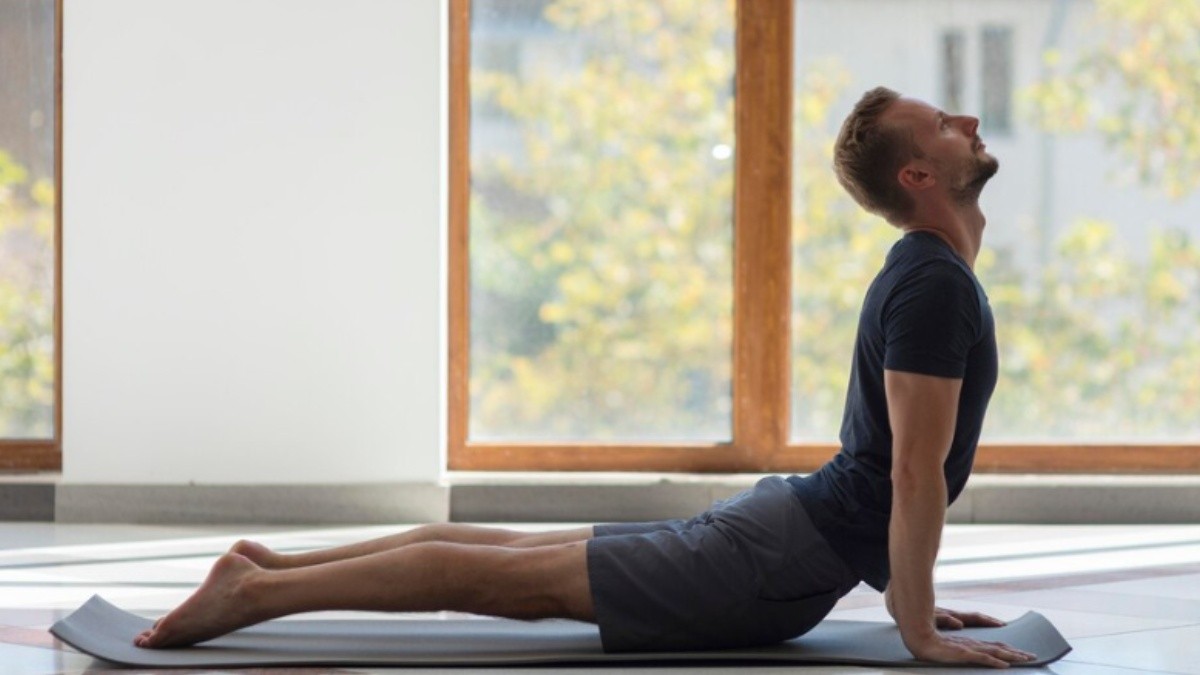
Supports Relaxation and Stress Management
Slow, controlled breathing may encourage a calmer physiological state and can be incorporated into relaxation routines. When people feel stressed, their breathing may become faster or shallower. Bringing attention to a steady breathing pattern can provide a simple way to pause and reconnect with the present moment.
Practising gentle breathing exercises regularly may therefore complement other healthy approaches to managing everyday stress, such as exercise, adequate sleep and meditation.
May Improve Breath Awareness
Pranayama encourages people to notice how they breathe. This awareness can be useful beyond the yoga mat.
Practitioners may become more conscious of unnecessary breath-holding, rapid breathing or tension in the chest and shoulders. Learning to observe these patterns can encourage more mindful breathing during everyday activities.
However, Pranayama should not be considered a treatment for respiratory disease. People with asthma, chronic lung conditions or other health concerns should seek medical advice about which breathing exercises are appropriate.
Can Support Concentration
Many Pranayama practices require sustained attention. Practitioners may count breaths, focus on the sensation of inhalation and exhalation or follow a particular breathing rhythm.
This deliberate attention can make breathing practice an opportunity to develop concentration. It may also prepare the mind for meditation, where sustained attention and awareness are central elements.
Common Pranayama Techniques
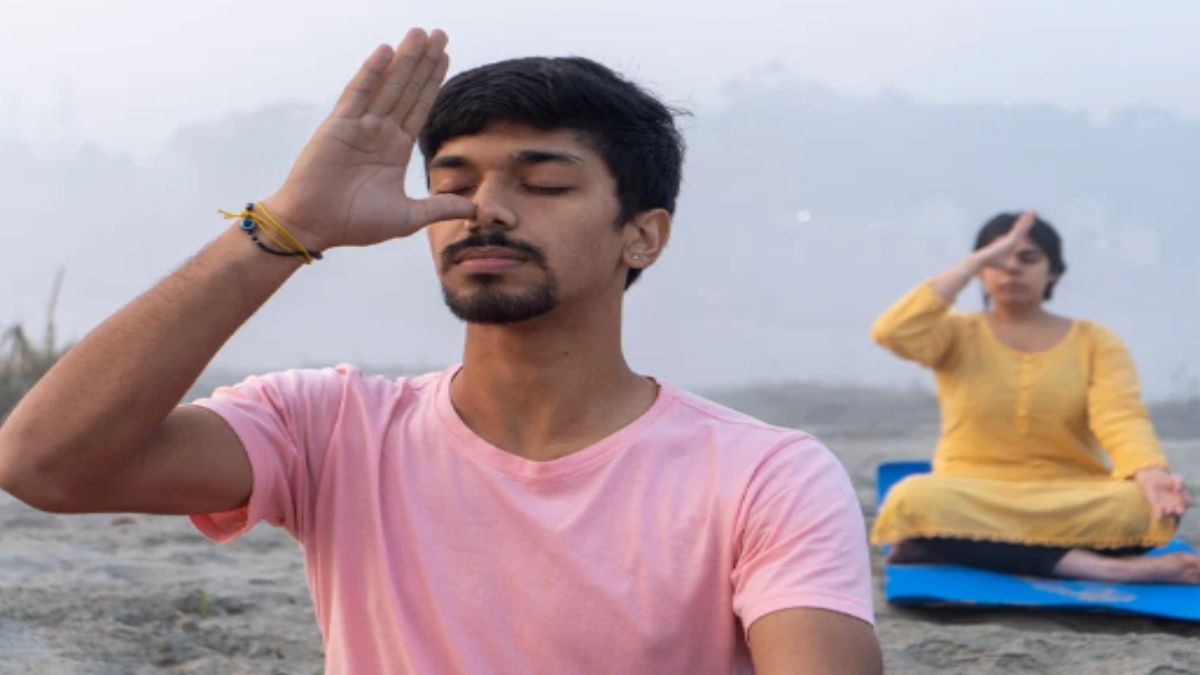
There are numerous Pranayama techniques, and they differ in purpose and intensity. Nadi Shodhana, often called alternate-nostril breathing, involves alternating the flow of breath through the nostrils and is commonly practised as a calming exercise.
Bhramari, or humming-bee breath, involves making a gentle humming sound during exhalation. Many practitioners find it relaxing and use it as part of a quiet yoga routine.
Kapalabhati involves active, forceful exhalations with passive inhalations and is generally considered more advanced. It should not be approached casually or performed forcefully without understanding the technique and any relevant health precautions.
Simple mindful breathing, in which practitioners observe natural inhalation and exhalation without changing them, is another accessible starting point.
Pranayama and Meditation
Breath awareness is closely connected with meditation. Focusing on breathing gives the mind an anchor and provides a simple object of attention.
For beginners, spending five minutes observing the natural breath after a yoga session can be an effective introduction. There is no need to force the breath or achieve a particular mental state. The practice is primarily about awareness and returning attention gently whenever the mind wanders.
How Beginners Can Practise Safely
Beginners should start with simple, comfortable breathing exercises rather than immediately attempting advanced techniques or prolonged breath retention.
Practise in a quiet, comfortable environment and keep the breath smooth. Stop if you feel dizzy, breathless, uncomfortable or unwell. Avoid forcing inhalations or exhalations.
People who are pregnant or who have cardiovascular, respiratory or other medical conditions should consult an appropriate healthcare professional before practising more intensive breathing exercises or breath retention.
Learning from a qualified yoga teacher can also help beginners understand correct technique.
Pranayama plays an important role in yoga by bringing conscious awareness to breathing and creating a connection between physical practice and mental focus. Gentle breathing techniques may support relaxation, concentration, mindfulness and awareness of breathing patterns.


Comments 0