Yoga is widely practiced for flexibility, strength, balance, stress management, and relaxation, but its potential role in digestive wellbeing is also gaining attention. The digestive system is closely connected with the nervous system, daily activity, sleep, diet, and emotional health. Because yoga combines physical movement with breathing and relaxation, it can form part of a healthy lifestyle that supports overall digestive function.
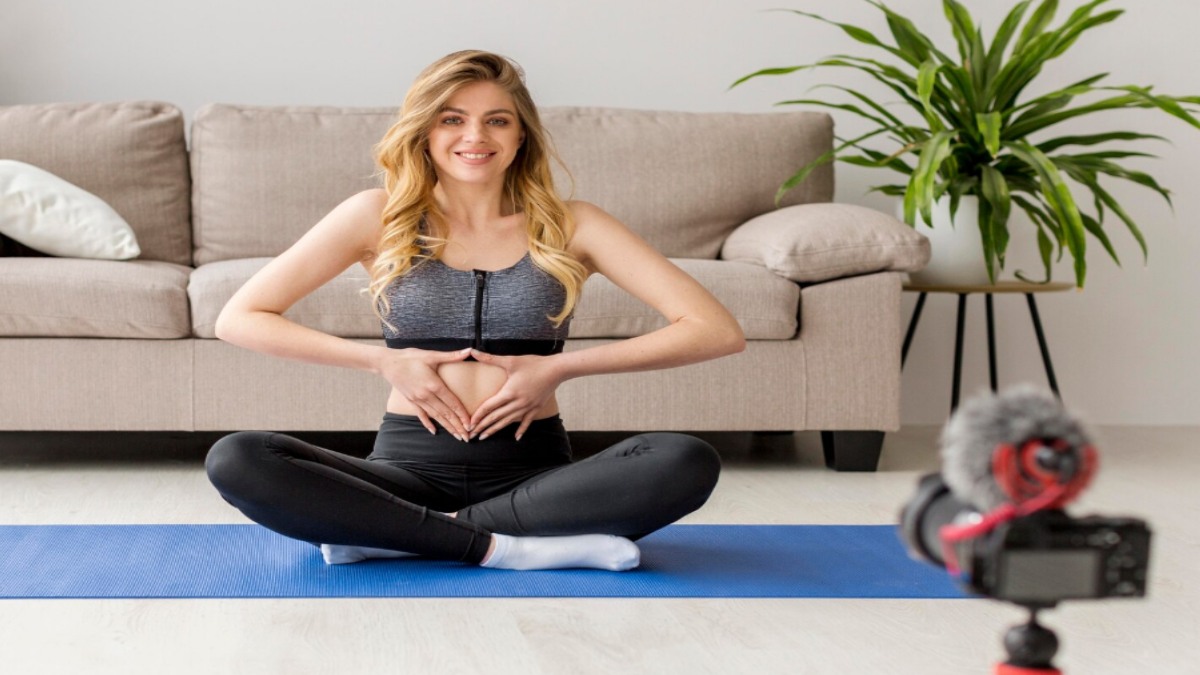
Yoga should not be considered a treatment or cure for digestive diseases. However, gentle movement and stress-management practices may help some people feel more comfortable and support habits associated with healthy digestion.
Understanding the connection between yoga and digestion
Digestion is a complex process involving the stomach, intestines, liver, pancreas, and other organs. Food must be broken down, nutrients absorbed, and waste eliminated. This process is influenced by the autonomic nervous system, which helps regulate functions that occur without conscious control.
Related Articles


Stress can affect the digestive system in different ways. Some people experience changes in appetite, bloating, abdominal discomfort, constipation, or diarrhoea during periods of stress. Relaxation practices such as yoga and controlled breathing may help reduce stress and promote a calmer state.
Regular physical activity can also support general health and bowel regularity. Yoga provides a gentle way to incorporate movement into the day, particularly for people who spend long periods sitting.
Gentle twists and body movement
Certain yoga postures involve gentle twisting of the torso. Movements such as a seated spinal twist can encourage mobility through the spine and abdominal region.
Related Articles
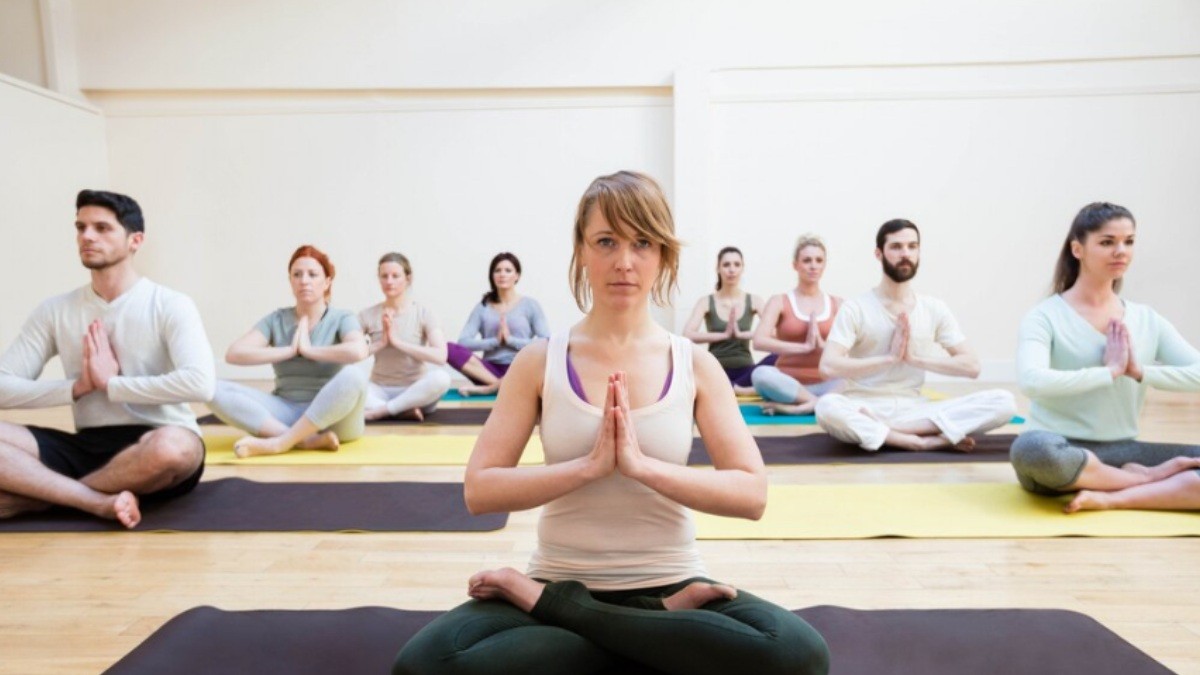
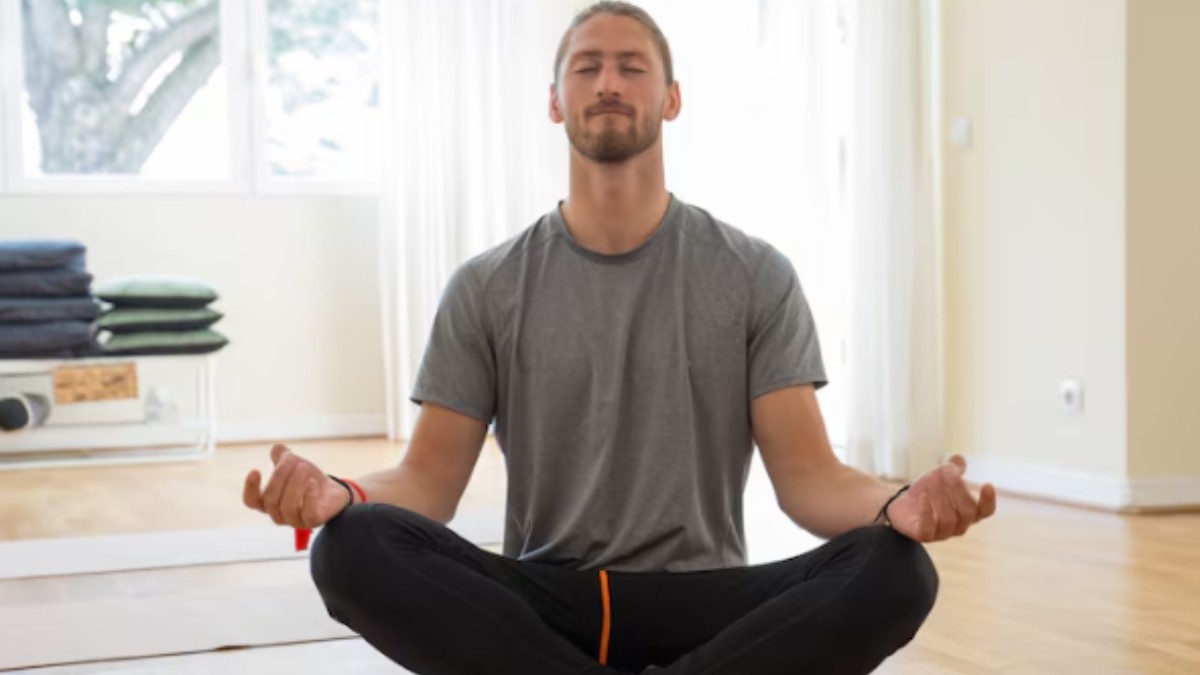
However, claims that twisting literally “detoxes” the digestive organs or squeezes toxins out of the body are not scientifically established. The potential benefit is better understood as gentle physical activity, mobility, and relaxation.
Twists should always be performed comfortably. Avoid forcing the body into a deep position, particularly after eating or if you have an injury or medical condition.
Child's Pose for relaxation
Child's Pose is a simple restorative posture that can encourage relaxation. From a kneeling position, the practitioner lowers the upper body toward the floor while extending the arms or resting them alongside the body.
The position can be modified with cushions or pillows for additional comfort. Because stress and digestive symptoms can sometimes interact, relaxation may be a useful component of a broader approach to digestive wellbeing.
Cat-Cow movements
Cat-Cow is a gentle movement between two positions that can help mobilise the spine and encourage coordinated breathing.
Starting on the hands and knees, the practitioner alternates between gently arching and rounding the back. The movement should remain slow and comfortable rather than being performed forcefully.
It can be particularly useful as part of a warm-up or a short movement break after spending a long time sitting.
Wind-Relieving Pose
Wind-Relieving Pose, traditionally known as Pawanmuktasana, involves bringing one or both knees toward the chest while lying on the back. It is commonly included in yoga routines marketed for digestive support.
Some people may find the posture comfortable when experiencing mild feelings of abdominal fullness or gas. However, it should not be viewed as a guaranteed remedy for digestive symptoms.
Anyone with abdominal pain, recent surgery, pregnancy-related concerns, or another medical condition should ask a healthcare professional whether particular yoga poses are appropriate.
Breathing exercises and relaxation
Breathing practices are an important component of many yoga traditions. Slow, controlled breathing can encourage relaxation and may help people manage stress.
A simple practice involves inhaling gently through the nose and slowly exhaling without forcing the breath. Spending a few minutes focusing on breathing can be incorporated into a daily routine.
People should be cautious with advanced breathing techniques or prolonged breath retention. Beginners should learn from a qualified instructor, particularly if they have cardiovascular or respiratory conditions.
Yoga and constipation
Regular movement is one component of a lifestyle that can support bowel health. Gentle yoga may encourage people to move more frequently, while relaxation techniques may help reduce stress.
However, constipation has many possible causes, including inadequate fibre, insufficient fluid intake, medication, changes in routine, and underlying health conditions. Yoga should therefore complement not replace appropriate dietary and medical care.
A balanced diet containing adequate fibre, sufficient fluid intake, and regular physical activity can be important for maintaining normal bowel function.
When to avoid self-treatment
Digestive symptoms should not automatically be attributed to stress or poor digestion. Persistent or severe symptoms require appropriate medical evaluation.
Seek medical advice for symptoms such as severe or persistent abdominal pain, repeated vomiting, blood in the stool, unexplained weight loss, persistent changes in bowel habits, difficulty swallowing, or other concerning symptoms.
People with diagnosed digestive conditions should discuss exercise and yoga with their healthcare provider, particularly during periods of active symptoms.
Making yoga part of a healthy routine
A short, consistent yoga practice may be more sustainable than an occasional intensive session. Beginners can start with gentle movements, breathing exercises, and simple poses before progressing to more challenging routines.
Practising at a comfortable time, avoiding strenuous poses immediately after a large meal, and staying hydrated can make the experience more comfortable.
Ultimately, yoga's role in digestive health is best understood as part of a broader wellness approach. Its combination of movement, breathing, relaxation, and mindfulness can support healthy lifestyle habits and may help some people manage stress-related digestive discomfort.
Healthy digestion depends on many factors, including nutrition, hydration, physical activity, sleep, stress management, and medical care when necessary. Yoga can be a useful addition to this overall picture, but it should not replace professional evaluation or treatment for persistent digestive problems.




Sign in to ItzLyfe

Your Next Story Starts Here
Get the latest lifestyle stories, horoscope, fashion, travel, cookery, and health updates—all in one place.
By signing in, you agree to our Privacy Policy.
Comments 0