
Bloating, gas, indigestion and heaviness after eating are common digestive complaints. Sometimes the discomfort is caused by eating habits, foods, stress and not so much the food but the very things which are part of a healthy life, and simple lifestyle changes of a diet, physical activity and sleep habits can be considered to be part and parcel of a digestion-friendly lifestyle.

Gentle yoga may also be incorporated in such a routine. Some yoga postures are directed at the abdomen, stretching and twisting, and others are about relaxation and slow breathing. Some people may feel more comfortable and have more time to work out yoga, but as a treatment for digestive disorders yoga is not a sure thing.
Here are five gentle yoga poses usually associated with digestive comfort.
Related Articles


1. Vajrasana.

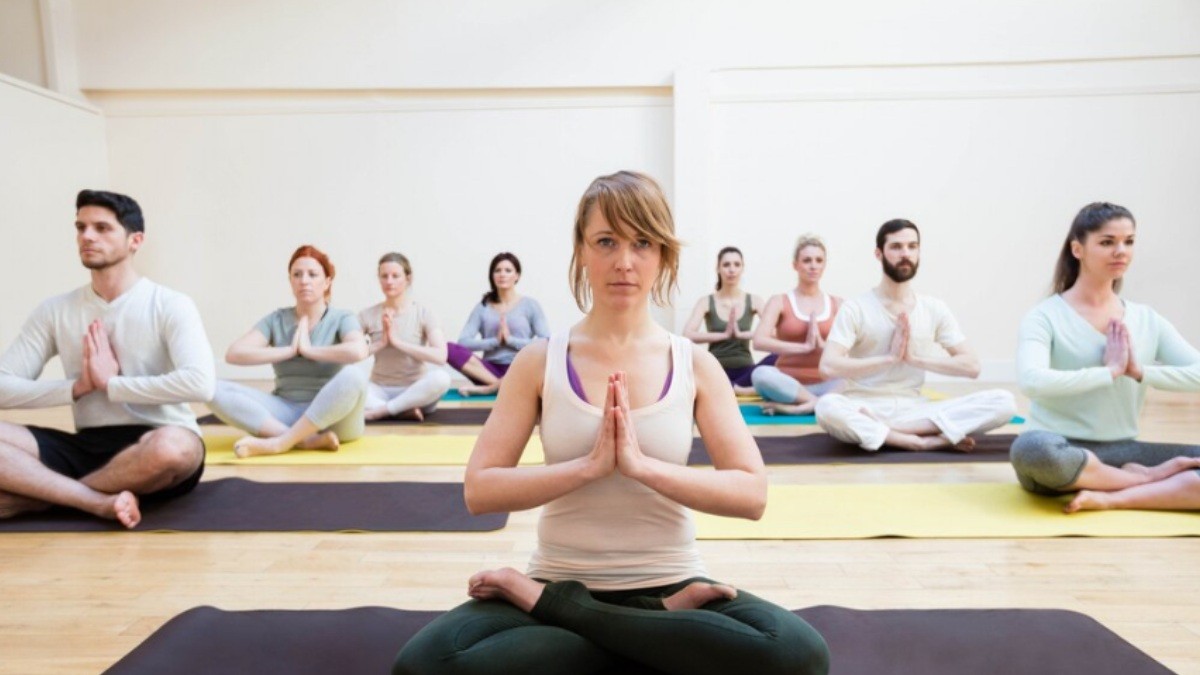
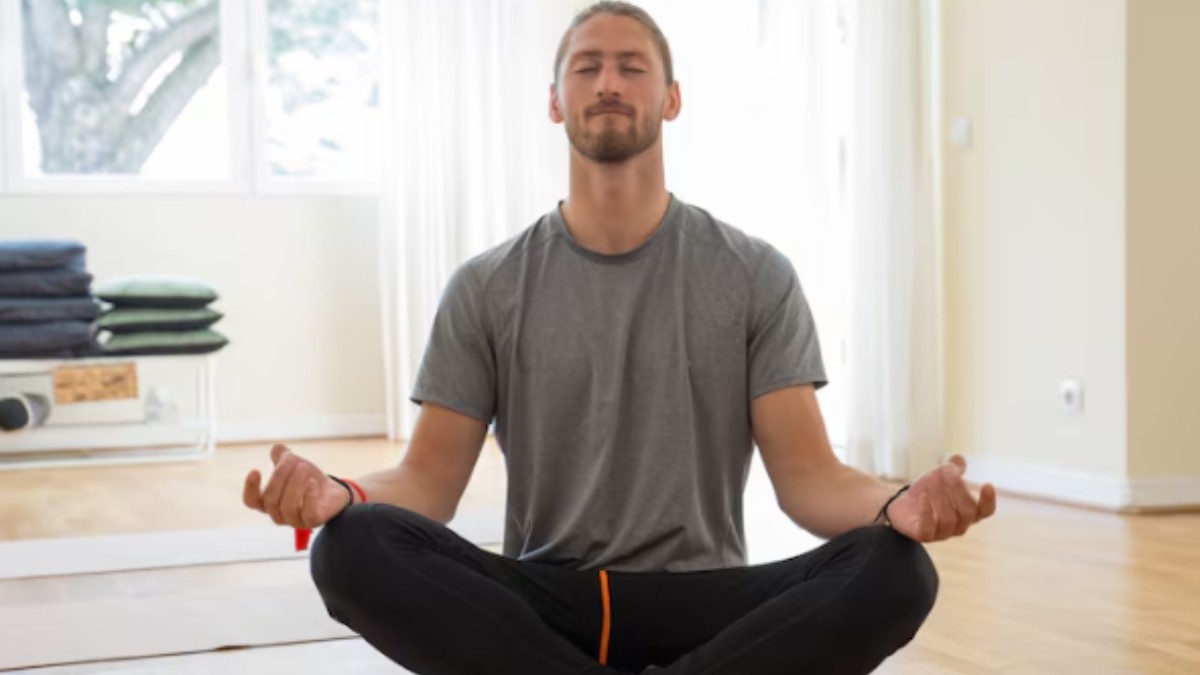
Vajrasana, also known as Thunderbolt Pose, is a seated posture commonly used in yoga after meals. To do it, kneel down on the floor and sit back on your heels while keeping your spine upright. Place your hands comfortably on your thighs and breathe normally.
The pose can provide a quiet period of relaxation after eating and is often included in traditional practices associated with digestion. Start with a short duration and remain in the posture only as long as it feels comfortable.
Related Articles
People with knee, ankle or other joint problems should avoid forcing the position and may want to seek guidance from a qualified yoga instructor.
2. Pawanmuktasana

Pawanmuktasana is called Wind-Relieving Pose. It’s usually associated with easing gas and abdominal pain.
To practise it, lie comfortably on your back and slowly bring your knees towards your chest. Hold your knees gently with your hands while keeping your shoulders relaxed. Breathe slowly and avoid pulling your legs forcefully towards your body.
The posture gently engages and compresses the abdominal area. But it should be done in a comfortable range of motion.
3. Ardha Matsyendrasana.

Ardha Matsyendrasana, or Half Lord of the Fishes Pose, is a seated spinal twist. Twisting the torso can provide a gentle stretch through the abdomen and back and encourage mindful movement.
Sit comfortably with your legs positioned comfortably and gradually rotate your upper body to one side. Your spine should be extended but don’t collapse forward: keep your spine curved rather than going forward, not collapse forward so you can stand up to support your spine and use your hands to pull your back and not lean forward in a straight line and you can lean back if you can feel it.
Avoid forcing the twist. A gentle movement is more appropriate than trying to achieve a deeper rotation—especially for the beginner yoga student, when it comes to yoga.
4. Bhujangasana.

Bhujangasana is known as Cobra Pose when lying on the stomach. The pose is to gently lift the chest and keep the lower body grounded.
Cobra Pose stretches the front of the body and works the muscles around the abdomen and back. To practise it safely, avoid pushing the chest higher than feels comfortable.
People with back problems should be particularly wary with backbending movements and may be referred to a professional for guidance.
5. Balasana

Balasana or Child's Pose is one of the most familiar resting postures in yoga. You can use this at the end of a gentle session or when you need a short period of relaxation.
From a kneeling position, go back towards your heels and slowly fold your upper body forward. Your arms can extend in front of you or rest alongside your body, depending on what feels comfortable.
The posture gently folds the torso and can be paired with slow, controlled breathing. Relaxation is especially useful when stress or tension is a cause of digestive discomfort.
How Yoga Could Fit Into a Digestion-Friendly Routine
Yoga is best as part of a healthy lifestyle instead of as a single answer for chronic digestive problems. Good diet, regular movement, sufficient fluid intake, and watching for foods that are causing discomfort are all part of digestive well-being.
As well, you really have to listen to your body. Yoga should not cause sharp pain, enormous discomfort, or difficulty breathing. If an individual posture is uncomfortable, stop or adjust the movement.
Sustained or severe bloating, unexplained weight changes, repeated vomiting, blood in the stool, severe abdominal pain or other concerning symptoms should not be treated with yoga alone. Such symptoms need medical evaluation.
For occasional gas and bloating, a gentle yoga routine can be a relaxing way to stay active and become more aware of how your body feels. If practised comfortably and consistently, Vajrasana, Pawanmuktasana, Ardha Matsyendrasana, Bhujangasana, and Balasana can be integrated into a more general approach to digestive wellness.




Comments 0