
Adolescence is an important stage of physical, emotional, and social development. Teenagers may experience academic pressure, changing relationships, social expectations, concerns about appearance, and uncertainty about the future. When these challenges become overwhelming, they can affect concentration, sleep, mood, confidence, and overall well-being.
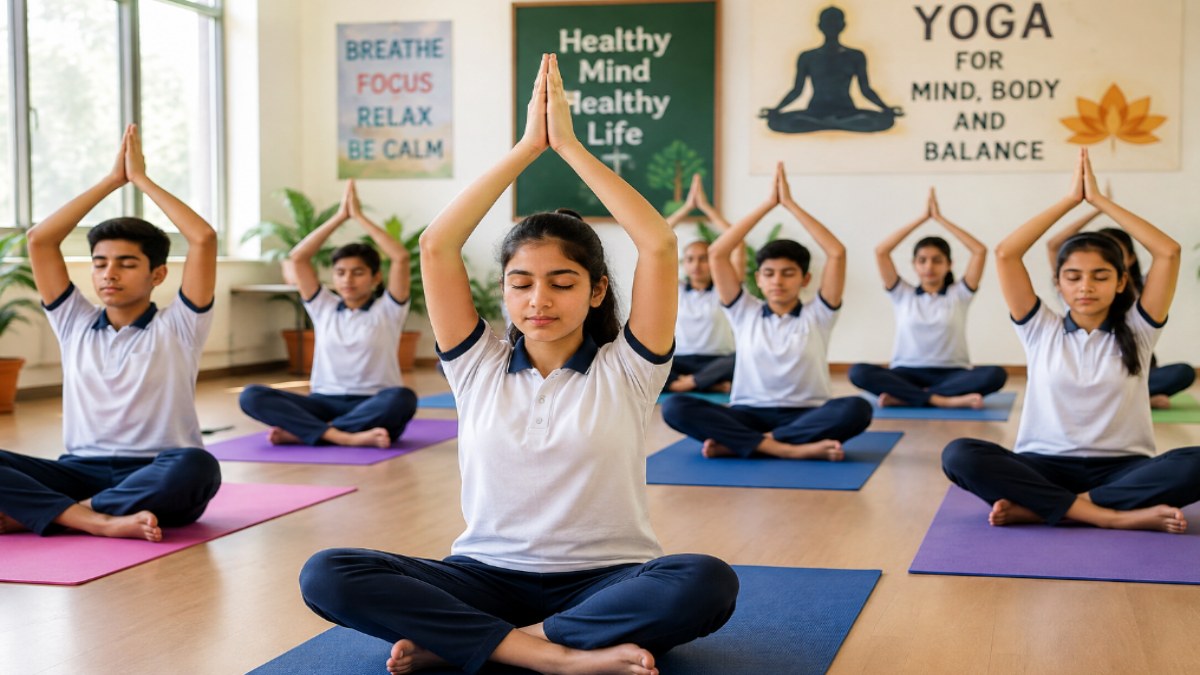
Schools therefore have an important opportunity to introduce healthy strategies that help students manage everyday stress. A school-based yoga program can be one such supportive approach.Yoga combines physical postures, breathing exercises, relaxation techniques, and mindfulness. When adapted appropriately for adolescents, it can provide students with a structured opportunity to slow down, become more aware of their bodies, and practice skills that may help them respond to stress in healthier ways.
Why Adolescent Mental Health Matters
Mental health during adolescence can influence academic performance, relationships, physical health, and long-term well-being. Students do not always feel comfortable talking about emotional difficulties, and some may not recognize when stress is beginning to affect them.
Related Articles

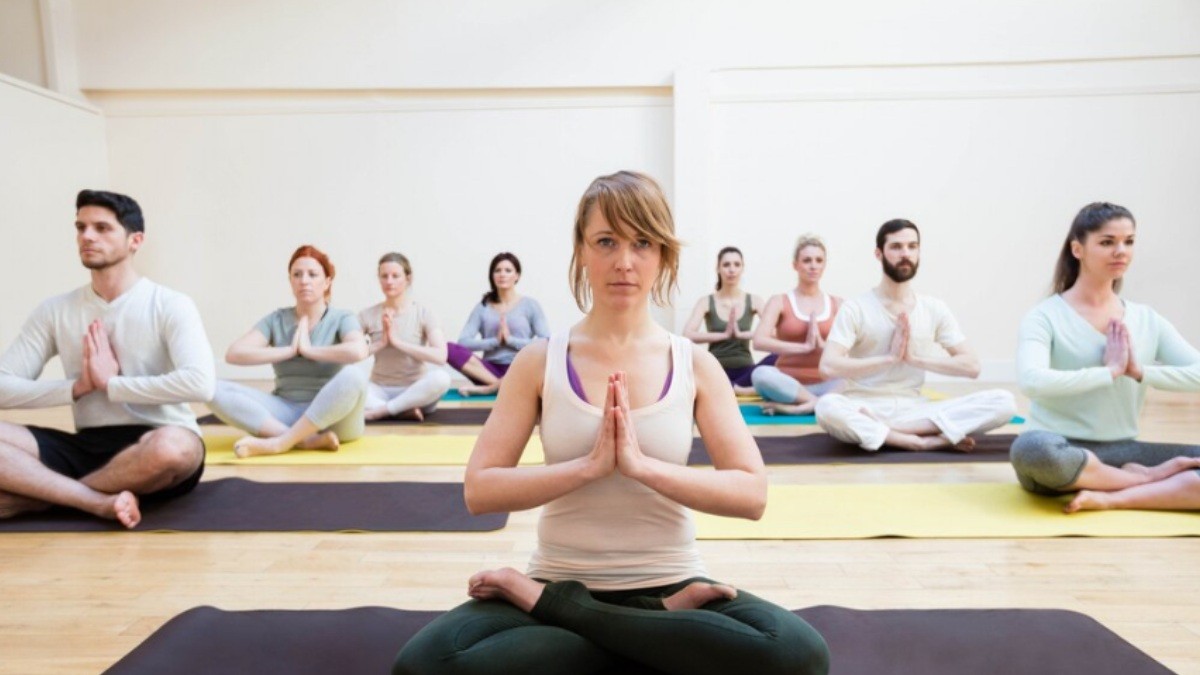
A school-based wellness program can make mental health support feel like a normal part of student life rather than something reserved only for students experiencing serious difficulties. Yoga sessions can be incorporated into physical education, wellness classes, extracurricular activities, or designated relaxation periods.
However, yoga should complement not replace professional mental health care when a student is experiencing significant anxiety, depression, trauma, self-harm concerns, or other serious difficulties.
How Yoga May Support Stress Management
One potential benefit of yoga is its emphasis on controlled breathing and mindful movement. Adolescents can learn to pay attention to their breathing and physical sensations rather than becoming completely absorbed in stressful thoughts.
Related Articles
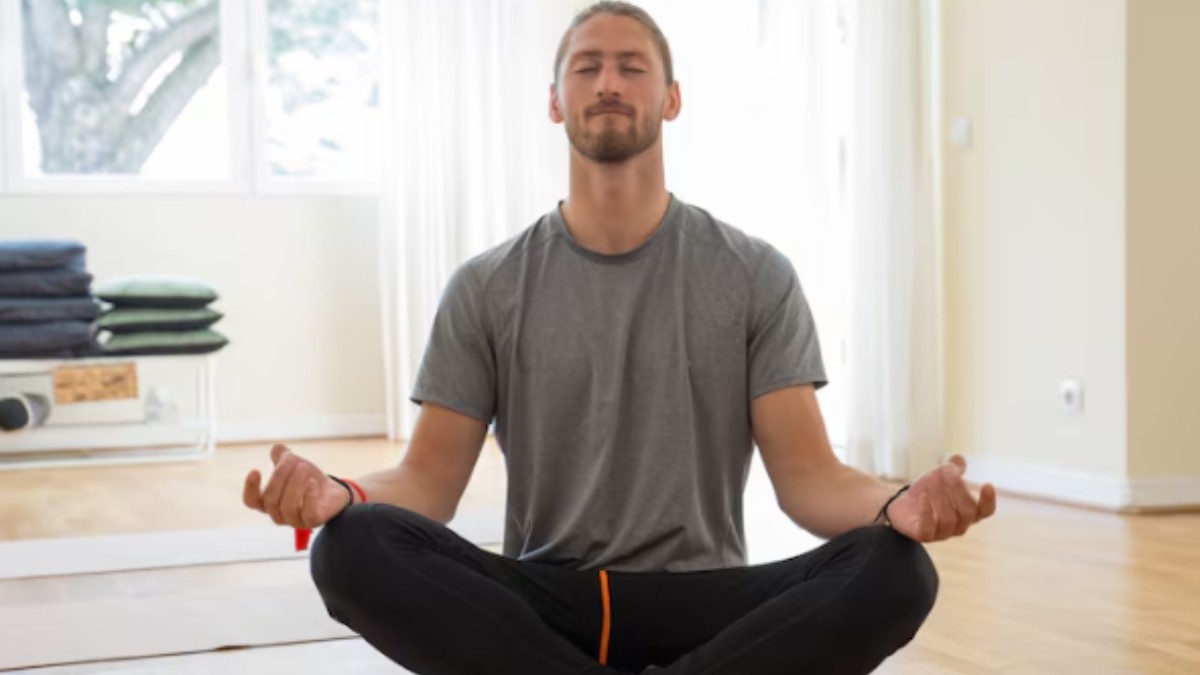

Simple breathing exercises may encourage students to pause before reacting to challenging situations. Gentle stretching and movement can also provide a healthy break from prolonged sitting and academic work.
With regular practice, these techniques may become useful tools that students can apply outside the classroom, such as before an examination, after a disagreement, or during a particularly demanding school day.
Encouraging Emotional Awareness
Yoga encourages participants to notice how their bodies and minds feel. This type of awareness can help adolescents recognize tension, restlessness, fatigue, or emotional discomfort.
For example, a student may begin to notice that their shoulders become tense when they feel anxious or that their breathing changes during stressful situations. Recognizing these signals can be an important first step toward developing healthier coping strategies.
Mindfulness practices can also encourage students to observe thoughts without immediately judging themselves for having them. This may support greater self-awareness and emotional regulation.
Creating a Supportive School Environment
The success of a school yoga program depends partly on how it is presented. Yoga should not be treated as a punishment, competition, or activity that requires athletic ability. Students of different fitness levels should feel welcome.
Qualified instructors and appropriately trained school staff can provide age-appropriate sessions that emphasize comfort, breathing, relaxation, and mindful movement rather than difficult poses or physical performance.
Schools should also consider accessibility. Students with disabilities, injuries, different physical abilities, or cultural concerns should have suitable alternatives and the freedom to participate in ways that are comfortable for them.
Possible Academic Benefits
Stress and poor emotional well-being can make it difficult for students to concentrate. Although yoga should not be promoted as a guaranteed way to improve academic results, activities that support relaxation, physical activity, and mindfulness may contribute to a classroom environment in which students are better prepared to focus.
A short yoga or breathing session may also provide a transition between demanding activities. Giving students an intentional opportunity to pause can help create a healthier balance between academic responsibilities and personal well-being.
Making Yoga Programs Inclusive
An effective school-based yoga program should respect the diversity of students. Schools can explain the program clearly, avoid assumptions about students' beliefs, and provide participation choices when appropriate.
Sessions should focus on evidence-informed health and wellness practices rather than making unsupported medical claims. Parents, teachers, counselors, and school administrators can work together to ensure that the program fits the school's broader student-support framework.
The Importance of Consistency
A single yoga session may provide a temporary opportunity to relax, but regular practice is more likely to help students develop lasting skills. Schools can consider short, manageable sessions rather than relying only on occasional workshops.
Even brief periods of mindful breathing, gentle movement, or relaxation can become part of a broader school culture that values student health alongside academic achievement.
School-based yoga programs offer a practical way to introduce adolescents to movement, mindfulness, breathing, and relaxation. By creating opportunities for students to pause, become aware of their bodies, and practice healthy stress-management techniques, schools may contribute to a supportive environment for mental well-being.
Yoga is not a substitute for counseling or medical treatment, but when thoughtfully designed and appropriately supervised, it can be one component of a comprehensive approach to adolescent health. Combining yoga with access to qualified mental health professionals, supportive teachers, healthy physical activity, positive peer relationships, and open communication can help schools create environments where young people feel supported, respected, and better equipped to manage life's challenges.




Comments 0