
Diabetes is a chronic disease that affects millions of people worldwide. Managing blood sugar levels requires food, exercise, sleep and stress management, and medical treatment whenever necessary. Of all the many types of exercise, Surya Namaskar (Sun Salutation) is being promoted as a yoga practice of movement, breathing, flexibility and mindfulness.
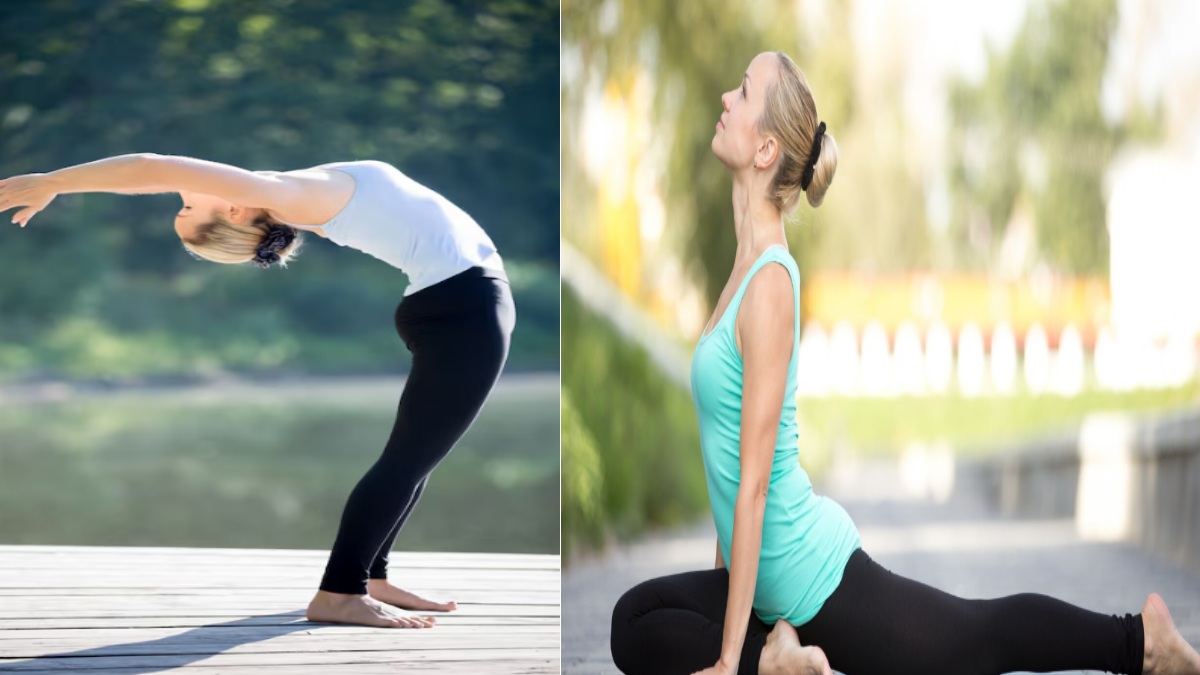
While Surya Namaskar can’t cure diabetes, having Surya Namaskar regularly in the diabetes management course for a whole diabetes management program (as a whole and as a part of a diabetes therapy plan, for example, for physical activity) will promote better physical fitness and increase insulin sensitivity through increased physical activity and overall health care and well-being. What are the benefits, steps, and precautions for practicing Surya Namaskar for diabetes?
What Is Surya Namaskar
Surya Namaskar is a traditional sequence of 12 yoga poses performed in a flowing rhythm with synchronized breathing. It offers a full-body workout by engaging multiple muscle groups, improving flexibility, enhancing circulation, and promoting mental relaxation.
Related Articles

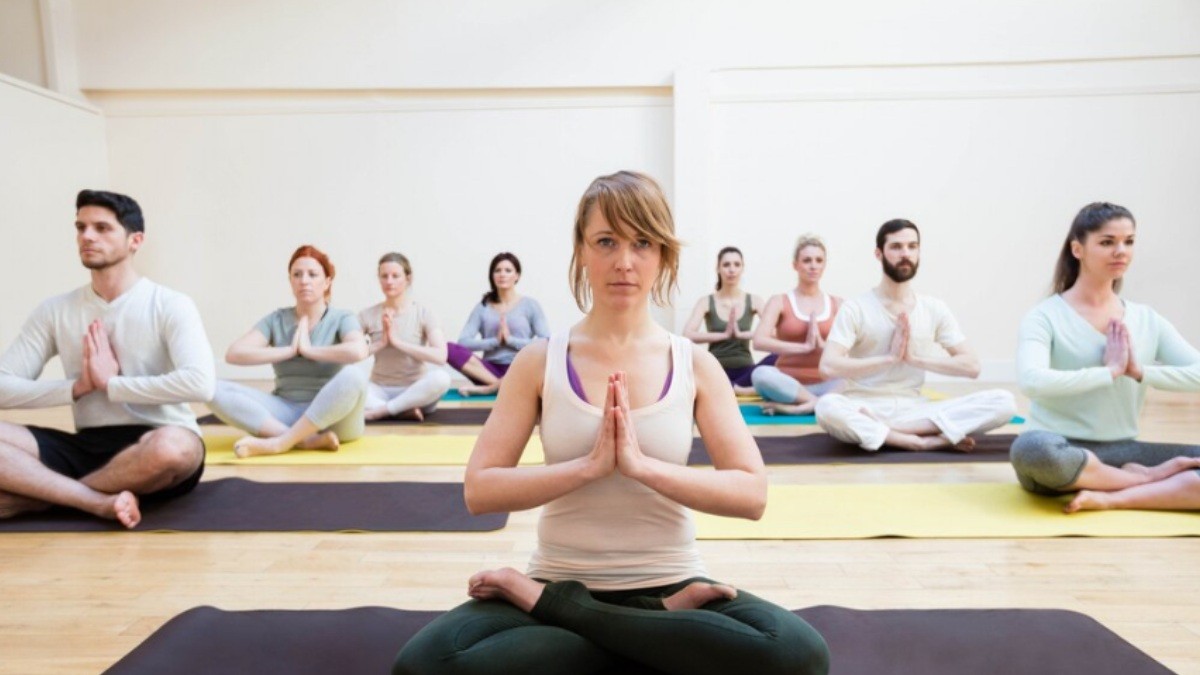
Depending on the pace, Surya Namaskar can serve as a gentle warm-up or a moderate-intensity workout.
How Surya Namaskar May Help People with Diabetes
Although scientific research is still evolving, regular yoga practice including Surya Namaskar may offer several health benefits that complement diabetes care.
1. Supports Physical Activity
Exercise is an essential part of diabetes management. Surya Namaskar increases body movement, helping the muscles use glucose more efficiently during activity.
Related Articles
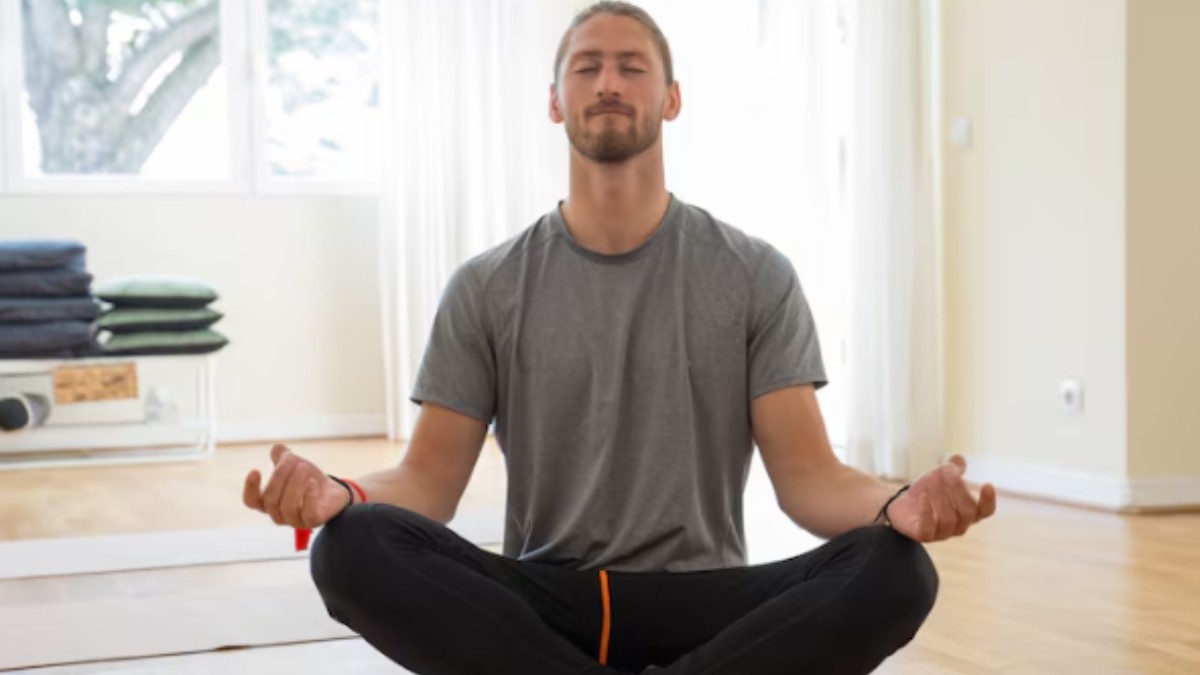

2. May Improve Insulin Sensitivity
Regular physical activity can improve the body's response to insulin in many individuals with type 2 diabetes. As a dynamic yoga practice, Surya Namaskar contributes to daily movement that supports metabolic health.
3. Helps Maintain a Healthy Weight
Excess body weight is a risk factor for type 2 diabetes. Practicing multiple rounds of Surya Namaskar can burn calories, support muscle strength, and complement a balanced diet as part of a weight management plan.
4. Reduces Stress
Stress can influence blood sugar levels by affecting hormones such as cortisol. The combination of controlled breathing and mindful movement in Surya Namaskar may help reduce stress and promote relaxation.
5. Improves Flexibility and Strength
Regular practice enhances flexibility, strengthens muscles, improves posture, and supports joint mobility, contributing to better overall fitness.
6. Supports Heart Health
People with diabetes are at a higher risk of cardiovascular disease. Regular exercise, including yoga, can support heart health by improving circulation and overall fitness when performed consistently.
The 12 Steps of Surya Namaskar
Each round of Surya Namaskar consists of the following poses:
- Pranamasana (Prayer Pose) Stand upright with hands joined in front of the chest.
- Hasta Uttanasana (Raised Arms Pose): Stretch the arms overhead and gently arch the back
- Padahastasana (Standing Forward Bend): Bend forward and reach toward your feet
- Ashwa Sanchalanasana (Equestrian Pose): Step one leg back while looking upward
- Dandasana (Plank Pose): Extend the other leg back into a plank position
- Ashtanga Namaskara (Eight-Point Salute): Lower the knees, chest, and chin to the floor
- Bhujangasana (Cobra Pose): Lift the chest while keeping the pelvis on the mat
- Parvatasana (Mountain Pose): Lift the hips upward into an inverted V-shape
- Ashwa Sanchalanasana: Bring the opposite foot forward
- Padahastasana: Return to the forward bend
- Hasta Uttanasana: Raise the arms overhead again
- Pranamasana: Return to the starting prayer position
Beginners can start with 3–5 rounds and gradually increase based on comfort and fitness level.
Best Time to Practice
Traditionally, Surya Namaskar is practiced in the early morning on an empty stomach. However, it can also be performed at other times of the day, provided you have not eaten a heavy meal in the previous two to three hours.
If you have diabetes, discuss the best exercise timing with your healthcare provider, particularly if you take insulin or medications that can lower blood sugar.
Precautions
While Surya Namaskar is generally safe for many people, certain precautions are important:
- Consult your healthcare provider before beginning a new exercise routine, especially if you have diabetes-related complications
- Wear comfortable clothing and practice on a non-slip yoga mat
- Stay hydrated
- Monitor your blood sugar if you are at risk of hypoglycemia
- Stop exercising if you feel dizzy, weak, or experience chest pain
- Modify poses if you have joint pain, back problems, or limited mobility
- Pregnant individuals or those with recent surgeries should seek guidance from a qualified healthcare professional or yoga instructor
Healthy Habits to Combine with Surya Namaskar
For effective diabetes management, combine regular yoga practice with:
- A balanced diet rich in vegetables, whole grains, lean protein, and healthy fats
- Regular blood sugar monitoring as advised
- Adequate sleep
- Stress management techniques
- Routine medical check-ups
- Taking prescribed medications consistently
These habits work together to support long-term health.
Surya Namaskar is a holistic yoga practice that can be a valuable addition to a healthy lifestyle for people living with diabetes. Its combination of movement, breathing, and mindfulness supports physical fitness, stress reduction, flexibility, and overall well-being. While it may contribute to better blood sugar management as part of an active lifestyle, it should not replace prescribed medications, medical advice, or other evidence-based treatments.




Comments 0