
Yoga is often presented through images of extremely flexible bodies performing advanced poses. While these images can be inspiring, they can also create the impression that yoga is primarily about achieving a particular physical appearance or mastering difficult postures.
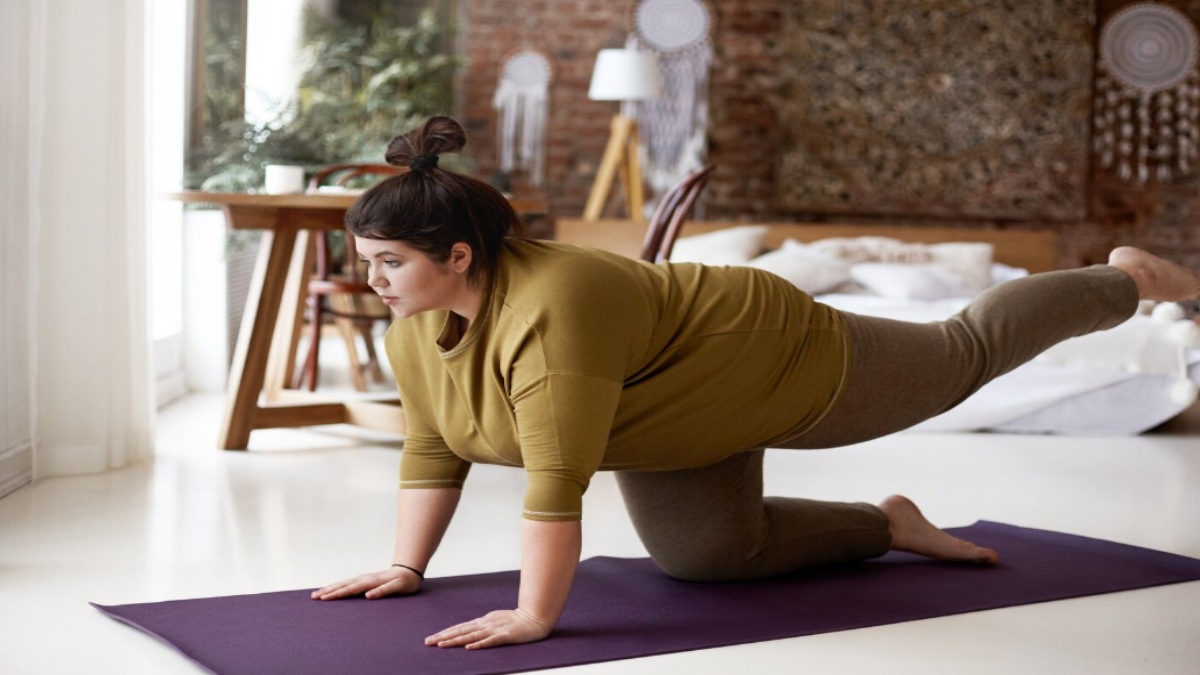
Body-positive yoga offers a different perspective. Instead of treating flexibility, weight, shape or physical perfection as measures of success, it encourages people to focus on how movement feels and what it can contribute to their overall well-being.
At its core, body-positive yoga is about making the practice more inclusive and helping people develop a healthier relationship with their bodies.
Related Articles

Yoga Is Not a Competition
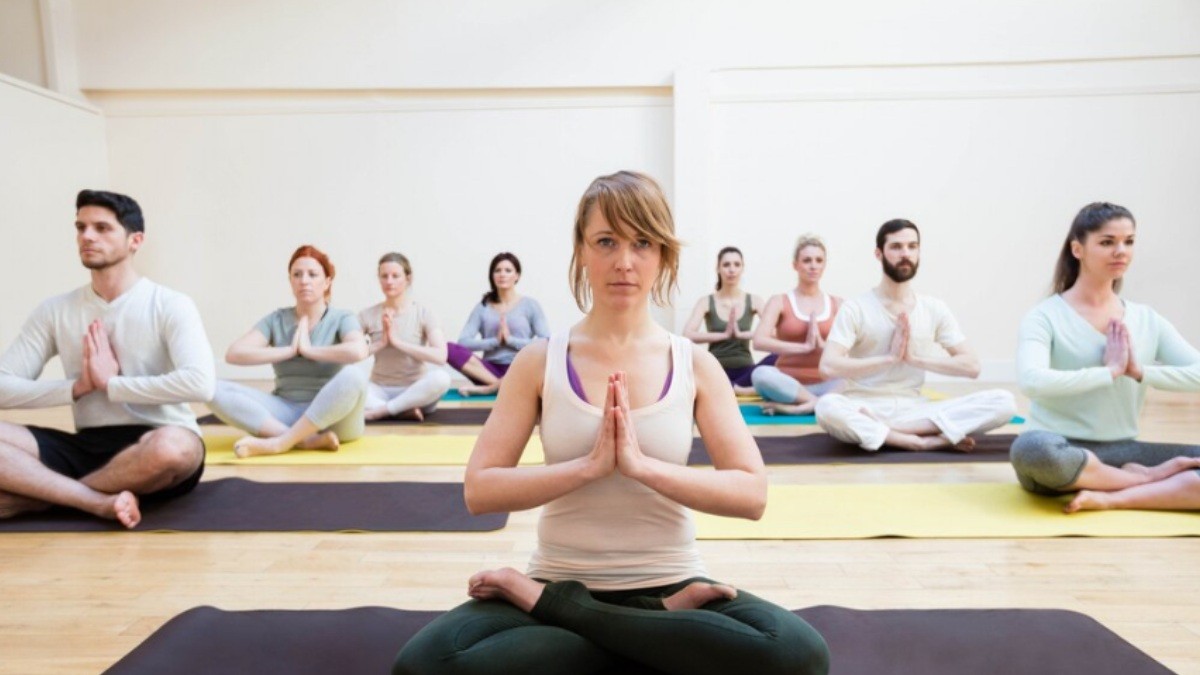
One of the most important principles of body-positive yoga is that there is no single body type that belongs on a yoga mat. People have different heights, shapes, ages, abilities and levels of mobility.
A beginner may not be able to perform a pose in the same way as an experienced practitioner. That does not make their practice less valuable.
Yoga can be adapted using modifications, props and different variations of poses. A chair, yoga blocks, straps, bolsters or a wall can sometimes make a posture more accessible and comfortable.
Related Articles
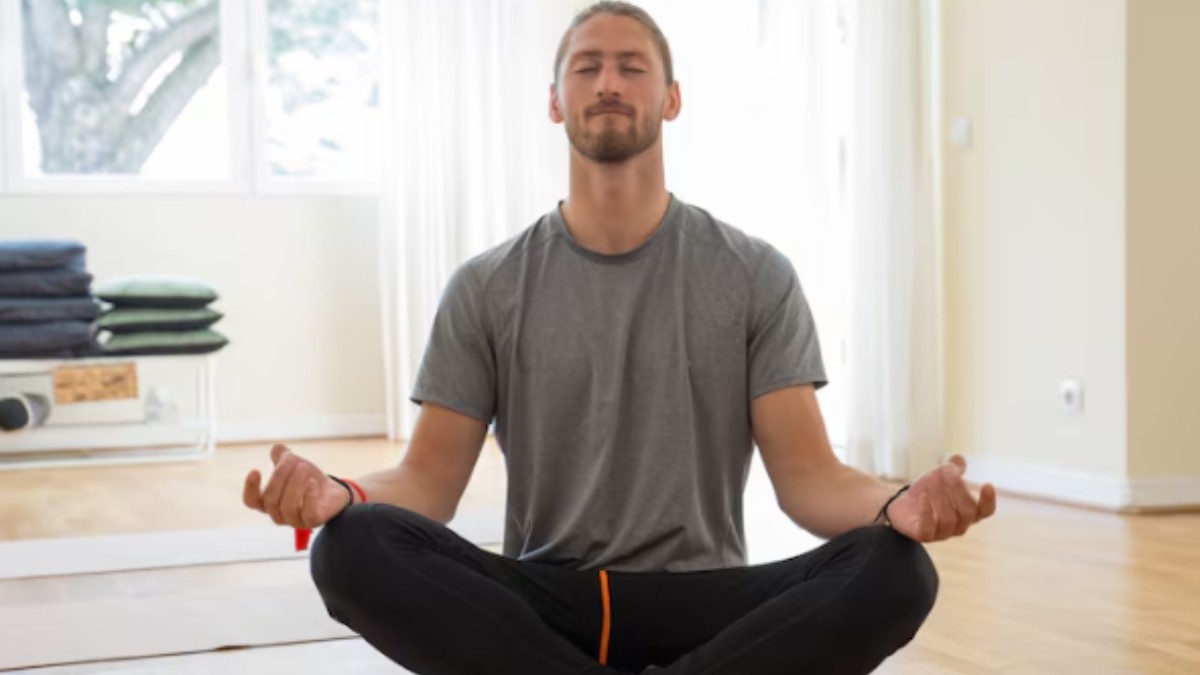
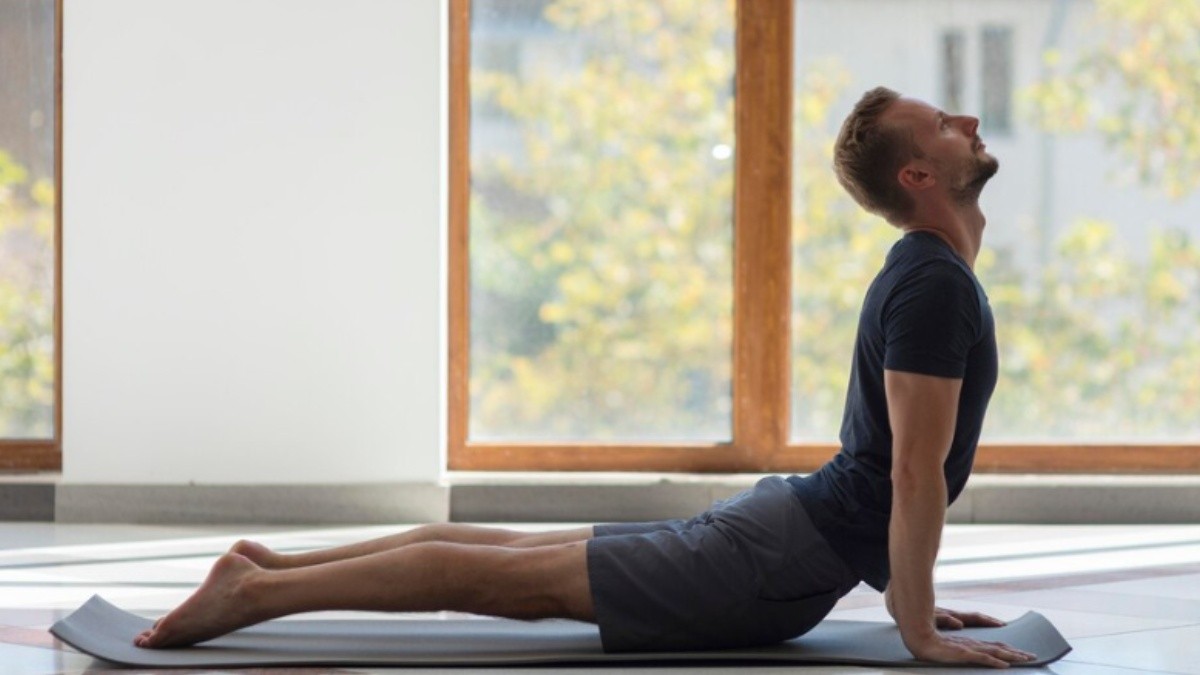
The objective should not be to force the body into a particular shape simply because a photograph shows it that way.
Moving for How You Feel, Not How You Look
Traditional fitness messaging can sometimes emphasize changing the body's appearance. Body-positive yoga shifts the conversation toward function and experience.
A person might practice yoga because they enjoy stretching, want a movement break during the day, appreciate breathing exercises or simply find the practice calming.
This approach can help separate exercise from appearance-based expectations. Instead of thinking, “I need to do yoga to change my body,” someone might think, “I want to move because movement feels good and supports my well-being.”
Developing Body Awareness
Yoga encourages practitioners to pay attention to breathing, balance, muscle engagement and physical sensations. This mindful approach can help people become more aware of how their bodies feel during movement.
Body awareness does not mean ignoring discomfort. In fact, learning to distinguish between a gentle stretch and potentially harmful pain is an important part of practicing safely.
Rather than pushing through every limitation, body-positive yoga encourages people to listen to their bodies and make appropriate adjustments.
Challenging Unrealistic Beauty Standards
Social media has changed the way yoga is presented. Perfectly lit photographs, advanced poses and highly curated images can create unrealistic expectations about what a yoga practitioner should look like.
Body-positive yoga challenges this narrow representation by emphasizing that yoga is not reserved for young, thin, highly flexible or conventionally athletic people.
Seeing diverse bodies represented in yoga spaces can help reinforce the idea that movement and wellness are not exclusive to a particular appearance.
Yoga and Self-Acceptance
Body positivity does not necessarily mean loving every aspect of your body every day. People can experience insecurity, frustration or changing feelings about their appearance.
A more realistic goal may be body respect or body neutrality: recognizing that your body deserves care regardless of how it looks.
Yoga can become one way of practicing that respect. Instead of criticizing the body for what it cannot do, practitioners can learn to appreciate what it allows them to experience.
Creating a More Inclusive Yoga Environment
Teachers also play an important role in making yoga body-positive. Language matters. Instructions that focus on how a pose “should” look can sometimes make students feel inadequate.
Offering options rather than presenting one version as the correct version can create a more welcoming environment. Teachers can encourage students to use props, rest when needed and choose variations that suit their individual bodies.
A supportive class should make people feel comfortable participating without feeling pressured to compare themselves with others.
Body-Positive Yoga Is for Everyone
Body-positive yoga does not require abandoning physical goals. People can still work on strength, balance, flexibility and technique. The difference is that these goals are pursued without making appearance the primary measure of success.
For some people, yoga may become a gentle form of movement. For others, it can be physically challenging. Both approaches can have a place on the mat.
Ultimately, the case for body-positive yoga is simple: yoga should be an opportunity to connect with the body rather than another reason to criticize it. By focusing on mindful movement, personal comfort, self-awareness and respect, yoga can become a more welcoming practice for people of different bodies and abilities.
The most meaningful progress may not always be touching your toes or mastering a difficult pose. Sometimes, it is simply learning to move, breathe and exist in your body with a little more kindness.




Comments 0