
Yoga is a term that can be used to describe stretching exercises, flexible postures and meditation but it is much more than that. The ancient Indian philosophy behind yoga is that of harmony of the body, mind and spirit. The word yoga comes from the Sanskrit word Yuj which means “to unite” or “to join.” And within that body is health, mental clarity, emotional harmony and spiritual awareness.
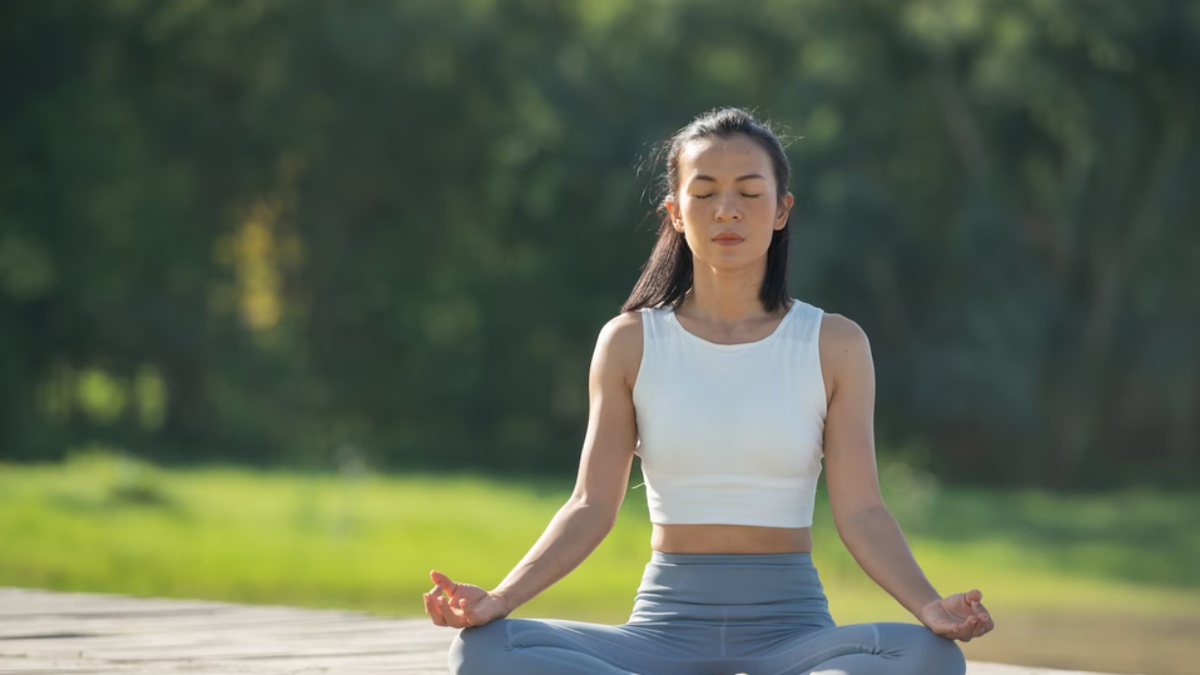
For thousands of years yoga has been a way to self-discovery and inner peace. From ancient texts like the Yoga Sutras of Patanjali, the Bhagavad Gita, and the Upanishads we understand yoga not only as an exercise but as a way of life in which one has to think about being ethical and mindful and is willing to be self-aware.
One of the biggest misconceptions about yoga is that it is only about performing difficult poses or having extraordinary flexibility. But physical postures, asanas, are only a part of yoga. Yoga is about breathing techniques (pranayama), meditation (dhyana), concentration, self-discipline and moral principles that are to be observed in order to lead a healthy life.
Related Articles
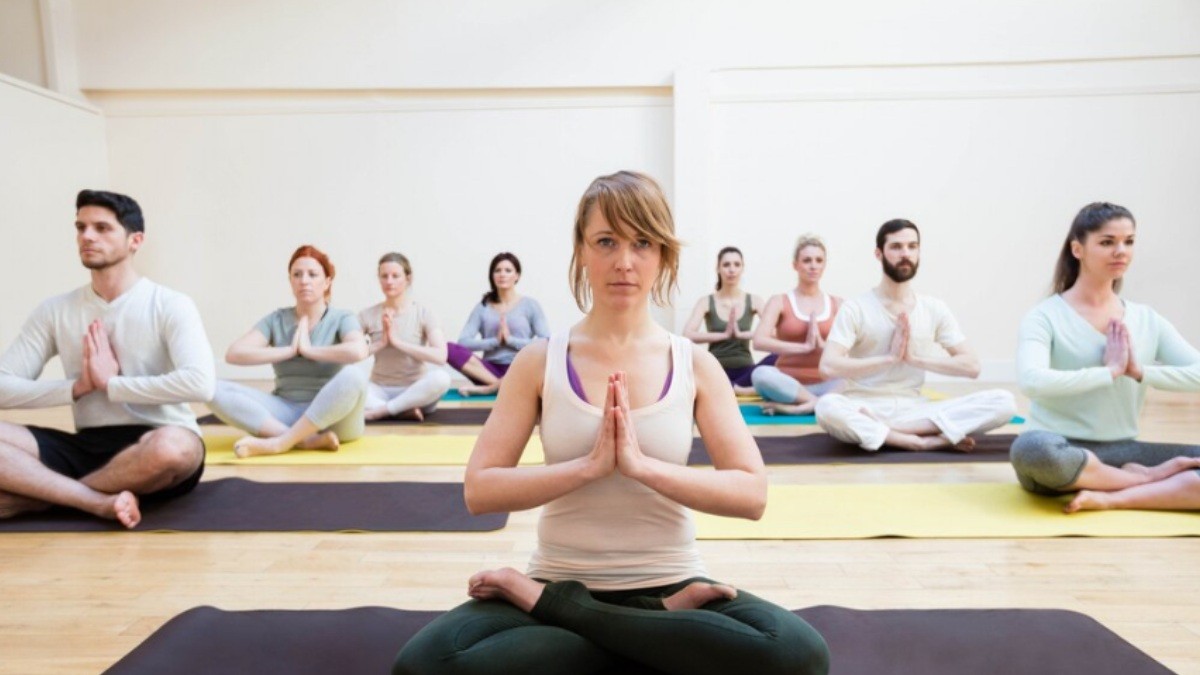
The philosophy of yoga is often expressed through the Eight Limbs of Yoga, as introduced by Sage Patanjali. These are ethical values (Yama), personal discipline (Niyama), physical postures (Asana), breath control (Pranayama), withdrawal of the senses (Pratyahara), concentration (Dharana), meditation (Dhyana) and a state of deep spiritual awareness or union (Samadhi). And these principles are a framework for physical, mental and spiritual growth.
Yoga’s health benefits have been increasingly supported by modern scientific studies. Regular practice can help to improve flexibility, strength, posture, balance and cardiovascular health. And it reduces stress, anxiety, and depression with its calming of the nervous system and relaxation promoting the mind (e.g. and the body’s relaxation response by calming it and releasing stress hormone levels and the negative effects of depression by allowing the body to relax.
Yoga is a great complementary practice for stress management and resilience, and mental health professionals stress its importance as an added skill for mental health professionals so yoga is a good way to cope with stress and build resilience. Yoga-based mindfulness teaches people to be present in the moment, observe thoughts without judgment and to respond calmly to life experiences. What I can do with these skills will help me to make some informed decisions, have emotional intelligence and be more resilient.
Related Articles
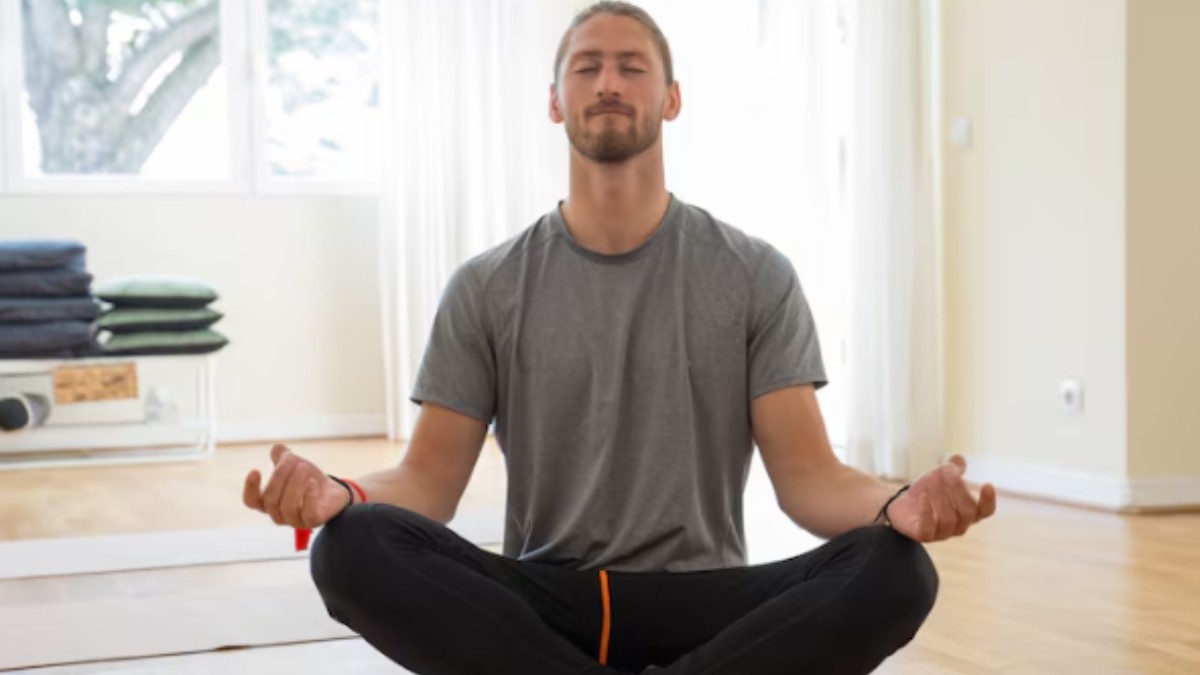

Yoga also stresses the importance of self-awareness. Rather than competing with others or striving for perfection, practitioners are encouraged to listen to their bodies and respect their individual limitations. That way, they develop self-acceptance, patience and compassion— all of which are useful in life outside the yoga room.
Yoga is suitable for anyone and everyone through all ages and fitness levels despite the popular belief. Children, adults, seniors and people with various physical abilities can benefit from yoga in the right way. Gentle stretching, breathing and meditation can help with mobility, stiffness, quality of sleep and overall health.
The spiritual aspect of yoga does not require a religion. It is all about developing inner awareness, compassion and knowledge of one's relationship to the world. For many of the practitioners yoga is a journey toward much greater peace, a sense of purpose and personal growth than it is physical activity.
In today’s fast-paced world where stress, digital distractions and demanding lifestyles are common, yoga is also an opportunity to slow down and connect with oneself. Even a few minutes of mindfulness breathing or meditation every day can restore mental clarity and reduce emotional tension.
The popularity of yoga is on the rise worldwide with millions of people engaging with it for health, wellness (including stress management, rehabilitation, and overall well-being). International Yoga Day which is celebrated on June 21 has further highlighted yoga’s universal appeal and its contribution to healthier societies.
The point of yoga is not to master the most advanced poses but to achieve balance in some way. It teaches people to keep themselves healthy, maintain a peaceful mind, build emotional fortitude and more compassion in life. Yoga is a way of life that promotes a harmonious way of living, whether it is through movement, breath, or meditation.
With the wisdom of yoga still in front of people today, the timeless message remains relevant: true well-being comes from the union of body, mind, and spirit. By embracing yoga as a lifestyle rather than merely an exercise routine, individuals can discover lasting health, inner peace, and a deeper sense of purpose.




Comments 0