
If you have ever wondered, "Am I too old or too young to do yoga?", the answer depends less on your age and more on your health, physical abilities and the type of practice you choose.
Yoga is a movement, breathing exercises, relaxation methods and meditation practice. Since yoga is a flexible practice that can be modified as one approaches life, yoga can be modified as a whole.
But beginners are to play a movement that is suitable to their abilities instead of copying the most advanced poses.
Related Articles
Yoga for Children and Teenagers
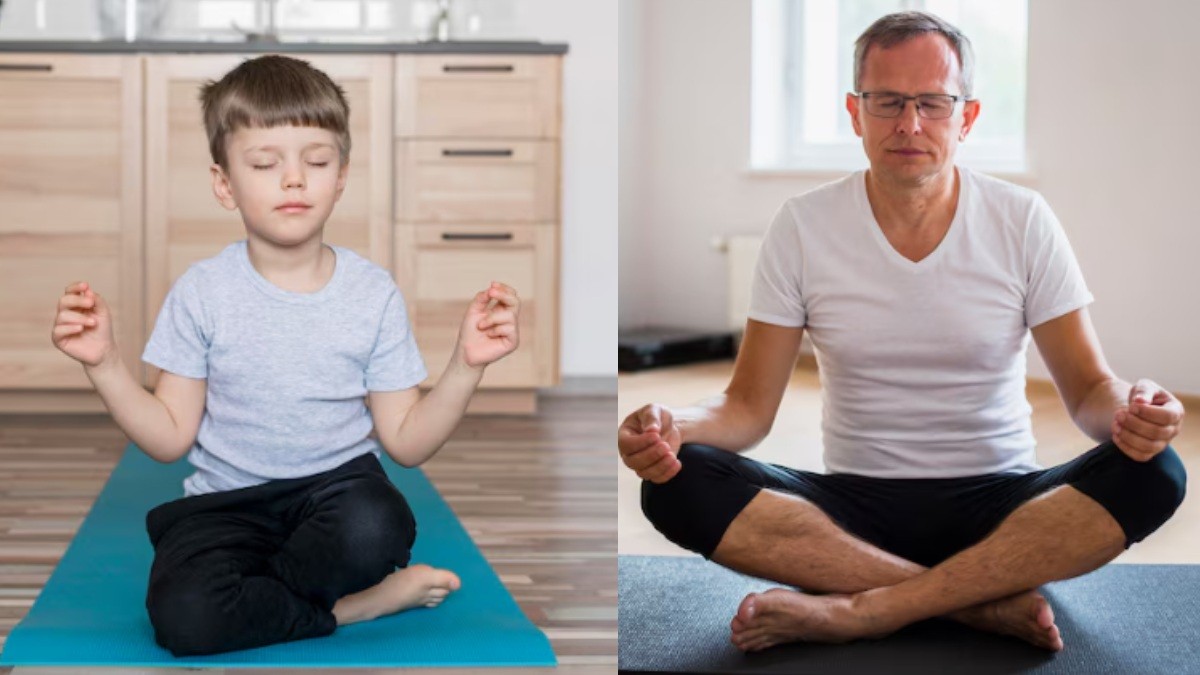
Children and teenagers can participate in age-appropriate yoga practices. Gentle poses and breathing and relaxation techniques might help them to better know their bodies and have ways to combat stress in day-to-day life.
Yoga for young children, however, needs simple movements and fun activities as opposed to long sessions.
Teenagers prefer practices which mix movement with relaxation. In practice, the focus should be on developing good movement habits not finding challenging poses or extreme flexibility.
Related Articles
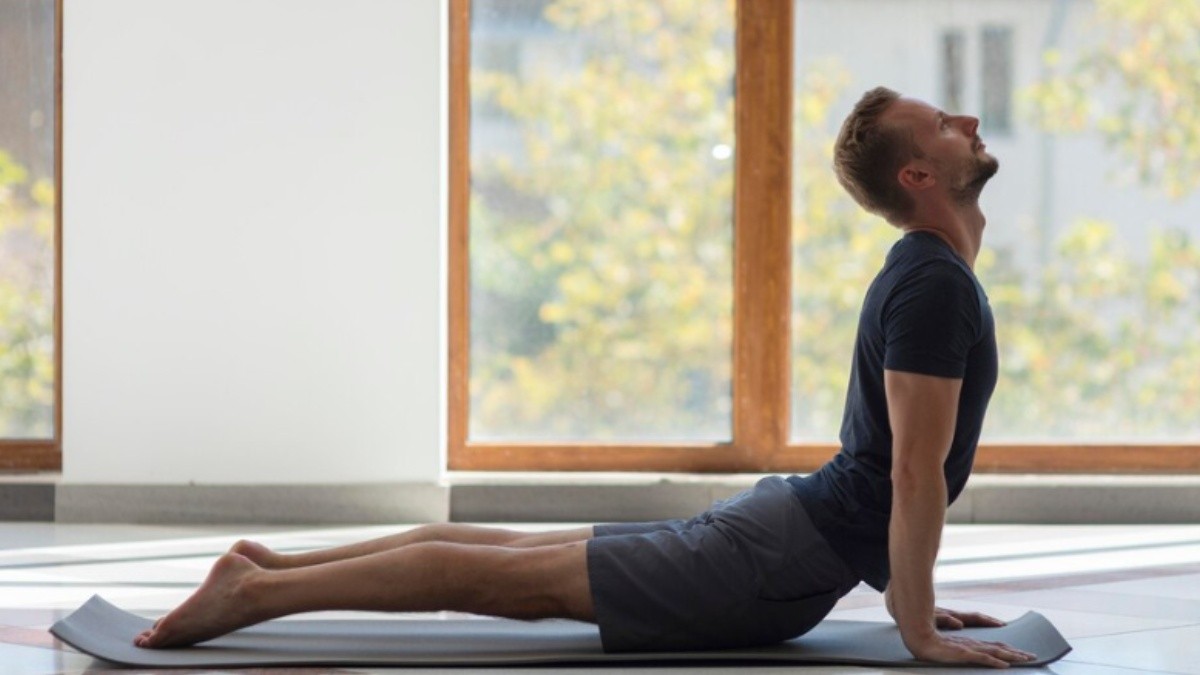
Yoga for Young and Middle-Aged Adults
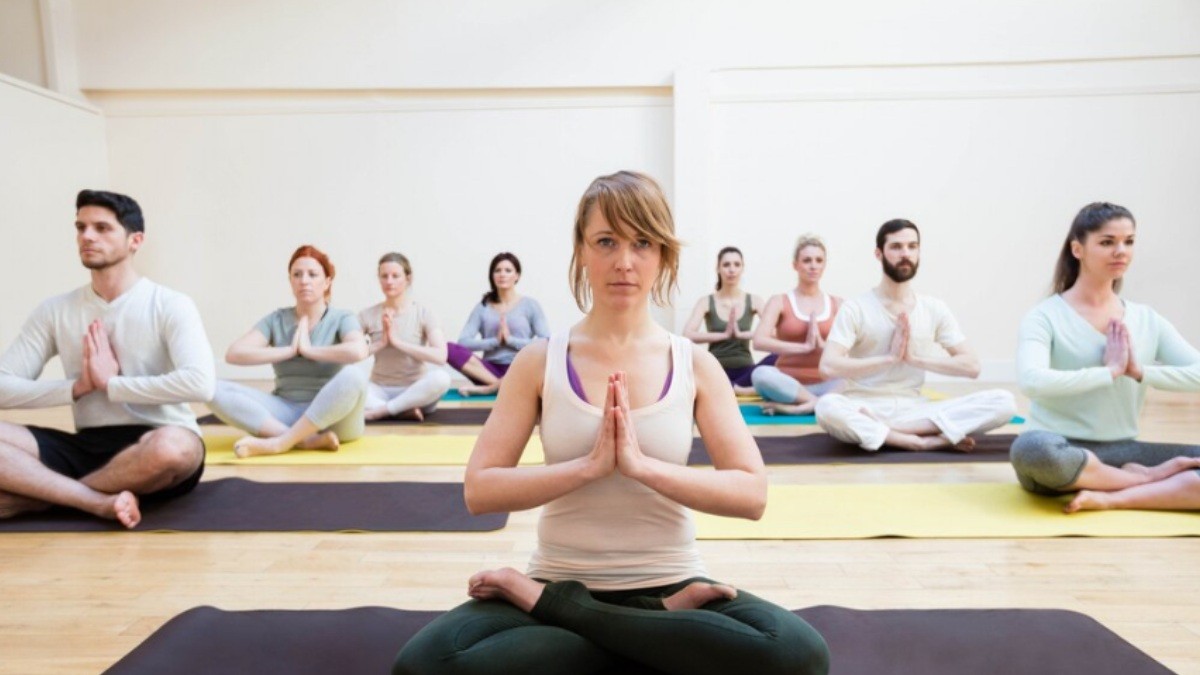
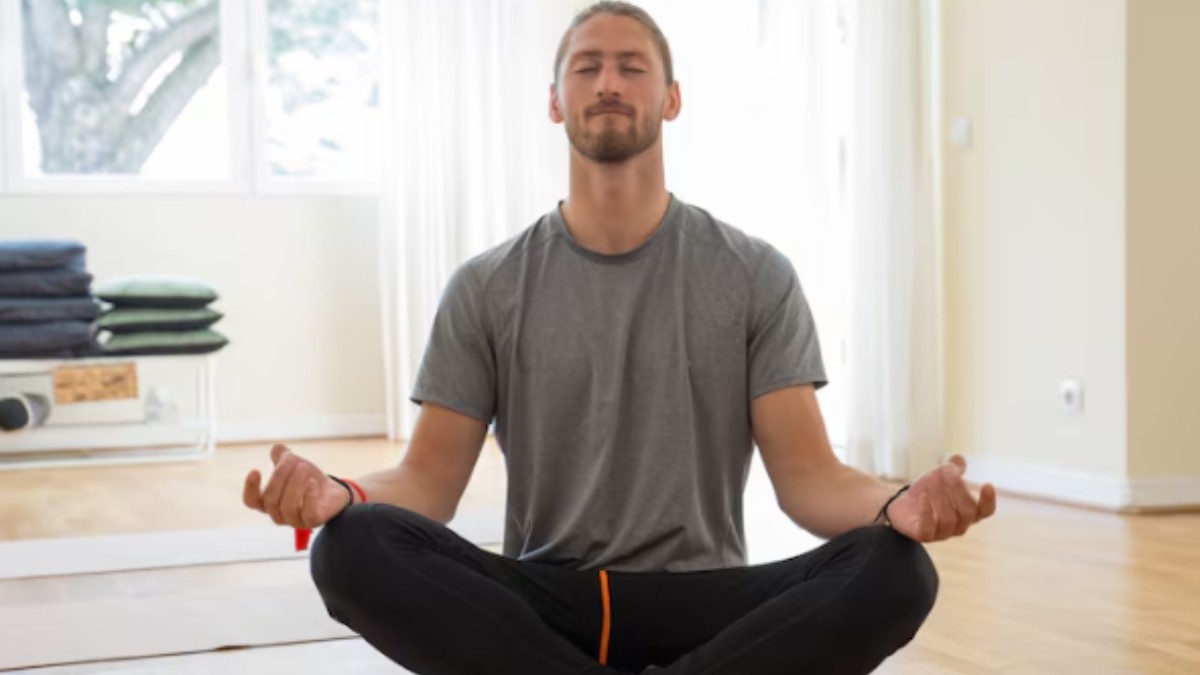
Yoga can be incorporated into a whole body workout with adults as well. Depending on individual needs, yoga can be stretching, balance exercises, strengthening movements, breathing and relaxation.
The gentle mobility exercises that people spend many hours sitting at a desk can be helpful to move parts of the body.
When starting to exercise, new people should start slowly enough not to go through pain.
Yoga for Older Adults
Older adults can also practice yoga, but the exercises may need to be modified according to mobility, balance and existing health conditions.
Chair yoga and gentle yoga are examples of ways to make some movements accessible. Balance-focused exercises can also be added when appropriate.
Older beginners should talk about a new exercise programme with a healthcare professional if they have medical conditions, recent injuries or major mobility problems.
You Don't Need to Be Flexible
One of the biggest misconceptions is that you have to be flexible before you start yoga. It turns out flexibility can be one of the very areas that people are working on through a regular, disciplined modification of their practice.
If the body wants to be in a pose, then forcing it to be does cause a risk of injuries. Beginners should focus on comfortable movement and gradually build their range of motion.
Listen to Your Body
Age is not the only factor that matters. Previous injuries, fitness level, balance, medications and existing health conditions can influence which yoga exercises are appropriate.
Pain must not be seen as a sign that a pose is working. Stop and seek the right advice if a movement causes sharp or persistent pain.
A good yoga teacher will also be able to teach beginners how to modify and how to do yoga correctly.
Start Slowly and Build a Routine
You don't have to work hard and do long or complicated sessions. Slowly and steadily increasing the number of moves we can do to get the practice going can make it a lot easier.
To be consistent is much more important than trying to get advanced poses done very quickly.
Conclusion
There is no age at which people become “too old” or “too young” for yoga. Children, young adults, middle-aged people and older adults have different options for yoga.
The key is to find the right practice that suits your skill set and develop slowly and gradually and place safe, comfortable movement at the forefront of your practice. Yoga is not a competition—the point is to not lose focus on the physical and psychological health of the whole body (your health and the mind).




Comments 0