
The term Dark Yoga is more widely known and has gained popularity as people try out alternative yoga (e.g., Hatha, Ashtanga or Kundalini Yoga) and meditation and self-discovery approaches to yoga. Unlike classical yoga traditions such as Hatha, Ashtanga or Kundalini Yoga, “Dark Yoga” is not an all-round classical school of yoga.
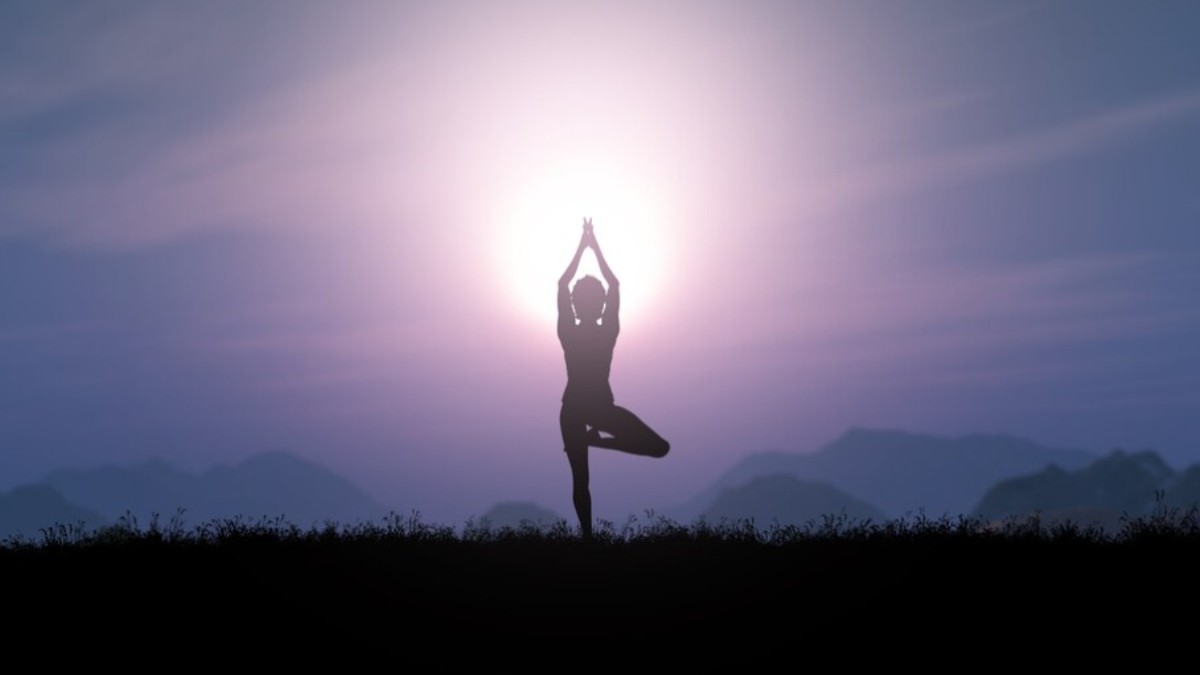
Instead, the term is generally used in the present spiritual and wellness world to describe efforts that invite people to explore the less comfortable or hidden parts of the self.
The word “dark” doesn’t necessarily mean bad or dangerous. It represents the unknown, unconscious thoughts, fears, emotional injuries and parts of the self we don’t want to be seen by others.
Related Articles
Exploring the Shadow Self
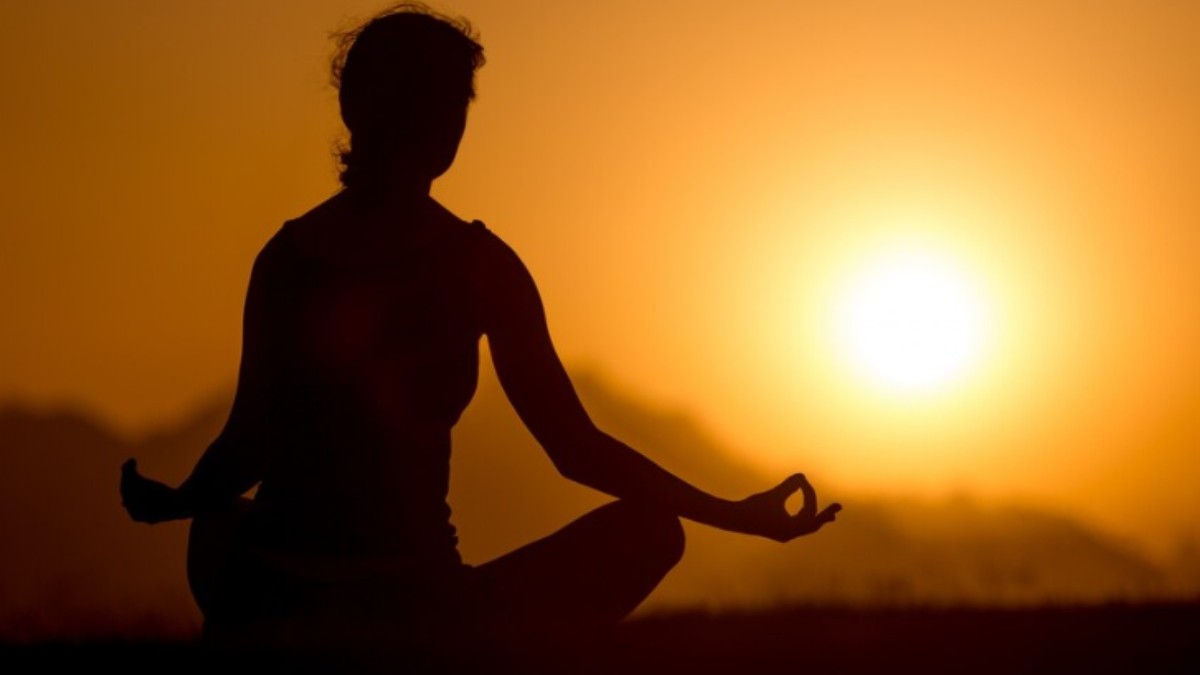
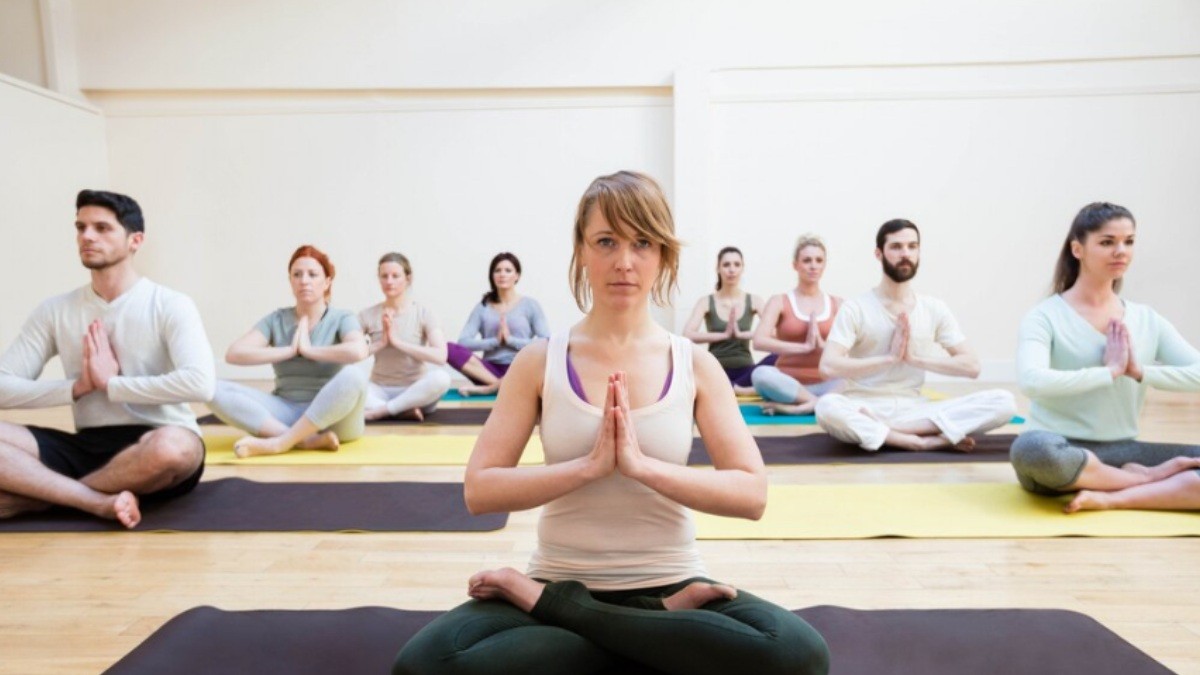
Dark Yoga’s shadow work is one of the most prominent concepts. Shadow work is about becoming more aware of thoughts, feelings and behavior that is hidden in our consciousness.
A practitioner may meditate, journal, breathwork or slow yoga movements to observe difficult emotions without immediately attempting to suppress them.
The purpose is not to promote negativity but to develop a greater self-awareness and acceptance.
Related Articles
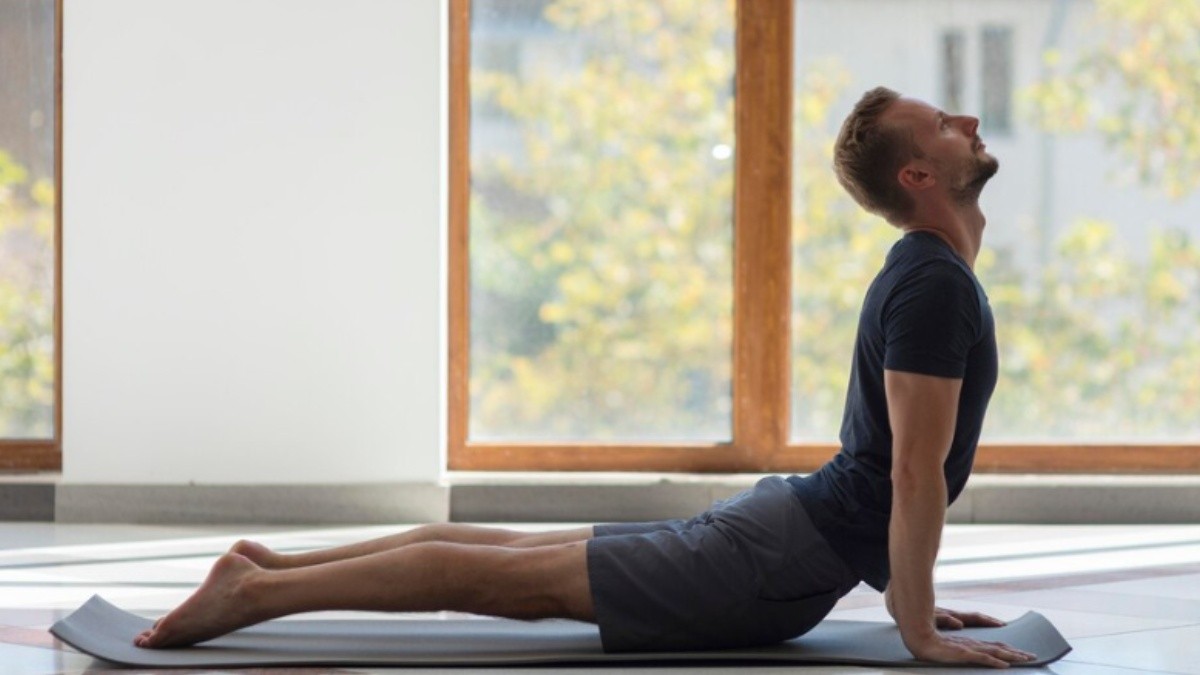
How is Dark Yoga different?
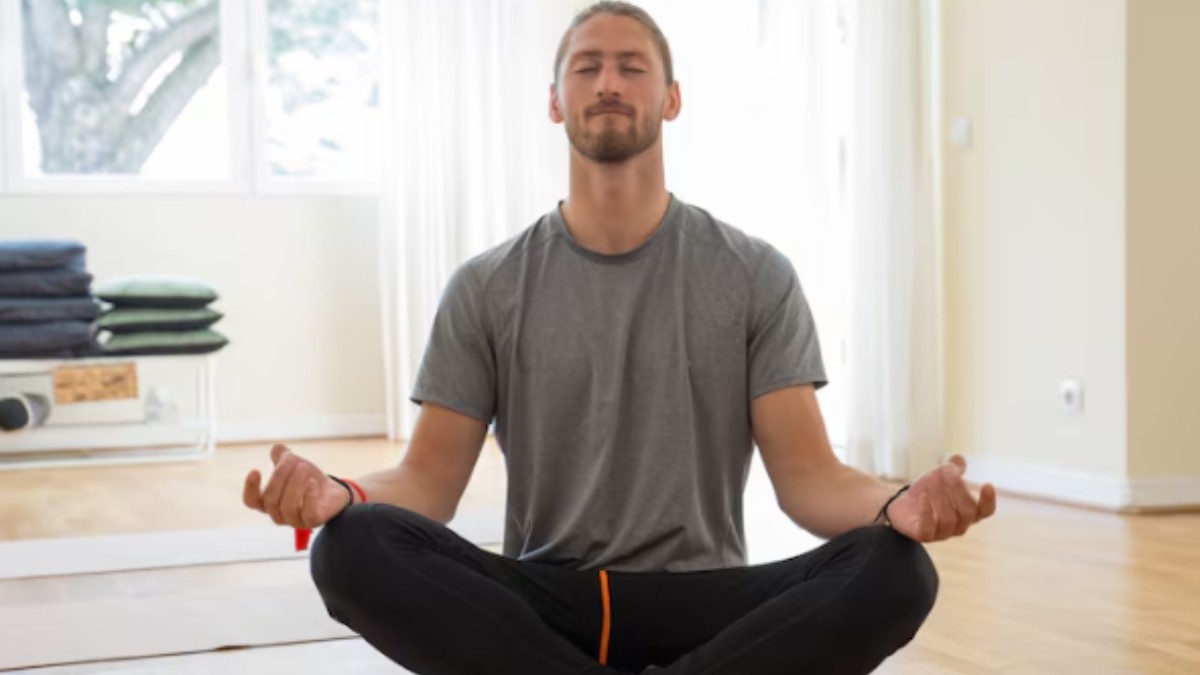
Traditional yoga has a long philosophical and spiritual history with different schools offering established methods for physical, mental and spiritual development. Dark Yoga, however, is generally a modern and loosely defined term.
Some contemporary practitioners practice in darkness, silence or by themselves during meditation. Other yoga postures are combined with introspection, breathwork and shadow-work exercises.
Therefore, there is no single sequence of poses or universal set of rules to describe Dark Yoga.
The Role of Darkness and Silence
Darkness can provide a sensory environment that differs from a normal yoga class. Removing visual distractions may help practitioners to pay more attention to breathing, bodily sensations and thoughts.
A quiet, dimly lit environment might also encourage introspection. But the experience, for any one person, is different, and darkness is not a requirement for yoga or meditation.
Potential Benefits
Supporters of this kind of practice might use it as a means for self-reflection and mental state of mind. Spending time in stillness can encourage people to examine recurring thoughts, fears and habits.
Yoga’s physical components may also support flexibility, balance, mobility and relaxation.
But claims that Dark Yoga can “heal” serious psychological or medical conditions should be approached in a careful manner. Yoga and meditation are useful in complementing wellbeing practices but should not replace professional care.
Does Dark Yoga suit beginners?
Beginners interested in Dark Yoga should start with simple yoga stretches, breathing exercises and brief periods of mindfulness. There’s no need for beginners to go hard or have long periods of isolation to get started.
If darkness or introspection are uncomfortable, people who are uncomfortable with the dark or introspection should practice in a safe and supportive environment and stop if they experience significant distress.
A Journey Into the Self
Dark Yoga is so much more about looking inward than away from hard times. It’s about stillness, self-awareness and facing the hidden emotions that is so different from mainstream wellness culture today.
Although it is not a specific yoga system, this notion is a common one in many contemplative traditions: Understanding ourselves may require accepting the comfortable and uncomfortable aspects of our inner world.
Dark Yoga is a modern and loosely defined term rather than a traditional branch of yoga.




Comments 0