
Modern life often involves long working hours, constant screen time, busy schedules and everyday responsibilities. With so many demands competing for attention, maintaining a healthy balance between physical health and mental well-being can be challenging. This is where yoga can become a valuable part of a healthy lifestyle.
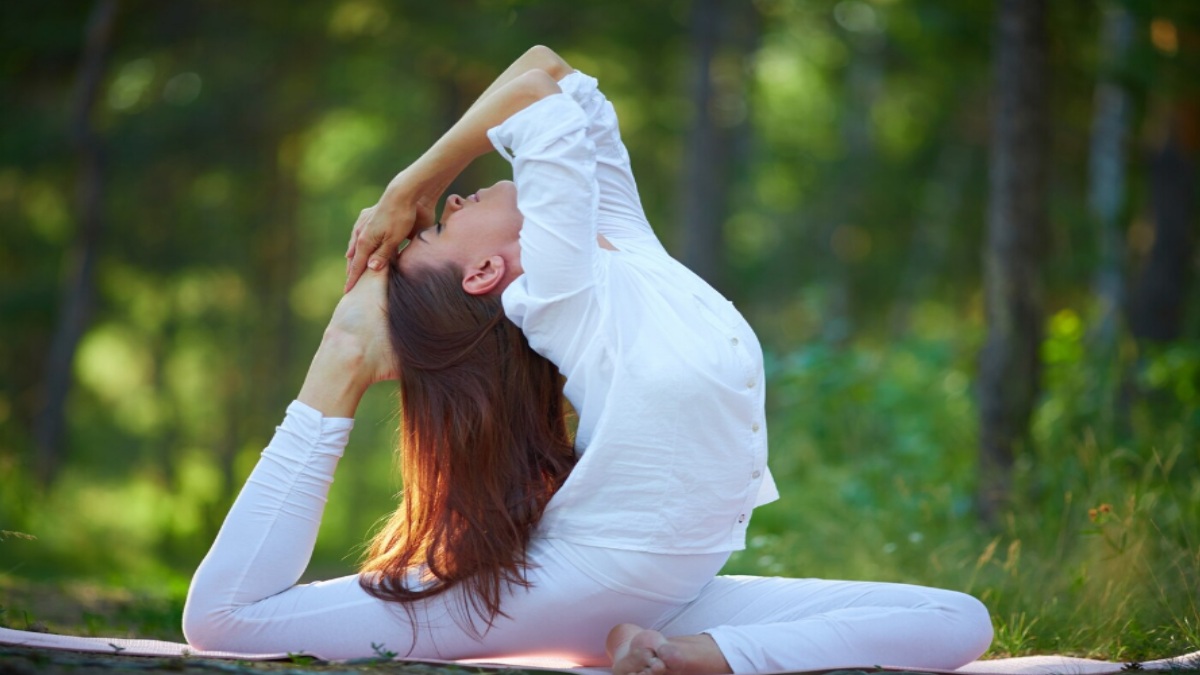
Yoga is more than a form of exercise. It combines physical postures, breathing practices and mindful awareness to encourage a stronger connection between the body and mind. When practised regularly and appropriately, yoga can support flexibility, strength, mobility, relaxation, body awareness and emotional well-being.
Yoga Supports Physical Fitness
One of the most obvious benefits of yoga is its ability to keep the body moving. Different yoga styles and poses can challenge various muscle groups while encouraging controlled movement.
Related Articles
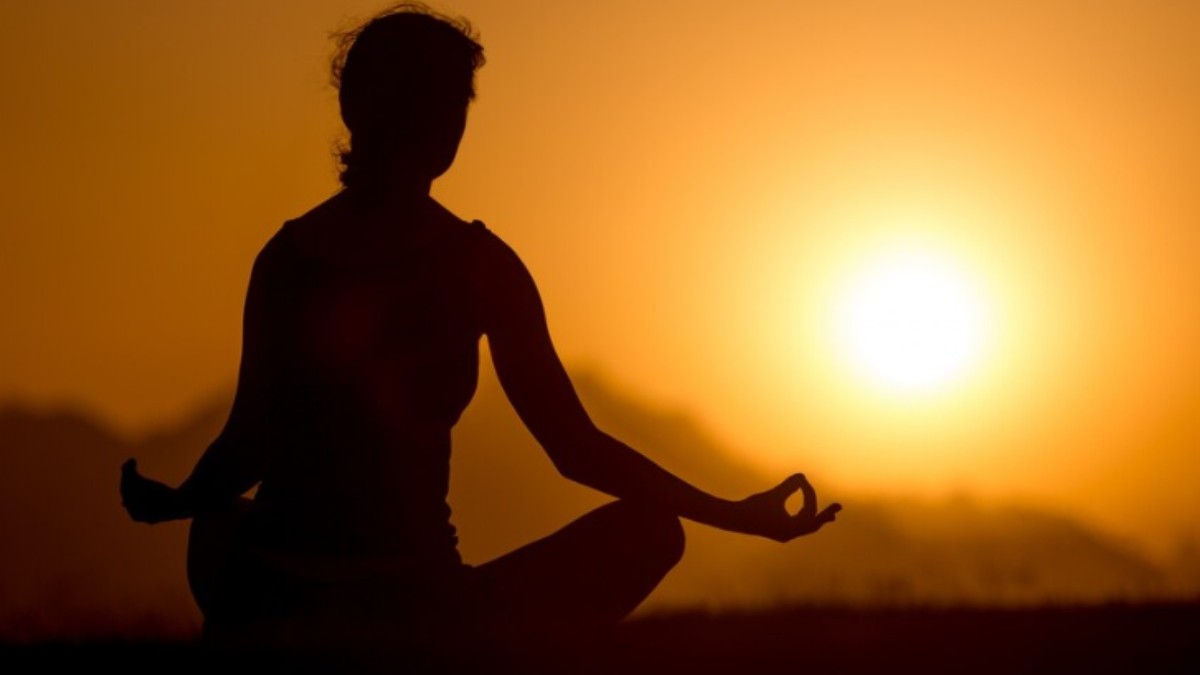
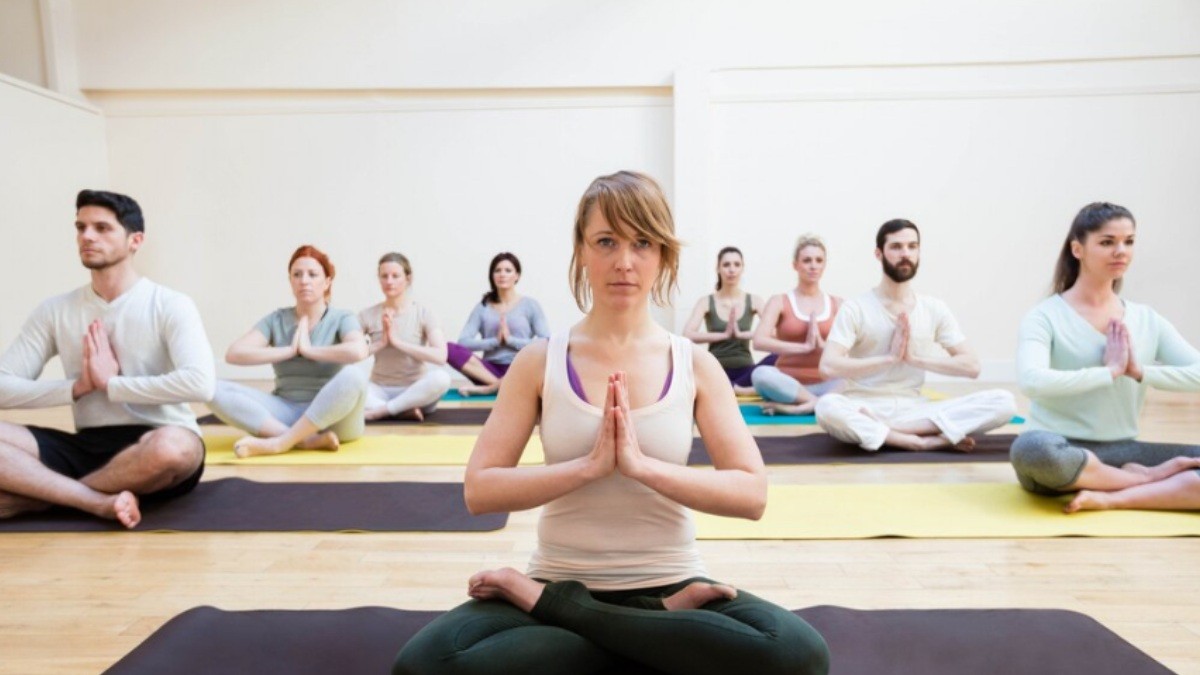
Poses such as warrior, chair, plank and bridge can help build muscular endurance and stability. Other movements focus more on stretching and mobility. This makes yoga adaptable to different fitness levels.
Unlike some high-impact forms of exercise, many yoga practices can be modified to suit individual abilities. Beginners can start with simple poses and gradually increase the difficulty as they become more comfortable.
It Can Improve Flexibility and Mobility
Flexibility can naturally change with age and inactivity. Spending hours sitting at a desk can also leave certain areas of the body feeling stiff.
Related Articles
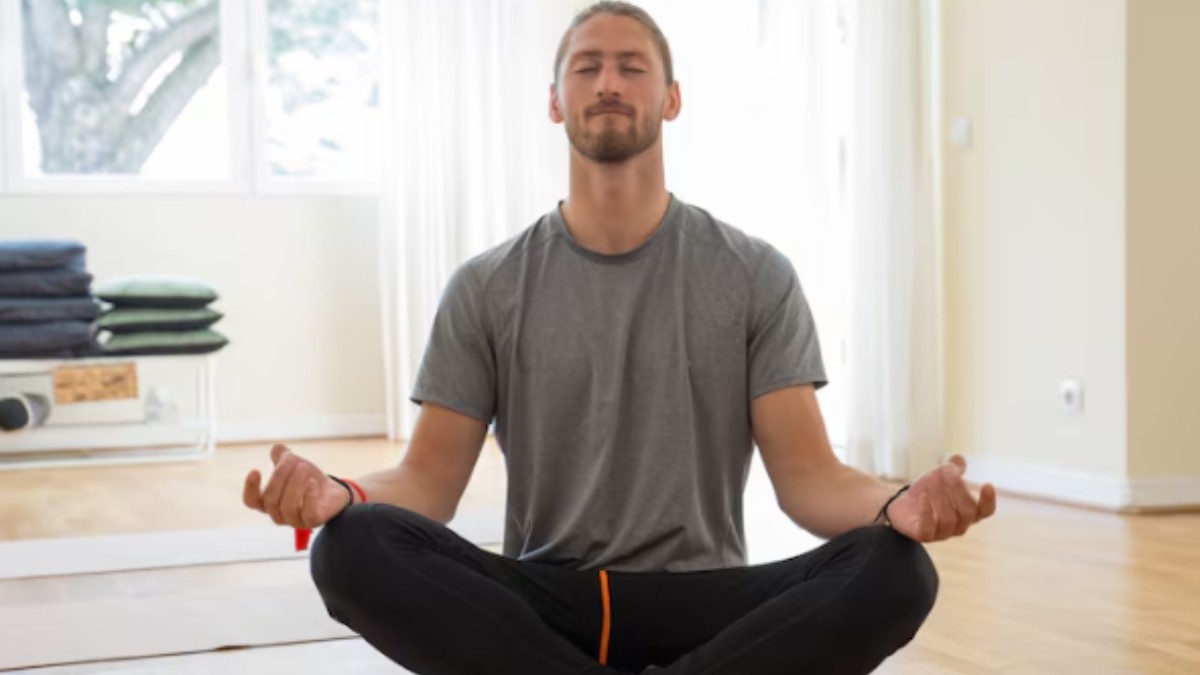
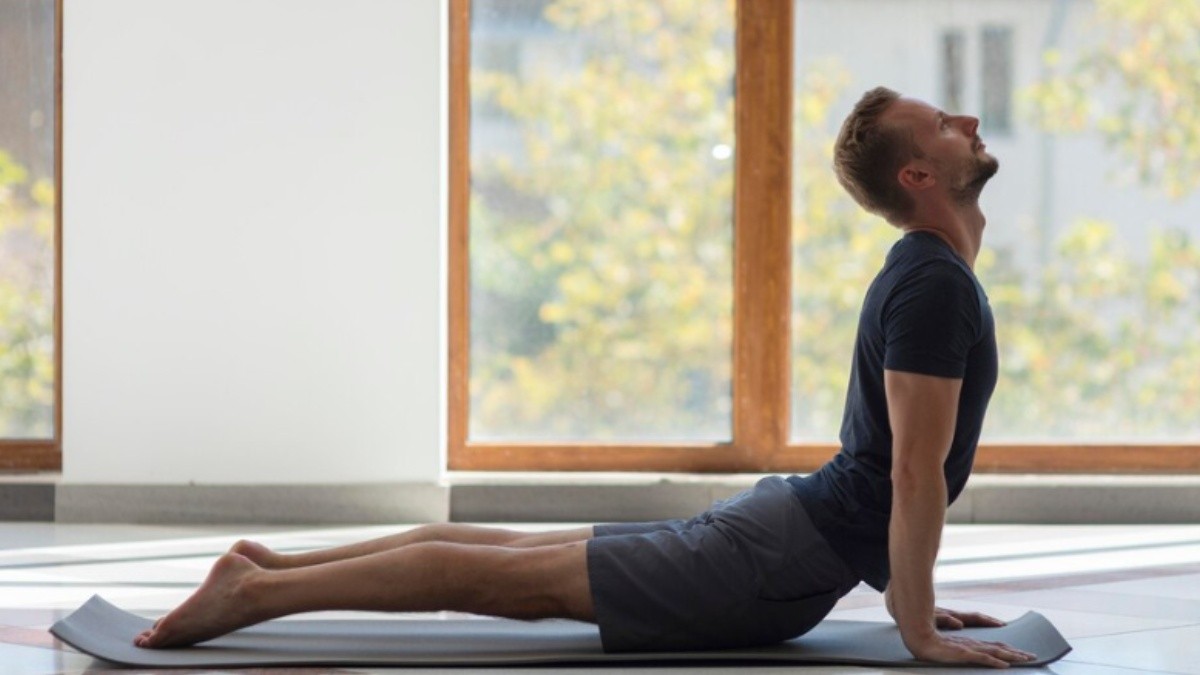
Regular yoga practice involves moving the body through different ranges of motion. Over time, this may help improve flexibility and make everyday movements more comfortable.
However, yoga should never be about forcing the body into an advanced position. Working gradually within a comfortable range is a safer and more sustainable approach.
Yoga Helps Manage Everyday Stress
Stress is a normal part of life, but ongoing stress can affect how people feel and function. Yoga can provide an opportunity to slow down and focus attention on breathing and movement.
Many yoga practices incorporate controlled breathing and relaxation techniques. Spending even a short period away from work, phones and other distractions can create valuable mental space.
Yoga is not a substitute for professional care when someone is experiencing significant mental health difficulties, but it can be one component of a broader approach to managing stress and supporting well-being.
It Encourages Mindfulness
Yoga encourages people to pay attention to the present moment. Instead of rushing through movements, practitioners are often encouraged to notice their breathing, posture and physical sensations.
This mindful approach can help people become more aware of how their bodies respond to stress, fatigue and different activities.
Over time, this awareness may also influence daily habits. Someone who becomes more conscious of their physical and emotional state may be better able to recognise when they need rest, movement or a break from a demanding task.
Yoga Can Support Better Balance
Balance is an important aspect of physical fitness, particularly as people grow older. Yoga includes standing and balancing postures that challenge stability and coordination.
Practising these poses can encourage greater awareness of body position and movement. Beginners can use a wall, chair or other stable support when necessary.
Balance exercises should always be adapted to individual ability, especially for people who have mobility concerns or a history of falls.
It Promotes Healthy Breathing Habits
Breathing is an important part of many yoga practices. Learning to slow down and consciously observe the breath can be calming for some people.
Breathing exercises can also encourage practitioners to become more aware of patterns such as shallow or hurried breathing during stressful moments.
Although yoga breathing techniques vary widely, beginners should practise comfortably and avoid forcing or excessively holding the breath.
Yoga Can Encourage Better Sleep Habits
A gentle yoga routine may be useful as part of a relaxing evening routine. Slow stretches, breathing exercises and relaxation can help create a transition between daytime activities and bedtime.
Yoga should not be viewed as a guaranteed treatment for sleep disorders, but incorporating calming activities into a consistent bedtime routine may support healthier sleep habits.
If sleep problems are persistent, severe or affecting daily functioning, it is important to discuss them with a healthcare professional.
Yoga Encourages Consistency
Another reason yoga can fit well into a healthy lifestyle is its flexibility. A yoga session does not necessarily require a gym or extensive equipment.
A person may practise at home, attend a class or perform a few simple stretches during a break. Even a shorter session can provide an opportunity to move and reconnect with the body.
The most useful exercise routine is one that can be maintained consistently. There is little benefit in attempting an extremely demanding routine that quickly becomes difficult to sustain.
Yoga Can Complement Other Forms of Exercise
Yoga does not have to replace walking, running, cycling, swimming or strength training. It can complement these activities.
For example, someone who regularly performs strength training may use gentle yoga to work on mobility and flexibility. A person who enjoys walking may add yoga as a way to introduce additional movement and mindfulness.
A balanced fitness routine can include different forms of activity depending on personal goals, preferences and physical abilities.
Creating a Balanced Yoga Routine
Beginners should start slowly and focus on learning basic movements correctly. Choosing an appropriate class or learning from a qualified instructor can be helpful, particularly when learning unfamiliar poses.
It is also important to listen to the body. Mild stretching sensations may occur, but sharp or significant pain is a reason to stop or modify the movement.
People with injuries, medical conditions, pregnancy-related considerations or other specific health needs should seek appropriate professional guidance about which practices and modifications are suitable.
The Bigger Picture
Yoga can contribute to a healthy and balanced lifestyle by bringing together movement, breathing and mindful attention. Its potential benefits extend beyond physical flexibility and include stress management, body awareness, balance and relaxation.
However, a balanced life requires more than yoga alone. Nutritious food, adequate sleep, regular physical activity, meaningful relationships, time for relaxation and appropriate healthcare all play important roles.
The real value of yoga may be its ability to encourage people to pause, breathe and pay attention to themselves. Whether practised for a few minutes or as part of a longer routine, yoga can be a practical way to make physical and mental well-being a regular priority.
Ultimately, yoga is not about achieving the perfect pose. It is about developing a healthier relationship with movement, breathing and awareness—one that can support a more balanced approach to everyday life.




Comments 0