
Yoga is now practiced in gyms, studios, workplaces, schools and homes across the world. For many people, it means stretching, improving flexibility, building strength or finding a few moments of calm during a busy day. While these physical benefits are real and valuable, yoga has a much broader history that extends beyond physical postures.
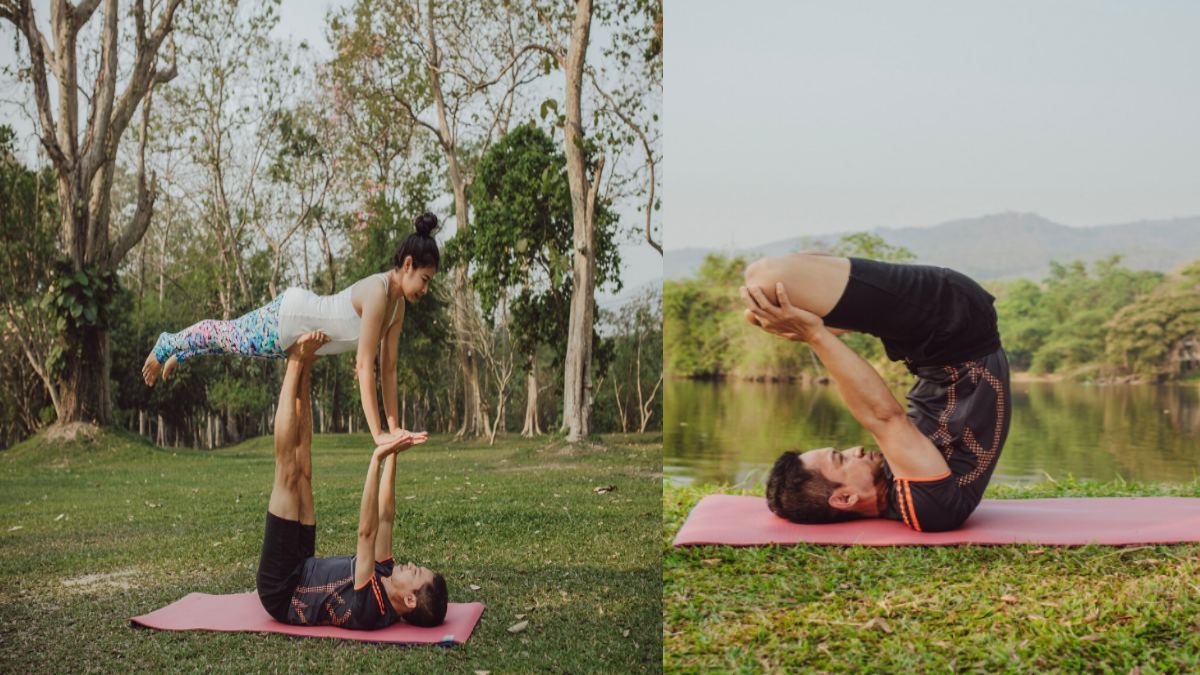
The global popularity of yoga has also raised an important question: What happens when yoga is separated from the philosophical, cultural and spiritual traditions from which it developed.
The answer is complex. Modern yoga has made many practices accessible to people who might never otherwise encounter them. At the same time, reducing yoga entirely to exercise can leave out important dimensions of a tradition that has historically addressed ethics, attention, self-discipline, meditation and the nature of consciousness.
Related Articles
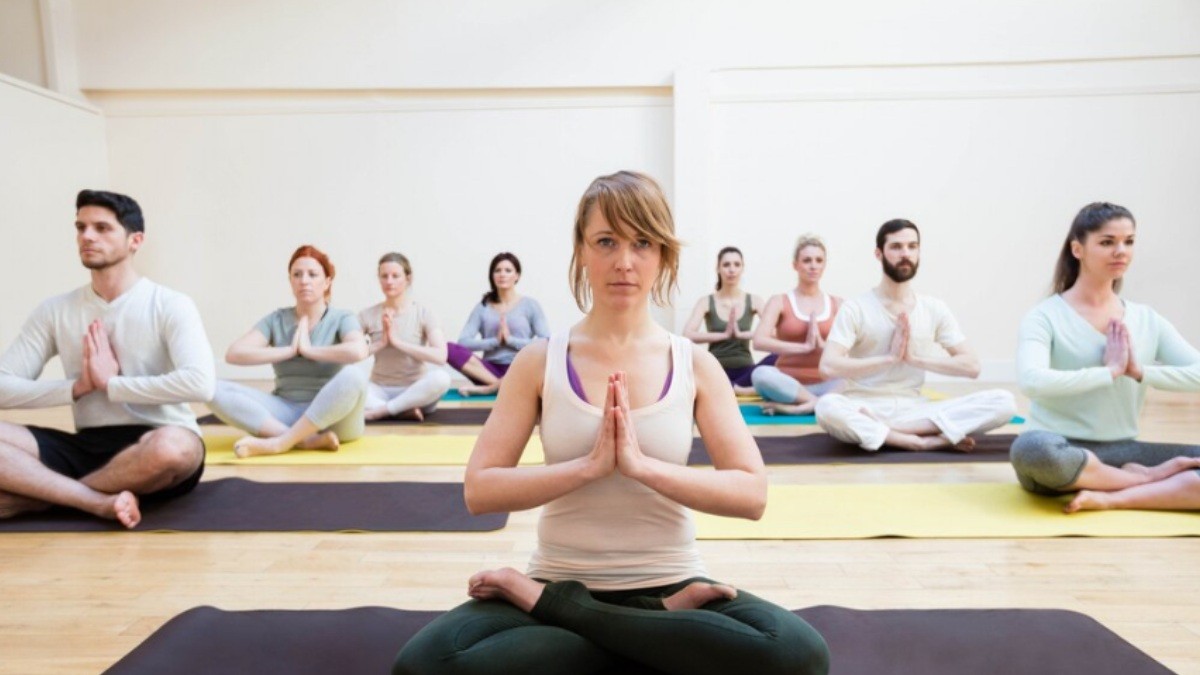
Yoga Has Never Been Only About Postures
The Sanskrit word yoga is associated with ideas of joining, integration and disciplined practice. Across different periods and traditions in India, yoga developed through diverse philosophical and spiritual approaches.
The physical postures familiar to modern practitioners are only one part of this much larger history. Classical presentations of yoga, including the framework associated with Patanjali's Yoga Sutras, describe a path involving ethical principles, personal disciplines, posture, breath regulation, withdrawal of the senses, concentration, meditation and deeper states of awareness.
This does not mean that every historical form of yoga followed exactly the same system. Yoga has always contained considerable diversity. Different schools and traditions have placed different emphasis on devotion, knowledge, meditation, ritual, breath practices or physical disciplines.
Related Articles

The Rise of Modern Postural Yoga
The form of yoga commonly seen in contemporary studios developed through a complicated process involving Indian traditions, teachers, social changes and encounters with global physical-culture movements.
During the 19th and 20th centuries, yoga was increasingly presented in ways that made it accessible to modern audiences. Physical postures and breathing exercises became particularly prominent. As yoga spread internationally, teachers adapted classes to the expectations and needs of their students.
Today, styles range from gentle restorative sessions to physically demanding practices. Some classes focus almost entirely on movement, while others incorporate meditation, chanting, philosophy and traditional breathing techniques.
What Can Be Lost When Yoga Becomes Only Exercise
Treating yoga exclusively as a fitness routine is not necessarily harmful. Movement, breathing and relaxation can offer meaningful benefits. However, an exclusively physical interpretation can narrow the understanding of yoga.
Traditional yoga places considerable emphasis on discipline, self-observation, ethical living and mental cultivation. The physical body is not necessarily regarded as the ultimate goal but as part of a broader process of transformation.
For practitioners interested in the philosophical dimension, concepts such as non-violence, truthfulness, moderation, contentment and self-discipline can provide a framework for taking yoga beyond the mat.
Tradition and Modern Accessibility Can Coexist
The separation between traditional and modern yoga does not have to be presented as an absolute conflict. Traditions naturally change as they encounter new societies and generations.
Modern practitioners can benefit from contemporary approaches while also learning about yoga's historical and philosophical context. Understanding where practices come from can encourage greater respect and prevent yoga from being reduced to a collection of trendy poses or fitness challenges.
For teachers, this can mean introducing students to appropriate elements of yoga philosophy alongside physical practice. For students, it can mean exploring texts, meditation, breathing practices and the ethical ideas associated with different yoga traditions.
Respecting Cultural and Historical Context
As yoga has become a global phenomenon, discussions around cultural ownership, commercialization and appropriation have become increasingly relevant. Yoga emerged within the intellectual and spiritual landscape of South Asia, particularly India, and acknowledging that history does not require rejecting modern adaptations.
Instead, it can encourage a more informed relationship with the practice. Learning about Sanskrit terminology, historical traditions and different schools of yoga can help practitioners understand that there is no single, unchanging version of yoga.
Yoga as a Broader Practice
The modern yoga class may begin and end with physical movement, but practitioners can choose to explore the deeper questions that have accompanied yoga for centuries. How do we relate to our thoughts? How can attention be cultivated, What does disciplined living mean? How can physical practice support mental and emotional balance.
These questions help reveal why yoga has endured for so long.
Ultimately, the evolution of yoga is neither simply a story of preservation nor one of complete separation from tradition. It is a story of adaptation. Modern yoga has brought ancient ideas and practices to millions of people, but understanding its roots can add depth to that experience. By looking beyond the postures and engaging with yoga's philosophical, ethical and contemplative dimensions, practitioners can approach the practice as more than exercise—as a tradition concerned with the relationship between body, mind and awareness.




Comments 0