
Stress has become a part of life. Work pressures, financial stress, family commitments, social pressures and continuous digital connectivity is all very taxing on people physically and mentally. Some of this stress is normal in a challenging situation but long-term stress can affect sleep, mood, concentration and overall well-being.
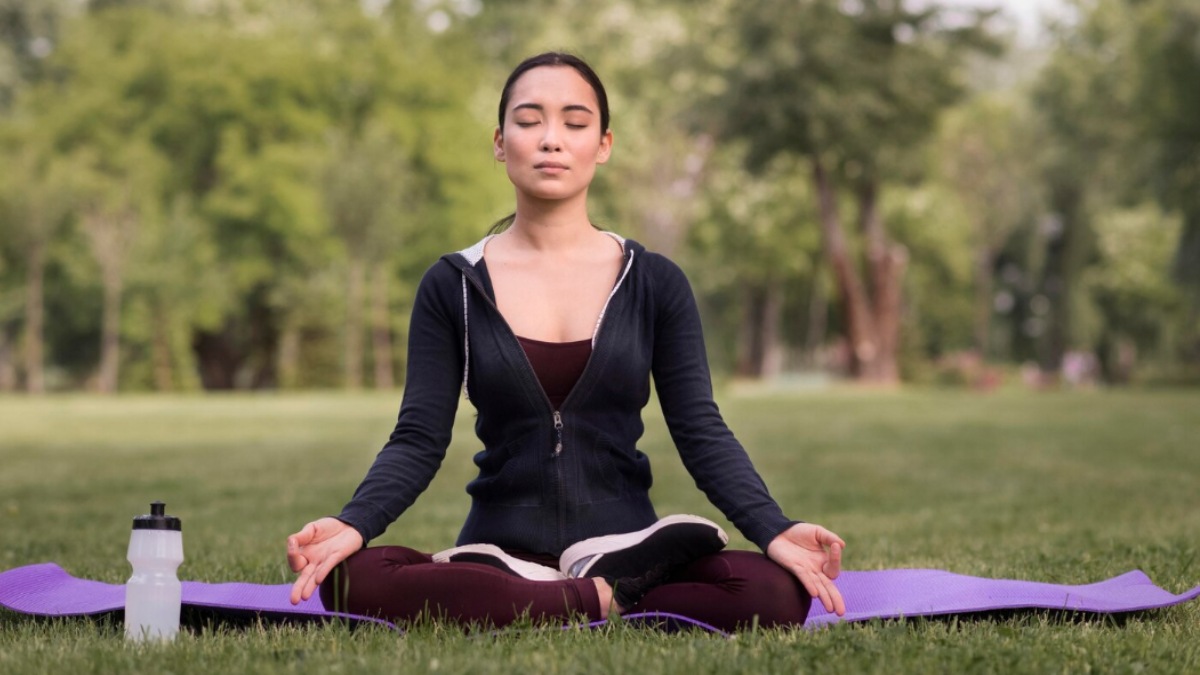
Yoga is one approach many people use to manage everyday stress. Yoga is a balance of physical postures and controlled breathing and mindfulness and helps people slow down and become aware of their body and thoughts. Research supports that regular yoga practice is a natural way to manage stress and decrease stress, which should not be taken as a replacement for professional treatment when someone has a serious mental health issue.
How does Yoga relieve stress
One of yoga’s greatest strengths is that it is a movement-based balance of movement and breathing, breathing and attention exercise and attention, breathing and attention is one of the main benefits of movement. Instead of rushing through exercises, yoga practitioners work on posture, breathing and bodily sensations in order to not rush through exercises, they spend time to concentrate on posture, breathing and sensation.
Related Articles

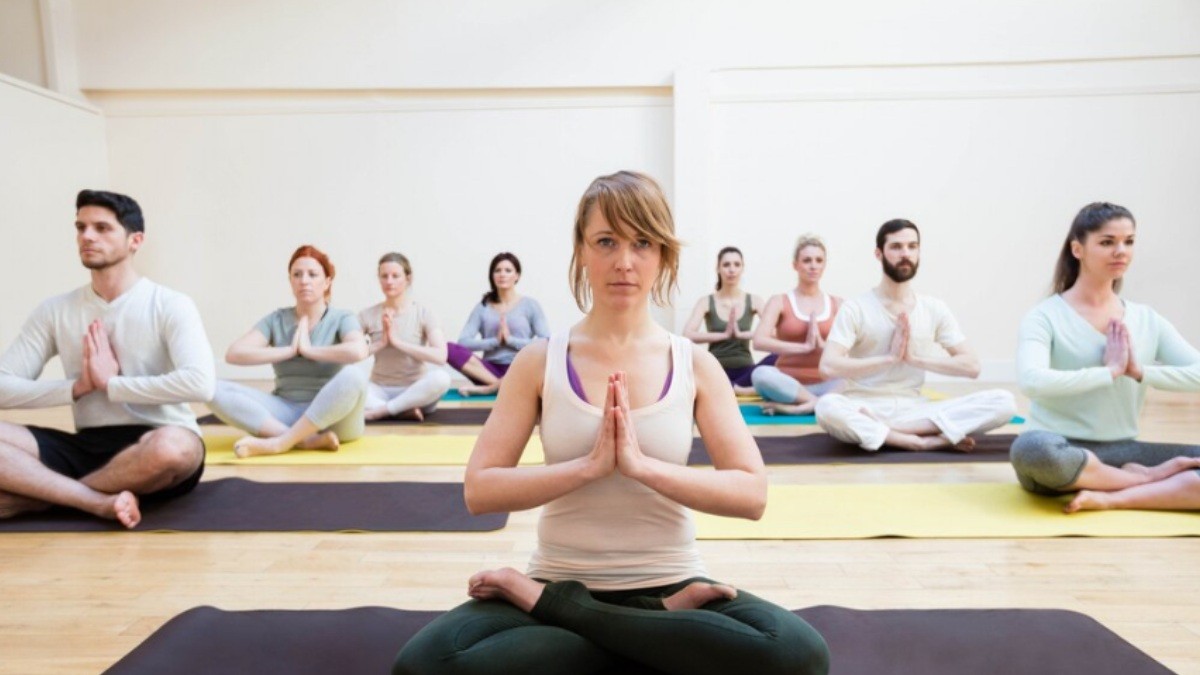
Yoga can also ease the physical strain by slow, deliberate movements. Breathing exercises can also help to help people relax psychologically.
And as we work on our approach to work and play a day in and day out in life over time, we can develop healthier responses to everyday problems.
The Role of Breathing
Breathing is an important part of many yoga traditions. When people are stressed, their breathing may become faster or shallower. Slowing down the breath can help relax and bring the attention back to the present moment.
Related Articles
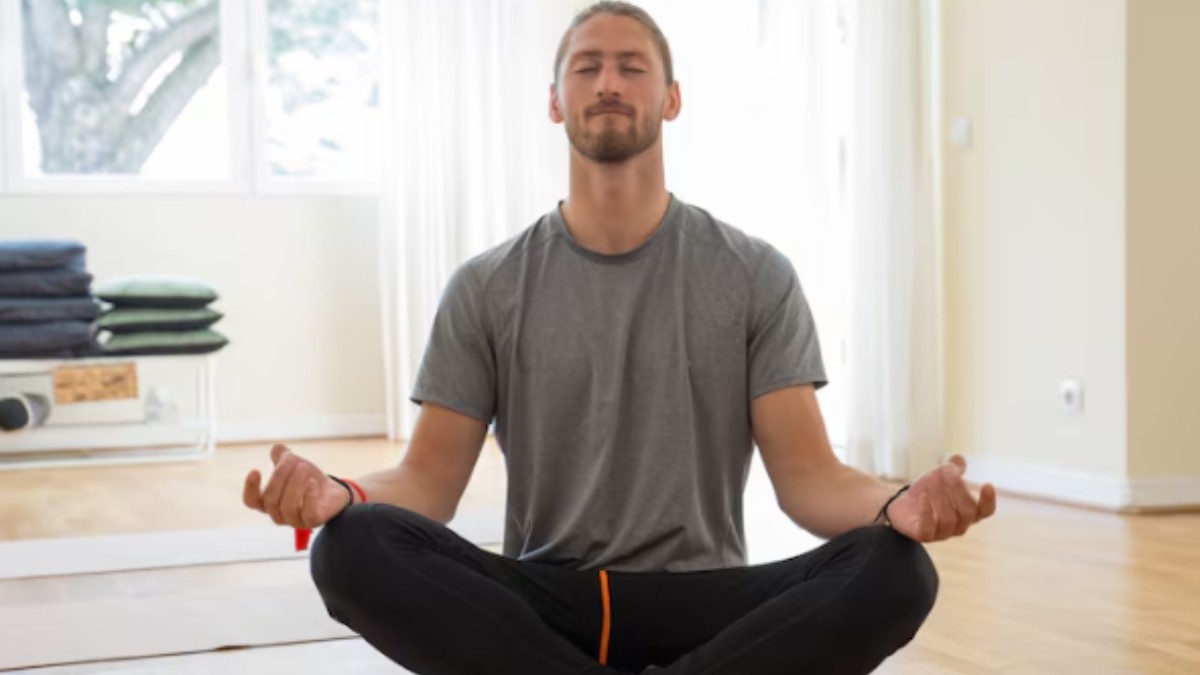
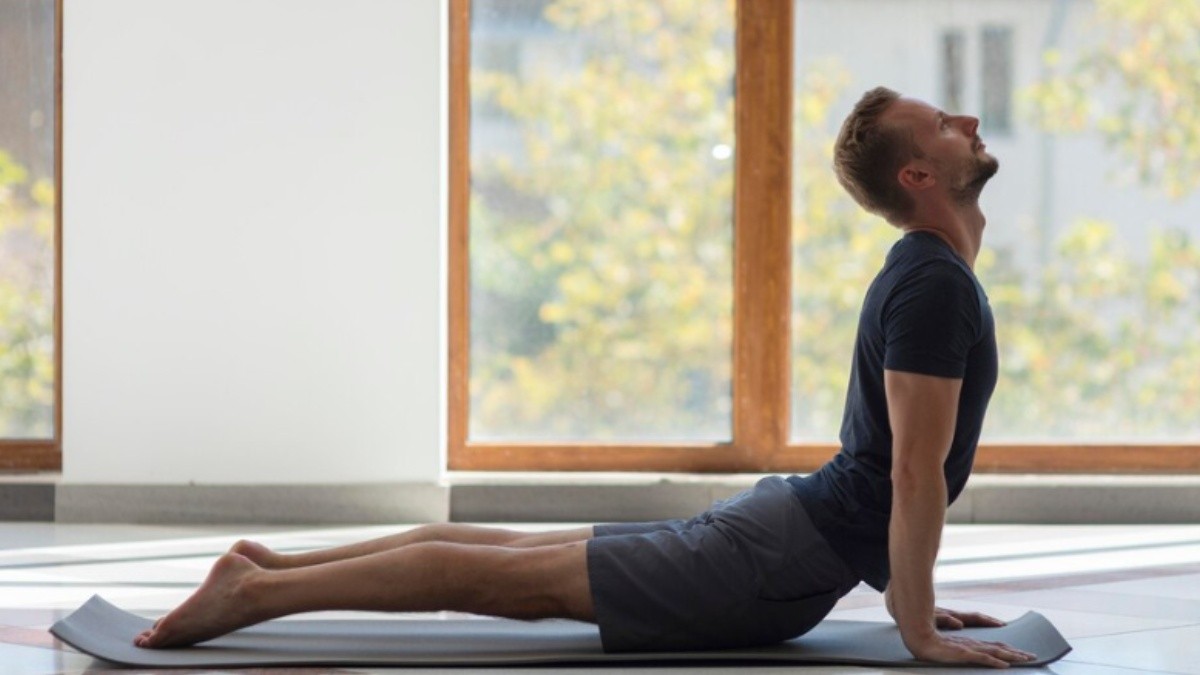
Easy exercises like taking slow, natural breaths through the nose and slightly longer exhalations may help to put a relaxation routine in place. People should not force the breath or hold it for longer periods of time.
Yoga Poses That May Support Relaxation
A stress-relieving yoga routine doesn’t need to be so complex. Gentle poses for beginners may be very good for beginners.
Child's Pose (Balasana): This resting position can provide a gentle stretch and can induce a sense of relaxation.
Cat-Cow Pose: Moving slowly between these positions can loosen the spine and raise awareness of breathing and movement.
Seated Forward Fold: One can use this pose in a quiet stretching routine without forcing the body.
Legs-Up-the-Wall Pose: This restorative position can be a calming addition to an evening routine for many people.
Corpse Pose (Savasana): Often performed at the end of a yoga session, Savasana promotes stillness and relaxation.
The aim is not to do advanced poses, the goal is to start a very comfortable practice that allows the body and mind to slow down.
Yoga is also associated with better sleep
Stress and poor sleep can be a vicious cycle. Worry can make it hard to sleep and poor sleep may make us more susceptible to stress the following day.
A gentle evening yoga program can help mediate a calming transition from work to sleep. Light stretching and slow breathing and a few minutes of mindfulness can help some people sleep better at night.
But persistent insomnia should be discussed with a doctor who specializes in treating insomnia rather than relying solely on yoga.
Consistency matters more than intensity
In many people’s minds, yoga needs to involve difficult poses or long sessions to be beneficial. Consistency is more helpful than intensity for stress management.
Even a short routine that is done regularly can provide a chance to stop, move and focus on breathing. Beginners can start with 10 to 15 minutes and gradually increase the duration according to their comfort and schedule.
The time of day that is easier to maintain would help the practice to be sustainable.
Yoga and Mindfulness
Mindfulness is really about the present moment, not thinking about the past or future. Yoga allows mindfulness to exist naturally as practitioners are taught to notice their breathing, physical sensations and movements.
This can help create a temporary break from constant mental stimulation. People may become more comfortable recognizing stress signals in their body and responding more deliberately.
Safety Tips for Beginners
Yoga is suitable for many people, but not every pose is suitable for everyone. Beginners should avoid forcing stretches or attempting advanced positions without proper instruction.
People with injuries, significant medical conditions, pregnancy-related concerns or balance problems should talk to a qualified healthcare professional or experienced yoga instructor about appropriate modifications.
Pain doesn’t have to be part of a good yoga session. Movements should generally feel controlled and comfortable.
Yoga can be useful for stress reduction and relaxation because it combines movement, breathing and mindfulness. A regular gentle practice may help people release physical tension, become more aware of their breathing and create moments of calm in a busy day.
Yoga can be part of the overall coping strategy when working out, a short morning routine, breathing exercises during a work break or a relaxing evening session.
For severe, persistent or overwhelming stress, anxiety or other mental health problems, professional support is important. Yoga can complement healthy lifestyle habits and appropriate care, but it must not substitute for medical or psychological treatment when it is needed.




Comments 0