
The modern workplace can be demanding. Long hours at a desk, constant notifications, tight deadlines and back-to-back meetings can affect both physical and mental well-being. As organisations increasingly recognise the connection between employee health and workplace performance, yoga and wellness programmes are becoming valuable additions to corporate environments.
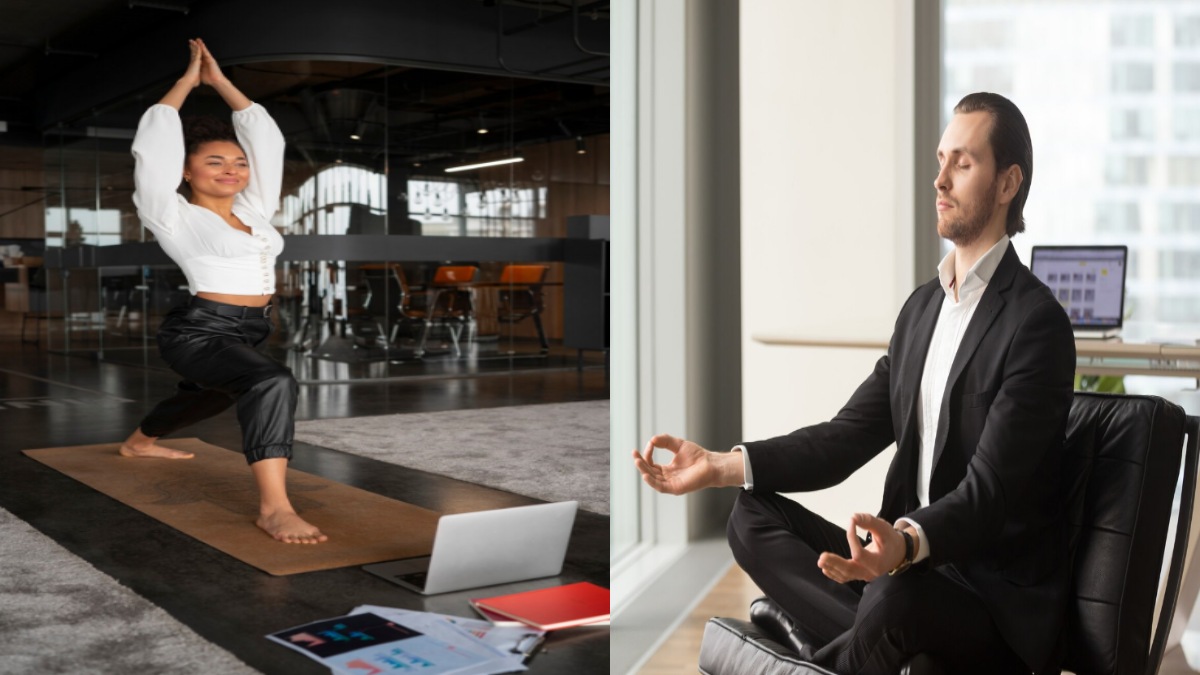
Workplace wellness is not simply about encouraging employees to exercise. It involves creating an environment where people have opportunities to manage stress, move regularly, take meaningful breaks and develop healthier habits. Yoga can be particularly useful because it combines physical movement, breathing techniques and mindfulness in a practice that can be adapted to different fitness levels.
Why bring yoga into the workplace
Many office employees spend several hours sitting in front of computers. Extended periods of sitting can contribute to stiffness and discomfort, particularly around the neck, shoulders, back and hips. Simple yoga movements and stretches can encourage employees to change positions and move their bodies during the working day.
Related Articles

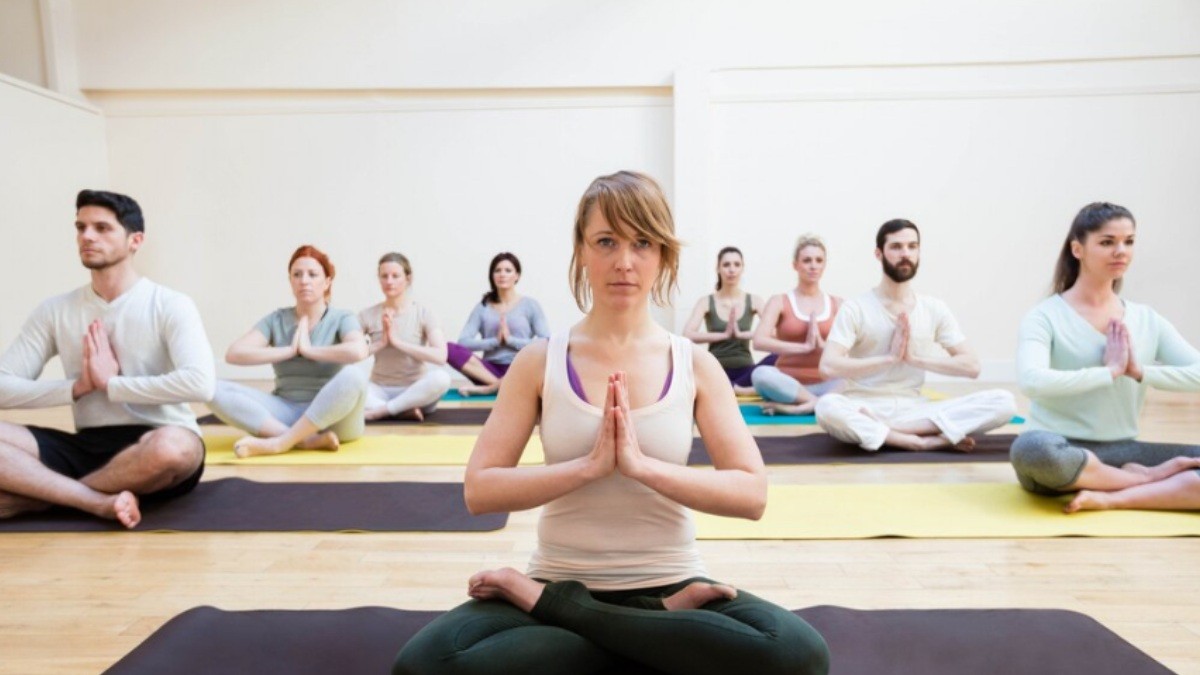
Office yoga does not necessarily require a large studio or complicated equipment. Short sessions can be conducted in a meeting room, wellness space or even at individual desks, depending on the exercises selected.
A few minutes of gentle stretching between periods of concentrated work can provide a physical break from prolonged sitting.
Supporting stress management
Work-related stress can affect concentration, motivation and overall quality of life. Yoga incorporates breathing and mindfulness practices that can encourage people to slow down and become more aware of their physical and mental state.
Related Articles


Simple breathing exercises can be incorporated into short workplace wellness sessions. Employees can learn techniques that they may also use independently when they feel overwhelmed or need a brief mental reset.
However, yoga should be viewed as one component of a broader approach to workplace mental health. Organisations should also address excessive workloads, unhealthy work cultures, inadequate staffing and other structural sources of stress.
Improving focus and mental clarity
A short movement or breathing session can provide a transition between demanding tasks. Rather than continuously working without a break, employees can use a few minutes to reset their attention.
Mindfulness-based practices encourage individuals to focus on the present moment instead of constantly switching between emails, messages and tasks. Over time, developing greater awareness may help employees recognise when they need a break or when stress is affecting their concentration.
Creating a culture of wellness
A successful workplace wellness programme needs more than occasional activities. Company leadership plays an important role in establishing a culture where taking reasonable breaks and looking after one's health is encouraged rather than viewed as a lack of commitment.
Employers can introduce optional yoga sessions before work, during lunch breaks or at the end of the working day. Virtual sessions can also make programmes accessible to remote and hybrid employees.
Participation should remain voluntary, and employees should not feel pressured to disclose health information or participate in physical activities that are uncomfortable for them.
Yoga for different workplaces
Not everyone has the same fitness level or physical abilities. Workplace yoga should therefore focus on accessibility.
Gentle seated stretches, breathing exercises and simple mobility movements may be appropriate for employees who cannot comfortably perform floor-based yoga. Organisations can also offer different session formats so employees can choose activities according to their preferences and abilities.
Qualified instructors should provide modifications and remind participants not to force movements or exercise through pain.
Wellness extends beyond yoga
Yoga is only one part of workplace wellness. Organisations can complement yoga sessions with initiatives such as ergonomic assessments, healthy food options, opportunities for movement, mental health resources, adequate rest and education about healthy lifestyle habits.
Encouraging employees to take regular screen breaks and creating comfortable workstations can also contribute to physical well-being.
A healthier approach to productivity
The goal of workplace yoga should not be to make employees work continuously for longer hours. Instead, wellness initiatives should support sustainable productivity by helping employees take care of their physical and mental health.
A workplace that values employee well-being can contribute to a more positive organisational culture. When wellness is integrated thoughtfully into everyday working life, activities such as yoga, stretching and mindful breathing can become practical tools rather than occasional corporate events.
Ultimately, workplace yoga is most effective when it forms part of a broader commitment to employee well-being. By combining movement, stress-management strategies, supportive policies and a healthy work culture, organisations can create an environment in which employees have a better opportunity to remain healthy, focused and engaged.




Comments 0