
Yoga is often associated with physical postures and flexibility but its traditional teachings go far beyond exercise. Yoga can also be interpreted as a way of living our everyday life in a way that is self-awareness, discipline, balance and compassion. By incorporating these principles into our daily lives we can live a more mindful and intentional life.
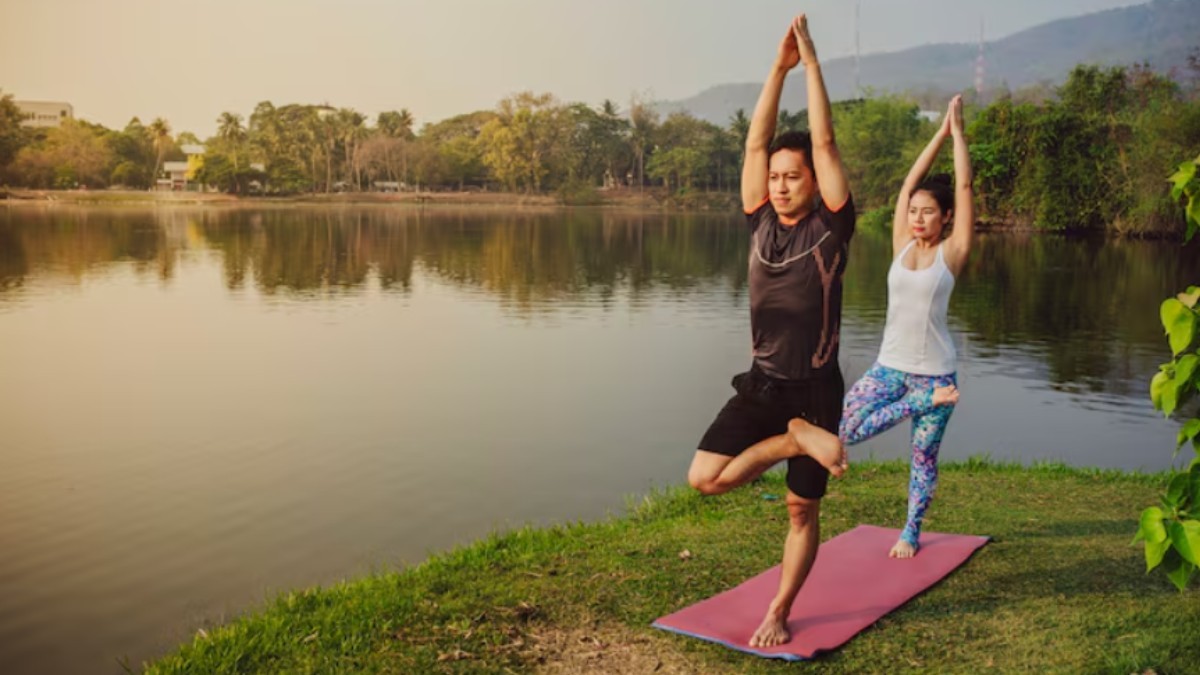
Yoga Is More Than Physical Exercise
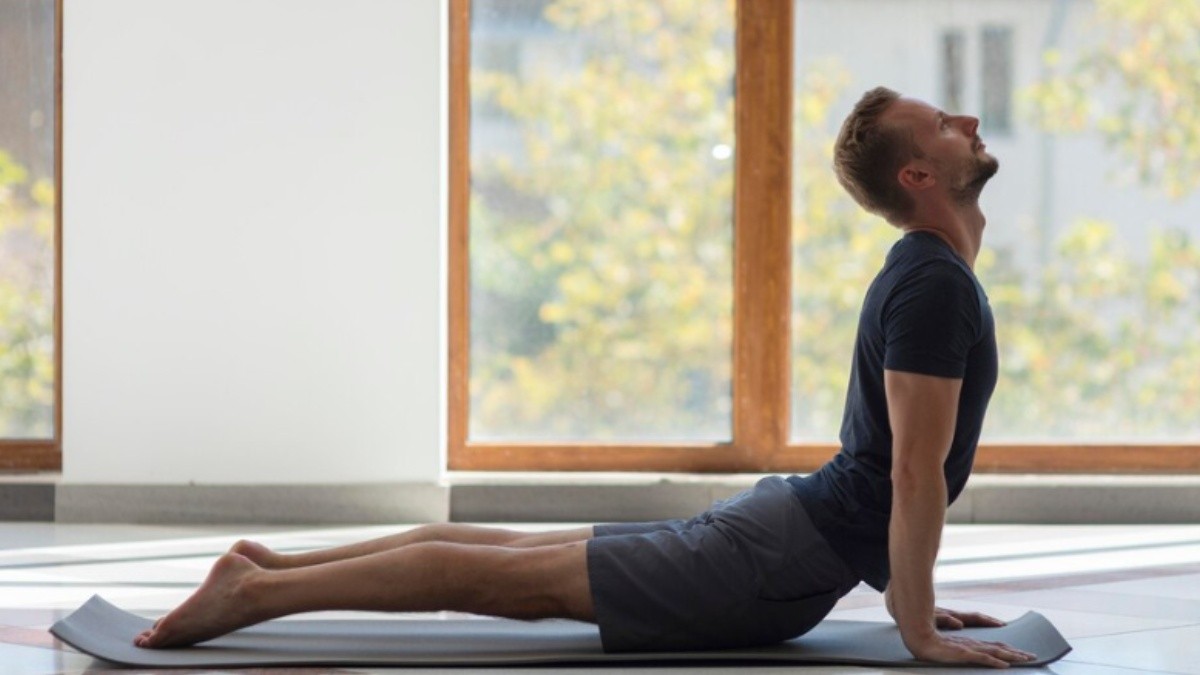
Modern yoga classes are based on asanas, or physical postures. But traditional yoga includes those for ethical living, breath awareness, concentration and meditation.
When yoga is part of life the goal is not to be able to do difficult poses. In fact mindfulness and self-discipline can be applied in everyday life.
Related Articles
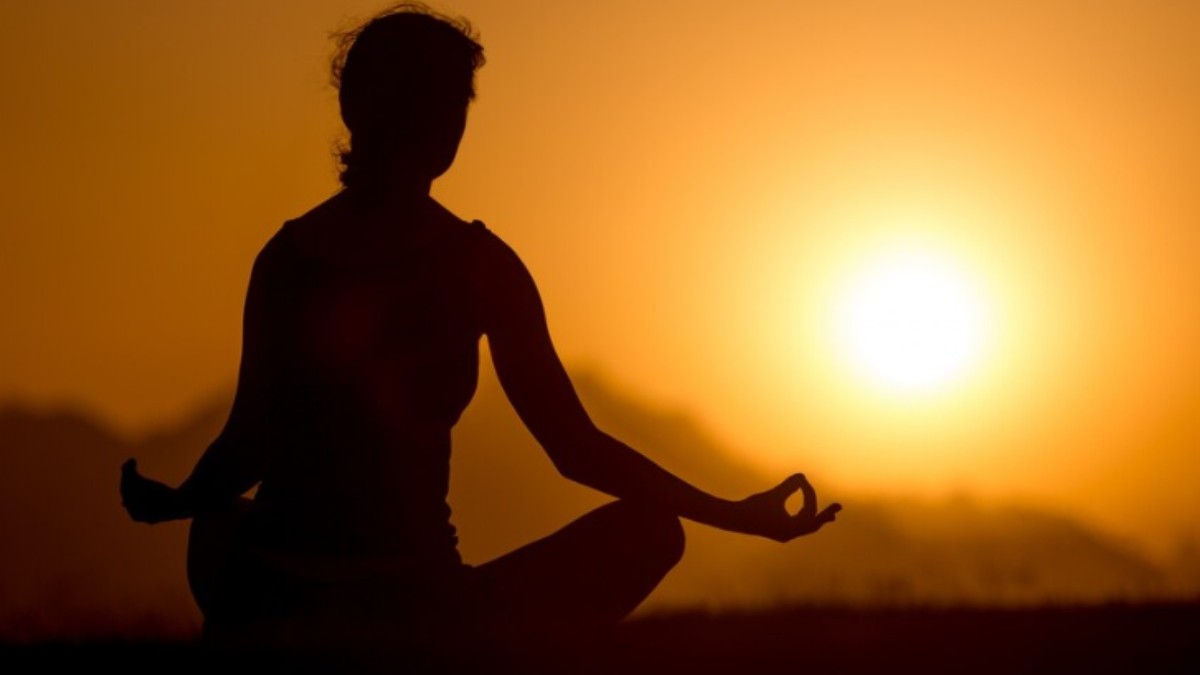
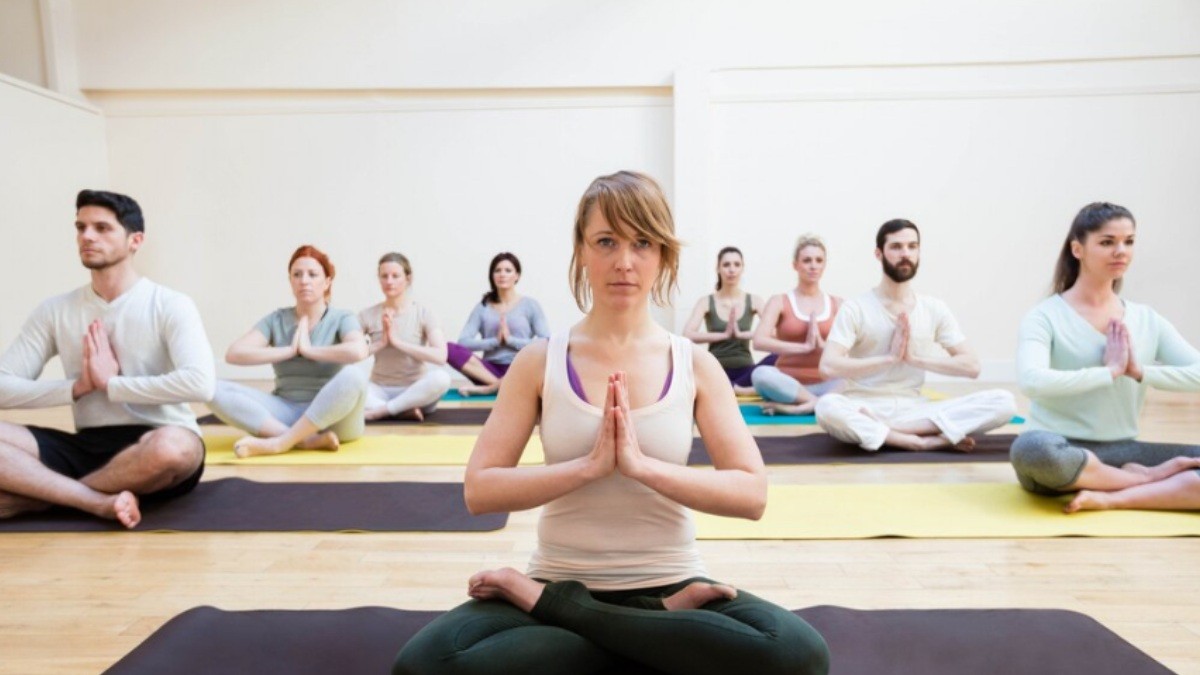
Practising Mindfulness in Daily Life
Mindfulness is about paying attention to the present moment rather than being distracted by thoughts about the past or future. Simple activities can be opportunities for mindful living.
For example, eating without constantly checking a phone, listening carefully during conversations or taking a few quiet minutes before starting work can help develop greater awareness.
A short breathing practice can also provide a simple pause during a busy day.
Related Articles
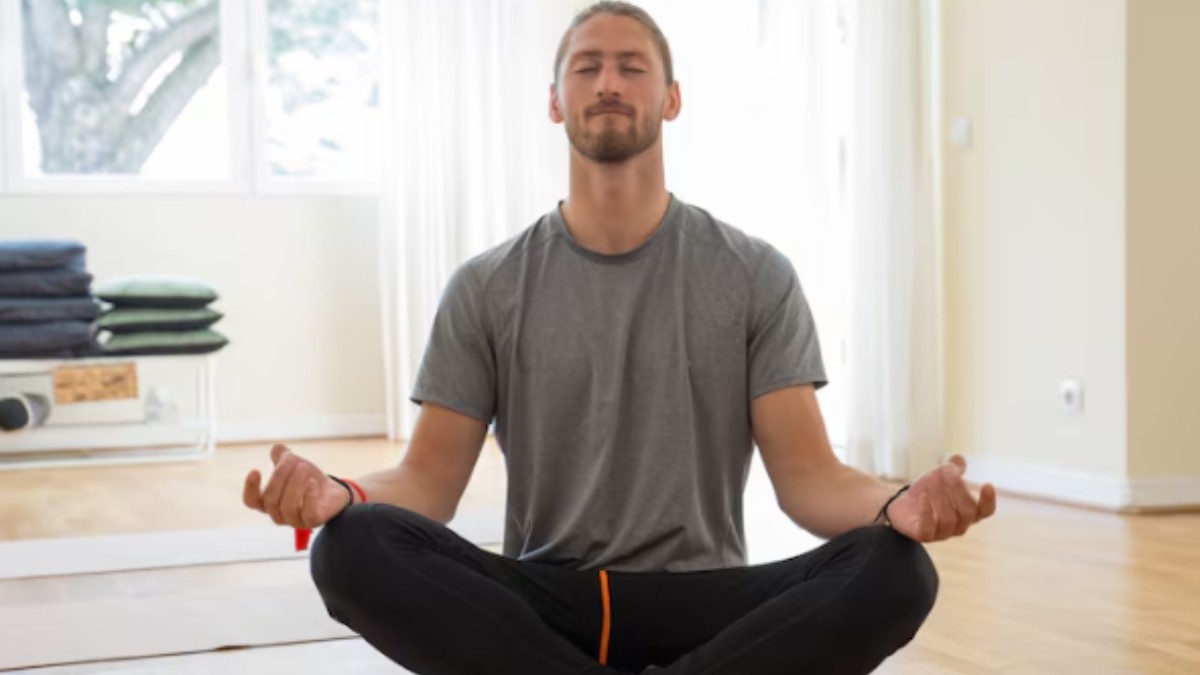
Building Discipline Through Small Habits
Yoga promotes consistency and self-awareness. These ideas can be applied to everyday habits without creating an overly demanding routine.
This habit of stretching a few minutes every day for breathing or meditation can be preferable to doing a fairly intense routine occasionally. It’s in practice that healthy habits can be gradually incorporated into a routine.
Bringing Balance to Work and Rest
Yoga-based lifestyles can also promote much more awareness about balance. Modern life is one of long work hours, constant notifications and little time for rest.
Short breaks, reasonable boundaries around work and time for relaxation will help a balanced routine. Yoga’s focus on awareness can make people feel they’re getting physically and mentally drained.
Practising Compassion and Non-Harm
Traditional yoga teachings contain ‘ahimsa’ or non-violence, or non-harm. It is in everyday life that this principle can encourage kindness for others and a greater awareness of what we do to ourselves.
Practising patience in dealing with disagreements and not getting into a war is an easy way to bring this principle into our everyday lives.
Self-compassion is as important. Instead of always criticising yourself for mistakes, acknowledging imperfections can help build a better relationship with personal growth.
Simplifying Everyday Living
Yoga philosophy also encourages reflection on desires and habits and attachments. This does not necessarily mean giving up possessions or completely changing your lifestyle.
Instead, it can be about being more conscious of what actually contributes to your wellbeing. Eliminating unnecessary distractions, organising your surroundings and being intentional about consumption can bring about a simpler life.
Making Yoga a Daily Practice
Yoga as a lifestyle doesn’t take hours after waking up every day to practice. And it can begin with a few minutes of mindfulness in the morning, a lot of conscious movement in the day, healthier habits and quiet reflection before sleep.
Over time, these practices can help create a lifestyle centred on awareness rather than constant rushing.
Final Thoughts
Yoga can be applied beyond the mat and affect how people think, act and react to the world around us. If yoga is integrated into daily life, mindfulness, discipline, compassion, balance and self-awareness, yoga will be a lifestyle philosophy and not only exercise.




Comments 0