
Running is a great way for cardiovascular fitness, endurance and overall wellbeing. But repetitive impacts and overuse can result in stress on the muscles and joints, especially when runners increase their distance or intensity too quickly. Yoga as part of a running program can support flexibility, mobility, balance and body awareness.
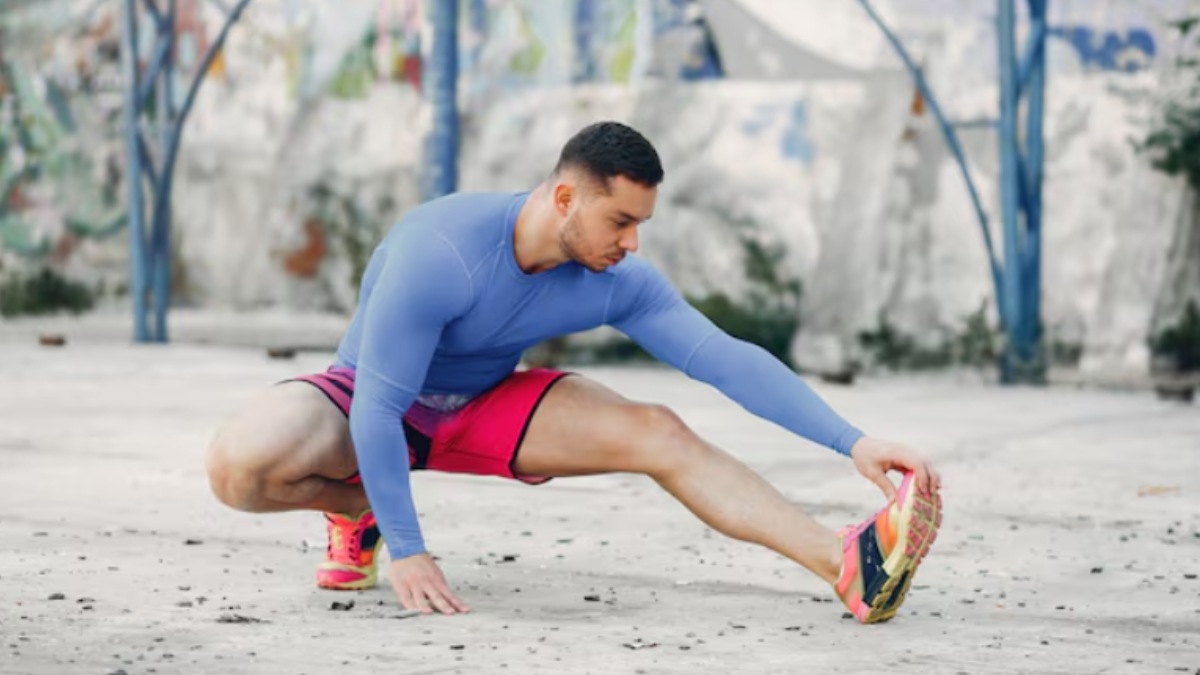
A runner does not have to go to a long yoga session every day. Focusing on key areas that experience repeated stress during running will have a real-world impact on how you move and recover.
1. Strengthen the Core
If a strong core is there, runners will be comfortable and will have posture and stability as they move. Weak core muscles can affect the shape of the body so much, especially on longer runs.
Related Articles
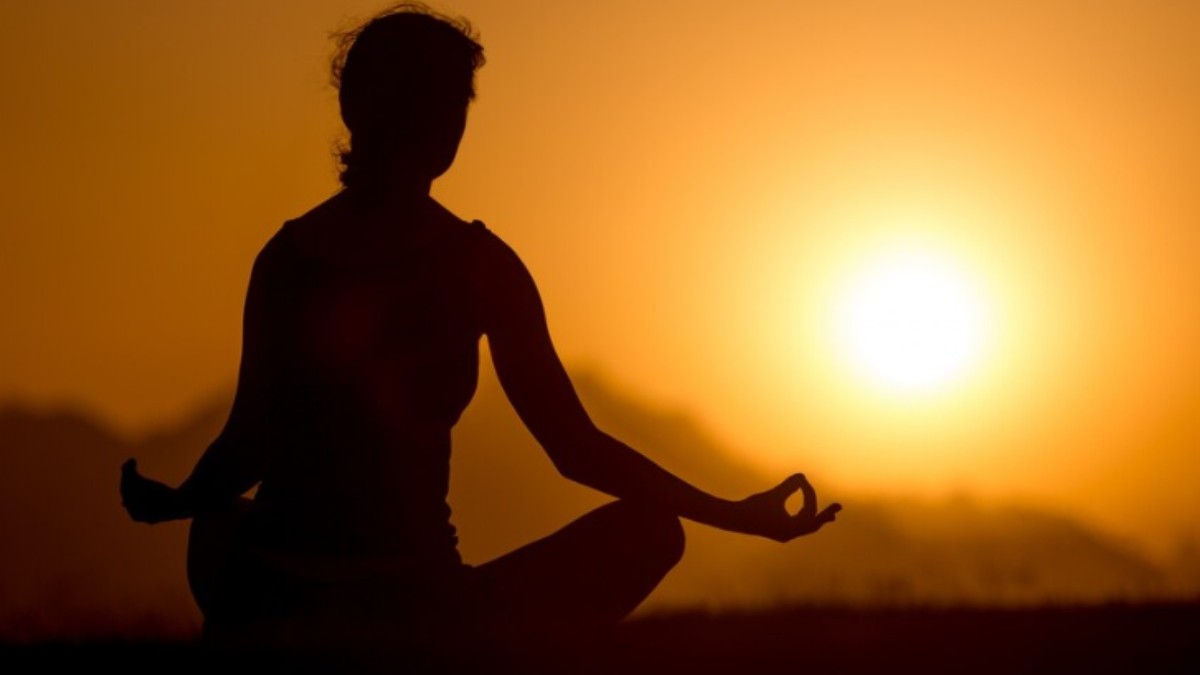
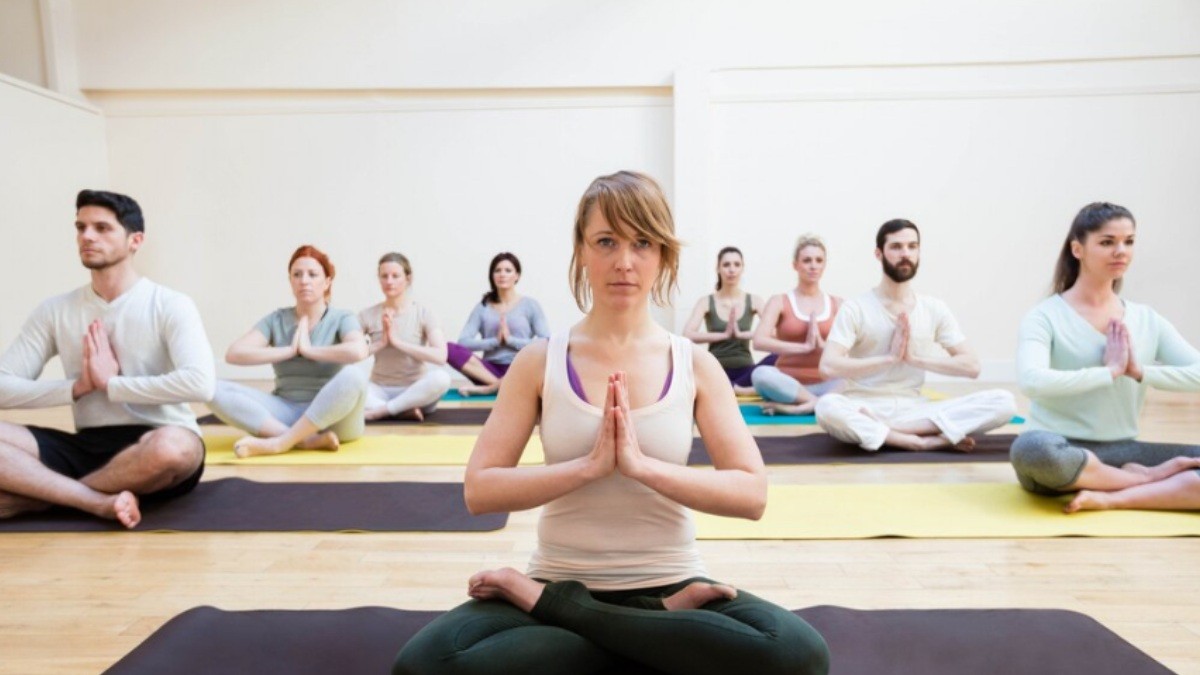
Yoga poses such as Plank, Side Plank and Boat Pose are good for the abdominal and stabilising muscles. Holding this position comfortably while maintaining controlled breathing can help develop strength without excessive movement.
2. Stretch and Strengthen the Hips
The hips are major components of running mechanics, and tight or weak hip muscles can affect how the legs move and can cause pain in the hips, knees or lower back.
Low Lunge, Pigeon Pose and Warrior II can help improve hip mobility, while poses such as Chair Pose can build strength in the legs and hips.
Related Articles
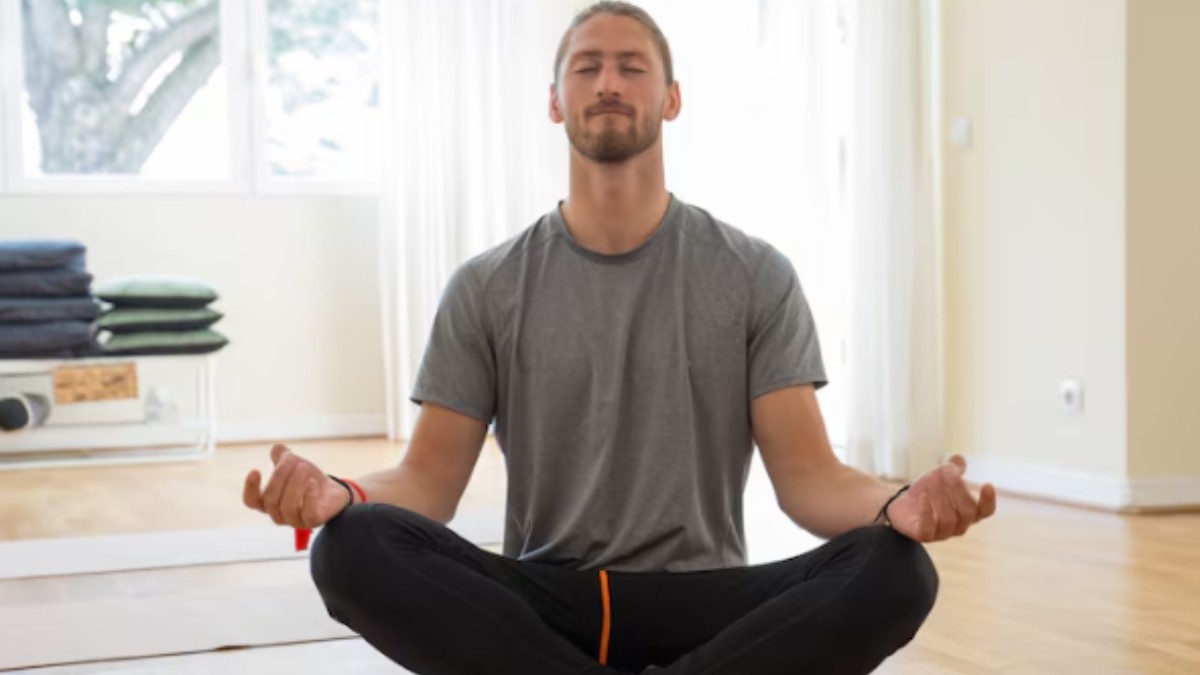
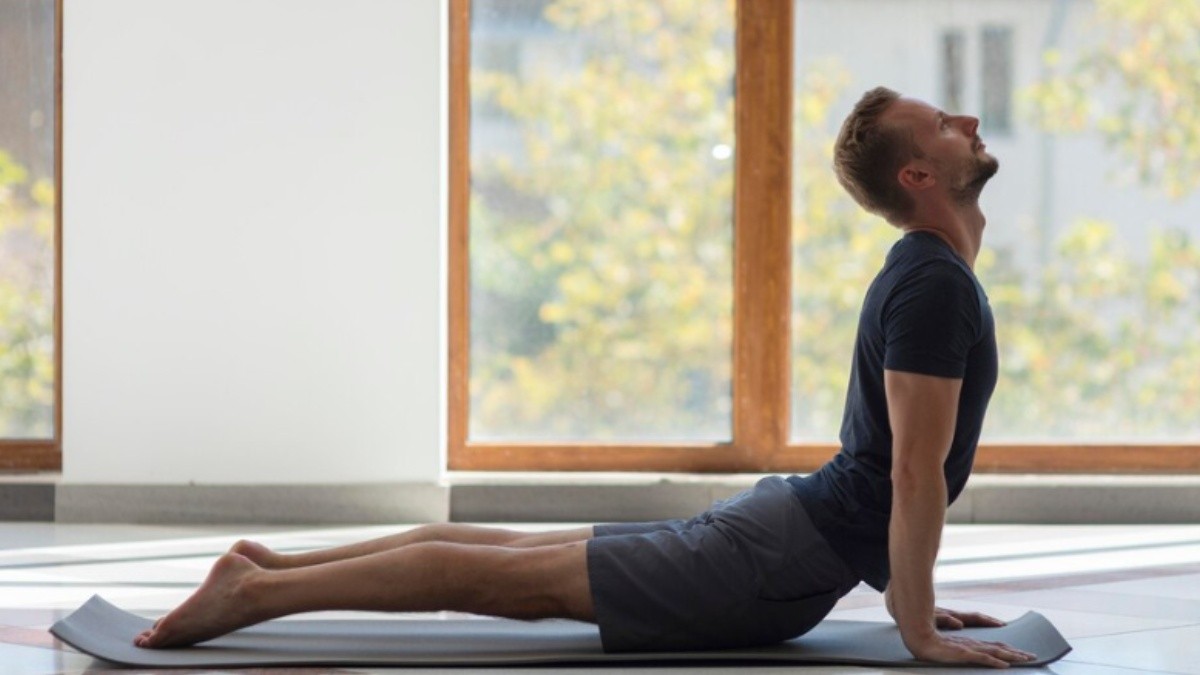
Runners should not try to force a stretch and should gradually work toward greater mobility.
3. Give Your Hamstrings Attention
The hamstrings work continuously during running and may become tight, especially when combined with prolonged sitting.
A gentle Seated Forward Fold or Half Split can provide a controlled hamstring stretch. Keep the movement slow and steady, not bouncing or forcing your legs into a deeper position.
4. Don't Ignore the Calves
The calves absorb and produce a lot of force while running. Tight calves can affect ankle movement and may contribute to discomfort in the lower leg or foot.
Downward-Facing Dog offers a gentle calf and posterior-chain stretch. Calf raises can also be incorporated into a strength routine to develop lower-leg capacity.
5. Improve Ankle Mobility
Good ankle mobility allows runners to move efficiently through each stride. Limited mobility can alter movement patterns further up the leg.
Yoga poses that involve controlled ankle movement, including Low Lunge, can be useful. Runners can also practise slow ankle circles as part of their warm-up or recovery routine.
6. Build Strong Glutes
The glutes help stabilise the pelvis and contribute to powerful running movements. Strengthening them can be particularly useful for runners who struggle with maintaining stability during longer distances.
Bridge Pose and Warrior III can challenge the glutes while also working on balance and control.
Yoga Before and After Running
The type of yoga matters depending on when it is practiced. Before running, runners might prefer dynamic movements and gentle mobility exercises to long, deep static stretches.
After a run, slower stretches can help relax the body. A short session focusing on the calves, hips, hamstrings and lower back may complement a normal cool-down.
Listen to Your Body
Yoga should complement running rather than replace proper training, recovery and strength work. Persistent pain, swelling or an injury should not be dismissed or treated simply by stretching.
Beginners must learn proper technique and should avoid pushing into painful positions. If a runner has an existing injury or medical concern, consulting a qualified healthcare professional or physiotherapist can help determine appropriate exercises.
A Balanced Approach for Better Running
Yoga can be a useful addition to a runner’s routine because it combines mobility, balance, controlled breathing and strengthening. By regularly addressing the hips, hamstrings, calves, ankles, glutes and core, runners can build a more balanced movement routine.
The goal is not to become extremely flexible. Instead, runners should aim for strong, mobile and controlled movement that supports their individual running goals.




Comments 0